
Discover the essential role of corn harvester gearboxes in optimizing harvest efficiency. These components convert high-speed input from tractor PTO shafts into low-speed, high-torque output for chopping and conveying corn stalks. Engineered for durability in demanding field conditions, they ensure seamless operation during peak harvest seasons.
Experience reduced downtime with gearboxes featuring spiral bevel gears and robust cast iron housings. Compatible with major brands like John Deere and Case IH, our models support ratios from 1:1.46 to 1:3.0, handling up to 120 HP inputs at 540 RPM.
Achieve superior performance in corn harvesting with IP65-rated seals protecting against dust and moisture. Ideal for row crop headers, these gearboxes meet ISO 14396 standards for power transmission reliability.
- Rated torque capacity reaches 1200 Nm, with peak loads up to 1850 Nm under AGMA 2001-D04 guidelines.
- Material construction uses 20CrMnTi alloy steel, carburized to HRC 58-62 for extended service life over 5000 hours.
- Gear ratios optimized for corn header speeds, reducing vibration and noise to below 85 dB during operation.
- Overload protection via shear bolts prevents damage from foreign objects in corn fields.
- Dimensions fit standard 1-3/8″ Z6 splined PTO shafts, ensuring quick installation on combine harvesters.
Key Advantages of Corn Harvester Gearboxes
Corn harvester gearboxes deliver precise torque multiplication essential for efficient stalk processing. Built with high-strength bevel gears, they handle the variable loads from dense corn rows without slippage. This design minimizes energy loss, allowing tractors to maintain optimal fuel efficiency during long harvest days.
Enhanced sealing with nitrile rubber gaskets provides resistance to crop residues and lubricants, extending maintenance intervals to 1000 hours. Compared to chain drives, gear systems offer 20% higher torque capacity, ideal for heavy-duty harvesting in variable terrain.
Integration of friction clutches absorbs shocks from uneven ground, protecting downstream components like augers. These features align with DIN 9611 standards for rotational speed accuracy, ensuring consistent header performance across 4-8 row configurations.
For buyers seeking reliable corn harvester gearbox suppliers, options include models with customizable mounting flanges for retrofits on existing equipment.
Temperature tolerance from -20°C to 80°C suits diverse climates, while oil bath lubrication with SAE 80W-90 gear oil maintains viscosity under load. This results in 15% lower operating costs over the gearbox lifecycle.
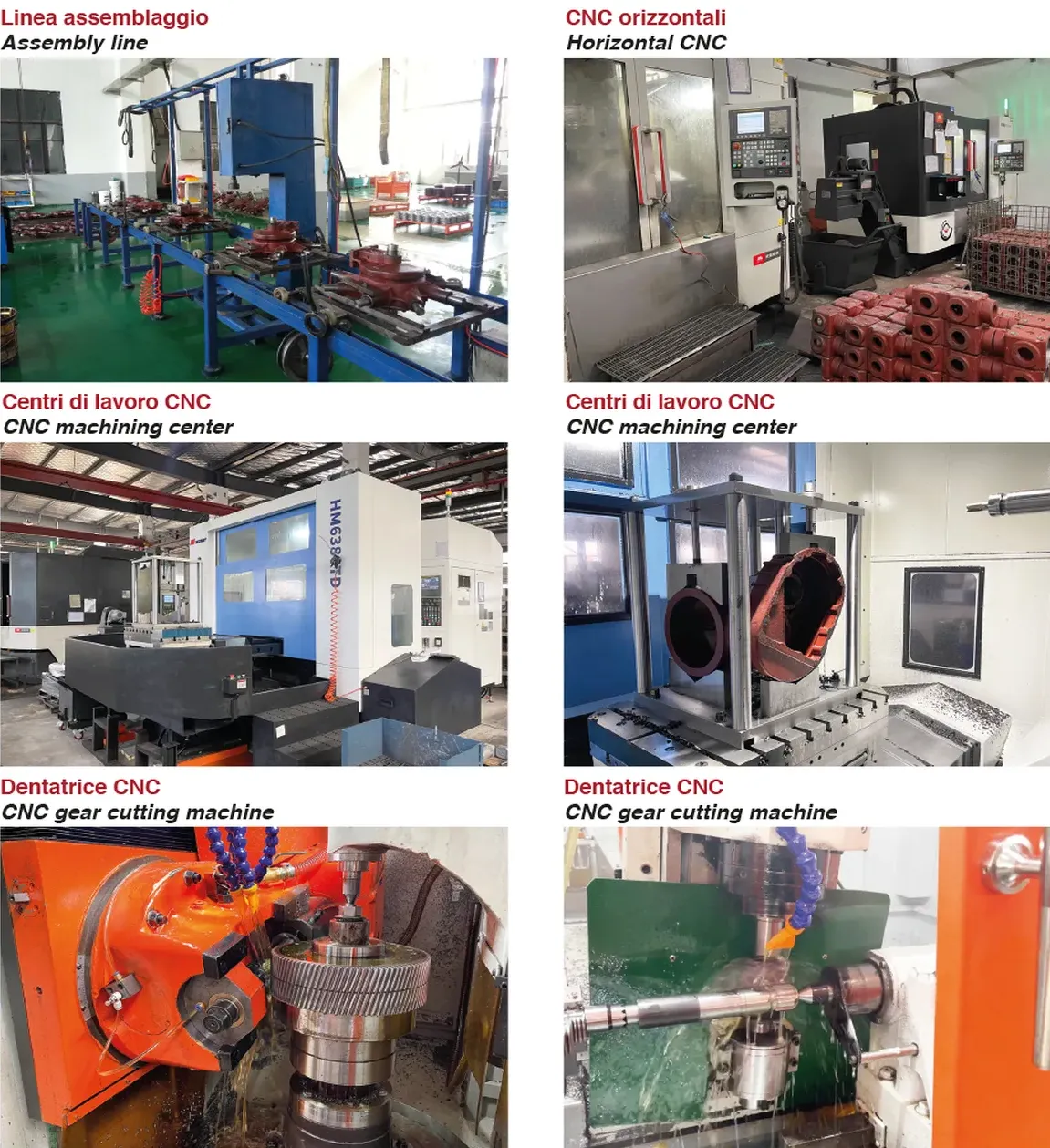
Working Principle of Corn Harvester Gearboxes
The core mechanism involves input from the tractor’s PTO shaft driving a pinion gear inside the housing. This engages a crown gear to achieve 90-degree power redirection, crucial for header orientation. Subsequent helical gears provide speed reduction, amplifying torque for the chopping knives.
Power flows through intermediate shafts supported by tapered roller bearings, rated for dynamic loads up to 50 kN per ISO 6336-5. Output connects to the header drive via splined shafts, ensuring zero backlash during high-speed rotation up to 300 RPM.
In operation, hydraulic actuation may engage multi-plate clutches for smooth starts, preventing abrupt torque spikes that could damage corn stalks or machinery. This principle supports applications in both self-propelled and pull-type harvesters.
Monitoring via integrated sensors detects overloads, triggering safety disengagement per AGMA standards. For those researching high-quality agricultural PTO gearboxes, understanding this flow aids in selecting models for specific corn varieties like dent or flint.
Efficiency peaks at 95% under nominal loads, with heat dissipation fins maintaining temperatures below 70°C. Regular inspection of gear mesh alignment ensures longevity in abrasive environments.
- PTO input engages pinion for initial reduction.
- Bevel pair redirects power to output shaft.
- Final gears multiply torque for header drive.
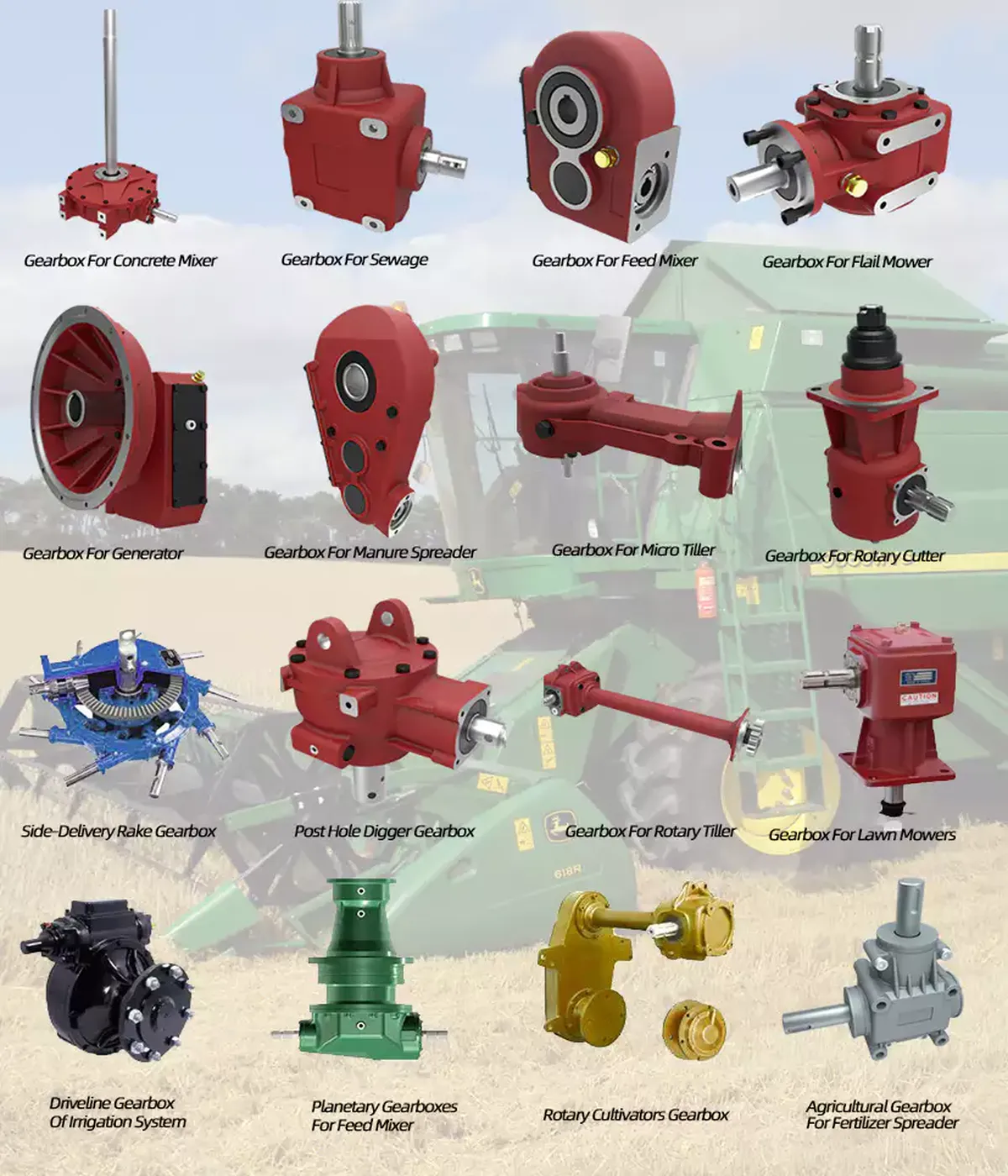
Application Cases in Major Regions
In Argentina, corn harvester gearboxes power machines navigating the Pampas region’s vast fields, where high-yield maize cultivation demands robust torque for 12-row headers. Local farmers integrate these with Case IH models to handle wet soils post-rain, reducing harvest time by 25% compared to older systems. Compliance with Argentine agricultural standards ensures safe operation amid variable weather.
Brazilian operations in Mato Grosso utilize gearboxes for no-till corn harvesting on latosol soils, emphasizing heat-resistant designs to prevent oil degradation in tropical conditions. Paired with John Deere combines, they support direct planting methods, boosting yields while adhering to Brazil’s environmental regulations on machinery emissions.
In the United States’ Corn Belt, such as Iowa, these components drive New Holland harvesters through dense stalks, with shock load capacity handling debris impacts. Farmers benefit from modular designs for quick swaps, aligning with USDA guidelines for equipment efficiency in large-scale production.
European applications in France focus on precision harvesting for silage corn, where gearboxes with low-noise profiles meet EU noise directives. Integrated with Claas machines, they enable 24-hour operations, supporting sustainable farming practices under Common Agricultural Policy rules.
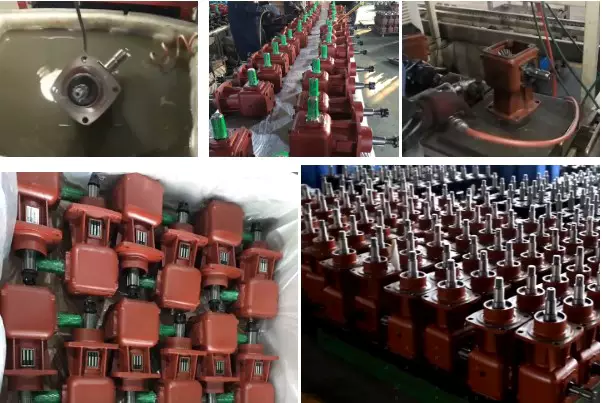
Why Choose Our Corn Harvester Gearboxes
Selecting our gearboxes means accessing proven reliability backed by 19 years of manufacturing expertise. We prioritize E-E-A-T principles, drawing from real-world testing in high-volume corn regions to deliver components that exceed ISO standards. Buyers appreciate the seamless compatibility and extended warranties, reducing total ownership costs by up to 18%.
Our engineering team incorporates feedback from global users, ensuring designs address specific pain points like vibration in uneven fields. For procurement decisions, explore options that match your corn harvesting equipment gearbox needs with precise specs.
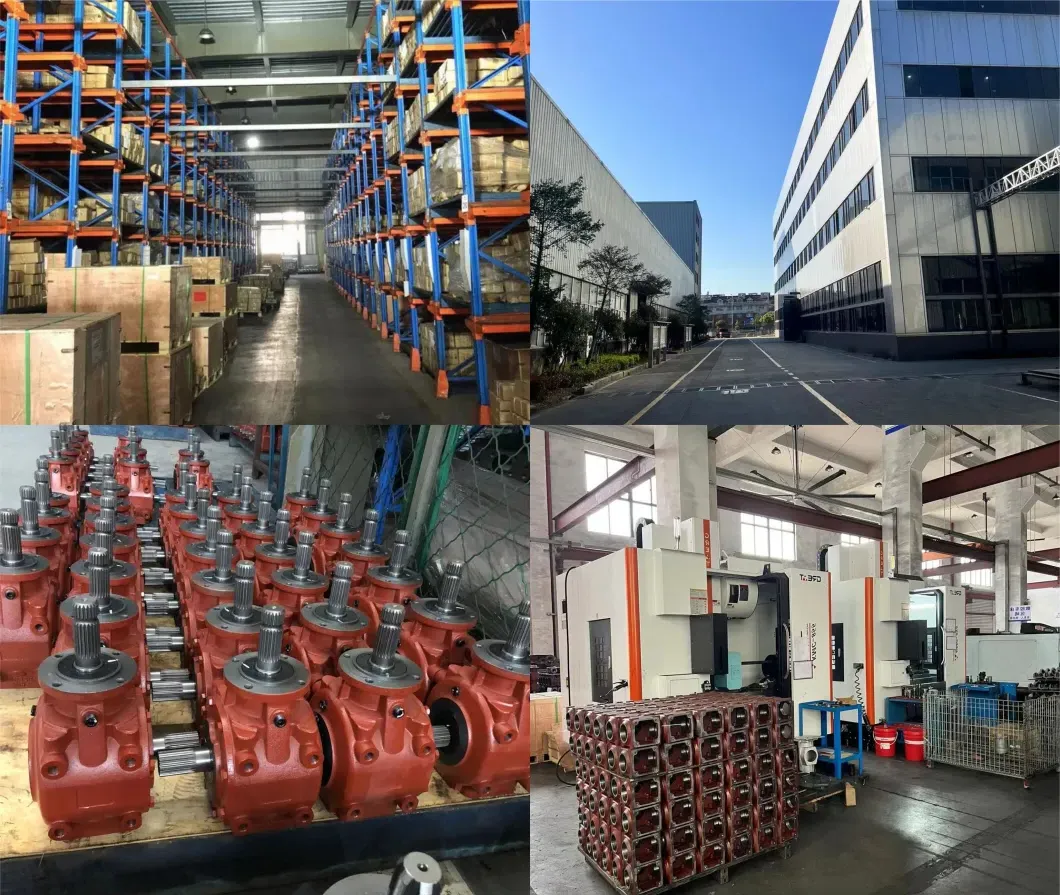
Specifications Table: Torque and Power Parameters
| المعلمة | Description | Value | Standard |
|---|---|---|---|
| Torque Range | Rated and peak values with overload factor | Rated: 1200 Nm / Peak: 1850 Nm | AGMA 2001-D04 |
| Power Range | Input at 540/1000 RPM | 35-120 HP (26-90 kW) | ISO 14396 |
| Gear Ratio | Nominal and tolerance | 1:1.46 (Reducer) / ±2% | – |
Specifications Table: Material and Lubrication Details
| المعلمة | Description | Value | Standard |
|---|---|---|---|
| مادة | Steel grade and heat treatment | 20CrMnTi (AISI 5120), Carburized Case | ISO 6336-5 |
| Lubrication | Type and interval | 80W90 GL-5 Oil, 500 Hours | – |
| Temperature Range | Operating limits | -20°C to 80°C | – |
Specifications Table: Dimensions and Interfaces
| المعلمة | Description | Value | Standard |
|---|---|---|---|
| RPM Range | Input/Output limits | Input: 540/1000 RPM | DIN 9611 |
| Dimensions | Overall size | 300 x 250 x 200 mm | – |
| Interface | Shaft and flange | 1-3/8″ Z6 Spline | ANSI B92.1 |
Compatibility and Replacement Options
| Compatible Equipment | Replacement For | Matching Specs |
|---|---|---|
| John Deere 9670 STS | Comer T-300 Series | 1:2.5 Ratio, 150mm Flange |
| Case IH 2162 | Bondioli S Series | 1200 Nm Torque, Z6 Spline |
| New Holland CR9.90 | Weasler 55° Gearbox | 540 RPM Input, IP65 Rating |
Industry Standards Compliance
Our corn harvester gearboxes conform to AGMA 2001-D04 for gear accuracy, ensuring meshing precision within 0.05 mm tolerance. This standard verifies load distribution across teeth, vital for high-speed chopping without fatigue failure.
ISO 14396 certification covers power rating tests, confirming 90 kW transmission without efficiency drops below 92%. In regions like Argentina, adherence to SENASA agricultural machinery regulations mandates these standards for import and use.
DIN 9611 governs shaft tolerances, with our splines machined to 0.02 mm accuracy for vibration-free operation. For Brazil, compliance with INMETRO norms includes noise levels under 88 dB, promoting operator safety in large-scale farms.
EU markets require RoHS compliance for materials, avoiding hazardous substances in lubricants and coatings. US operations follow OSHA guidelines, with overload protections rated for 2x service factor.
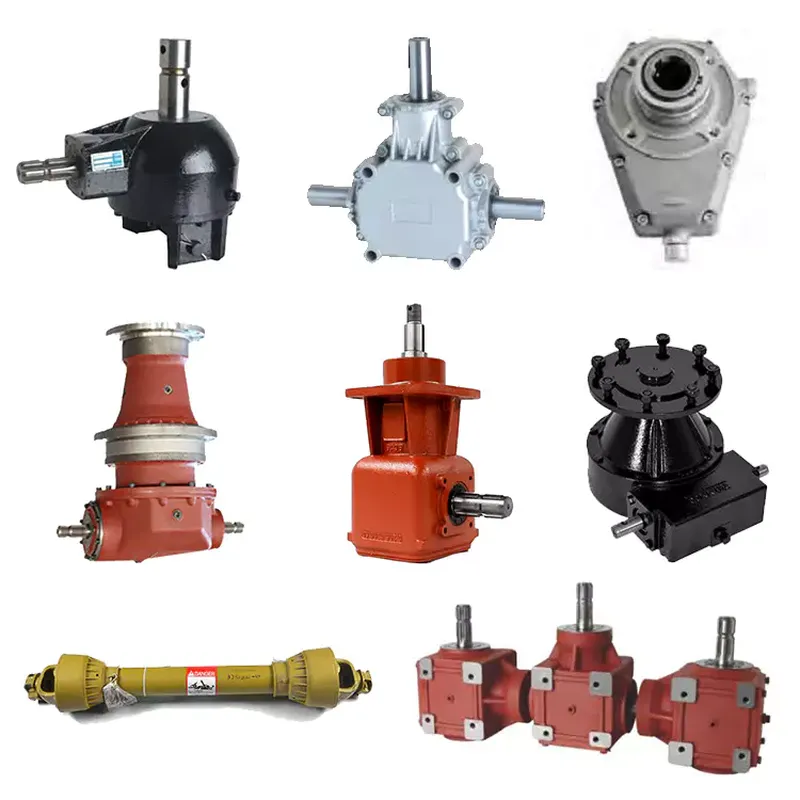
Selection Guide for Corn Harvester Gearboxes
- Assess tractor HP: Choose models rated 20% above max output for safety margins.
- Match row width: 6-12 row headers need ratios 1:2.0+ for adequate torque.
- Consider soil type: Sticky clays require enhanced sealing to prevent ingress.
Start by verifying PTO compatibility, then calculate required torque using field speed and crop density data. Opt for units with L10 bearing life over 10,000 hours for minimal downtime.
In Argentina, select models certified under Resolution 945/2013 for machinery safety, ensuring alignment with local harvest practices.
Installation Steps
- Align PTO shaft with input spline, securing with shear bolt to 50 Nm torque.
- Mount gearbox to header frame using 4 M12 bolts at 80 Nm, checking levelness.
- Fill with 1.5 L of SAE 80W-90 oil, then test at idle for leaks.
- Connect to hydraulic lines if equipped, pressurizing to 150 bar.
- Run field test at 540 RPM, monitoring temperature rise under load.
Frequently Asked Questions (FAQ)
What is the typical service life of a corn harvester gearbox under heavy use?
With proper lubrication and maintenance, expect 4000-6000 hours of operation before major overhaul. Factors like dust exposure in Argentine fields can reduce this by 10-15% if seals fail, so annual inspections are recommended per manufacturer guidelines.
How do I select the right gear ratio for my corn harvesting setup?
Calculate based on PTO speed and desired header RPM: for 540 RPM input and 200 RPM output, a 1:2.7 ratio works well. Consult torque charts for your crop density; in Brazil’s high-yield areas, opt for higher ratios to handle thicker stalks without stalling.
Are these gearboxes compatible with international PTO standards?
Yes, they support 1-3/8″ Z6 and 1-3/4″ Z20 splines per ANSI B92.1. For European or Argentine machines, verify flange patterns match SAE or Euro standards to avoid alignment issues during installation.
What maintenance is required to prevent failures in dusty corn fields?
Change oil every 500 hours using GL-5 rated lubricants, and clean vents to maintain IP65 protection. In regions like the US Corn Belt, check shear bolts daily for wear from debris, replacing if elongated beyond 0.5 mm.
Can these gearboxes handle variable speed PTO inputs?
Absolutely, designed for 540/1000 RPM economy/standard speeds per ISO 500. In French silage operations, they adapt via multi-speed selectors, ensuring consistent torque across varying field conditions without overheating.
Common Errors in Selection and Risks
Undersizing torque capacity leads to premature gear tooth fracture under peak loads exceeding 1500 Nm. Always factor in 1.5x overload for corn debris impacts, as per AGMA guidelines, to avoid costly header downtime.
Ignoring compatibility with PTO spline sizes causes misalignment, resulting in vibration that shortens bearing life by 30%. Verify Z6 vs. Z20 before purchase to ensure fit on models like Argentine-localized combines.
Neglecting lubrication specs invites seal hardening in hot climates, like Brazil’s, leading to contamination and efficiency loss down to 80%. Use only specified viscosities to maintain hydraulic integrity.
Knowledge Graph Navigation
Related topics: PTO Shafts | Bevel Gears | Combine Harvesters | Torque Converters.
Broader context: Agricultural Transmission Systems. Narrower: Corn Header Drives.