
Product Description
Agricultural Machinery Gearbox Agriculture Tractor Machinery Parts 90 Degree Angle Pto Gearbox Worm Gear Speed Reducer
Variety Materials AvailableAlloy steel, Casting, die casting, Aluminum,Brass, Zinc alloy, POM, plastic, Stainless steel, Iron, or per
your demand.Machining ProcessingForging/casting; Turning;Broaching;Teeth hobbing; Teeth burnishing;Teeth slotting;Teeth grinding;
Heating treatment; Grinding; Assembly; Testing.Heat Treatmentcarbonitriding;carburization;nitridation; vacuum quenching;frequency
quenching;temperingSurface TreatmentBlackening;Oxidation;electrophoresis;Powder coating;phosphorizationInspectionISO9001-2015
Certification; 100% responsible for your orders.
1. High strength of gearbox, gears, and shafts, sturdy and durable
2. 2 metric output shaft bore diameters(Standard and Optional)
3. Optional backstop to prevent back driving. The backstop is not recommended for the gear ratio of 5
4. Double lips skeleton oil seal combines the functions of seal and dust-proof
5. Widely used in belt conveyor and pulley drive system
A 90 degree angle pto gearbox is a type of gearbox that is used to transmit power from a tractor’s PTO shaft to an implement that is located at a 90 degree angle to the tractor. This type of gearbox is commonly used with implements such as hay balers, mowers, and tillers.
The 90 degree angle pto gearbox typically has 2 shafts: an input shaft and an output shaft. The input shaft is connected to the tractor’s PTO shaft, and the output shaft is connected to the implement. The gears in the gearbox transmit power from the input shaft to the output shaft, and the 90 degree angle between the shafts allows the implement to be located at a 90 degree angle to the tractor.
90 degree angle pto gearboxes are available in various sizes and capacities. The gearbox size will depend on the power output of the tractor’s PTO shaft and the power requirements of the implement. The capacity of the gearbox will depend on the amount of torque that is required to operate the implement.
90 degree angle pto gearboxes are a valuable tool for farmers and other users of tractors. They allow users to operate a variety of implements at a 90 degree angle to the tractor, saving time and labor.
Here are some of the advantages of using a 90 degree angle pto gearbox:
- Increased productivity. A 90 degree angle pto gearbox can help you to increase your productivity by allowing you to operate multiple implements at the same time.
- Reduced labor costs. A 90 degree angle pto gearbox can help you to reduce your labor costs by allowing you to do more work with less people.
- Improved efficiency. A 90 degree angle pto gearbox can help you to improve the efficiency of your operations by allowing you to use the power of the tractor more effectively.
If you are looking for a way to increase your productivity, reduce your labor costs, and improve the efficiency of your operations, then a 90 degree angle pto gearbox is a great option.
| Application: | Motor, Electric Cars, Agricultural Machinery, Car |
|---|---|
| Function: | Speed Reduction |
| Layout: | – |
| Hardness: | – |
| Installation: | – |
| Step: | – |
| Samples: | US$ 9999/Piece 1 Piece(Min.Order) | |
|---|
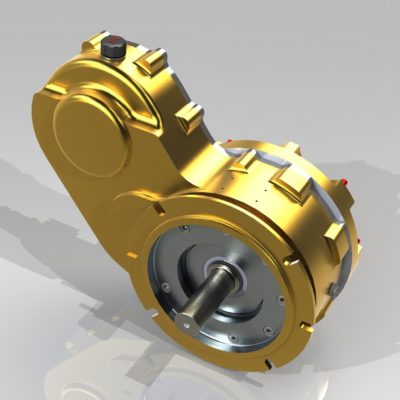
Proper Installation and Alignment of Miter Gearboxes
Installing and aligning a miter gearbox correctly is essential to ensure its optimal performance and longevity. Follow these steps to achieve proper installation and alignment:
- Preparation: Gather all necessary tools and equipment for the installation, including mounting hardware, shims, and alignment tools.
- Mounting Surface: Ensure that the mounting surface is clean, flat, and free from any debris or contaminants that could affect the gearbox’s alignment and operation.
- Alignment Tools: Use precision alignment tools, such as dial indicators or laser alignment systems, to accurately measure and adjust the alignment of the gearbox and its input and output shafts.
- Check for Parallelism: Align the input and output shafts of the gearbox to be parallel to each other and perpendicular to the mounting surface. This step is crucial to prevent misalignment-induced wear and reduce backlash.
- Adjustment: Use shims or other adjustable components to fine-tune the alignment. Make incremental adjustments while continuously checking the alignment with the chosen alignment tools.
- Bearing Loads: Ensure that the bearings supporting the gearbox shafts are properly lubricated and preloaded according to the manufacturer’s recommendations. Proper bearing preload helps maintain alignment and reduces wear.
- Tightening Bolts: Tighten the mounting bolts gradually and evenly to avoid introducing additional misalignment during the installation process.
- Runout and Clearance: Check for any runout or clearance issues during rotation by turning the input shaft. If there is any binding, interference, or abnormal noise, investigate and address the cause before finalizing the installation.
- Final Checks: Double-check the alignment using the alignment tools and ensure that the gearbox operates smoothly without any unusual vibrations, noises, or resistance.
- Documentation: Keep a record of the alignment measurements and adjustments made during the installation process. This documentation can be valuable for future reference and maintenance.
Proper installation and alignment of miter gearboxes help optimize their performance, minimize wear and tear, and contribute to the overall efficiency and reliability of the mechanical system in which they are used.
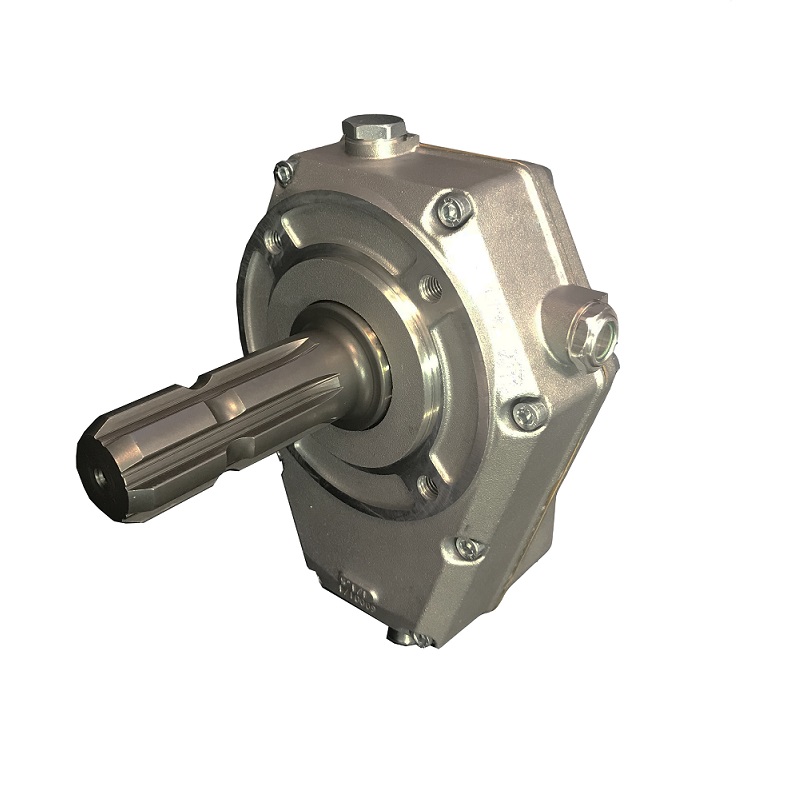
Miter Gearboxes in Automotive Applications, Especially Steering Systems
Miter gearboxes play a crucial role in automotive applications, particularly in steering systems, where they are utilized to change the direction of motion by 90 degrees. Here’s how miter gearboxes perform in automotive steering systems:
Steering Mechanism: In vehicles, the steering column provides the rotational motion, which needs to be transmitted to the wheels at a right angle for effective steering control. Miter gearboxes are integrated into the steering system to achieve this motion change.
Angular Change: The miter gearboxes take the rotational input from the steering column and transmit it through bevel gears placed at a 90-degree angle. This allows the motion to be directed towards the steering linkage and ultimately the wheels.
Precision and Accuracy: Automotive steering systems require precise and responsive motion control. Miter gearboxes ensure accurate transmission of motion, allowing drivers to have reliable and smooth steering control.
Compact Design: Miter gearboxes have a compact and space-saving design, making them suitable for installation within the limited space of a vehicle’s steering column.
Reduced Backlash: To ensure safety and responsiveness, miter gearboxes are designed to minimize backlash, which is crucial for maintaining accurate control over the vehicle’s direction.
Durability: Automotive applications demand durability and reliability. Miter gearboxes are designed to withstand the conditions and loads experienced in vehicles, ensuring long-lasting performance.
Miter gearboxes contribute to the efficient and effective operation of steering systems in vehicles, providing drivers with the control needed to navigate safely and comfortably.
Significance of the Angle Between Bevel Gears in a Miter Gearbox
The angle between bevel gears in a miter gearbox is of critical significance as it determines the direction of motion transmission and the type of mechanical arrangement that can be achieved.
In a miter gearbox, the angle between the bevel gears is typically set at 90 degrees. This means that the two intersecting shafts will rotate perpendicular to each other, allowing the transmission of motion from one shaft to another at a right angle.
The 90-degree angle between bevel gears is a fundamental feature that enables various applications where changes in motion direction are required within a compact space. This configuration allows for the redirection of rotational energy and torque, making it useful in applications such as changing the orientation of power flow, redirecting motion, and transmitting power around obstacles or corners.
It’s important to note that the angle between bevel gears can be customized to different values, but 90 degrees is the most common configuration in miter gearboxes due to its versatile and practical nature. The precise angle and arrangement of the bevel gears ensure efficient motion transmission while accommodating the specific requirements of the mechanical system in which the miter gearbox is used.


editor by CX 2023-10-08