
Produktbeschreibung
Agricultural pto gearbox machinery tractor speed increaser manufacturers suppliers rotary mower tiller brush hog mower Rotary Cultivators fertilizer spreader
Application of Agricultural pto gearbox
Agricultural PTO gearboxes are used to power a variety of agricultural implements, such as:
- Balers
- Hay mowers
- Hay rakes
- Plows
- Rollers
- Seeders
- Sprayers
- Swaders
- Tillers
- Trailers
- Water pumps
They are also used to power generators, which can be used to provide electricity for farm buildings or to power other equipment.
Agricultural PTO gearboxes are available in a variety of sizes and configurations to fit the needs of different tractors and implements. They are typically made of high-strength steel and are designed to withstand the harsh conditions of farm work.
Here are some of the benefits of using an agricultural PTO gearbox:
- Increased productivity: PTO gearboxes can help farmers to increase their productivity by allowing them to operate multiple implements at the same time.
- Improved efficiency: PTO gearboxes can help farmers to improve the efficiency of their operations by allowing them to use the power of their tractors more effectively.
- Reduced costs: PTO gearboxes can help farmers to reduce their costs by allowing them to use less fuel and by reducing the need for additional equipment.
If you are a farmer, then an agricultural PTO gearbox is a valuable tool that can help you to increase your productivity, improve your efficiency, and reduce your costs.
| Anwendung: | Motoren, Elektroautos, Motorräder, Maschinen, Schiffsmaschinen, Spielzeug, Landmaschinen, Autos |
|---|---|
| Funktion: | Distribution Power, Clutch, Change Drive Torque, Change Drive Direction, Speed Changing, Speed Reduction, Speed Increase |
| Layout: | Three-Ring |
| Härte: | Gehärtete Zahnoberfläche |
| Installation: | Torque Arm Type |
| Schritt: | Stepless |
| Proben: | US$ 9999/Piece 1 Stück (Mindestbestellmenge) | |
|---|
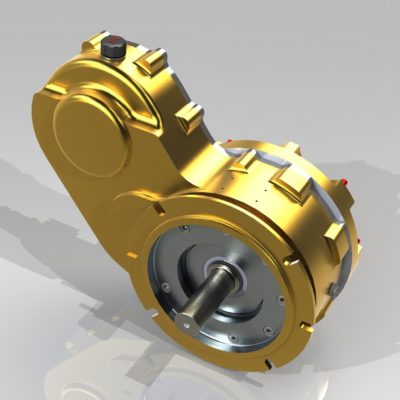
Korrekte Installation und Ausrichtung von Gehrungsgetrieben
Die korrekte Montage und Ausrichtung eines Gehrunggetriebes ist entscheidend für optimale Leistung und Langlebigkeit. Befolgen Sie diese Schritte für eine korrekte Montage und Ausrichtung:
- Vorbereitung: Stellen Sie alle für die Installation notwendigen Werkzeuge und Geräte bereit, einschließlich Befestigungsmaterial, Unterlegscheiben und Ausrichtungswerkzeuge.
- Montagefläche: Stellen Sie sicher, dass die Montagefläche sauber, eben und frei von jeglichen Verunreinigungen oder Fremdkörpern ist, die die Ausrichtung und Funktion des Getriebes beeinträchtigen könnten.
- Ausrichtungswerkzeuge: Verwenden Sie Präzisionsausrichtwerkzeuge wie Messuhren oder Laserausrichtsysteme, um die Ausrichtung des Getriebes und seiner Eingangs- und Ausgangswellen genau zu messen und einzustellen.
- Auf Parallelität prüfen: Richten Sie die Eingangs- und Ausgangswelle des Getriebes parallel zueinander und senkrecht zur Montagefläche aus. Dieser Schritt ist entscheidend, um durch Fehlausrichtung verursachten Verschleiß zu vermeiden und das Zahnflankenspiel zu reduzieren.
- Einstellung: Verwenden Sie Unterlegscheiben oder andere verstellbare Bauteile, um die Ausrichtung feinabzustimmen. Nehmen Sie schrittweise Anpassungen vor und überprüfen Sie die Ausrichtung kontinuierlich mit den gewählten Ausrichtungswerkzeugen.
- Lagerbelastungen: Stellen Sie sicher, dass die Lager der Getriebewellen ordnungsgemäß geschmiert und gemäß den Herstellervorgaben vorgespannt sind. Die korrekte Lagervorspannung trägt zur Ausrichtung bei und reduziert den Verschleiß.
- Schrauben festziehen: Ziehen Sie die Befestigungsschrauben schrittweise und gleichmäßig fest, um zusätzliche Fehlausrichtungen während des Montagevorgangs zu vermeiden.
- Auslauf und Freiraum: Prüfen Sie während der Rotation durch Drehen der Eingangswelle auf Rundlauf- oder Spielprobleme. Sollten Blockierungen, Störungen oder ungewöhnliche Geräusche auftreten, untersuchen und beheben Sie die Ursache, bevor Sie die Installation abschließen.
- Abschließende Überprüfungen: Überprüfen Sie die Ausrichtung mithilfe der Ausrichtungswerkzeuge und stellen Sie sicher, dass das Getriebe reibungslos und ohne ungewöhnliche Vibrationen, Geräusche oder Widerstände funktioniert.
- Dokumentation: Halten Sie die während der Installation vorgenommenen Ausrichtungsmessungen und -einstellungen fest. Diese Dokumentation kann für zukünftige Referenzzwecke und Wartungsarbeiten wertvoll sein.
Die fachgerechte Installation und Ausrichtung von Winkelgetrieben trägt dazu bei, deren Leistung zu optimieren, Verschleiß zu minimieren und die Gesamteffizienz und Zuverlässigkeit des mechanischen Systems, in dem sie eingesetzt werden, zu verbessern.
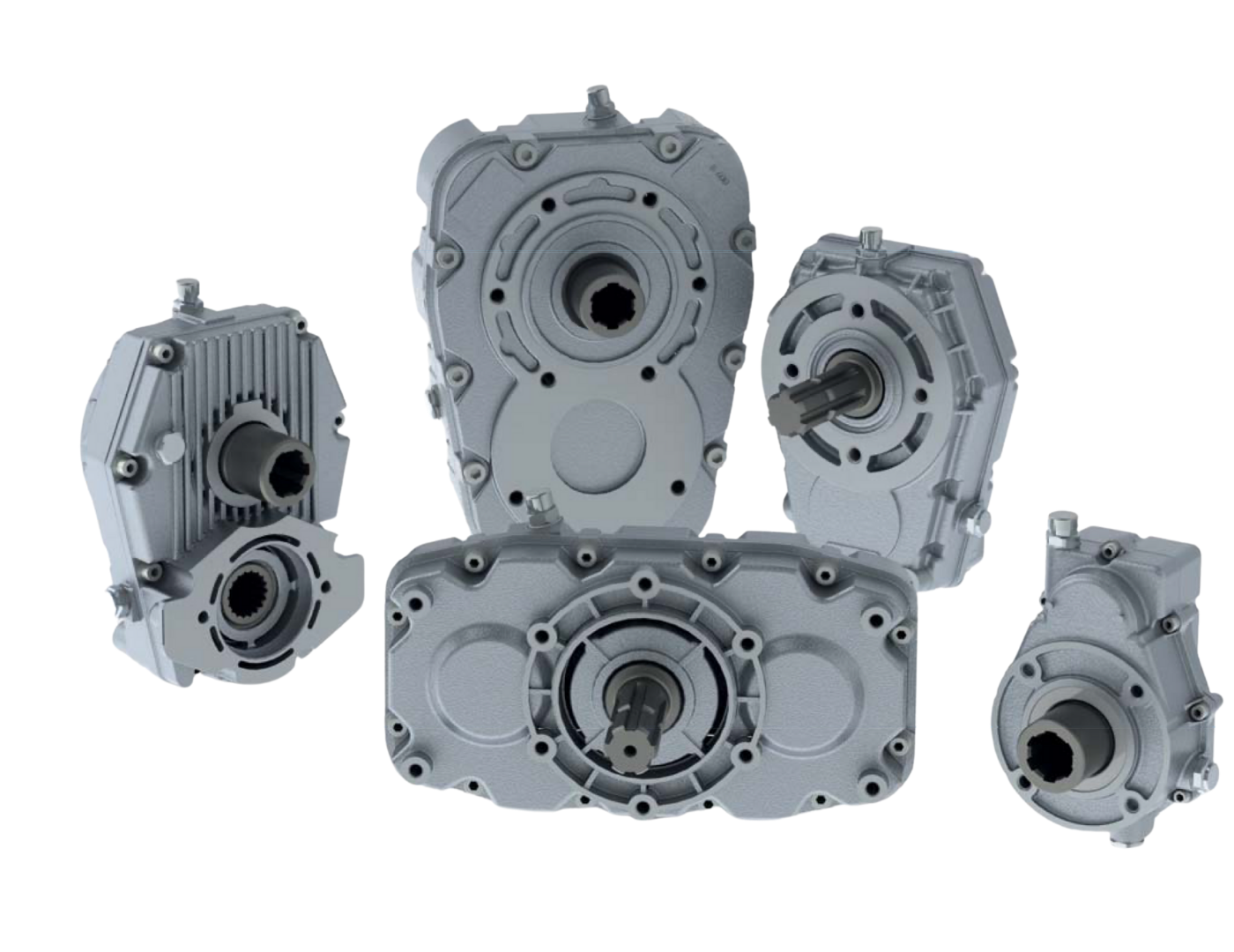
Miter Gearboxes in Robotics and Automation Applications
Miter gearboxes are indeed utilized in robotics and automation applications, leveraging their unique capabilities for precise motion control and direction change:
Precision Motion: In robotics, miter gearboxes can be employed to achieve precise and accurate motion at right angles, allowing robots to perform intricate tasks with accuracy.
Joint and Arm Movements: Robotic arms often require precise movement and control at various angles. Miter gearboxes enable smooth and controlled motion changes, contributing to the versatility of robotic arms.
Direction Change: Many automation systems involve the need to change the direction of motion, such as conveyors or assembly lines. Miter gearboxes efficiently handle these changes, ensuring seamless operation.
Space Optimization: Robots and automated systems often operate in confined spaces. Miter gearboxes’ compact design makes them suitable for integrating into space-constrained environments.
Responsive Control: Automation applications demand responsiveness and accurate control. Miter gearboxes provide the necessary motion control for timely and precise execution of tasks.
Noise Reduction: In robotics and automation, quiet operation is essential. Miter gearboxes, with reduced backlash and noise, contribute to a quieter working environment.
Miter gearboxes play a crucial role in enhancing the efficiency, accuracy, and versatility of robotics and automation systems by facilitating controlled motion changes and direction shifts.
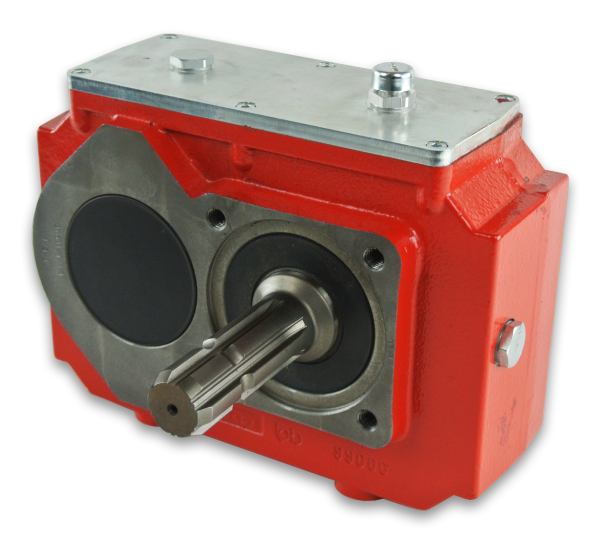
Miter Gearbox: Function and Mechanism
A miter gearbox, also known as a bevel gearbox or angle gearbox, is a type of gearbox that transmits power and changes the direction of rotational motion between intersecting shafts positioned at a 90-degree angle to each other. It consists of a set of bevel gears with intersecting axes.
The function of a miter gearbox in mechanical systems is to redirect the rotational motion of input shaft(s) to output shaft(s) at a right angle. This allows for power transmission and torque conversion between two shafts that are not aligned. Miter gearboxes are particularly useful when space constraints or specific mechanical configurations require a change in the direction of motion.
The working principle of a miter gearbox involves the meshing of bevel gears. Bevel gears have conically shaped teeth that enable them to mesh smoothly at a 90-degree angle. When the input shaft rotates, the teeth of the input bevel gear engage with the teeth of the output bevel gear, causing the output shaft to rotate perpendicularly to the input shaft. The gear ratio and number of teeth on the gears determine the speed and torque conversion between the input and output shafts.
Miter gearboxes find applications in various industries, such as automotive, machinery, agriculture, and robotics, where changes in motion direction are required. They are often used in equipment that needs to transmit power around corners or in tight spaces while maintaining the desired torque and speed characteristics.


editor by CX 2023-09-04