
Vertical TMR mixer gearboxes deliver consistent torque and speed reduction to vertical augers, ensuring uniform mixing of forages, grains, and supplements in total mixed rations. These units handle high-density loads in cattle feed preparation, supporting dairy and beef producers who require precise nutrient distribution for animal health and productivity. In Argentina’s intensive livestock systems, the gearbox adapts to variable forage qualities across seasons, maintaining mixing efficiency under continuous duty cycles.
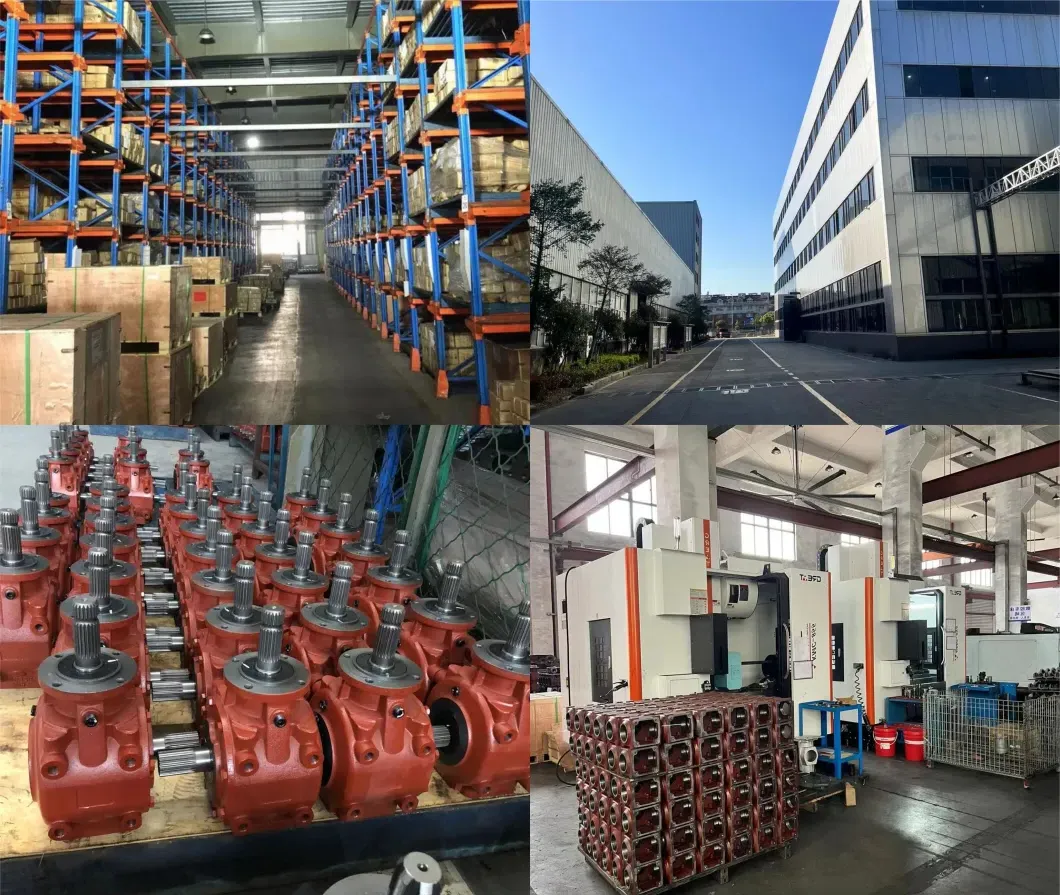
Core Advantages and Application in Vertical TMR Mixers
Vertical TMR mixers rely on planetary or bevel-helical gearboxes mounted at the top or bottom to drive the central auger. The gearbox converts tractor PTO input (typically 540 rpm) to low-speed, high-torque output (18–35 rpm), enabling thorough blending without excessive power draw or heat buildup. Key advantages include overload protection via integrated slip clutches or shear bolts, preventing damage during dense forage loading, and sealed construction that resists dust and moisture ingress common in feedlot environments.
In Argentine beef production, these gearboxes support year-round feeding programs in provinces like Buenos Aires, Córdoba, Santa Fe, La Pampa, and Entre Ríos, where cattle operations mix silage, hay, and concentrates to maintain weight gain during dry winters or wet summers. The design minimizes vibration transfer to the mixer frame, extending bearing life and reducing maintenance intervals. Operators benefit from smooth startup under partial loads, critical when loading uneven batches of alfalfa or corn silage harvested in Pampas regions.
Durability stems from case-hardened gears and heavy-duty cast iron housings that withstand shock loads from frozen chunks or foreign objects. Planetary configurations distribute torque across multiple planet gears, achieving service factors above 1.5 for intermittent peak demands. This reliability translates to fewer breakdowns during peak feeding seasons, when mixers operate up to 8 hours daily across large feedlots.
Technical Specifications Overview
| پارامتر | Value/Range | Notes/Standards |
|---|---|---|
| Rated Torque (Nm) | 2500–4200 | Continuous operation at 540 rpm input |
| Peak Torque (Nm) | 5200–7800 | Short-term overload capacity |
| Gear Ratio Range | 20:1 to 35:1 | Customizable for auger speed |
| Input Speed (rpm) | 540 / 1000 | Standard PTO configurations |
| Output Speed (rpm) | 18–35 | Optimized for vertical auger mixing |
| Input Shaft | 1-3/8″ Z6 spline | ASABE compatible |
| Output Shaft | Ø60–80 mm keyed | Heavy-duty connection to auger |
| Lubrication Method | Oil bath / grease packed | VG220 or equivalent |
| Oil Capacity (L) | 4.5–7.2 | Depending on model size |
| رتبهبندی IP | IP65 | Dust and water jet protection |
| Operating Temperature (°C) | -20 to +80 | Ambient range |
| جنس بدنه | QT450 ductile iron | High impact resistance |
| Gear Material | 20CrMnTi carburized | HRC 58–62 surface hardness |
| Bearing Type | Tapered roller / deep groove | L10 life >10,000 h |
| نوع نصب | Flange / foot | Vertical orientation |
| وزن (کیلوگرم) | 85–145 | Model dependent |
| Noise Level (dB) | <78 | At rated load |
| Service Factor | 1.5–2.0 | AGMA 2001-D04 |
| Efficiency (%) | 94–97 | Full load condition |
| Backlash (arcmin) | <25 | Planetary design |
| Overload Protection | Slip clutch optional | Adjustable torque limit |
| Seal Type | Double lip NBR | Long-term retention |
| Compliance | ISO 6336, DIN 3990 | Gear strength calculation |
These parameters reflect real-world demands in TMR applications, where gearboxes endure cyclic loading from variable feed densities. Planetary arrangements excel in torque density, allowing compact designs suitable for trailer-mounted or stationary mixers common in Argentine feedlots.
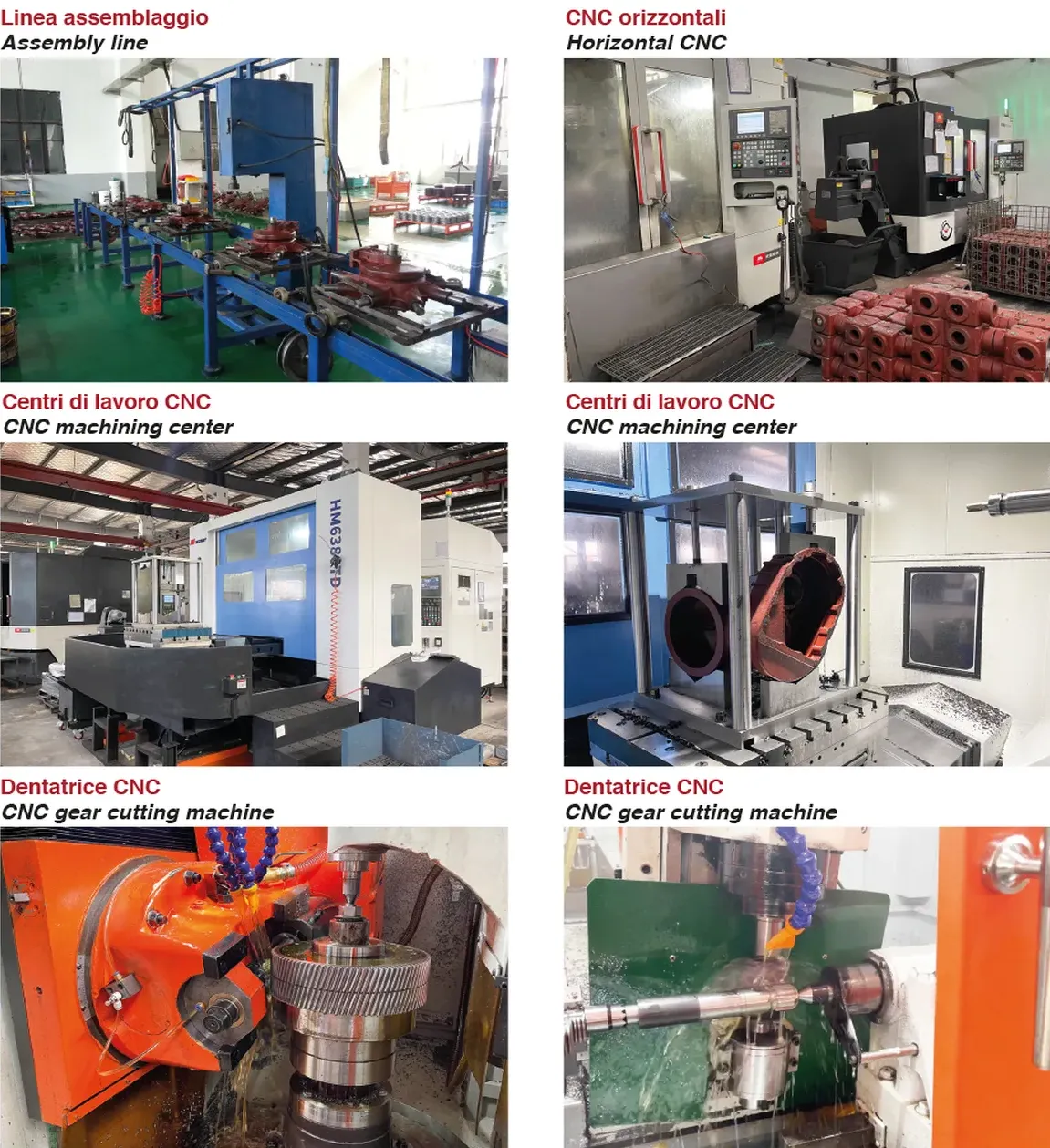
Argentina Extreme Operating Conditions Field Study
Argentina’s beef cattle sector concentrates in the humid Pampas and semi-arid regions, where vertical TMR mixers process diverse forages including alfalfa hay, corn silage, sorghum, and grain supplements. In Buenos Aires province, winter feed mixing occurs under damp conditions with temperatures dropping to 5°C, increasing material stickiness and auger resistance. Córdoba and Santa Fe experience hot summers exceeding 35°C, accelerating oil viscosity changes and demanding robust thermal stability from the gearbox.
La Pampa’s drier climate introduces dust ingress risks during dry-season mixing, while Entre Ríos sees higher humidity that promotes condensation inside housings if breathers are inadequate. Gearboxes must maintain sealing integrity across these variations, with oil bath systems retaining lubricant despite temperature swings of 50°C annually. Local producers prioritize units with large surface area cooling fins to dissipate heat generated during 6–10 batch mixes per day in large operations.
Regulatory landscape includes IRAM certification for mechanical safety aspects under voluntary standards aligned with ISO 4254 series for agricultural machinery. INTA guidelines emphasize safe PTO operation and overload protection to prevent accidents in feed preparation. Neighboring Uruguay and Brazil follow similar IRAM/IEC-based requirements, facilitating regional trade of compatible components. Compliance ensures gearboxes meet basic guarding and durability expectations in cattle operations.
Working Principle and Functional Role in TMR Mixing
The gearbox mounts vertically above or below the mixing chamber, receiving power via PTO shaft to the input pinion. Planetary gear trains or bevel-helical stages reduce speed while multiplying torque to rotate the central auger. The auger conveys material upward along its flights, then cascades it downward, creating a triple mixing action that homogenizes rations in 3–8 minutes depending on batch size.
Input torque transfers through sun gear to planet carriers, distributing load evenly for minimal wear. Output shaft connects directly to the auger via keyed or splined interface, ensuring positive drive without slippage. Integrated thrust bearings absorb axial forces from auger lifting heavy feeds. This configuration delivers consistent RPM regardless of load fluctuations, critical for achieving uniform particle size and nutrient distribution in TMR diets.
Maintenance access points allow inspection of gear condition and oil level without disassembly. Breathers with desiccant filters prevent moisture buildup in humid Argentine summers. The system withstands shock from occasional metal contaminants or frozen silage, thanks to high service factor gearing and overload devices.
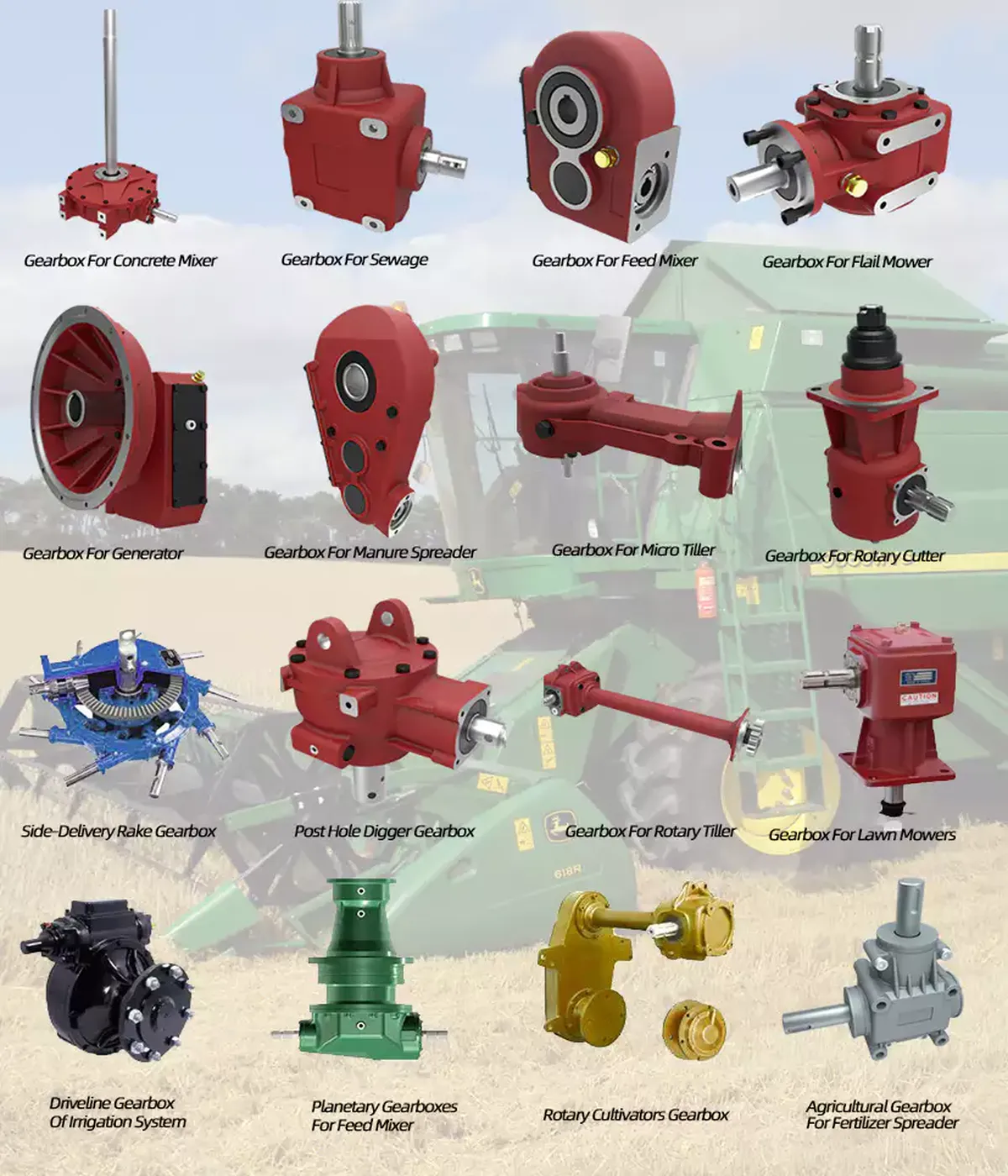
Why Choose Our Vertical TMR Mixer Gearbox
Engineers designed these units with input from Latin American feedlot operators facing high-volume mixing demands. Planetary gear arrangements provide superior torque density compared to traditional worm drives, reducing overall weight by 15–20% while increasing load capacity. Carburized gears achieve surface hardness levels that extend pitting resistance under abrasive feed conditions.
Field testing in Córdoba province showed 12,000+ hours of operation before major service in continuous dairy feeding programs. Overload protection settings adjust to match auger size and feed type, preventing premature failure. Compatibility with standard PTO yokes and mounting patterns simplifies replacement on popular mixer brands without frame modifications.
One-stop sourcing includes matched PTO shafts with shear protection and extension yokes, chain drives for discharge conveyors, and hydraulic components for door operation. System integration reduces downtime and ensures warranty coverage across components. Explore compatible transmission solutions for your mixing setup.
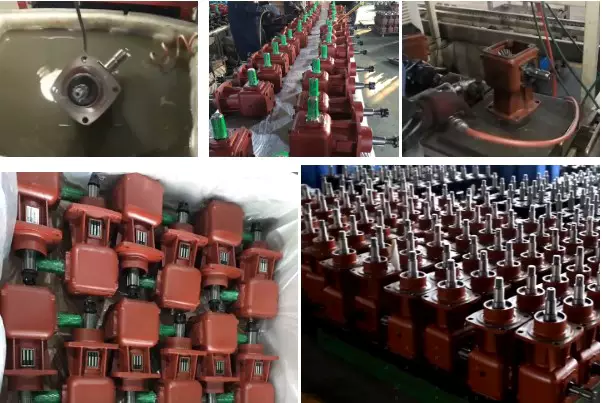
Real-World Application Cases
In Buenos Aires province near Pergamino, a 1,200-head feedlot replaced original gearboxes on two vertical mixers after repeated seal failures during winter silage mixing. The upgraded planetary unit operated through two seasons with zero lubricant loss, mixing 12–15 tons daily without temperature spikes above 65°C. Operator noted smoother auger engagement reduced vibration-related bolt loosening.
A dairy operation in Santa Fe province scaled to 800 milking cows using TMR mixers for precise ration control. Gearbox selection focused on high ratio models to handle dense alfalfa-grass blends. After 18 months, maintenance logs showed bearing replacements delayed by 40% compared to previous units, attributing gains to improved load distribution.
In La Pampa’s semi-arid zone around General Pico, a beef finishing enterprise processes sorghum silage and grain during dry periods. Dust ingress previously shortened service life; sealed design with positive pressure venting maintained internal cleanliness. Mixing consistency improved weight gain rates by 0.15 kg/day across 600 steers.
Compatible Replacement References
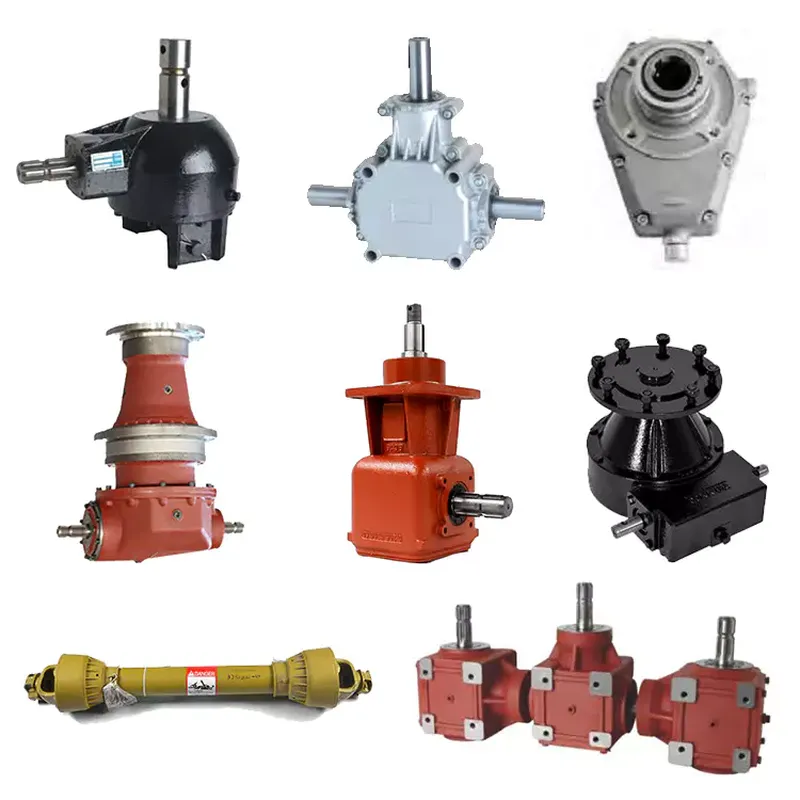
These gearboxes serve as drop-in replacements for common vertical TMR mixer drivetrains found on equipment from regional suppliers and imported models. Matching flange patterns, shaft diameters, and mounting hole circles ensure seamless installation. (Note: References to specific models are for selection convenience only and do not imply any affiliation or infringement.)
- Planetary units compatible with 20–35:1 ratio configurations in 8–20 m³ mixers
- Bevel-helical alternatives for lower horsepower tractors (45–90 HP)
- High-torque variants for larger 25+ m³ stationary installations
Cross-reference charts detail exact dimensional matches for output shafts and input splines. Contact for detailed compatibility verification.
سوالات متداول
What input speed should I select for Argentine tractors?
Most local tractors operate at 540 rpm PTO; select models rated for both 540 and 1000 rpm if future upgrades are planned. Verify tractor manual for continuous duty rating.
How often should gearbox oil be changed in dusty Pampas conditions?
Initial change after 100 hours, then every 500–800 hours or annually. Use high-quality GL-5 80W-90 gear oil; inspect breather and seals during service.
Can these gearboxes handle high-silage rations?
Yes, planetary designs distribute load across multiple gears, handling dense, sticky materials without excessive heat or wear. Service factor >1.5 accommodates variable loads.
What overload protection is recommended?
Adjustable slip clutch on input shaft prevents damage from foreign objects or overloads. Set torque limit 20% above normal operating level for protection without frequent tripping.
Are IRAM requirements applicable to these gearboxes?
While voluntary for mechanical components, alignment with ISO safety standards and IRAM electrical/mechanical guidelines supports compliance in Argentine operations.