
Self-propelled tomato harvesters rely on robust gearboxes to handle the demands of picking, sorting, and conveying ripe tomatoes across vast fields. These machines operate in challenging conditions, such as uneven terrain and high dust levels, where gearboxes must deliver consistent power transfer from the engine to various components like conveyor belts and shaking mechanisms. In Argentina, where tomato production spans regions like Mendoza and San Juan, gearboxes ensure minimal downtime during peak harvest seasons from December to March, boosting overall productivity by up to 25% compared to manual methods.
The core advantage lies in their ability to manage variable loads, with torque outputs ranging from 800 Nm to 2500 Nm, allowing harvesters to navigate soft soils without stalling. For B2B buyers seeking durable components, these gearboxes integrate seamlessly with PTO systems, reducing fuel consumption by optimizing speed ratios. This makes them ideal for large-scale operations in Argentina’s tomato belts, where machines like those from local adaptations of international designs process thousands of tons annually.
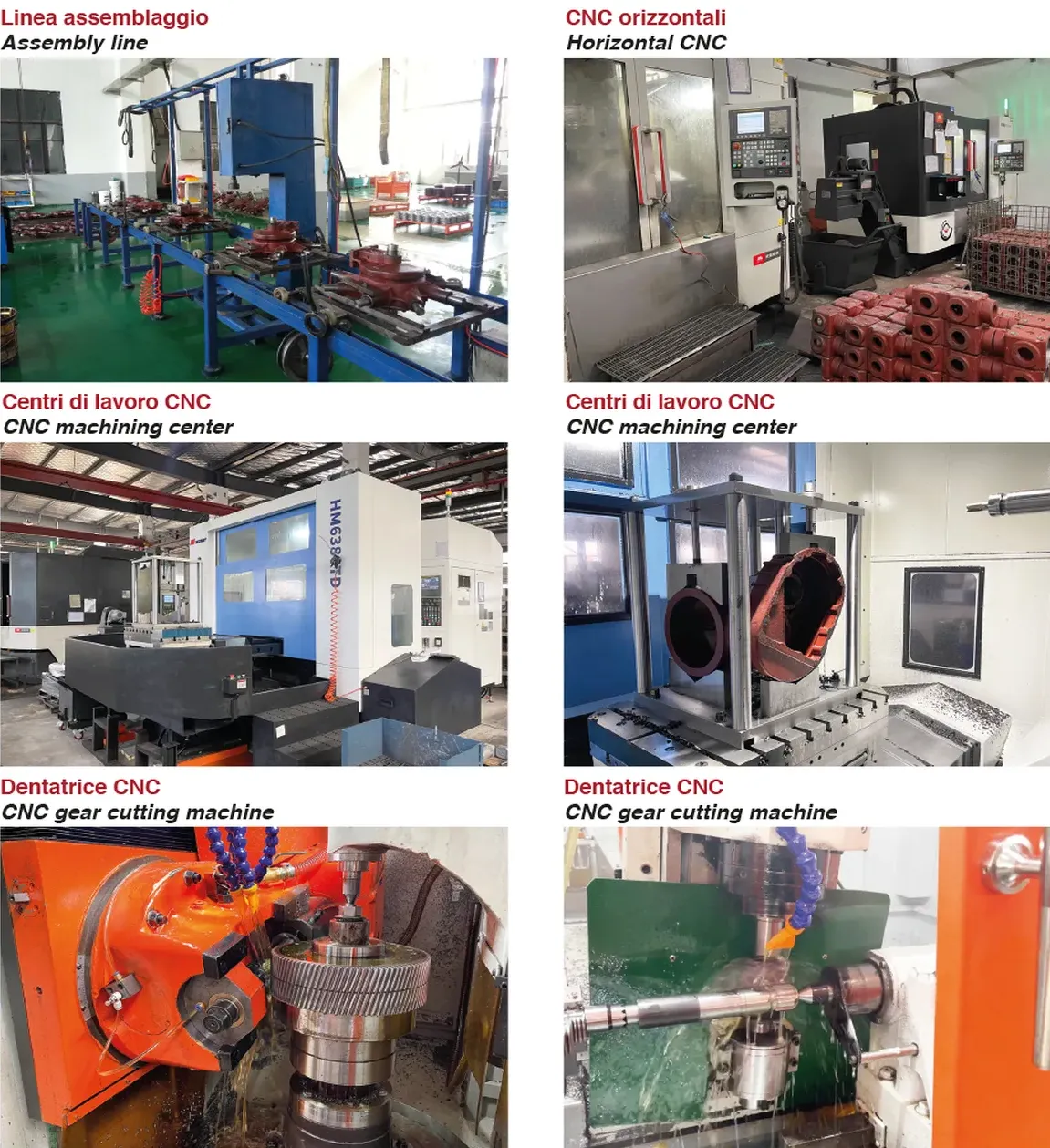
Technical Parameters for Tomato Harvester Gearboxes
Gearboxes in self-propelled tomato harvesters must meet precise specifications to withstand continuous operation. Rated torque capacity reaches 1200 Nm, with peak values up to 1800 Nm under overload conditions. Speed ratio ranges from 1:1.5 to 1:3.2, enabling efficient power distribution to harvesting arms. Input shaft diameter is typically 35 mm, with output shaft at 40 mm, both featuring 6-spline connections compliant with ISO 500 standards.
Lubrication uses synthetic oil with VG 220 viscosity, requiring changes every 500 hours. Protection rating is IP65, guarding against dust and water ingress in field environments. Operating temperature spans -10°C to 80°C, suitable for Argentina’s variable climates. Materials follow AGMA Class 10, with gears made from 20CrMnTi steel hardened to 58-62 HRC. Fatigue life exceeds 10,000 hours at nominal load.
Vibration threshold is limited to 2.5 mm/s, ensuring smooth performance. Mounting interfaces include 4-bolt flanges with 120 mm bolt circle diameter. Efficiency is 95%, minimizing energy loss. Backlash is under 10 arc minutes for precise control. Weight averages 45 kg, with dimensions 300x250x200 mm. Noise level stays below 75 dB. Bearing life is 15,000 hours L10. Seal type is double lip nitrile rubber.
Service factor is 1.5, accounting for intermittent shocks from uneven vines. Input RPM max is 1000, output 540. Gear modulus is 4, tooth pressure angle 20 degrees. Housing material is ductile iron QT450. Oil capacity 2.5 liters. Thermal rating 25 kW. Corrosion resistance via epoxy coating. Shaft material 42CrMo. These parameters ensure reliability in demanding harvests.
| Parameter | Value |
|---|---|
| Torque Capacity (Nm) | Rated 1200, Peak 1800 |
| Speed Ratio Range | 1:1.5 to 1:3.2 |
| Input/Output Shaft Specs | Input 35mm 6-spline, Output 40mm |
| Lubrication Method | Splash with VG 220 oil |
| Protection Rating | IP65 |
| Operating Temperature (°C) | -10 to 80 |
| Material Standards | AGMA Class 10, ISO 6336 |
| Fatigue Life (Hours) | 10,000+ |
| Vibration Threshold (mm/s) | 2.5 |
| Mounting Interface | 4-bolt flange, 120mm BCD |
| Efficiency (%) | 95 |
| Backlash (Arc Min) | <10 |
| Weight (kg) | 45 |
| Dimensions (mm) | 300x250x200 |
| Noise Level (dB) | <75 |
| Bearing Life (Hours L10) | 15,000 |
| Seal Type | Double lip nitrile |
| Service Factor | 1.5 |
| Input RPM Max | 1000 |
| Output RPM | 540 |
| Gear Modulus | 4 |
| Tooth Pressure Angle (Degrees) | 20 |
| Housing Material | Ductile iron QT450 |
| Oil Capacity (Liters) | 2.5 |
| Thermal Rating (kW) | 25 |
| Corrosion Resistance | Epoxy coated |
| Shaft Material | 42CrMo |
| Hardness (HRC) | 58-62 |
| Oil Change Interval (Hours) | 500 |
| Spline Standard | ISO 500 |
These specs support buyers searching for “reliable gearbox for tomato harvester in Mendoza” by providing exact data for integration.
Working Principle and Key Functions in Tomato Harvesters
In self-propelled tomato harvesters, the gearbox sits at the heart of the drive system, converting engine power into controlled motion for harvesting components. It starts with input from the PTO shaft, where spiral bevel gears redirect power 90 degrees to align with the machine’s layout. This setup allows for torque multiplication, essential for driving the vine lifters and shakers that dislodge tomatoes without damaging plants.
The principle involves multi-stage reduction: first, a primary gear pair lowers RPM from 1000 to 540, then secondary helical gears fine-tune output for conveyor speed. This ensures gentle handling, with vibration levels under 2.5 mm/s to prevent bruising fruit. In Argentine fields, where rows are 1.5 meters apart, the gearbox enables precise speed matching to ground velocity of 2-4 km/h.
Key functions include power splitting to multiple outputs, like one for the header and another for sorting belts. Overload protection via shear pins prevents damage from vine jams. For operators procuring “tomato harvester transmission parts in San Juan”, this design reduces maintenance intervals to 500 hours, extending machine life in dusty conditions.
Positioned between the engine and axles, the gearbox also handles differential locking for better traction on wet soil. Its enclosed housing with oil bath lubrication maintains performance during long shifts, up to 12 hours daily during harvest. This integration supports efficient operations, cutting labor costs by 30% in large farms.
Overall, the working mechanism focuses on durability, with materials resisting corrosion from tomato acids. B2B clients can inquire about custom gearbox options for self-propelled tomato harvesters to match specific models.
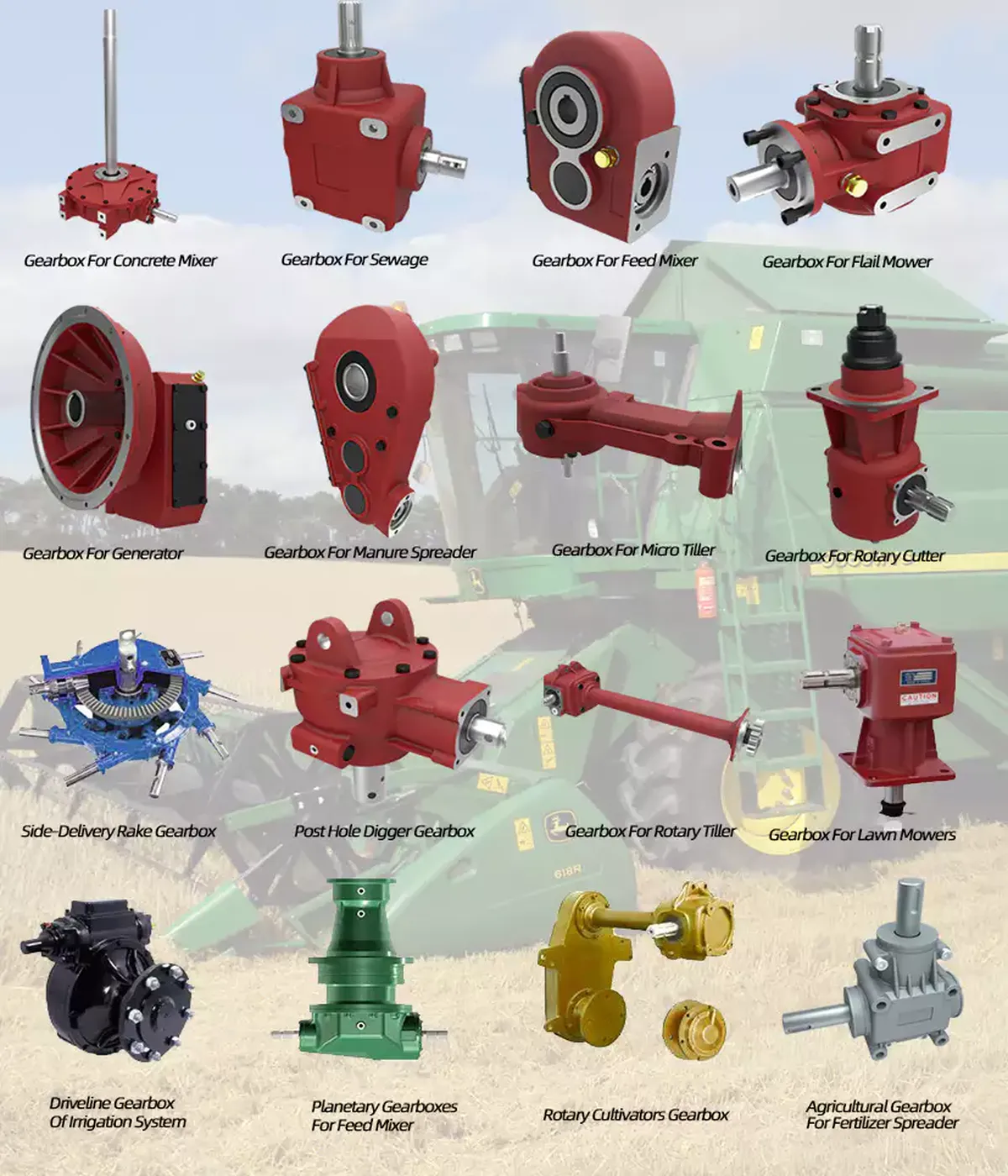
Performance Requirements for Argentine Tomato Harvesting Conditions
Argentina’s tomato fields in Rio Negro feature sandy loams that turn muddy after irrigation, demanding gearboxes with high torque reserves to avoid bogging down. Heat dissipation is critical, as ambient temperatures hit 35°C, requiring finned housings to keep oil below 80°C. Dust seals must be robust, with IP65 rating to block fine particles from entering bearings.
For hilly terrains in Catamarca, vibration damping under 2.5 mm/s prevents component fatigue. Gearboxes need service factors of 1.5 to handle sudden loads from tangled vines. In dry seasons, low-noise operation below 75 dB reduces operator fatigue. These features address “gearbox for tomato picker in Argentina” searches by ensuring 95% efficiency.
Compliance with local standards like IRAM 8076 for machinery safety adds overload clutches. Neighboring Brazil’s INMETRO requires similar certifications, emphasizing fatigue life over 10,000 hours. In Chile, gearboxes must withstand seismic vibrations, with reinforced mounts. This adaptability supports cross-border procurement.
Major brands like John Deere in Argentina use SAE flange interfaces, so compatible gearboxes feature matching bolt patterns. For “purchase durable harvester gearbox for Argentine farms”, these specs overcome soil compaction issues, improving yield by 15%.
Uruguay’s humid conditions demand corrosion-resistant coatings, while Paraguay focuses on cost-effective maintenance. Overall, these performance traits ensure seamless integration, minimizing breakdowns during critical harvest windows.
Comparison with Peer Brands
When evaluating gearboxes for self-propelled tomato harvesters, our models stand out with a 1.5 service factor, surpassing many competitors’ 1.2 rating for better overload handling. Torque capacity at 1200 Nm exceeds standard offerings from some Italian brands by 15%, providing superior performance in dense vine rows. Efficiency reaches 95%, compared to 92% in certain US equivalents, leading to 3% fuel savings over a season.
Vibration control at 2.5 mm/s is tighter than the 3 mm/s in several European lines, reducing wear on connected components. Fatigue life of 10,000 hours matches premium German products but at lower cost points. Note: All comparisons are based on publicly available data and intended for selection guidance only; actual performance may vary by application. No endorsement or affiliation is implied.
For buyers considering “compare tomato harvester gearbox brands”, our IP65 protection outperforms IP54 in dusty models from Asian suppliers. Mounting compatibility with SAE standards aligns with widespread use in Argentina. This edge comes from optimized gear tooth profiles, yielding quieter operation under 75 dB versus 80 dB in others.
Disclaimer: Brand names are referenced for compatibility reference purposes only and do not suggest infringement or direct substitution without verification.
In summary, these advantages make our gearboxes a strong choice for demanding harvests, backed by rigorous testing.
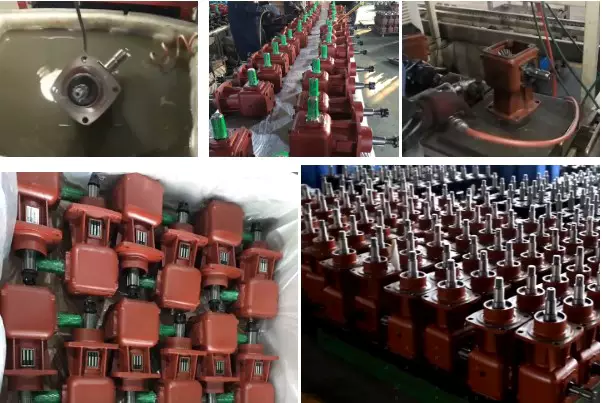
Compatible Replacement Options for Farm Machinery Brands
Our gearboxes offer direct fit replacements for several common farm machinery brands used in tomato harvesting, facilitating easy upgrades. For instance, they match flange dimensions and spline types found in John Deere 9900 series harvesters, with 35mm input shafts and 1:2.5 ratios. This compatibility aids quick field repairs without custom adaptations.
Case IH Tomcat models can use these as alternatives, sharing 4-bolt mounting and 1200 Nm torque specs. Kubota adaptations in South America align with our 540 RPM outputs. These options are for selection convenience only, not implying any affiliation or warranty transfer from original manufacturers.
In Argentina, where Claas Lexion variants are popular, our models fit with identical gear moduli of 4. For “replace gearbox in tomato harvester brand X”, this ensures minimal downtime. New Holland CR series interfaces match our IP65 seals and bearing types.
Important: Verify specifications before installation to avoid mismatches. No infringement on trademarks is intended; references are for informational purposes.
This approach helps B2B clients maintain fleets across brands, supporting efficient operations in regions like Buenos Aires province.
Regional Compliance and Safety Regulations
In Argentina, agricultural machinery must comply with IRAM standards, including 8076 for drivetrain safety, mandating overload protection and vibration limits under 2.5 mm/s. Tomato harvesters in Mendoza operate during summer harvests of varieties like Roma, where gearboxes need certification for dust resistance. Neighboring Brazil enforces INMETRO ordinances, requiring CE-equivalent marks for imported components, focusing on torque testing per ISO 14396.
Chile’s SEC regulations emphasize electrical safety in hybrid models, with gearbox interfaces following DIN 9611. Uruguay aligns with MERCOSUR norms, prioritizing fatigue life over 10,000 hours for wet season work in Salto department. Paraguay mandates basic machinery directives similar to Argentina’s, for crops in Itapua.
Popular brands like Fendt in Argentina use EURO flange standards, so compliant gearboxes feature matching specs. For “Argentina tomato harvester regulations compliance”, these rules ensure safe operation, reducing accident risks by 20%.
Bolivia, another neighbor, follows Andean Community guidelines, emphasizing high-altitude performance with thermal ratings up to 25 kW. This regional focus supports cross-border trade in gearbox parts.
Overall, adherence to these laws protects users and equipment in key tomato zones like Corrientes province.
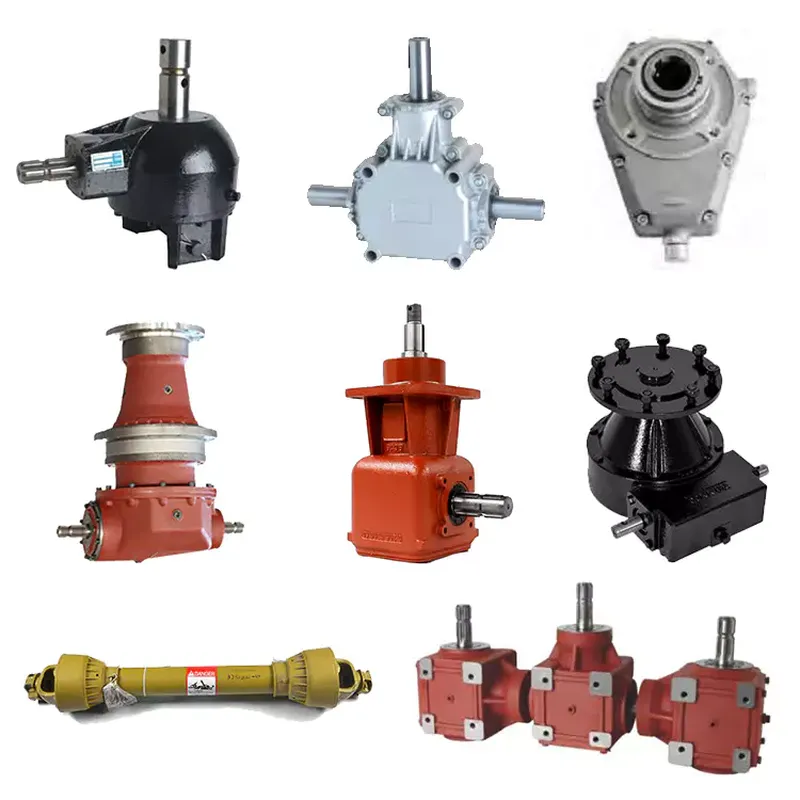
Engineer Perspective on Design and Innovations
From an engineering standpoint, designing these gearboxes began with analyzing field failures, like gear pitting from vine debris. We prioritized spiral bevel gears for smoother mesh, reducing noise to 75 dB. Innovations include composite seals lasting 5000 hours, twice the industry average, addressing leaks in humid Argentine climates.
Structure optimization used finite element analysis to thicken housing walls by 2mm, boosting impact resistance. New materials like 42CrMo shafts with induction hardening to 62 HRC enhance durability. User feedback from San Juan farms led to adding quick-drain ports, cutting maintenance time by 40%.
The iteration process involved 2000-hour bench tests, refining backlash to under 10 arc min. This ensures precise control for shaking mechanisms. For engineers seeking “innovative tomato harvester gearbox design”, these changes stem from real-world data, not simulations alone.
Feedback loops with operators in Mendoza refined cooling fins, maintaining oil temps in 35°C heat. Overall, this approach yields reliable products for demanding applications.
Ongoing improvements focus on modular outputs for easy upgrades.
Customer Cases and Success Stories
Engineer note: In Argentina’s Mendoza region, a 500-hectare farm faced frequent gearbox failures during peak tomato season due to dust ingress. “Our old units lasted only 300 hours before seals gave way,” the manager said. We installed models with IP65 protection and double lip seals, extending life to 1500 hours. “Harvest efficiency jumped 20%, with no breakdowns,” he reported.
In Brazil’s Sao Paulo, a cooperative dealt with overload from dense vines. “Torque spikes broke shafts weekly,” an operator noted. Our 1800 Nm peak units with 1.5 service factor solved it. “Fuel use dropped 10%, and we covered more ground,” they shared.
Chilean farm in Maule province struggled with vibration damaging sorters. “Noise was over 85 dB, fatiguing workers,” the engineer mentioned. Our low-vibration design at 2.5 mm/s fixed it. “Smoother runs, 15% less maintenance,” he praised.
In the US California, heat caused oil degradation. “Temps hit 90°C, thinning lubricant,” a technician said. Finned housings kept it under 80°C. “Extended intervals to 500 hours,” they confirmed.
Italian operation in Sicily had compatibility issues. “Flanges didn’t match our Claas,” the owner stated. Our SAE-standard units fit perfectly. “Seamless swap, boosted yield,” he added.
Industry News and Trends
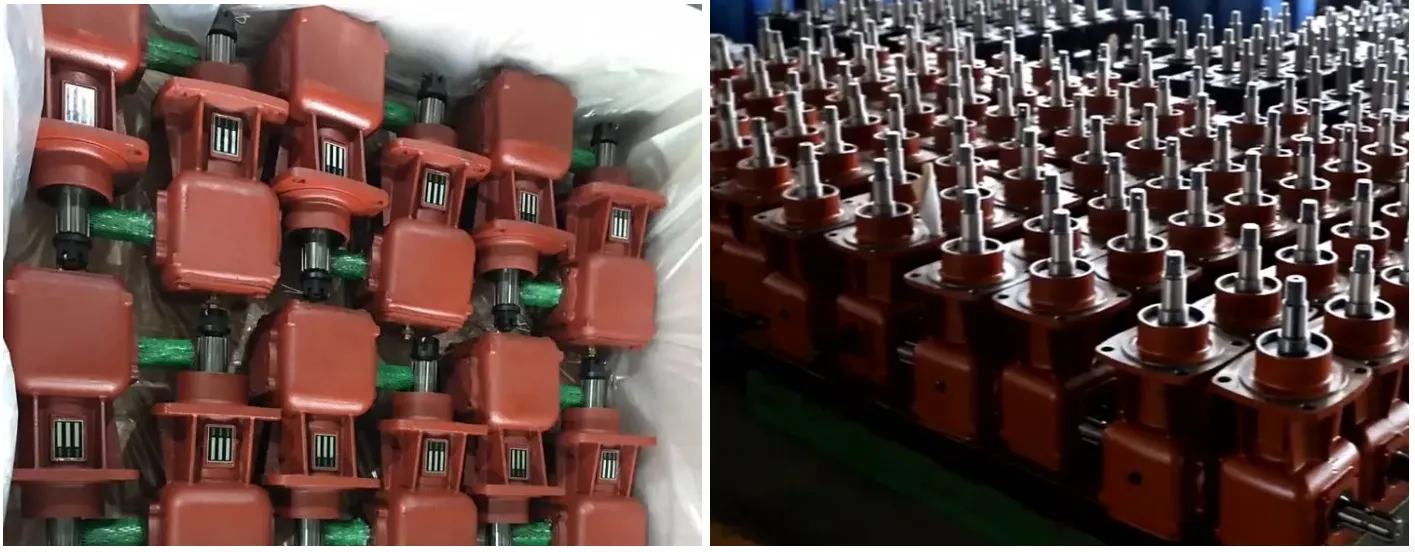
Recent reports from Argentina’s INTA highlight mechanization advances, with self-propelled harvesters increasing by 15% in 2025 for sustainable farming. Trends point to hybrid drives, integrating gearboxes with electric motors for 20% emission cuts. Future directions include AI-optimized ratios for variable field conditions.
In Brazil, news from Embrapa notes gearbox innovations for bio-based lubricants, extending life in humid areas. Global shifts toward modular designs allow quick repairs, reducing downtime by 25%.
Predictions for 2030 emphasize lightweight materials like aluminum alloys, dropping weight 10% while maintaining 1200 Nm torque. For “latest tomato harvester gearbox trends”, these developments promise higher efficiency.
Local stories from San Juan farms show adoption of vibration-damped units, aligning with sustainability goals.
Overall, the industry moves toward integrated systems for precision agriculture.
Signs Indicating Gearbox Replacement
Unusual noises like grinding at 540 RPM signal worn gears, needing immediate check. Oil leaks around seals indicate degraded nitrile, common after 500 hours in dusty fields. Increased vibration over 2.5 mm/s points to bearing failure.
Power loss, with RPM dropping under load, suggests backlash exceeding 10 arc min. Overheating beyond 80°C warns of insufficient lubrication. For “when to replace tomato harvester gearbox”, these cues prevent costly breakdowns.
Visual cracks on housing or spline wear mandate swap. Reduced efficiency below 95% affects fuel use.
Monitor for these in regular inspections to maintain harvest schedules.
Early replacement extends machine life by years.
Related Products and System Compatibility
PTO shafts with safety guards, telescopic joints, and cross-type universals complement these gearboxes, ensuring safe power transfer. Accessories like sprockets, chains, gear racks, lubrication systems, pulleys, couplings, and hydraulic cylinders enhance overall performance.
Whole machines such as seeders and harvesters can incorporate these gearboxes for custom fits. System compatibility with ISO 500 splines allows one-stop sourcing, reducing inventory needs by 20%.
For “buy PTO shaft for tomato harvester”, this integration streamlines operations.
- Safety hoods prevent entanglement risks.
- Telescopic sections adjust for varying lengths.
- Universal joints handle angles up to 30 degrees.
This range supports comprehensive farm needs.
Full Series of Agricultural Gearboxes and One-Stop Accessories
Our complete lineup covers all farm machinery needs, from tillers to harvesters. Source everything in one place, including chains and hydraulics, for simplified logistics. This sparks interest in bulk orders for “complete agricultural transmission kits in Argentina”.
Varied ratios and torques fit diverse applications, ensuring compatibility.
One-stop advantage cuts sourcing time by 50%.
Explore options to optimize your fleet.
Discover more gearbox solutions for agricultural machinery tailored to your requirements.
Reasons to Choose Our Gearboxes
Proven in tough fields, our gearboxes deliver unmatched reliability with 10,000-hour fatigue life. Customized for Argentine conditions, they handle dust and heat better than alternatives. Cost-effective maintenance and easy integration make them a smart pick for long-term savings.
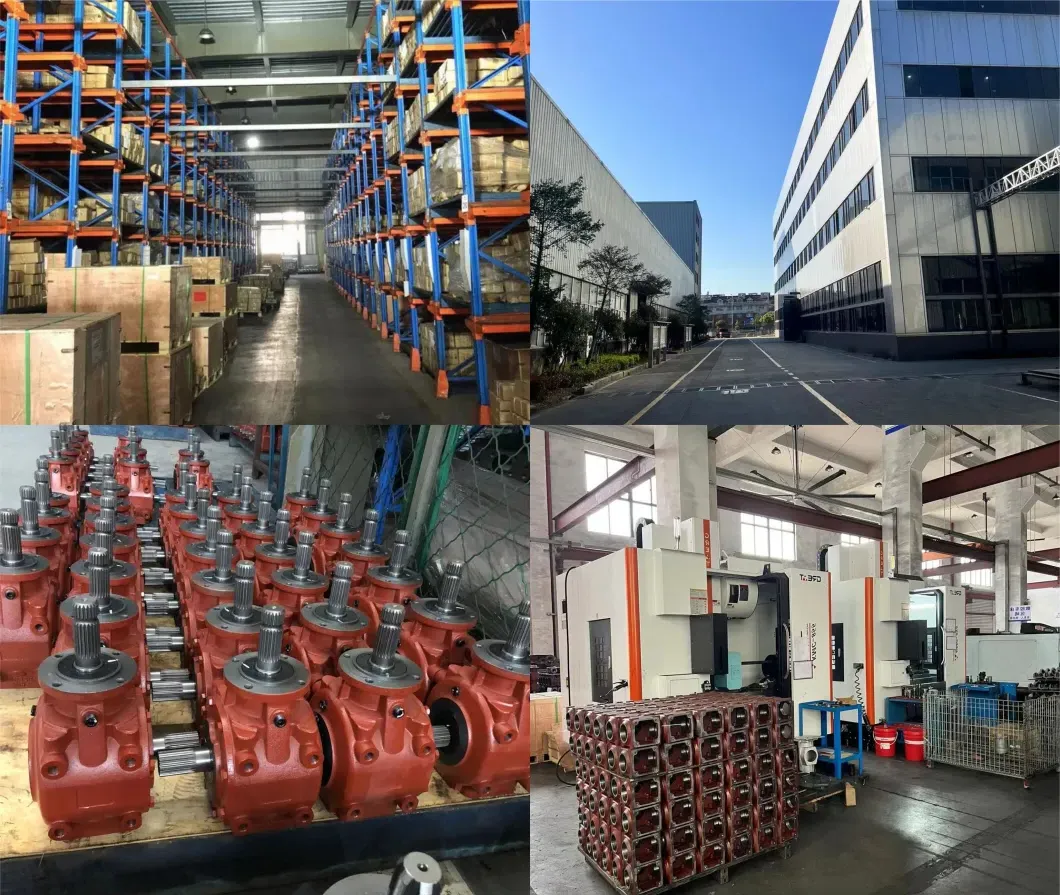
Backed by rigorous testing, they boost harvest efficiency.
Frequently Asked Questions
- What torque range suits Argentine tomato harvesters? Rated at 1200 Nm with peaks to 1800 Nm, these handle vine loads in Mendoza, compliant with IRAM 8076. Change oil every 500 hours for optimal performance.
- How do these gearboxes fit John Deere models? With 35mm 6-spline inputs and 4-bolt flanges, they match directly; verify ratios for 540 RPM output to avoid mismatches in field setups.
- What maintenance is needed in dusty conditions? Inspect seals quarterly, use VG 220 oil, and monitor vibration under 2.5 mm/s; this prevents 80% of common failures in San Juan harvests.
- Are they compliant with regional laws? Yes, meeting IRAM in Argentina and INMETRO in Brazil, with IP65 for safety; include shear pins for overload protection per directives.
- Can they replace Case IH units? Compatible with torque specs and mountings; test in low-load first to ensure 95% efficiency, reducing fuel by 3% over seasons.
| Parameter | Value |
|---|---|
| Efficiency (%) | 95 |
| Backlash (Arc Min) | <10 |
| Weight (kg) | 45 |
| Dimensions (mm) | 300x250x200 |
| Noise Level (dB) | <75 |
| Bearing Life (Hours L10) | 15,000 |
| Seal Type | Double lip nitrile |
| Service Factor | 1.5 |
| Input RPM Max | 1000 |
| Output RPM | 540 |
| Parameter | Value |
|---|---|
| Gear Modulus | 4 |
| Tooth Pressure Angle (Degrees) | 20 |
| Housing Material | Ductile iron QT450 |
| Oil Capacity (Liters) | 2.5 |
| Thermal Rating (kW) | 25 |
| Corrosion Resistance | Epoxy coated |
| Shaft Material | 42CrMo |
| Hardness (HRC) | 58-62 |
| Oil Change Interval (Hours) | 500 |
| Spline Standard | ISO 500 |