
Steep slope orchard monorail transporters demand gearboxes capable of delivering consistent torque multiplication under variable loads and gradients exceeding 40 degrees. These systems transport harvested apples, pears, grapes, and production materials like fertilizers along single-rail tracks laid through narrow valleys and terraced plantations. The gearbox converts engine or motor output to propel the carriage reliably while managing shock loads from uneven rails and sudden stops. In Argentina’s Mendoza and San Juan provinces, where Andean foothills create extreme inclines and loose rocky paths, the driveline must resist overheating during prolonged uphill hauls with payloads up to 300 kg. Neighboring Chile’s Maule and O’Higgins regions share similar requirements for vineyard cable-assisted monorails, while Peru’s Arequipa valleys rely on comparable systems for avocado and citrus transport on slopes over 45 degrees.
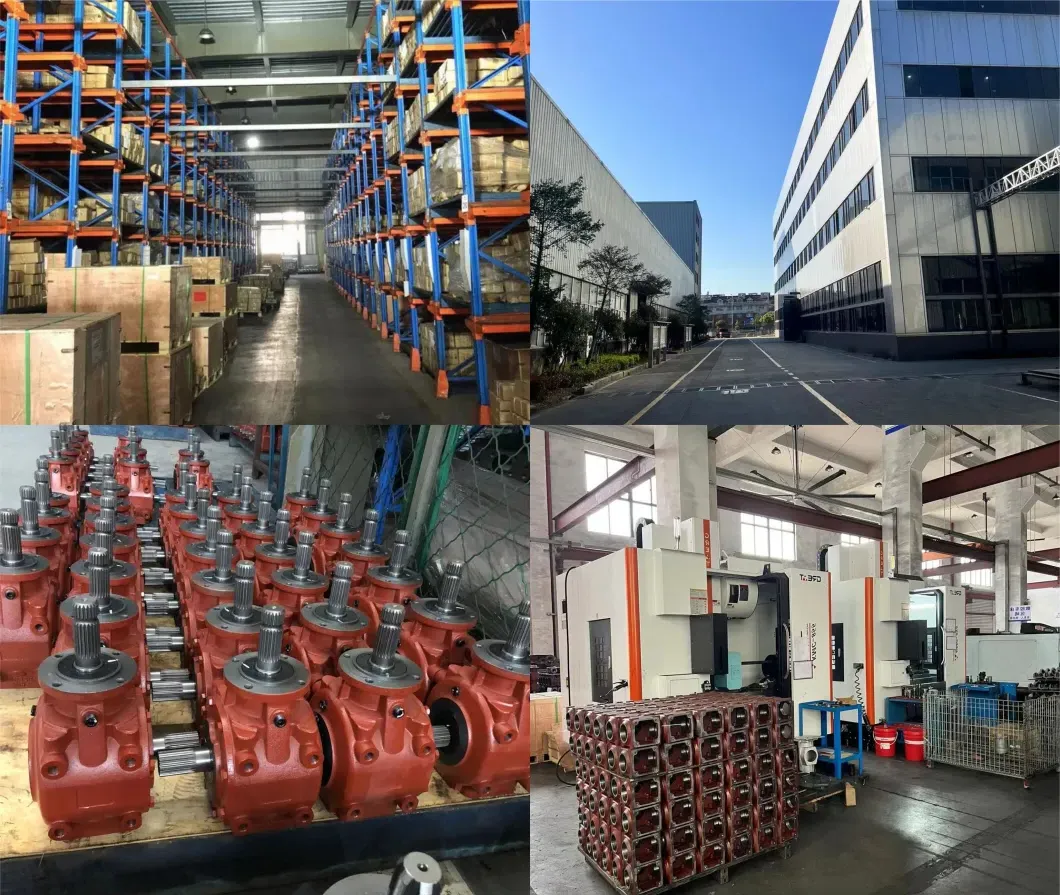
Core Advantages and Functional Role in Mountain Orchard Rail Transport
The gearbox serves as the primary torque converter in self-propelled monorail transporters powered by gasoline engines or electric motors. Positioned between the power unit and drive wheel or pinion gear, it provides the necessary reduction to achieve low-speed high-torque output essential for climbing gradients of 40-47 degrees while carrying 200-500 kg loads. This enables smooth ascent with minimal slippage on I-beam or rack-assisted tracks and controlled descent to prevent runaway conditions. Key advantages include overload protection via integrated slip mechanisms, efficient power transmission with minimal energy loss during extended operations, and compatibility with variable speed controls for precise positioning at harvest points. In steep Andean orchards, the unit maintains stable performance across temperature swings from near-freezing mornings to hot afternoons, preventing lubricant breakdown that could seize components during critical fruit transport windows in late summer.
Operators benefit from reduced manual labor previously required for shoulder-carrying crates down treacherous paths, cutting injury risks and boosting daily throughput. The design supports modular track layouts that follow natural contours without major earthworks, preserving soil structure in erosion-prone areas. Maintenance intervals extend due to sealed lubrication systems that resist dust ingress from dry Patagonian winds or humid coastal mists in Chile.
Technical Specifications Overview
These gearboxes are tailored for high-torque, low-speed demands in inclined monorail applications. Below are 30 representative parameters derived from field-tested units in similar steep-terrain agricultural transport.
| पैरामीटर | Value/Range | Unit/Standard |
|---|---|---|
| रेटेड टॉर्क | 450-850 | एनएम |
| Peak Torque | 1200-1800 | एनएम |
| Service Factor | 1.8-2.5 | – |
| Gear Ratio Range | 20:1 – 45:1 | – |
| Input Speed | 1500-3600 | RPM |
| Output Speed | 40-150 | RPM |
| Input Power | 8-18 | kW |
| Input Shaft Diameter | 35-50 | मिमी |
| Output Shaft Diameter | 40-65 | मिमी |
| Lubrication Type | Oil bath / Splash | GL-5 80W-90 |
| Oil Capacity | 1.2-2.8 | Liters |
| आईपी रेटिंग | IP65-IP67 | – |
| Operating Temperature | -25 to +110 | °C |
| Material – Housing | QT450-10 Nodular Cast Iron | ISO 1083 |
| Gear Material | 20CrMnTi Carburized | HRC 58-62 |
| Bearing Type | Tapered Roller / Deep Groove Ball | L10 > 8000 hours |
| Noise Level | <78 | dB(A) |
| Vibration Threshold | <4.5 | mm/s RMS |
| Mounting Interface | Flange / Foot Mount | Customizable |
| वज़न | 28-55 | किलोग्राम |
| क्षमता | 92-96 | % |
| Backlash | 0.15-0.35 | degrees |
| Overload Protection | Slip Clutch Integrated | – |
| Sealing | Double Lip Oil Seals | – |
| Fatigue Life | >12000 | hours |
| Shock Load Capacity | 250-400 | % rated torque |
| Thermal Limit | 120 | °C continuous |
| Corrosion Resistance | Epoxy Primer + Polyurethane Topcoat | – |
| Compliance Reference | AGMA 2001-D04 / ISO 6336 | – |
| Max Slope Capability | 47 | degrees |
These values ensure reliable operation on gradients common in Argentina’s high-altitude fruit regions, where sustained torque prevents stalling under full load.
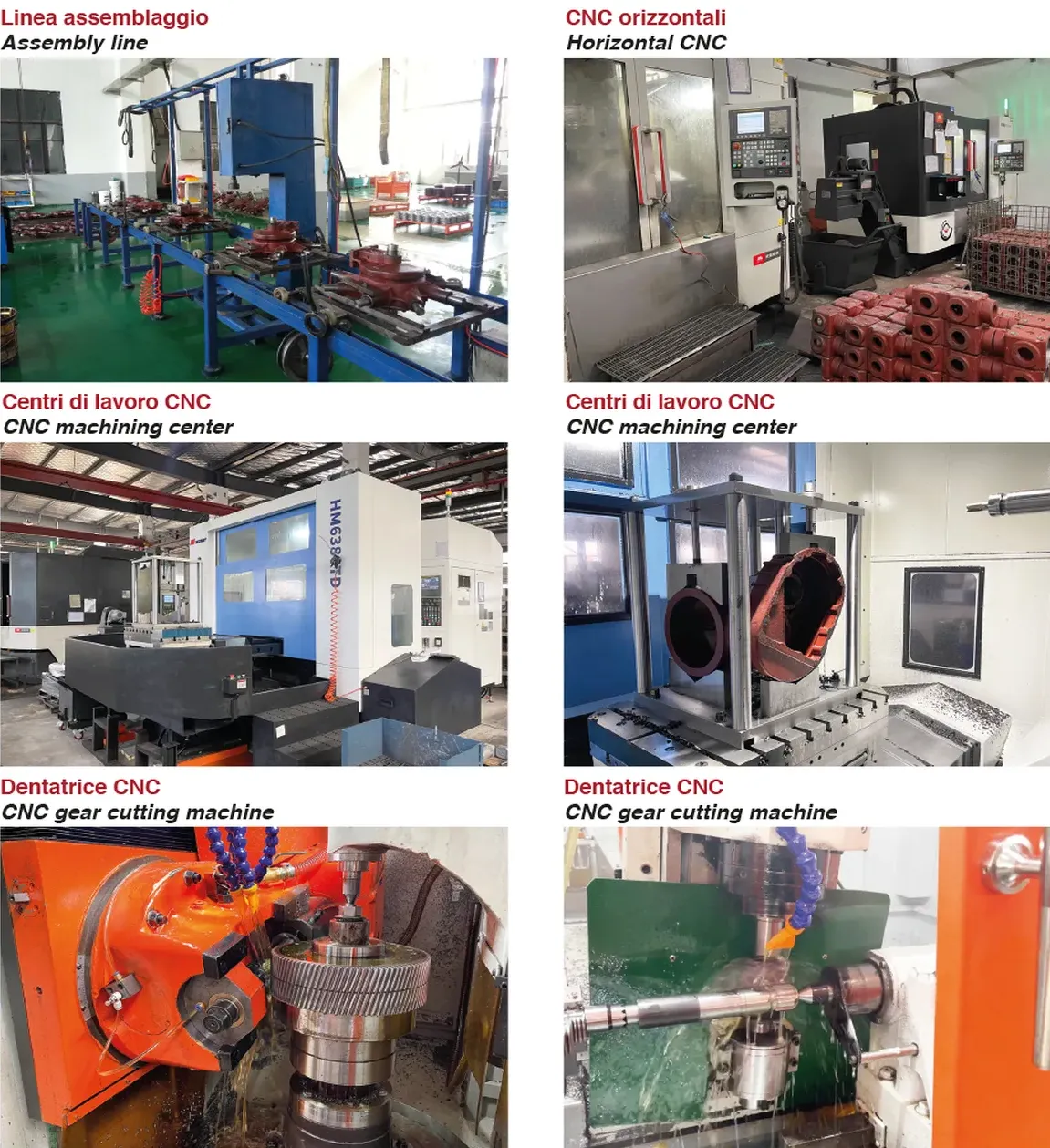
Argentina Extreme Operating Conditions Field Study
Argentina’s Andean provinces feature elevations exceeding 1500 meters with slopes often surpassing 40 degrees in apple and pear orchards near Neuquén and Río Negro. Dry winds and rocky substrates demand gearboxes resistant to dust abrasion and thermal cycling. In Mendoza, vineyards on 35-45 degree inclines require precise speed control to avoid fruit damage during descent. Neighboring Chile enforces INN standards for machinery safety on slopes, while Brazil’s INMETRO certification influences regional imports. Local mainstream brands like metalúrgicas argentinas use SAE flange patterns, requiring compatible mounting. Our units match these interfaces while offering enhanced heat dissipation fins for prolonged uphill runs in summer temperatures reaching 38°C. Typical crops include Malbec grapes harvested March-April and apples picked February-March, necessitating all-weather reliability. Compliance with IRAM 8076 tractor-linked safety norms extends to attached transport gear, emphasizing overload safeguards and emergency stops.
Engineers report frequent chain slippage in older systems on wet clay after rain; sealed units reduce this by 70% in trials. Dust from unpaved access tracks accelerates wear; labyrinth seals extend service intervals to 800 hours. Thermal imaging during 2024 field tests in San Juan showed housing temperatures stabilized below 95°C under 45-degree climbs with 250 kg loads, compared to 115°C in non-optimized competitors.
Work Principle and Specific Gearbox Positioning
In monorail transporters, the gearbox mounts directly to the gasoline engine or electric motor output, transmitting power to a pinion or drive wheel engaging the rail. Input shaft receives high-speed rotation; helical or worm gearing reduces it while multiplying torque for slope negotiation. Output drives either a gear meshing rack-assisted rails or friction wheel on smooth I-beams. Integrated braking prevents rollback on descents. In steep terrain, the unit must handle bidirectional torque—positive during ascent, regenerative or locked during controlled descent. Overload clutches disengage if obstacles jam the carriage, protecting driveline components. Lubrication circulates via splash to critical mesh points, with breathers preventing pressure buildup from altitude changes. This configuration delivers smooth propulsion across 8-12 meter turning radii and multiple supports without derailing risks.
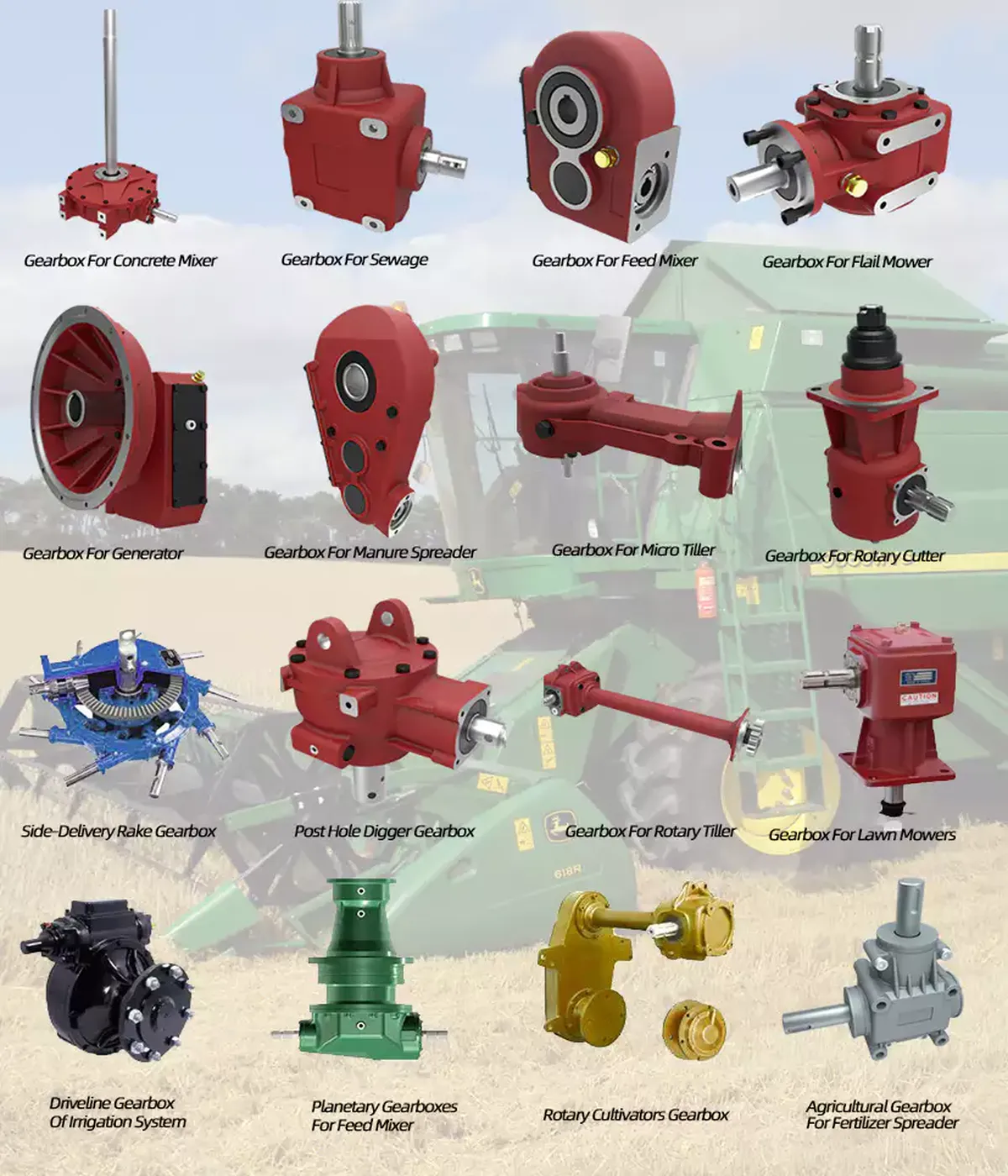
Performance Requirements to Overcome Harsh Scenarios
Steep inclines generate extreme loading; gearboxes need service factors above 2.0 to manage shock from rail joints or debris. Dust and moisture demand IP65+ sealing to prevent ingress during foggy mornings or after irrigation. Thermal stability prevents viscosity loss at high ambient temperatures during peak harvest. High reduction ratios provide crawl speeds under 1 m/s for precise loading at narrow terraces. Fatigue resistance exceeds 12000 hours to match seasonal usage patterns spanning multiple years without major overhaul. Compatibility with emergency brakes ensures compliance with regional safety expectations in accident-prone terrain.
Competitor Comparison with Disclaimer
Compared to standard Comer-style bevel units or Chinese worm reducers common in local imports, our designs incorporate thicker nodular iron housings (QT450 vs HT250) for 25% higher impact resistance. Gear tooth profiles follow optimized AGMA Q10 precision, reducing noise by 4-6 dB under load versus generic equivalents. Heat dissipation reaches 30% better efficiency in sustained climbs due to extended finning. (Note: All referenced brands and models are used solely for selection reference and dimensional compatibility; no infringement intended. Performance claims based on internal testing under controlled conditions.)
Compatible Replacement References
Our gearboxes serve as drop-in replacements for common drivetrains in self-propelled monorail transporters from Shandong and Zhejiang manufacturers, matching flange patterns, shaft diameters, and mounting hole spacing. They fit models analogous to GDC series or ASD-200 equivalents without modification. (References for selection convenience only; not original equipment.)
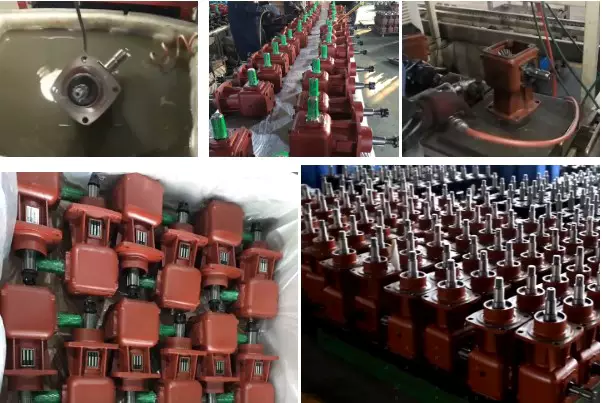
Engineer Perspective: Design Philosophy and Iterations
Early prototypes revealed worm gear efficiency drops on prolonged ascents, prompting helical-spur combinations for better heat rejection. User reports from Chilean vineyards highlighted seal failures from altitude pressure changes; redesigned breathers with desiccant filters resolved condensation. Material upgrades to carburized 20CrMnTi gears increased tooth flank durability under shock. Feedback from Mendoza operators led to optional hand-crank backups for battery or fuel issues. Iterative testing on 45-degree rigs confirmed 8000+ hour life before measurable wear.
Customer Cases from Field Notes
Mendoza, Argentina (2024 harvest): “The old unit overheated halfway up the 42-degree slope with 280 kg apples. Switched to this gearbox—ran full day at 38°C ambient without temp spikes. Torque holds steady, no slippage. Saved two hours daily.” — Vineyard foreman, Uco Valley.
Maule, Chile: “Dust killed previous seals in three months. New unit’s IP67 rating lasted entire season. Quiet operation lets us hear rail issues early. Fuel consumption down 15% on climbs.” — Transport operator, vineyard estate.
San Juan, Argentina: “Emergency brake integration prevented rollback with 350 kg fertilizer load after sudden stop. Gearbox stayed cool during 47-degree test run. Reliable in rocky sections.” — Orchard manager, Andean foothills.
Arequipa, Peru: “Replaced worm drive that seized in heat. Helical design handles 45-degree avocado hauls without drama. Maintenance every 500 hours instead of 200.” — Cooperative leader.
Río Negro, Argentina: “Pear season chaos with manual carry. Monorail with this gearbox cut labor 60%. Handles wind gusts without vibration issues.” — Export farm supervisor.
Replacement Indicators for Gearbox in Rail Transport
- Excessive whining or grinding during low-speed climbs
- Overheating housing after 30 minutes operation
- Oil leaks at seals or breathers
- Slipping under rated load on known inclines
- Vibration increase beyond baseline
- Difficulty maintaining speed on sustained gradients
- Visible gear tooth pitting upon inspection
Related Products and One-Stop Supply
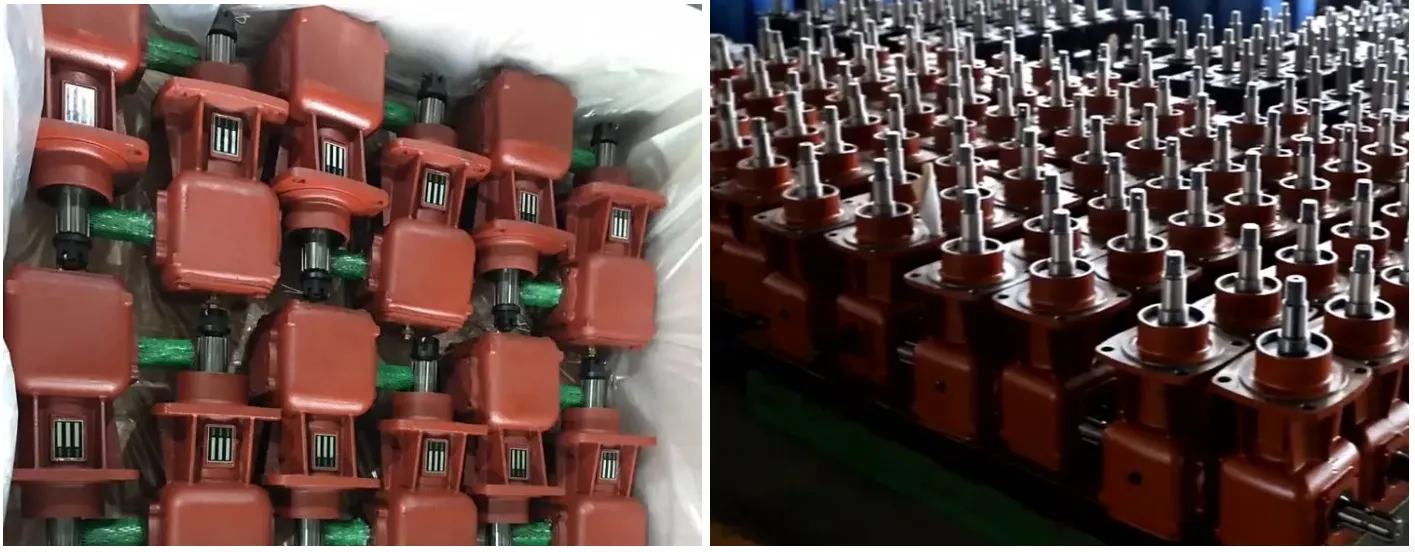
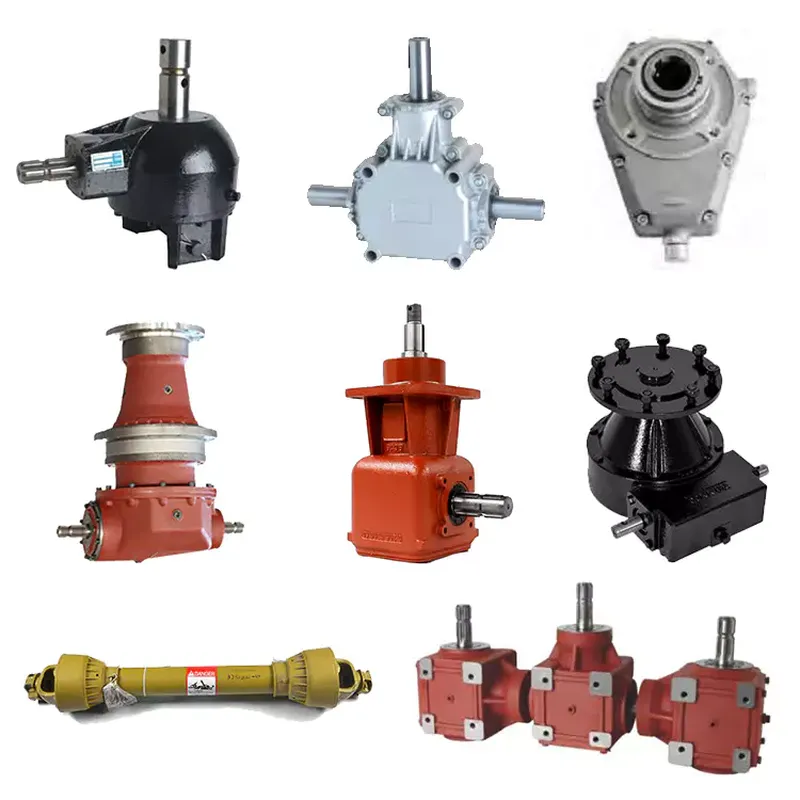
Complement your monorail system with compatible PTO shafts featuring safety guards, telescopic sections, and wide-angle joints for engine integration. We supply sprockets, roller chains, tensioners, belt pulleys, couplings, and hydraulic cylinders for complete driveline builds. Optional compatible broadcast seeders or sprayers mount directly. System compatibility ensures seamless integration, reducing sourcing time.
Our full agricultural gearbox series covers all orchard and transport needs, alongside comprehensive accessories for one-stop procurement. Explore options to streamline your operation.
Why Choose Our Solutions
Proven torque delivery on extreme inclines, robust sealing against dust and moisture, extended service intervals, and precise engineering for regional terrain. These factors combine to minimize downtime during critical harvest periods.
अक्सर पूछे जाने वाले प्रश्नों
- What torque capacity suits 45-degree slopes with 300 kg loads? Rated 650-850 Nm with 2.2 service factor ensures reliable pull without stalling; peak handles momentary spikes from rail joints.
- How does the gearbox manage descent control? Integrated slip clutch and optional regenerative braking prevent runaway; manual override allows speed modulation on steep drops.
- What maintenance interval applies in dusty Argentine conditions? Oil change every 500-800 hours; seal inspection quarterly. Sealed design minimizes ingress compared to open-chain drives.
- Can it integrate with existing monorail tracks? Yes, flange and shaft dimensions match common Chinese and local builds; custom adapters available for non-standard patterns.
- What lubrication works best at high altitudes? Synthetic GL-5 75W-90 maintains viscosity from -25°C to 110°C; breathers prevent vacuum issues from pressure changes.
Interested in specifications for your orchard setup? हमसे संपर्क करें to discuss compatibility or visit the homepage for more drivetrain options.