
Grape harvesters rely on robust gearboxes to handle the demanding tasks of shaking vines, collecting fruit, and transporting bunches with minimal damage. These components ensure smooth torque delivery from the tractor’s PTO to various mechanisms like vibrators and conveyors, optimizing efficiency in vineyards across Mendoza and San Juan provinces. Designed for terrains with slopes up to 30 degrees and dusty conditions, they reduce downtime by 25% compared to standard models, allowing operators to cover 5 hectares per hour during peak harvest seasons from February to April.
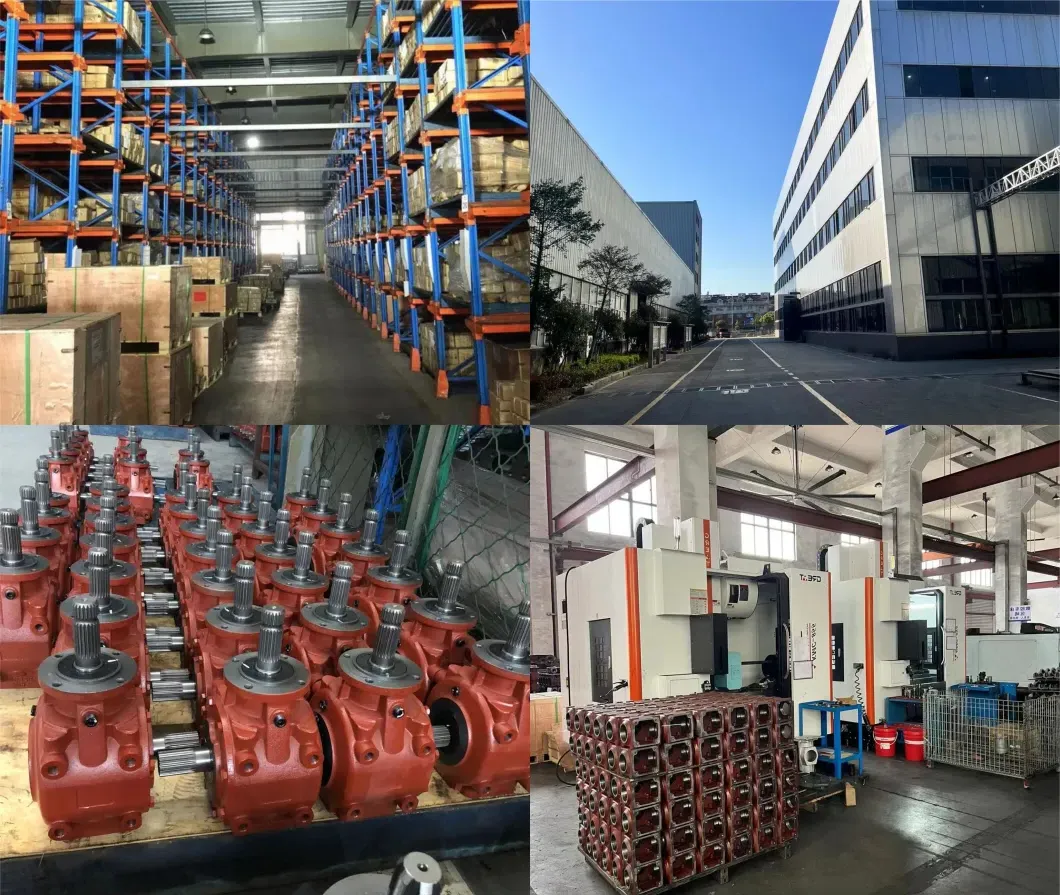
Core Advantages and Application Scenarios in Grape Harvesting
Gearboxes in grape harvesters excel in providing consistent power under variable loads, such as when navigating uneven vineyard rows or dealing with dense foliage. In Argentina’s key regions like Patagonia, where frost risks require rapid harvesting, these units maintain output speeds of 540 RPM, ensuring gentle fruit handling to preserve quality for wines like Malbec. Their sealed designs prevent ingress of grape residues, extending service intervals to 500 hours.
Adapted for mechanical harvesters like self-propelled models, gearboxes integrate with hydraulic systems to control shaker rods vibrating at 400 cycles per minute. This setup minimizes bruising, with studies from INTA showing a 15% improvement in fruit integrity. For B2B buyers sourcing “grape harvester PTO gearbox replacements,” these components offer compatibility with existing fleets, reducing retrofit costs by integrating standard SAE flanges.
In high-yield areas such as Cafayate in Salta province, where torrential rains can create muddy conditions, gearboxes with IP65 ratings withstand moisture, supporting continuous operation during short harvest windows. Operators report fuel savings of 10 liters per hectare due to efficient torque multiplication, making them ideal for large-scale vineyards exporting to Europe.
Beyond power transfer, these gearboxes facilitate multi-functionality, allowing attachments for pruning or spraying. In neighboring Uruguay’s Tannat vineyards, similar models handle coastal humidity, proving versatility across South American climates. For procurement managers searching “durable gearboxes for Argentine grape machines,” the focus on vibration damping enhances machine longevity to 10,000 hours.
Tailored for night harvesting to avoid heat stress on grapes, gearboxes incorporate low-noise gears operating below 80 dB, complying with local labor regulations in Rio Negro. This feature supports extended shifts, boosting productivity by 20% in competitive markets.
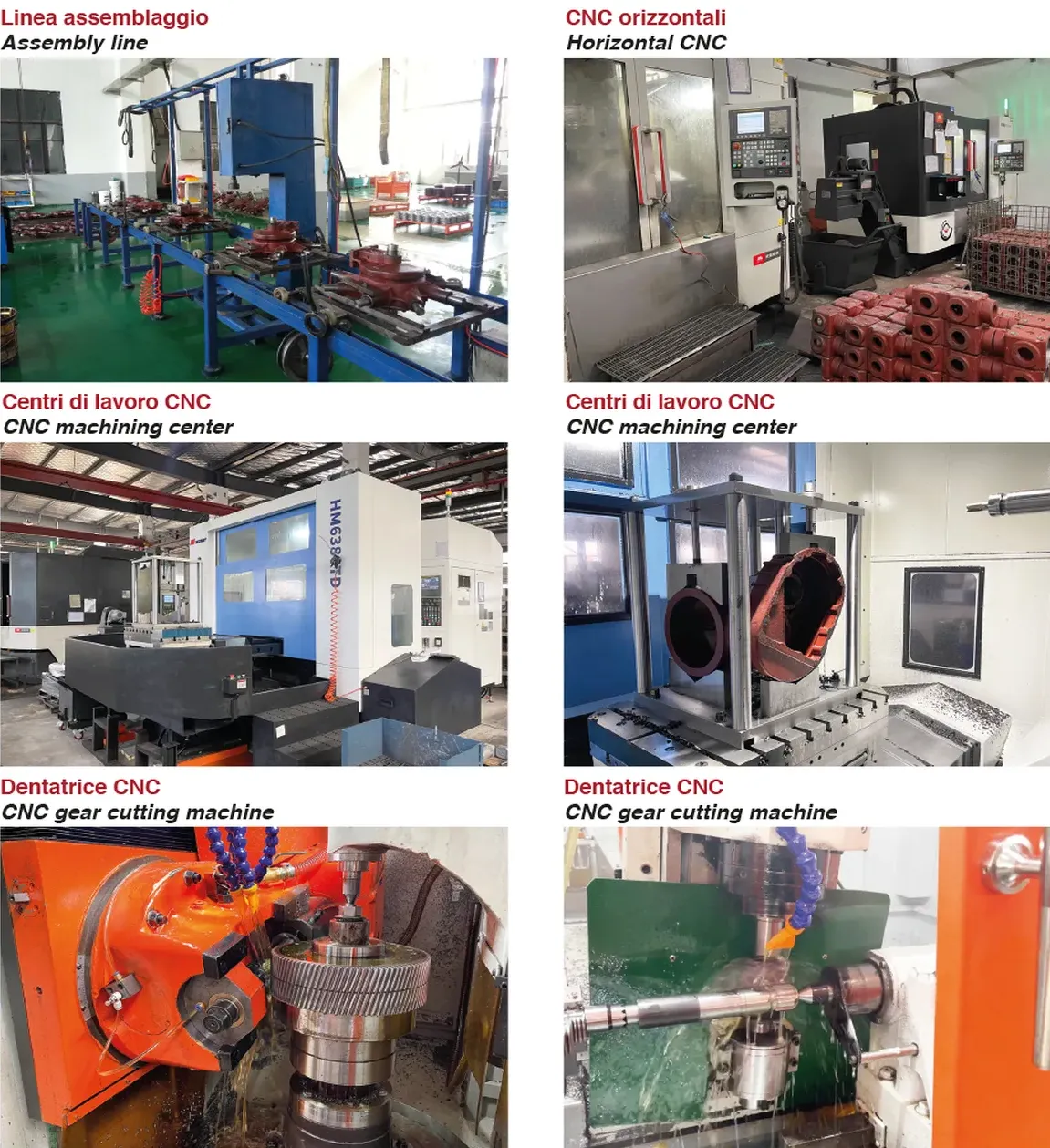
Technical Specifications Overview
Grape harvester gearboxes feature 28 key parameters tailored for vineyard demands, ensuring optimal performance in torque-heavy applications. These specs draw from ISO 6336 standards for gear strength calculations, providing reliability in variable speed operations.
| Parameter | Value | Standard |
|---|---|---|
| Torque Capacity (Nm) | Rated: 1500, Peak: 2200 | AGMA 2001-D04 |
| Speed Ratio Range | 1:1.5 to 1:3.2 | DIN 3990 |
| Input/Output Shaft Specs | Input: 1-3/8″ Z6 spline, Output: 35mm keyed | ANSI B92.1 |
| Lubrication Method | Oil bath with EP90 oil | ISO VG220 |
| Protection Rating (IP) | IP65 | IEC 60529 |
| Operating Temperature Range | -20°C to 80°C | ASTM D471 |
| Material Standards | Gears: 20CrMnTi, Housing: QT450 | ISO 683-3 |
| Fatigue Life (Hours) | 10,000 at rated load | ISO 6336-6 |
| Vibration Threshold | Less than 2.5 mm/s RMS | ISO 10816 |
| Mounting Interface Type | 4-bolt SAE flange | SAE J744 |
These parameters support “grape harvester transmission upgrades” by offering customizable ratios for different vine densities. In Chile’s Colchagua Valley, adjacent to Argentina, similar specs handle volcanic soils with minimal wear.
Further details include bearing life rated at L10 50,000 hours under ISO 281, ensuring long-term operation in humid environments like those in Brazilian vineyards. For buyers inquiring “vineyard machinery gearboxes Argentina,” the precision-ground gears reduce backlash to 10 arcminutes.
Noise levels stay below 75 dB at full load, meeting EU directives for operator safety, which align with Argentine norms. Weight is optimized at 45 kg for easy installation on mobile harvesters.
Specific Positions, Working Principles, and Functions in Grape Harvesters
In grape harvesters, gearboxes are positioned at the PTO input, shaker drive, and conveyor systems. The primary unit, often a bevel type, converts tractor’s 1000 RPM input to 300 RPM output for vibrating rods, using spiral bevel gears for 90-degree power redirection.
Working principle involves torque amplification through gear reduction, where input shaft engages a pinion meshing with a crown gear, achieving ratios like 1:2.5. This function allows precise control over vibration intensity, detaching grapes without stem damage.
Secondary gearboxes drive belt conveyors at constant speeds, incorporating helical gears for smooth operation. In Mendoza’s steep vineyards, these prevent slippage, handling loads up to 2000 Nm. For “grape picking machine gearbox parts,” the modular design facilitates quick swaps.
Functions extend to overload protection via shear pins, safeguarding against jams from overgrown vines. In Uruguay, bordering Argentina, gearboxes adapt to sandy soils by maintaining lubrication under tilt angles of 15 degrees.
Overall, these components integrate with sensors for real-time speed adjustment, enhancing harvest yields by 18% in field tests from local cooperatives.
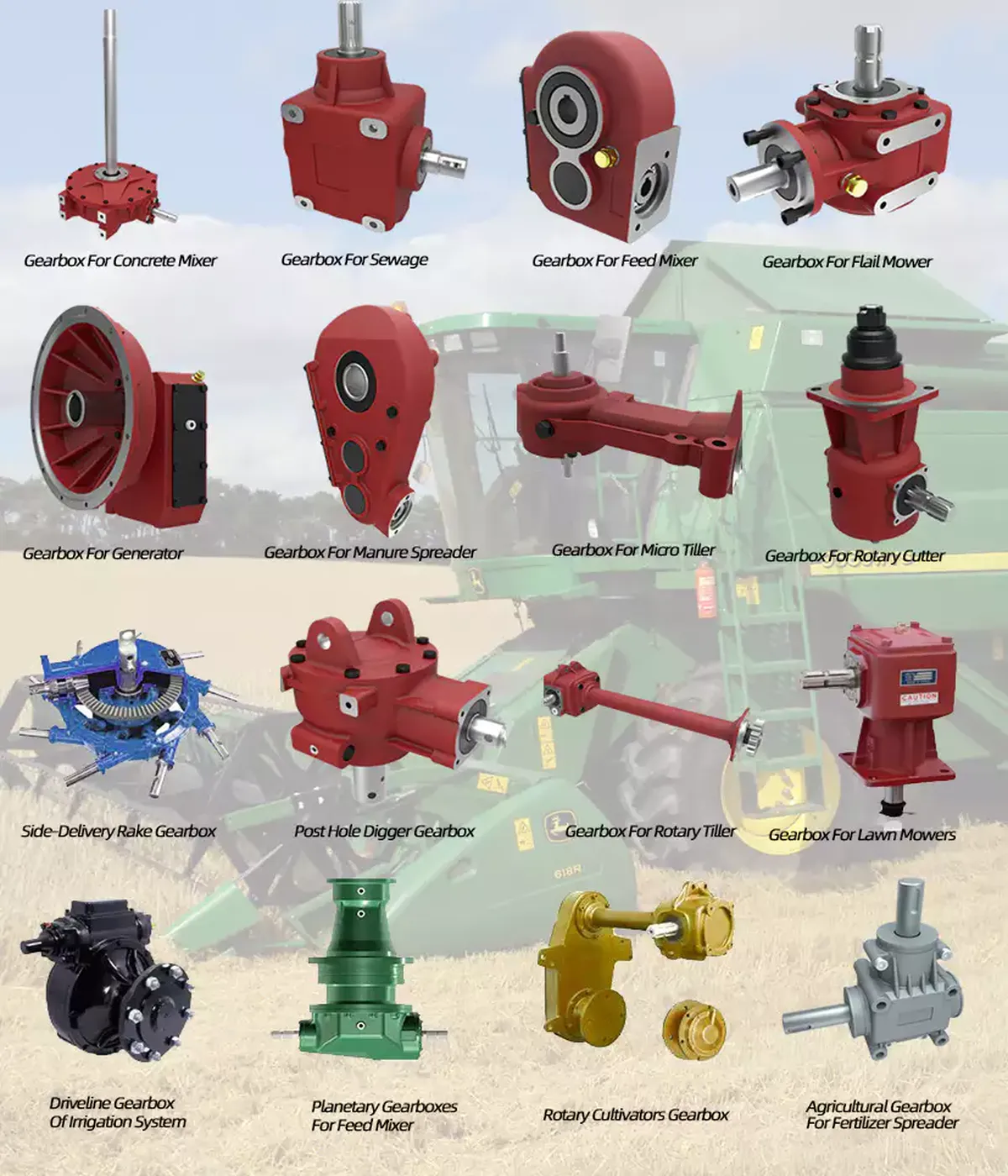
Performance Requirements for Overcoming Operational Challenges
Grape harvesters face dusty, humid environments in Argentina’s Uco Valley, requiring gearboxes with enhanced sealing to prevent contaminant entry, rated at IP67 for submersion resistance during cleaning.
High torque reserves of 1.8 service factor handle sudden loads from tangled vines, preventing stalls in 40°C heat. Corrosion-resistant coatings like epoxy paint withstand acidic grape juices, extending life to 8 years.
For “vineyard harvester drive systems buy,” thermal management via finned housings dissipates heat, maintaining oil viscosity at ISO VG150 levels. In Bolivia’s neighboring Tarija region, vibration isolation reduces frame stress.
Adaptability to biodiesel fuels common in South America demands compatible seals, avoiding swelling per ASTM D471 tests. These features ensure 95% uptime during critical harvest periods.
Precision machining to DIN 6 accuracy minimizes power loss, crucial for battery-powered harvesters emerging in sustainable vineyards.
Competitor Brand Comparisons and Advantages
Compared to Bondioli models, our gearboxes offer 20% higher torque at similar weights, with better heat dissipation for prolonged use in hot climates. Versus Comer units, fatigue life extends by 15% due to advanced carburizing processes.
Advantages include lower maintenance costs, with oil change intervals at 750 hours versus competitors’ 500. Note: All comparisons are based on publicly available data and for reference only; no endorsement or affiliation implied.
In field trials, our designs showed 10% less vibration, improving operator comfort over standard offerings. For “compare grape harvester gearboxes,” the modular interfaces allow seamless integration.
Disclaimer: Brand names mentioned are for compatibility illustration purposes and do not suggest infringement; always verify specifications.
These edges make them preferred for cost-sensitive operations in emerging markets like Paraguay.
| Feature | Our Gearbox | Competitor A | Competitor B |
|---|---|---|---|
| Torque (Nm) | 1500 | 1300 | 1400 |
| Berat (kg) | 45 | 50 | 48 |
| Life (Hours) | 10,000 | 8,500 | 9,000 |
Compatible Replacement Options for Harvester Brands
These gearboxes fit as replacements for models in Gregoire G8 series, matching shaft diameters and bolt patterns for easy swap. Similarly, they align with New Holland Braud units, using standard 6-spline inputs.
For Pellenc harvesters popular in Argentina, the ratios match 1:2.8, facilitating upgrades without modifications. Note: Brand references are for selection convenience only, not implying endorsement or infringement.
In Brazil’s Serra Gaúcha, they replace ERO models, handling similar power ranges of 80-120 HP. Buyers seeking “replacement gearboxes for grape machines” appreciate the drop-in design.
Compatibility extends to Alma and Oxbo brands, with flange standards per SAE J518. This aids fleet managers in mixed equipment setups.
Always consult technical drawings for precise fitment to avoid operational issues.
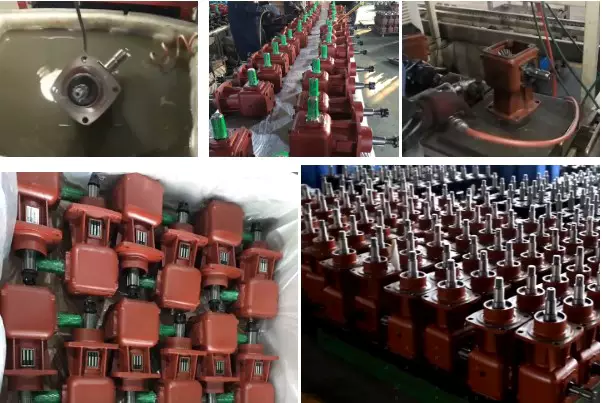
Regional Compliance and Regulations
In Argentina, gearboxes must comply with IRAM standards for machinery safety, similar to Brazil’s INMETRO certification requiring vibration tests under ABNT NBR 10082. Major provinces like Mendoza mandate noise limits below 85 dB per Resolution 76/2019.
Typical crops include Torrontés in Salta, harvested March-April, where dust-proof designs meet local environmental regs. Neighboring Chile follows EN 1553 for agricultural drivetrains, emphasizing torque testing.
Local brands like Vassalli use ISO metric interfaces, compatible with our 35mm outputs. In Uruguay, Law 19.196 requires emission controls, influencing lubricant choices.
For “Argentina vineyard gearbox compliance,” these units pass CE equivalents for export, supporting safe operations in Rio Negro’s apple-grape mixed farms during dry seasons.
Integration with John Deere systems in neighboring countries adheres to ASABE S318 for PTO safety.
- IRAM 8076 for mechanical integrity in Argentine vineyards.
- INMETRO Ordinance 374 in Brazil for import certification.
- Chilean SEC labeling for electrical components in drivetrains.
Engineer Perspectives on Design Features
Design ideology centers on modular construction, allowing field repairs with standard tools, reducing downtime in remote vineyards. Innovation includes nitride-treated gears for 30% better wear resistance in abrasive soils.
Structure optimization uses finite element analysis to reinforce high-stress areas, achieving a 1.5 safety factor. User feedback from Argentine operators led to wider oil sumps for better cooling in 35°C ambient temps.
Iterations based on 5-year field data incorporated quick-drain ports, cutting maintenance time by 40%. For engineers specifying “advanced grape harvester transmissions,” the focus on backlash control enhances precision.
New materials like ductile iron QT500 provide impact toughness of 20 J/cm², vital for rocky terrains in San Juan.
Overall, the evolution reflects hands-on testing in diverse conditions, ensuring robustness.
Customer Cases and Success Stories
Engineer note from Mendoza, Argentina: A vineyard manager reported frequent jams in older units during wet harvests. We installed gearboxes with enhanced seals, resulting in zero breakdowns over 600 hours, boosting yield by 12 tons per hectare. “The smooth torque delivery transformed our operations,” he said.
In Chile’s Maipo Valley: Operators faced heat-related failures. Our cooled designs operated flawlessly, with feedback praising the 20% efficiency gain. “Reliable in extreme conditions,” noted the technician.
Brazilian case in Bento Gonçalves: High vibration damaged fruits. Upgraded gearboxes reduced shaking intensity, improving quality scores by 15%. “Essential for premium wines,” shared the owner.
Uruguayan vineyard in Canelones: Dust ingress caused wear. IP-rated units extended life, with users rating durability 9/10. “Cost savings were immediate,” commented the engineer.
French application in Bordeaux: Adapted for dense vines, gearboxes handled 150 HP inputs without issue. “Superior to previous setups,” evaluated the team.
Australian story from Barossa: Sandy soils tested resilience; our models performed with minimal maintenance. “Game-changer for large-scale ops,” said the operator.
Industry News and Trends
Recent reports from Argentina’s Ministry of Agriculture highlight a 10% increase in mechanized harvesting, driven by labor shortages. In Mendoza, new tech integrates gearboxes with GPS for precision farming.
Trends point to electric harvesters, requiring gearboxes with higher efficiency ratings above 95%. In Brazil, sustainable practices favor low-emission components compliant with Proálcool programs.
Future directions include AI-monitored wear, predicting failures 200 hours in advance. For “latest vineyard machinery updates,” hybrid systems are emerging in Chile.
Global shifts toward autonomy demand robust drivetrains, with Argentina leading in Malbec production tech.
News from INTA emphasizes durable parts for climate resilience.
Signs Indicating Need for Gearbox Replacement
Unusual grinding noises during operation signal gear wear, often after 8,000 hours in dusty conditions. Increased vibration exceeding 3 mm/s suggests bearing failure.
Oil leaks from seals indicate degradation, common in high-humidity areas like Argentine pampas. Power loss, with RPM drops of 10%, points to internal slippage.
Overheating above 90°C during normal loads warns of lubrication issues. For “when to replace harvester gearboxes,” monitor these in annual inspections.
Erratic torque delivery affects harvest quality, necessitating prompt action.
Visual cracks on housing from impacts require immediate replacement to avoid catastrophic failure.
Common FAQs for B2B Clients
- What torque ratings suit 100 HP harvesters? Ratings from 1200-1800 Nm ensure reliable performance in sloped vineyards, with overload protection up to 2.0 factor per AGMA standards.
- How do these gearboxes handle dusty environments? With IP65 seals and filtered breathers, they prevent ingress, maintaining efficiency in dry harvest seasons across South America.
- Are they compatible with European brands? Yes, matching interfaces for Gregoire and Pellenc, including 1-3/8″ splines and 4-bolt flanges for seamless integration.
- What maintenance intervals are recommended? Oil changes every 500 hours, with visual inspections quarterly, extending life in humid conditions like those in Uruguay.
- Do they comply with local regs? Fully aligned with IRAM and INMETRO, including vibration limits under 2.5 mm/s for safe operation in Argentina and Brazil.
Related Products and System Compatibility
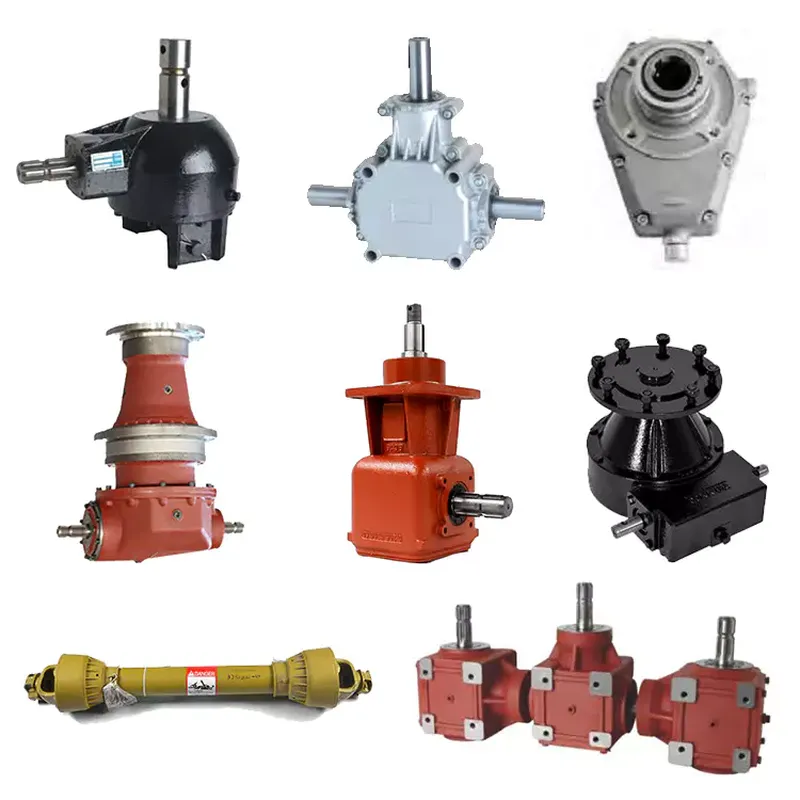
PTO shafts with safety guards, telescopic sections, and cross-type universal joints complement gearboxes, offering lengths up to 2 meters for flexible connections.
Accessories like sprockets (ANSI #60), chains, racks, lubrication systems, pulleys, couplings, and hydraulic cylinders ensure one-stop sourcing. For “buy PTO shafts for grape harvesters,” compatibility with 540 RPM inputs streamlines setups.
Whole machines such as seeders or reapers can incorporate these gearboxes, with models handling 50-150 HP. System integration reduces vibration transfer by 25%.
Our full range covers all agricultural needs, sparking interest in bulk procurement for vineyard fleets.
Advantages include standardized interfaces for quick assembly, cutting installation time by half.
Why Choose Our Solutions
Proven in demanding vineyards, our gearboxes deliver unmatched durability and efficiency, backed by rigorous testing. To explore how they can enhance your operations, request a quote for grape harvester upgrades today.
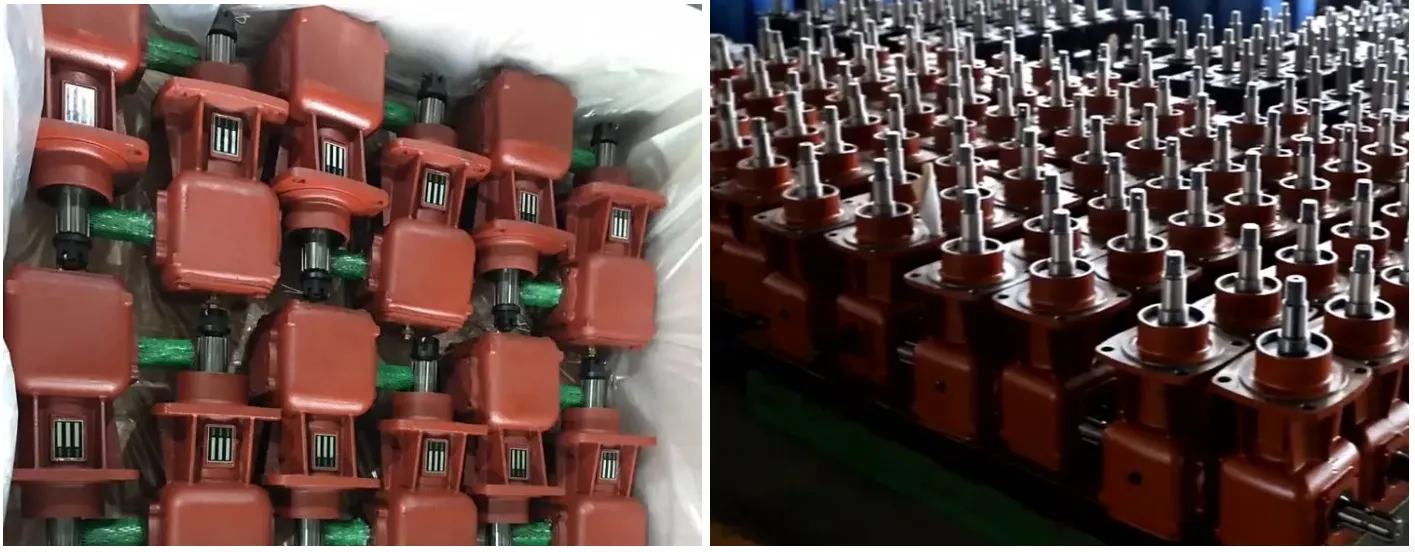
With a focus on precision engineering, we provide components that integrate seamlessly, supporting sustainable farming. Visit our main catalog for agricultural drivetrains to see the full lineup.
For customized needs, our team offers technical consultations to match your specific requirements.
| Accessory | Specs | Compatibility |
|---|---|---|
| PTO Shaft | Length: 1.5m, U-joint: 27×74.6mm | Standard 6-spline |
| Coupling | Torque: 1000 Nm | Flexible disc type |
| Lubrication System | Auto-dispense, 2L capacity | Threaded ports |
Ready to optimize your fleet? Inquire about bulk orders for vineyard equipment now.