
Descrizione del prodotto
Agricultural Machinery Gearbox Agriculture Tractor Machinery Parts 90 Degree Angle Pto Gearbox Worm Gear Speed Reducer
Variety Materials AvailableAlloy steel, Casting, die casting, Aluminum,Brass, Zinc alloy, POM, plastic, Stainless steel, Iron, or per
your demand.Machining ProcessingForging/casting; Turning;Broaching;Teeth hobbing; Teeth burnishing;Teeth slotting;Teeth grinding;
Heating treatment; Grinding; Assembly; Testing.Heat Treatmentcarbonitriding;carburization;nitridation; vacuum quenching;frequency
quenching;temperingSurface TreatmentBlackening;Oxidation;electrophoresis;Powder coating;phosphorizationInspectionISO9001-2015
Certification; 100% responsible for your orders.
1. High strength of gearbox, gears, and shafts, sturdy and durable
2. 2 metric output shaft bore diameters(Standard and Optional)
3. Optional backstop to prevent back driving. The backstop is not recommended for the gear ratio of 5
4. Double lips skeleton oil seal combines the functions of seal and dust-proof
5. Widely used in belt conveyor and pulley drive system
A 90 degree angle pto gearbox is a type of gearbox that is used to transmit power from a tractor’s PTO shaft to an implement that is located at a 90 degree angle to the tractor. This type of gearbox is commonly used with implements such as hay balers, mowers, and tillers.
The 90 degree angle pto gearbox typically has 2 shafts: an input shaft and an output shaft. The input shaft is connected to the tractor’s PTO shaft, and the output shaft is connected to the implement. The gears in the gearbox transmit power from the input shaft to the output shaft, and the 90 degree angle between the shafts allows the implement to be located at a 90 degree angle to the tractor.
90 degree angle pto gearboxes are available in various sizes and capacities. The gearbox size will depend on the power output of the tractor’s PTO shaft and the power requirements of the implement. The capacity of the gearbox will depend on the amount of torque that is required to operate the implement.
90 degree angle pto gearboxes are a valuable tool for farmers and other users of tractors. They allow users to operate a variety of implements at a 90 degree angle to the tractor, saving time and labor.
Here are some of the advantages of using a 90 degree angle pto gearbox:
- Increased productivity. A 90 degree angle pto gearbox can help you to increase your productivity by allowing you to operate multiple implements at the same time.
- Reduced labor costs. A 90 degree angle pto gearbox can help you to reduce your labor costs by allowing you to do more work with less people.
- Improved efficiency. A 90 degree angle pto gearbox can help you to improve the efficiency of your operations by allowing you to use the power of the tractor more effectively.
If you are looking for a way to increase your productivity, reduce your labor costs, and improve the efficiency of your operations, then a 90 degree angle pto gearbox is a great option.
| Applicazione: | Motor, Electric Cars, Agricultural Machinery, Car |
|---|---|
| Funzione: | Speed Reduction |
| Disposizione: | – |
| Durezza: | – |
| Installazione: | – |
| Fare un passo: | – |
| Campioni: | US$ 9999/Piece 1 pezzo (ordine minimo) | |
|---|
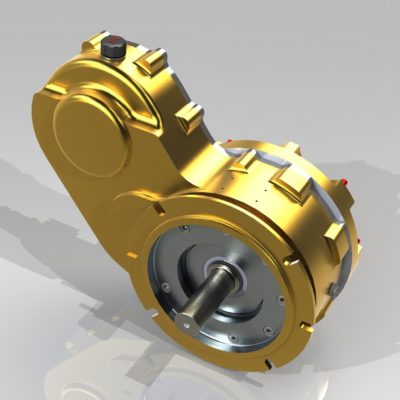
Installazione e allineamento corretti degli ingranaggi obliqui
Installare e allineare correttamente un riduttore per troncatrice è essenziale per garantirne prestazioni ottimali e lunga durata. Seguire questi passaggi per ottenere un'installazione e un allineamento corretti:
- Preparazione: Raccogliere tutti gli strumenti e le attrezzature necessari per l'installazione, tra cui hardware di montaggio, spessori e strumenti di allineamento.
- Superficie di montaggio: Assicurarsi che la superficie di montaggio sia pulita, piana e priva di detriti o contaminanti che potrebbero compromettere l'allineamento e il funzionamento del cambio.
- Strumenti di allineamento: Utilizzare strumenti di allineamento di precisione, come comparatori a quadrante o sistemi di allineamento laser, per misurare e regolare con precisione l'allineamento del cambio e dei suoi alberi di ingresso e di uscita.
- Controllare il parallelismo: Allineare gli alberi di ingresso e di uscita del cambio in modo che siano paralleli tra loro e perpendicolari alla superficie di montaggio. Questo passaggio è fondamentale per prevenire l'usura causata da disallineamenti e ridurre il gioco.
- Regolazione: Utilizzare spessori o altri componenti regolabili per perfezionare l'allineamento. Effettuare regolazioni incrementali controllando costantemente l'allineamento con gli strumenti di allineamento scelti.
- Carichi portanti: Assicurarsi che i cuscinetti che supportano gli alberi del cambio siano adeguatamente lubrificati e precaricati secondo le raccomandazioni del produttore. Un corretto precarico dei cuscinetti aiuta a mantenere l'allineamento e riduce l'usura.
- Bulloni di serraggio: Serrare i bulloni di montaggio gradualmente e in modo uniforme per evitare di introdurre ulteriori disallineamenti durante il processo di installazione.
- Scorrimento e gioco: Verificare eventuali problemi di eccentricità o gioco durante la rotazione ruotando l'albero di ingresso. In caso di inceppamenti, interferenze o rumori anomali, indagare e risolvere la causa prima di completare l'installazione.
- Controlli finali: Controllare nuovamente l'allineamento utilizzando gli strumenti di allineamento e assicurarsi che il cambio funzioni senza intoppi, senza vibrazioni, rumori o resistenze insolite.
- Documentazione: Conservare un registro delle misurazioni di allineamento e delle regolazioni effettuate durante l'installazione. Questa documentazione può essere utile per future consultazioni e manutenzioni.
L'installazione e l'allineamento corretti dei riduttori angolari contribuiscono a ottimizzarne le prestazioni, a ridurre al minimo l'usura e a contribuire all'efficienza e all'affidabilità complessive del sistema meccanico in cui vengono utilizzati.
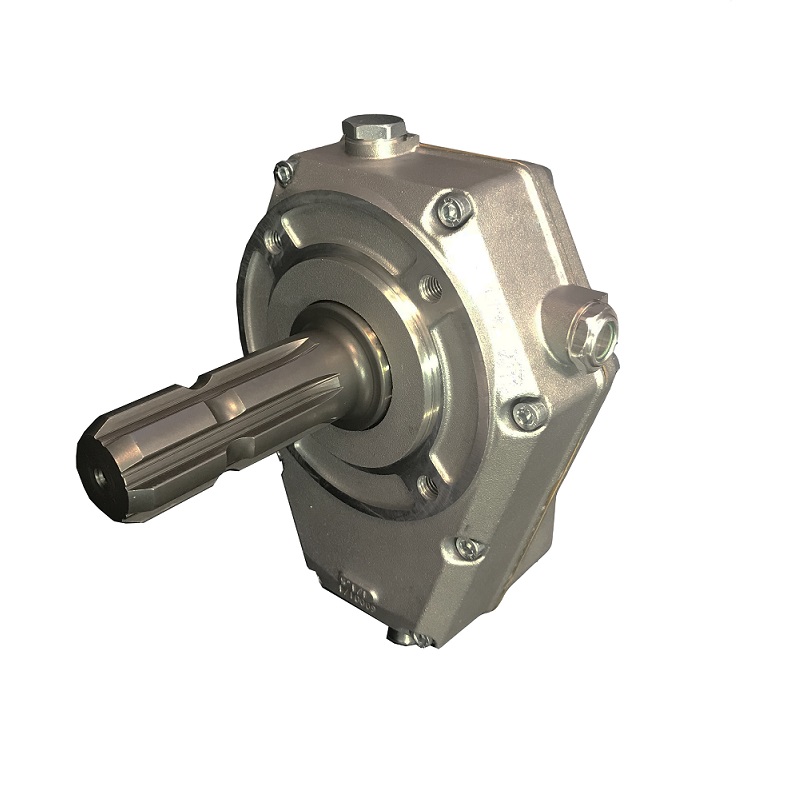
Miter Gearboxes in Automotive Applications, Especially Steering Systems
Miter gearboxes play a crucial role in automotive applications, particularly in steering systems, where they are utilized to change the direction of motion by 90 degrees. Here’s how miter gearboxes perform in automotive steering systems:
Steering Mechanism: In vehicles, the steering column provides the rotational motion, which needs to be transmitted to the wheels at a right angle for effective steering control. Miter gearboxes are integrated into the steering system to achieve this motion change.
Angular Change: The miter gearboxes take the rotational input from the steering column and transmit it through bevel gears placed at a 90-degree angle. This allows the motion to be directed towards the steering linkage and ultimately the wheels.
Precision and Accuracy: Automotive steering systems require precise and responsive motion control. Miter gearboxes ensure accurate transmission of motion, allowing drivers to have reliable and smooth steering control.
Compact Design: Miter gearboxes have a compact and space-saving design, making them suitable for installation within the limited space of a vehicle’s steering column.
Reduced Backlash: To ensure safety and responsiveness, miter gearboxes are designed to minimize backlash, which is crucial for maintaining accurate control over the vehicle’s direction.
Durability: Automotive applications demand durability and reliability. Miter gearboxes are designed to withstand the conditions and loads experienced in vehicles, ensuring long-lasting performance.
Miter gearboxes contribute to the efficient and effective operation of steering systems in vehicles, providing drivers with the control needed to navigate safely and comfortably.
Significato dell'angolo tra gli ingranaggi conici in un riduttore a mitra
L'angolo tra gli ingranaggi conici in un riduttore a 45° è di fondamentale importanza poiché determina la direzione della trasmissione del movimento e il tipo di disposizione meccanica che può essere ottenuta.
In un riduttore a dentatura obliqua, l'angolo tra gli ingranaggi conici è in genere impostato a 90 gradi. Ciò significa che i due alberi intersecanti ruoteranno perpendicolarmente l'uno all'altro, consentendo la trasmissione del moto da un albero all'altro ad angolo retto.
L'angolo di 90 gradi tra gli ingranaggi conici è una caratteristica fondamentale che consente diverse applicazioni in cui sono richiesti cambi di direzione del movimento in spazi ridotti. Questa configurazione consente di reindirizzare l'energia rotazionale e la coppia, rendendola utile in applicazioni come la modifica dell'orientamento del flusso di potenza, il reindirizzamento del movimento e la trasmissione di potenza attorno a ostacoli o angoli.
È importante notare che l'angolo tra gli ingranaggi conici può essere personalizzato su diversi valori, ma 90 gradi è la configurazione più comune nei riduttori angolari, grazie alla sua versatilità e praticità. L'angolo preciso e la disposizione degli ingranaggi conici garantiscono un'efficiente trasmissione del movimento, soddisfacendo al contempo i requisiti specifici del sistema meccanico in cui viene utilizzato il riduttore angolare.


editor by CX 2023-10-08