
Descrizione del prodotto
Agricultural Tractor Powered Generator Drilling Conveyor Pto Gearboxes
Our Factory:
1. Shell: made of high rigidity fc-25 cast iron;
2. Gear: high purity alloy steel 20crmnt is used for quenching and tempering, carburizing, quenching and grinding;
3. Spindle: high purity alloy steel 40Cr quenching and tempering processing, with high hanging load capacity.
4. Bearing: equipped with tapered roller bearing with heavy load capacity;
5. Oil seal: imported double lip oil seal, with the ability of dust and oil leakage.
Product lubrication:
The use of proper lubricating oil for t spiral bevel gear commutator can give full play to the efficiency of the steering gear and improve its service life.
1. The initial wear period is 2 weeks or 100-200 hours. There may be a small amount of metal wear particles between them. Please clean the interior and replace it with new lubricating oil;
2. In case of long-term use, change the lubricating oil every half a year or 1000-2000 hours.
Technical parameters of T spiral bevel gear commutator:
It can be equipped with single horizontal axis, double horizontal axis, single vertical axis and double vertical axis 1:5, 1:5, 1:1, 1:5, 1:5, 1:1
Related products:
Applicazione:
Company Profile:
| Applicazione: | Motor, Electric Cars, Motorcycle, Machinery, Marine, Agricultural Machinery, Car |
|---|---|
| Funzione: | Distribution Power, Clutch, Change Drive Torque, Change Drive Direction, Speed Changing, Speed Reduction, Speed Increase |
| Disposizione: | Coaxial |
| Durezza: | Superficie del dente indurita |
| Installazione: | Tipo orizzontale |
| Fare un passo: | Tre fasi |
| Campioni: | US$ 9999/Piece 1 pezzo (ordine minimo) | |
|---|
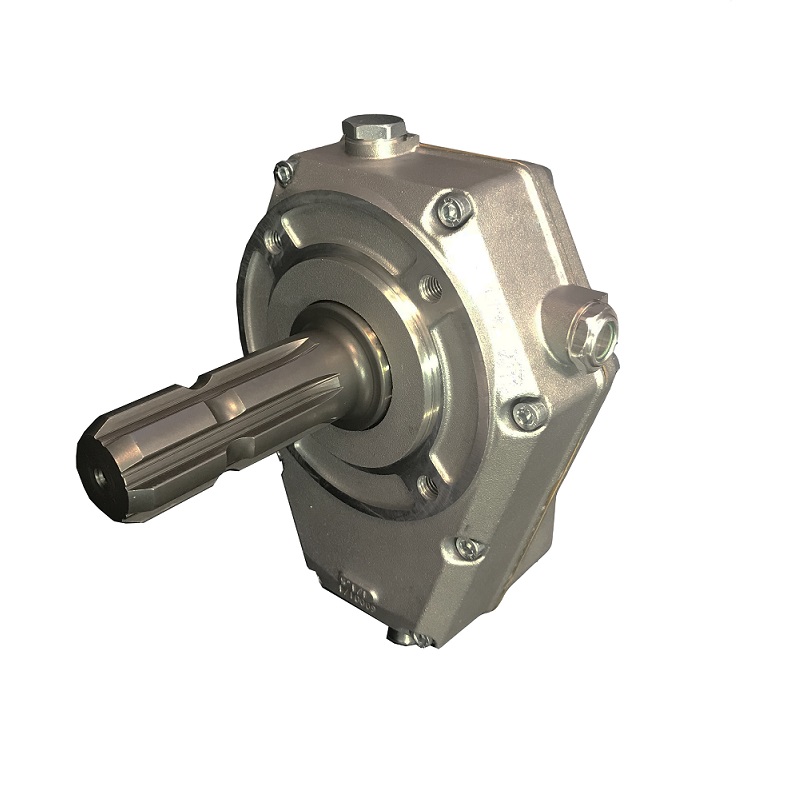
Lubrication Requirements for Smooth Functioning of Miter Gearboxes
Proper lubrication is crucial for ensuring the smooth and efficient operation of miter gearboxes. Follow these lubrication requirements to maintain optimal gearbox performance:
- Appropriate Lubricant: Select a high-quality lubricant specifically designed for gear applications. The lubricant should have the necessary viscosity and additives to provide adequate protection and reduce friction.
- Lubricant Compatibility: Ensure that the selected lubricant is compatible with the materials used in the gearbox components, such as gears, shafts, and bearings. Incompatible lubricants can lead to degradation of materials and reduced performance.
- Lubrication Interval: Follow the manufacturer’s recommendations for lubrication frequency. Regular lubrication helps prevent wear, reduce friction, and dissipate heat generated during operation.
- Proper Quantity: Apply the correct amount of lubricant to ensure proper coverage of gear teeth and other moving parts. Insufficient lubrication can lead to increased friction and premature wear.
- Lubrication Method: Use the recommended lubrication method, which may involve oil bath, splash lubrication, or forced lubrication, depending on the gearbox design and application.
- Temperature Considerations: Take into account the operating temperature of the gearbox and choose a lubricant that can withstand the temperature range. Extreme temperatures can affect the viscosity and performance of the lubricant.
- Sealing and Contamination Prevention: Ensure that the gearbox is properly sealed to prevent the entry of contaminants, such as dirt, dust, and moisture, which can degrade the lubricant and cause damage to components.
- Regular Inspection: Periodically inspect the lubricant for signs of contamination, degradation, or depletion. Replace the lubricant if any abnormalities are detected.
- Re-greasing: In cases where miter gearboxes are subjected to heavy loads, high speeds, or harsh conditions, consider implementing a re-greasing schedule to maintain adequate lubrication levels and extend component life.
Following these lubrication requirements ensures that miter gearboxes operate smoothly, efficiently, and with reduced wear, ultimately contributing to the overall reliability and longevity of the mechanical system.
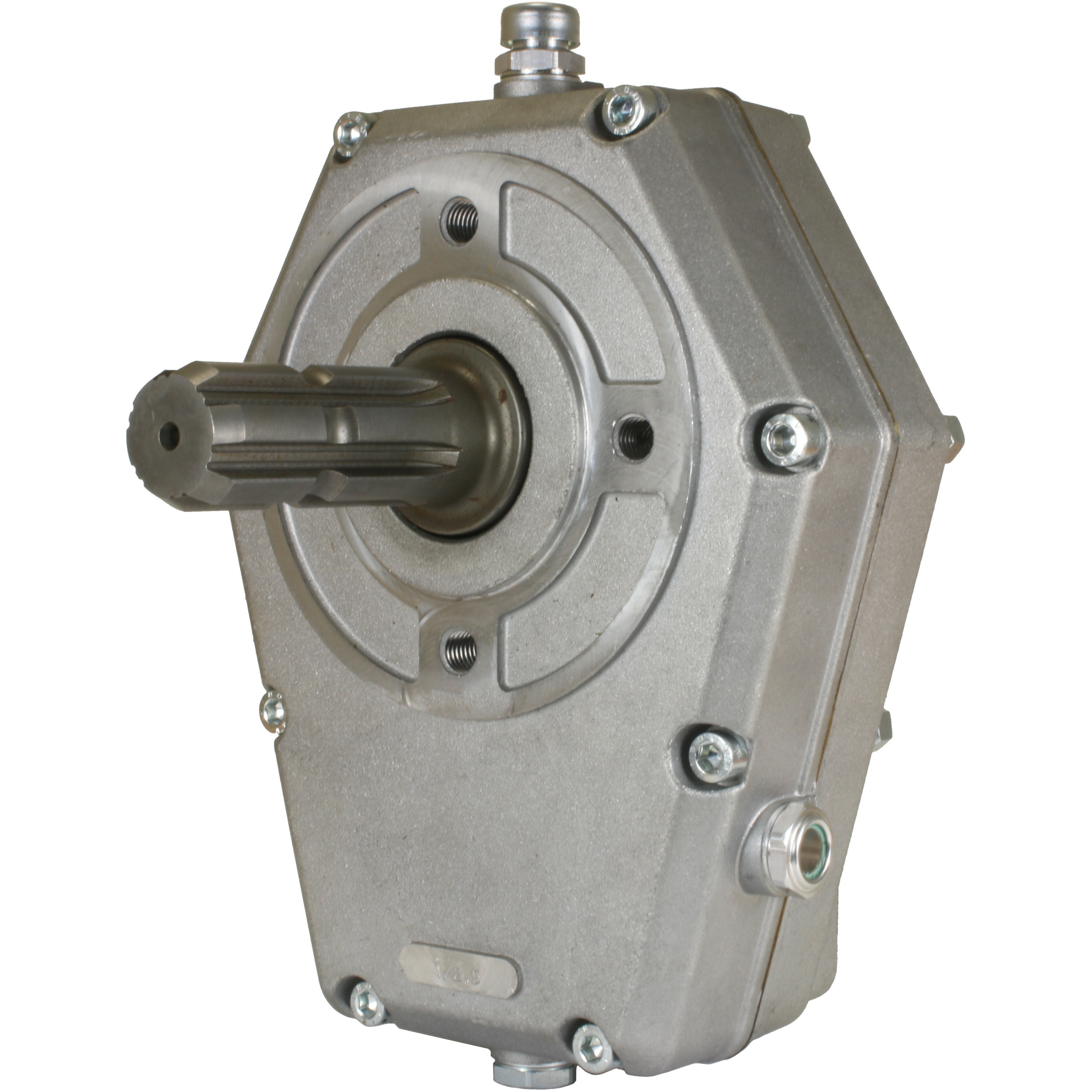
Advantages of Miter Gearboxes Over Other Gear Systems
Miter gearboxes offer distinct advantages in certain scenarios that make them preferred over other types of gear systems:
90-Degree Motion Change: Miter gearboxes excel at changing the direction of motion by 90 degrees. This makes them ideal for applications where a right-angle change in motion is required.
Compact Design: Miter gearboxes have a compact and space-saving design, making them suitable for applications with limited space constraints.
Precision Steering: In automotive steering systems, miter gearboxes provide precise and accurate control over the direction of vehicles, contributing to safe and responsive steering.
Reduced Backlash: Miter gearboxes are designed to minimize backlash, ensuring accurate and smooth motion transfer. This makes them suitable for applications where precision and responsiveness are critical.
Personalizzazione: Miter gearboxes can be customized to suit specific torque, speed, and design requirements, making them adaptable to various applications.
Reliable Motion Transmission: Miter gearboxes provide reliable motion transmission and are often chosen for applications where consistent and accurate motion control is essential.
Low Noise and Vibration: The design of miter gearboxes can help reduce noise and vibration, making them suitable for applications where quiet operation is necessary.
Miter gearboxes are preferred in scenarios where their unique design and capabilities align with specific motion control and direction change requirements, offering efficiency, precision, and reliability.
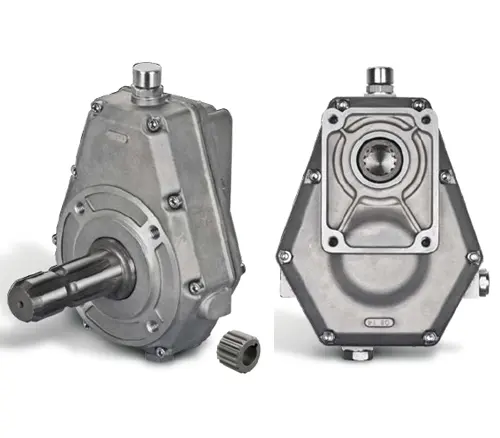
Gestione di applicazioni ad alta velocità e carichi pesanti in riduttori obliqui
I riduttori angolari sono componenti meccanici versatili in grado di gestire un'ampia gamma di applicazioni, sia ad alta velocità che con carichi pesanti. L'idoneità di un riduttore angolare per una specifica applicazione dipende da diversi fattori, tra cui progettazione, materiale, lubrificazione e considerazioni ingegneristiche generali.
Per applicazioni ad alta velocità, i riduttori angolari possono essere progettati e realizzati per gestire le velocità di rotazione tipiche di vari settori industriali. I riduttori angolari correttamente progettati terranno conto di fattori quali il profilo dei denti degli ingranaggi, la lubrificazione e la selezione dei materiali per ridurre al minimo l'attrito, la generazione di calore e l'usura, consentendo un funzionamento efficiente e affidabile ad alte velocità.
Allo stesso modo, i riduttori angolari possono essere progettati per gestire applicazioni con carichi pesanti. Grazie all'utilizzo di materiali durevoli, lavorazioni meccaniche di precisione e robusti cuscinetti, i riduttori angolari possono trasmettere in modo efficiente elevati livelli di coppia mantenendo l'integrità strutturale. La disposizione degli ingranaggi conici nei riduttori angolari è ideale per distribuire uniformemente i carichi pesanti sui denti degli ingranaggi, garantendo una trasmissione di potenza fluida e uniforme.
È importante notare che il design specifico e le capacità di un riduttore obliquo variano a seconda del produttore e dell'applicazione prevista. Ingegneri e progettisti lavorano per ottimizzare i rapporti di trasmissione, la disposizione dei cuscinetti e i materiali dell'alloggiamento per garantire che il riduttore obliquo possa soddisfare le esigenze dell'applicazione specifica, che si tratti di alte velocità, carichi pesanti o una combinazione di entrambi.
In definitiva, i riduttori angolari possono garantire prestazioni affidabili in un'ampia gamma di condizioni operative, il che li rende una scelta versatile per vari settori e applicazioni.


editor by CX 2023-10-07