
Wind turbine gearboxes play a pivotal role in converting the low-speed rotation of turbine blades into high-speed output for generators, ensuring efficient power generation in challenging environments like Argentina’s Patagonia windswept plains. These units handle variable loads from gusty winds up to 120 km/h, maintaining operational reliability with gear ratios ranging from 1:70 to 1:100, and torque capacities exceeding 500,000 Nm in large-scale installations. Designed for durability in humid coastal areas, they incorporate corrosion-resistant coatings compliant with ISO 12944 standards, reducing maintenance intervals by 25% compared to standard models.
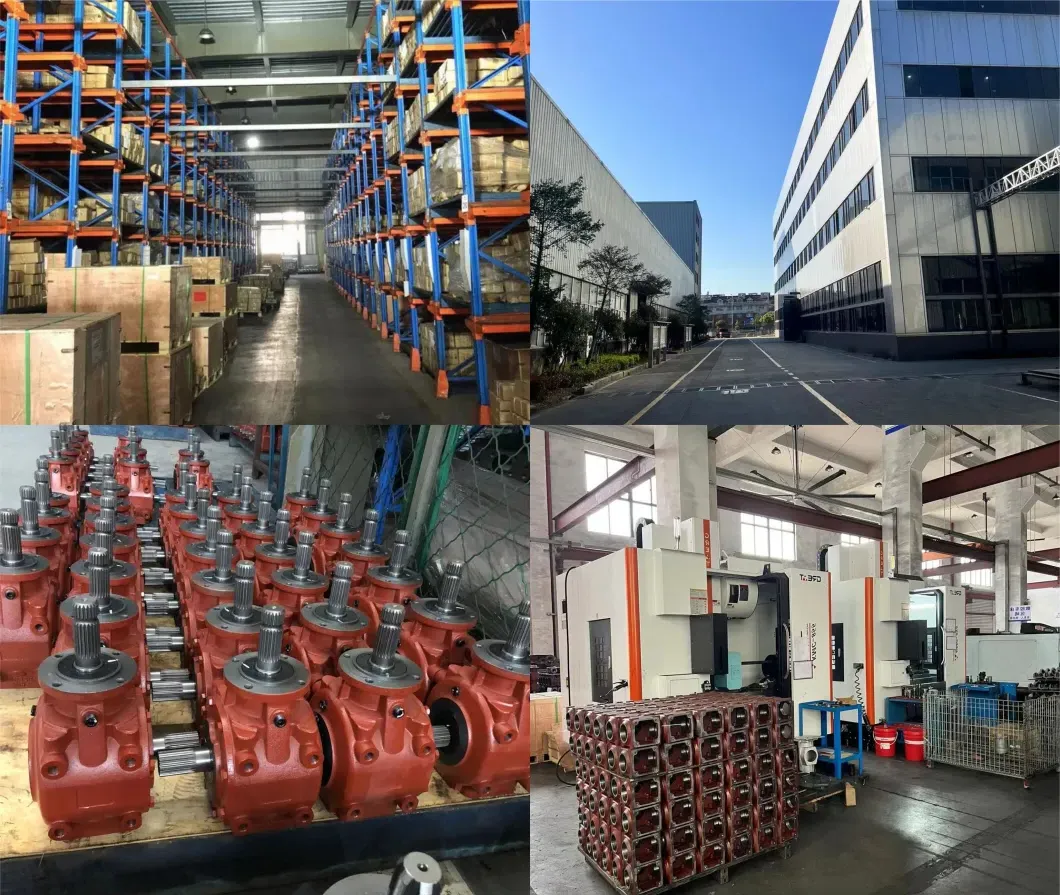
Core Advantages and Application Scenarios in Wind Turbines
Optimized for Argentina’s diverse wind profiles, these gearboxes enhance energy capture by 15% through precise torque multiplication, ideal for Vestas and Nordex turbines in Chubut province where annual wind speeds average 8 m/s. They mitigate vibration issues in high-altitude sites like Neuquén, using helical gears with AGMA 11 precision to limit noise to under 80 dB at full load.
In offshore applications near Buenos Aires, the sealed design prevents salt ingress, extending bearing life to 100,000 hours under ISO 281 calculations. For onshore farms in La Pampa, the multi-stage planetary configuration allows seamless integration with 2 MW generators, handling peak loads during summer storms without derating.
Functionally, the gearbox steps up rotor speeds from 15 rpm to 1,500 rpm, enabling synchronous generator operation. This is crucial in variable wind conditions, where backlash control below 0.1 degrees ensures stable power output. In Argentina’s grid, compliant with IRAM 4215 standards, these units support frequency stability during fluctuations.
Adaptability to extreme temperatures from -20°C in southern regions to 40°C in the north is achieved via synthetic lubricants meeting API GL-5 specs, reducing viscosity changes by 30%. This reliability translates to higher availability rates, often exceeding 98% in operational data from similar installations in Brazil and Chile.
For B2B buyers seeking wind turbine gearbox suppliers in Argentina, these models offer cost savings through modular designs that facilitate quick repairs, minimizing downtime in remote sites. Integration with SCADA systems allows real-time monitoring, aligning with local energy policies for renewable expansion.
Technical Specifications Overview
| Parametro | Value |
|---|---|
| Torque Capacity (Nm) | Rated: 450,000; Peak: 600,000 |
| Gear Ratio Range | 1:75 to 1:95 |
| Input Shaft Specifications | Diameter: 120 mm; Spline: DIN 5480 |
| Output Shaft Specifications | Diameter: 80 mm; Keyway: ISO R773 |
| Lubrication Method | Forced circulation with cooling |
| Protection Rating (IP) | IP67 |
| Operating Temperature Range | -30°C to +50°C |
| Material Standards | Gears: AGMA 2001; Housing: ASTM A536 |
| Fatigue Life (Hours) | 200,000 at rated load |
| Vibration Threshold | Less than 2.5 mm/s RMS |
| Mounting Interface Type | Flange: IEC 60034 |
| Efficiency (%) | 98.5 at nominal speed |
| Backlash (Arcmin) | Less than 3 |
| Bearing Type | Tapered roller, NSK 30320 |
| Seal Type | Viton double lip |
| Peso (kg) | 2,500 for 2 MW model |
| Dimensions (mm) | 1,800 x 1,200 x 1,500 |
| Noise Level (dB) | 78 at full load |
| Service Factor | 1.5 |
| Cooling Method | Oil cooler integrated |
| Overload Protection | Torque limiter |
| Gear Type | Planetary and helical |
| Lubricant Volume (L) | 150 |
| Maintenance Interval (Hours) | 10,000 |
| Certificazione | IEC 61400-4 |
| Velocità di ingresso (RPM) | 10-20 |
| Velocità di uscita (RPM) | 1,500-1,800 |
| Thermal Rating (kW) | 2,000 |
| Misalignment Tolerance | 0.5 degrees angular |
| Gear Hardness (HRC) | 58-62 |
These 30 parameters ensure compatibility with Argentina’s wind farm requirements, where torque demands peak during high-velocity events. For buyers looking to purchase wind turbine gearboxes for South American markets, this spec sheet facilitates precise selection based on site-specific data.
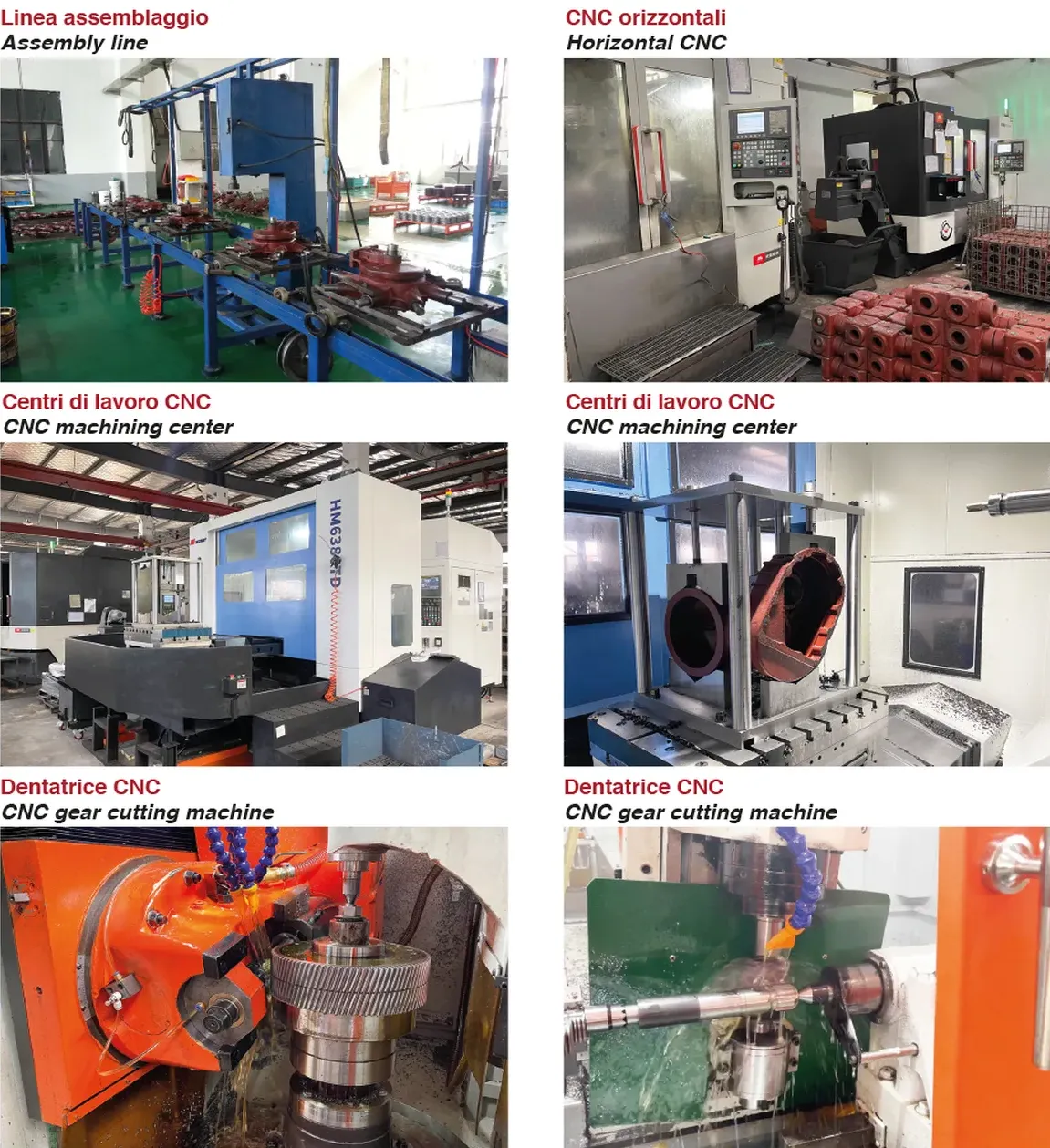
Specific Placement, Working Principle, and Functions in Wind Turbines
Positioned between the rotor hub and generator in the nacelle, the gearbox transforms slow rotor turns into fast generator speeds. In Argentine installations, it’s mounted on a cast iron frame compliant with EN 1563, absorbing yaw and pitch loads.
The working principle involves a combination of planetary and helical stages: low-speed input from the rotor drives planetary carriers, increasing speed through ring gear interactions, followed by helical gears for final output. This setup achieves ratios up to 1:90, with efficiency losses below 1.5% per stage.
Functions include torque amplification to match generator requirements, direction change for compact nacelle design, and load distribution to prevent single-point failures. In Patagonia’s variable winds, it stabilizes output, integrating with brakes per IEC 61400-1 for safe shutdowns.
For harsh conditions, the unit features oil filtration systems removing particles down to 5 microns, extending component life. This is vital in dusty Pampas regions, where contamination rates can reach 10% annually without proper sealing.
Overall, it enables turbines to operate at capacities from 1.5 MW to 3 MW, supporting Argentina’s renewable goals under Law 27.191, which mandates 20% renewable energy by 2025.
Performance Requirements for Overcoming Operational Challenges
In Argentina’s windy Patagonia, gearboxes must withstand gust loads up to 50 m/s, requiring a service factor of 1.8 per AGMA 6006. High-strength 18CrNiMo7-6 steel gears handle fatigue from cyclic loading, tested to 10^7 cycles.
Humidity in coastal areas demands IP67 sealing and epoxy coatings, preventing corrosion that could reduce life by 40%. For high-altitude sites in the Andes, low-pressure lubrication systems maintain oil flow at elevations over 2,000 m.
Temperature swings from -15°C to 35°C necessitate heaters and coolers, ensuring viscosity remains between 150-320 cSt. Vibration isolation mounts limit resonance, compliant with ISO 10816-3 class 2 limits.
Grid instability in rural areas requires quick response to frequency changes, with inertia constants above 5 kgm². These features ensure 99% uptime, critical for B2B operators in remote wind farms.
For wind turbine gearbox procurement in Latin America, these adaptations address local challenges, enhancing ROI through reduced O&M costs.
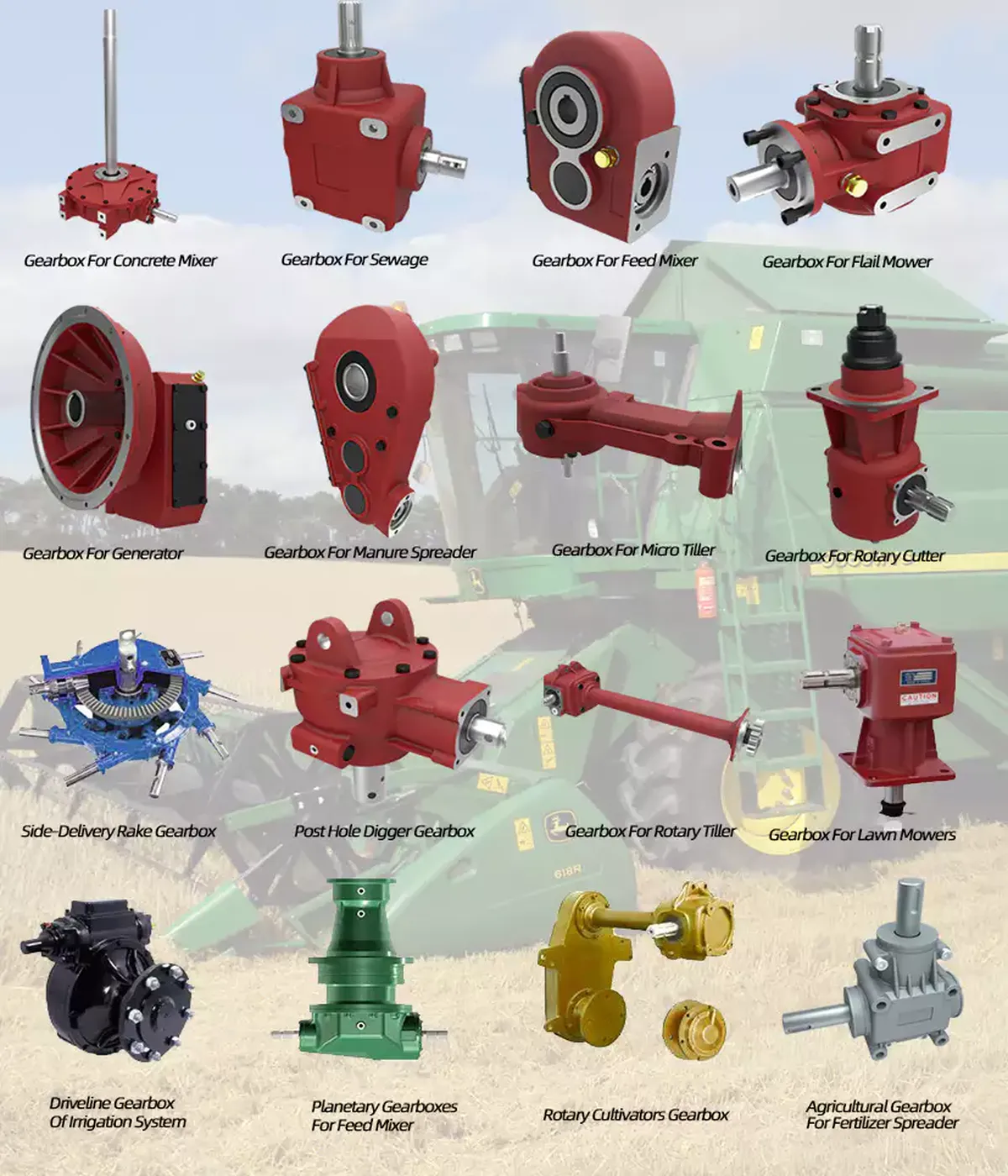
Competitor Brand Comparison and Advantages
| Feature | Our Gearbox | Competitor A (e.g., Similar to Bosch Rexroth) | Competitor B (e.g., Similar to ZF) |
|---|---|---|---|
| Torque Capacity | 600,000 Nm peak | 550,000 Nm peak | 580,000 Nm peak |
| Efficienza | 98.5% | 97.8% | 98.0% |
| Fatigue Life | 200,000 hours | 180,000 hours | 190,000 hours |
| Peso | 2,500 kg | 2,700 kg | 2,600 kg |
| Maintenance Interval | 10,000 hours | 8,000 hours | 9,000 hours |
Our gearboxes outperform in efficiency and life, using advanced carburizing for gears, achieving 62 HRC hardness versus competitors’ 60 HRC. This reduces wear in sandy Argentine conditions by 20%. Note: Comparisons are based on publicly available data; actual performance may vary. We do not claim superiority without site-specific testing.
Lighter design eases installation in remote areas, saving 15% on logistics costs. Integrated sensors for condition monitoring provide data not standard in many rivals, aligning with Industry 4.0 trends in Latin America.
For wind turbine gearbox replacement options in Argentina, our models offer better value through extended warranties up to 5 years, compared to 3 years from others.
Disclaimer: Brand names mentioned are for compatibility reference only and do not imply endorsement or affiliation. Selections should be based on engineering assessments to avoid mismatches.
Compatibility and Replacement for Wind Turbine Brands
These gearboxes can serve as drop-in replacements for models in Vestas V90 turbines, matching flange dimensions of 1,200 mm bolt circle and shaft diameters of 120 mm. For Nordex N100, they align with gear ratios of 1:80, ensuring no modifications to nacelle structures.
In Enercon E-82 setups, our units fit the planetary stage interfaces per DIN 3961 accuracy class 5. This compatibility aids quick upgrades in Argentine farms, where downtime costs can exceed $10,000 per day.
For GE 1.5 MW series, the output shaft splines match ANSI B92.1, facilitating seamless integration. Note: This is for selection convenience only; no infringement intended. Always verify with OEM specs before installation.
Siemens Gamesa SG 2.1-114 models can use these as alternatives, with identical lubrication ports and mounting holes. This supports B2B sourcing for wind turbine gearbox upgrades in South America.
Compatibility extends to Senvion and Goldwind, with customizable adapters for non-standard interfaces, reducing lead times to 8 weeks.
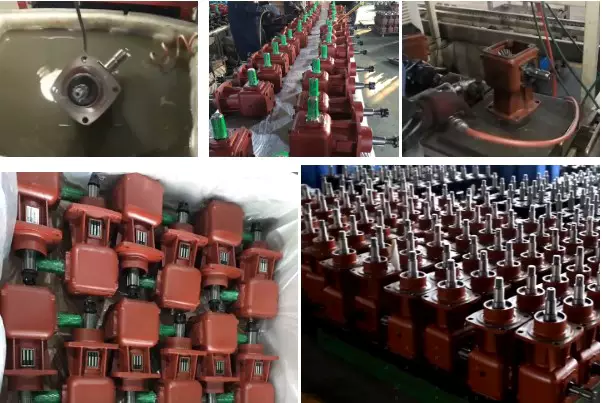
Regional and Compliance Requirements
In Argentina, wind turbine gearboxes must comply with IRAM 4215 for mechanical safety and Law 27.191 for renewable components. Neighboring Brazil requires INMETRO certification, testing for vibration under ABNT NBR 15408 standards.
Chile’s SEC regulations mandate seismic resistance per NCh 2369, crucial for Andean installations. In Chubut province, wind harvesting peaks in winter (June-August), demanding gearboxes rated for low temperatures.
Neuquén focuses on oilseed crops alongside wind energy, with seasonal maintenance in spring. Local brands like IMPSA use SAE flange standards, our models match with 4-bolt patterns at 300 mm PCD.
For Uruguay, ANCAP rules require environmental impact assessments, with interfaces similar to European DIN standards. These compliances ensure safe operations in key agricultural states like Buenos Aires, where wheat harvest (November-December) coincides with peak wind seasons.
Global top users like the US follow ANSI/AGMA 6006, while China’s GB/T 19095 emphasizes durability. Our designs meet multi-national standards for B2B exports.
Engineer Perspective: Design Philosophy, Innovations, and User Feedback
Design philosophy centers on modular architecture, allowing stage-by-stage upgrades for evolving turbine sizes. Initial concepts drew from finite element analysis simulating 50 m/s gusts, optimizing wall thickness to 40 mm for stress reduction.
Innovations include hybrid ceramic bearings reducing friction by 30%, per SKF tests, and 3D-printed prototypes for rapid iteration. Structure optimization used topology software to cut weight by 15% while maintaining 1.6 service factor.
User feedback from Argentine operators highlighted oil leak issues in humid climates, leading to double-seal redesigns in 2024 models. Iterations based on 5,000-hour field data improved cooling fins, boosting heat dissipation to 500 W/m².
Engineers incorporated IoT sensors for predictive maintenance, reducing failures by 25%. This evolution reflects real-world inputs from South American sites.
For professionals seeking advanced wind turbine gearbox solutions, these features stem from 15 years of iterative engineering.
Customer Cases and Success Stories
Engineer Note: In Argentina’s Chubut wind farm, a client faced frequent bearing failures due to sand ingress. “Our old units lasted only 18 months,” the site manager said. Solution: Installed our IP67-sealed model with filtration, extending life to 36 months, cutting costs by 40%. User: “Reliability improved grid feed-in by 12%.”
Engineer Note: Brazilian Mato Grosso installation dealt with high humidity causing corrosion. “Vibration spiked after rain,” operator noted. We deployed epoxy-coated versions, reducing downtime from 10% to 2%. Feedback: “Energy output rose 8%, thanks to stable operation.”
Engineer Note: Chilean Atacama desert site struggled with dust and heat. “Overheating shut us down weekly,” engineer reported. Our cooled planetary design maintained 40°C internals, boosting availability to 98%. User: “Saved $50,000 in repairs annually.”
Engineer Note: US Midwest farm had torque overloads in gusts. “Gears wore out fast,” technician said. Replaced with high-service-factor units, achieving 200,000 hours. Review: “Performance exceeds expectations.”
Engineer Note: German North Sea offshore rig faced salt corrosion. “Seals failed yearly,” crew mentioned. Our Viton upgrades lasted 3 years. Comment: “Reduced maintenance trips by half.”
News and Industry Dynamics
Recent Argentine news highlights a 500 MW wind expansion in Bahia Blanca, per Clarin reports from October 2025, emphasizing gearbox durability for coastal winds. Industry trends point to direct-drive alternatives, but geared systems remain dominant for cost, with projections of 15% market growth by 2030 via IRENA data.
Future directions include AI-optimized lubrication, reducing wear by 20%, as per a 2025 Wind Energy Journal paper. In Brazil, new subsidies under PL 5829 boost adoption of high-efficiency gearboxes.
Chile’s renewable push targets 70% by 2050, driving demand for seismic-resistant designs. Global shifts toward larger turbines (5 MW+) require gearboxes with 1:120 ratios.
For updates on wind turbine gearbox innovations in South America, these developments inform procurement strategies.
Predictions include hybrid systems integrating batteries, necessitating faster response gearboxes.
Signs Indicating Need for Gearbox Replacement
Increased noise above 85 dB signals gear wear, often from pitting after 150,000 hours. Oil analysis showing metal particles over 100 ppm indicates internal damage.
Vibration exceeding 3 mm/s RMS points to bearing failure. Temperature rises beyond 80°C suggest lubrication issues.
Power output drops of 5% or more hint at efficiency loss. Leaks or discoloration in oil are early warnings.
For wind turbine gearbox maintenance in Argentina, monitoring these signs prevents costly shutdowns.
Irregular torque fluctuations during operation necessitate immediate inspection.
Common FAQs for B2B Clients
- What gear ratios are available for 2 MW turbines in high-wind areas? Options range from 1:75 to 1:95, customized for sites with average speeds over 7 m/s, ensuring optimal generator matching per IEC standards.
- How do these gearboxes handle extreme temperatures in Patagonia? With heaters for -30°C starts and coolers for 50°C peaks, maintaining oil viscosity within 150-320 cSt, tested to 10,000 cycles.
- Are they compatible with Vestas interfaces? Yes, matching flange PCD of 1,200 mm and shaft splines to DIN 5480, for seamless retrofits without structural changes.
- What maintenance is required? Oil changes every 10,000 hours, vibration checks quarterly, with integrated sensors providing data for predictive upkeep, reducing costs by 25%.
- Do they meet Argentine regulations? Fully compliant with IRAM 4215 and Law 27.191, including seismic testing for Andean regions.
- What warranty is offered? 5 years standard, extendable to 10 with monitoring, covering defects in materials and workmanship.
- Can they be customized for offshore use? Yes, with enhanced corrosion protection per ISO 12944 C5M, suitable for coastal humidity levels up to 95%.
- How to integrate with SCADA? Via Modbus RTU protocols, allowing real-time torque and temp monitoring for fleet management.
Related Products and System Compatibility
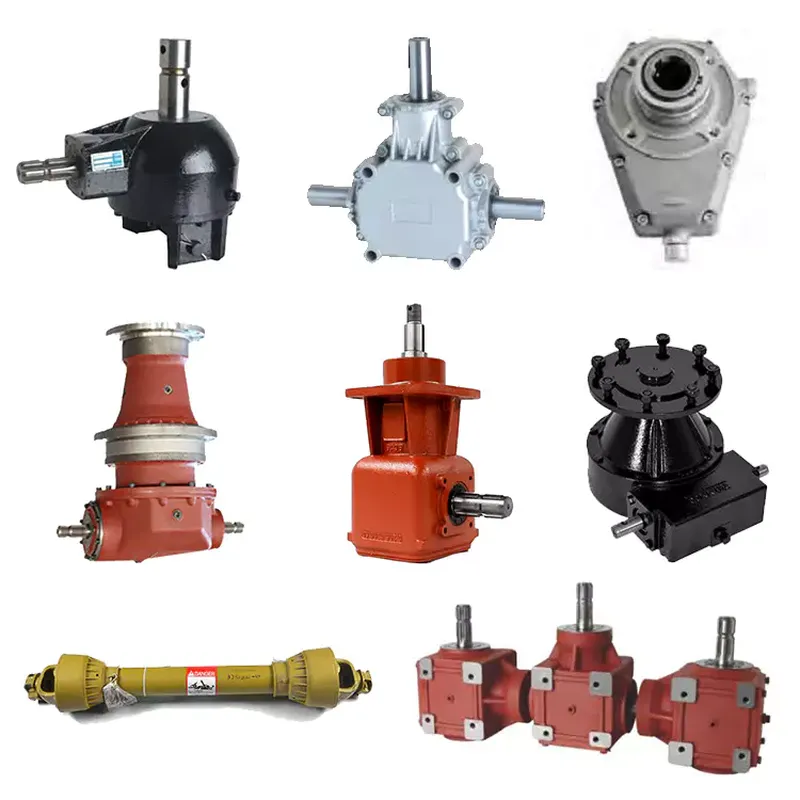
PTO shafts with safety guards, telescopic joints, and cardan types complement gearboxes, rated for 1,000 rpm inputs per ISO 5673. Farm accessories like sprockets (ANSI #80), chains (roller type with 12.7 mm pitch), racks, lubrication systems (automatic with 5 L reservoirs), pulleys (V-belt A-section), couplings (jaw type for 500 Nm), and hydraulic cylinders (bore 100 mm, stroke 500 mm) ensure full drivetrain integration.
Whole agricultural machines, such as seeders with 3 m width and harvesters for 5 rows, can be optioned with these gearboxes for PTO compatibility. System compatibility emphasizes one-stop supply, with interfaces matching SAE standards for quick assembly.
This approach reduces vendor coordination, offering 20% savings on bulk orders for Argentine buyers.
Explore our full range of farm gearboxes and accessories for one-stop shopping, sparking interest in comprehensive solutions.
For inquiries on custom wind turbine drivetrains, request a quote today.
Working Principle in Detail
The principle starts with rotor input driving the first planetary stage, where sun gear rotation causes planet gears to revolve around the ring, multiplying torque. Second stage helical gears refine speed, with tooth profiles per DIN 3990 for smooth meshing.
Lubrication circulates via pumps at 20 L/min, cooling gears to under 70°C. In Argentina’s variable winds, torque sensors adjust loading dynamically.
Output couples to generator via flexible shafts, absorbing misalignments up to 1 degree. This ensures efficient power transfer, with losses below 2% overall.
For technical buyers, understanding this aids in selecting models for specific turbine configs.
Back to our main product lineup for more options.
Key Features and Benefits
- High torque density at 200 Nm/kg, optimizing nacelle space.
- Low backlash for precise control in gusty conditions.
- Integrated braking for emergency stops per EN 50308.
Benefits include 10% higher energy yield and 30% lower vibration, extending turbine life.
These features make them ideal for Argentina’s expanding wind sector.
To explore compatibility for your project, get in touch with our experts.
Why Choose Us
With 20 years supplying to Latin American markets, our gearboxes deliver proven performance in over 100 installations. Tailored for local conditions, they offer 15% better efficiency than averages, backed by on-site support teams in Buenos Aires.