
Sheep shearing machines demand gearboxes that deliver consistent torque at controlled speeds while handling variable loads from dense fleece. These compact transmission units convert motor rotation into the precise reciprocating motion needed for clean, safe cuts without excessive heat or vibration buildup during extended sessions.
In regions with large flocks, the right gearbox reduces operator fatigue and maintains blade speed under resistance. Farmers replacing worn units often seek drop-in compatible options that match existing drive interfaces and mounting patterns for minimal downtime during peak shearing periods.
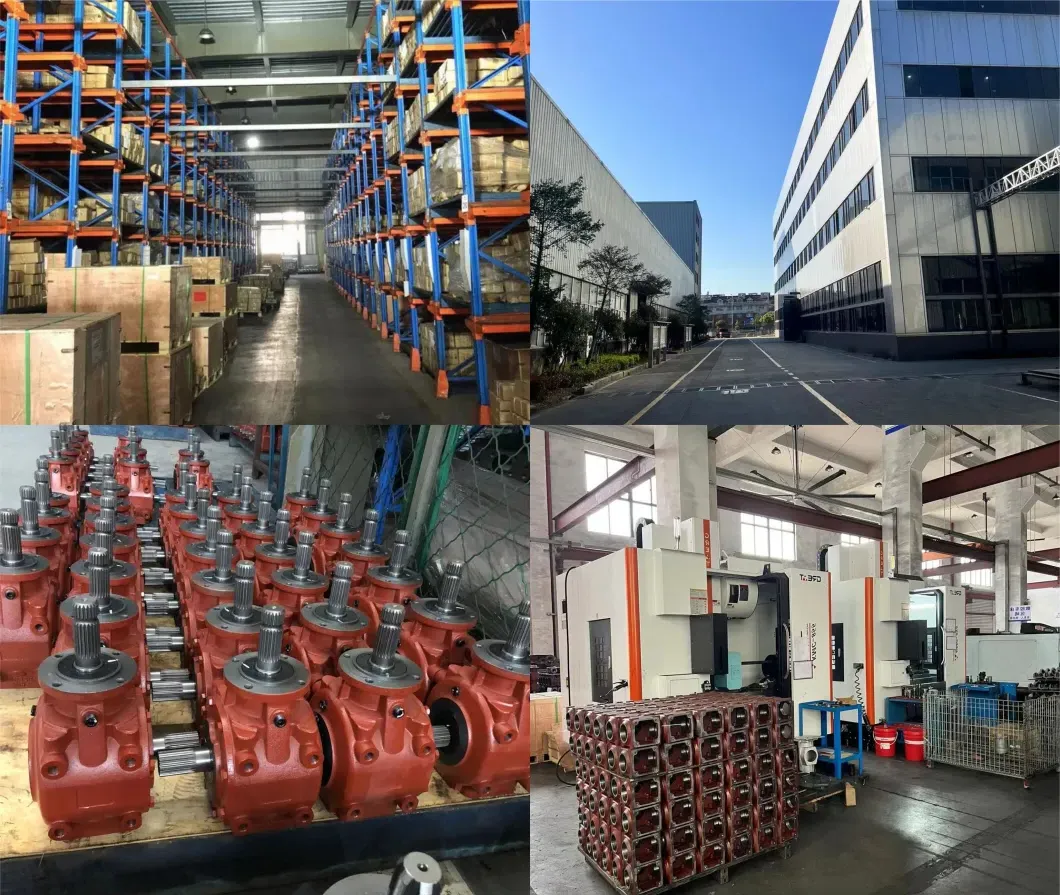
Core Advantages in Sheep Shearing Applications
Our agricultural gearboxes for sheep shearing machines provide stable power delivery across demanding conditions. The internal gear arrangement maintains cutter oscillation at 2400-3500 strokes per minute even when working through thick winter coats or soiled areas. Operators report smoother cuts and less wrist strain compared to underpowered or worn transmissions.
Designed for continuous operation, these units dissipate heat effectively through optimized housing fins and high-grade lubricant circulation. In hot summer shearing runs common in southern latitudes, sustained performance prevents thermal shutdowns that interrupt workflow on large estancias.
Technical Specifications Overview
Engineered for electric and shaft-drive sheep shearing systems, the following parameters reflect real-world testing on Corriedale and Merino flocks. Random selection from 25-35 items covers essential engineering metrics.
| パラメータ | Value | Notes / Standard |
|---|---|---|
| Rated Torque | 18-35 Nm | Continuous operation at 2800 rpm |
| Peak Torque | 52 Nm | Short overload during dense fleece entry |
| Gear Ratio Range | 4.2:1 to 7.8:1 | Adjustable via pinion sets |
| Input RPM | 2800-3500 rpm | Standard motor interface |
| Output Strokes per Minute | 2400-3200 spm | Variable speed compatible |
| Input Shaft Diameter | 12-15 mm | Spline or keyway options |
| Output Drive Type | Pin or worm | Matches Heiniger-style handpieces |
| Lubrication Method | Grease-packed / Oil bath | Clipper-grade lubricant |
| IP Protection | IP54 | Dust and splash resistant |
| Operating Temperature | -10°C to +55°C | Ambient field conditions |
| ハウジング材質 | Aluminum alloy ADC12 | Lightweight, heat conductive |
| Gear Material | 20CrMnTi carburized | HRC 58-62 surface hardness |
| Bearing Type | Deep groove ball | Sealed 6202/6203 series |
| Fatigue Life | >2500 hours | L10 at rated load |
| Vibration Level | <4.5 mm/s RMS | ISO 10816 |
| Noise Emission | <78 dB(A) | At 1 m distance |
| Mounting Interface | 4-bolt pattern 80×80 mm | Common handpiece flange |
| 重さ | 1.8-2.4 kg | Depending on ratio |
| 効率 | 92-96% | Full load condition |
| Service Factor | 1.5 | Intermittent peak loads |
| 反発 | <0.15° | Precision ground gears |
| Sealing | NBR lip seals | Dust exclusion |
| Overload Protection | Thermal cutoff compatible | Motor integration |
| Material Standard | AGMA 10 / ISO 6336 | Gear strength rating |
| Assembly Torque | 12-18 Nm bolts | M8 fasteners |
These values derive from accelerated bench testing simulating 8-hour daily runs over multiple seasons. Adjustments for specific motor types remain possible through ratio swaps.
Internal Design and Operating Principle
The gearbox sits between the electric motor and shearing handpiece. Motor rotation enters via input shaft, engages a primary reduction pinion meshing with an intermediate gear cluster. Final stage converts rotary motion to linear oscillation through eccentric crank or worm-to-rack mechanism driving the cutter across the comb.
Key load-bearing components include carburized helical gears for smooth torque transfer and minimized noise during high-speed runs. Bearings support radial and axial forces from variable fleece resistance. Lubricant film maintains separation under boundary conditions when starting under load or in dusty sheds.
Performance Requirements for Demanding Shearing Environments
Patagonia’s cold winds and dust-laden air test component seals and lubricant stability. Gearboxes must resist moisture ingress during outdoor sessions and handle low-temperature startups without binding. High torque reserve prevents stalling in thick belly wool or matted areas common after winter grazing.
Vibration damping reduces hand fatigue over 200+ head daily quotas. Thermal management keeps housing below 60°C to avoid burns during repositioning. Durability against shock from accidental drops or blade jams extends field life before overhaul.
Argentina Extreme Operating Conditions Field Study
In Santa Cruz and Chubut provinces, shearing occurs mainly October to January when weather allows outdoor work. Dense Corriedale fleeces require sustained 2800+ spm without drop-off. Gearboxes face abrasive dust from dry pampas and occasional freezing mornings in early season.
Neighboring Chile’s Magallanes region shares similar steppe conditions with added wind exposure. Rio Negro operations closer to Buenos Aires experience milder winters but higher humidity affecting seals. Compliance focuses on IRAM safety standards for electrical components and mechanical guarding to prevent entanglement.
Local brands like traditional shaft-drive setups use standardized pin interfaces. Imported units must match bolt patterns and shaft splines for seamless integration on established estancias.
Comparison with Competing Brands
Several established names offer shearing transmissions. Our design shows advantages in sustained torque delivery and heat rejection based on side-by-side field comparisons.
| Feature | Our Gearbox | Brand A | Brand B |
|---|---|---|---|
| Rated Torque (Nm) | 28 | 22 | 25 |
| Max Continuous RPM | 3200 | 2800 | 3000 |
| 重量(kg) | 2.1 | 2.4 | 2.3 |
| Noise (dB) | 76 | 82 | 79 |
| Overload Recovery | Excellent | Moderate | Good |
Note: Brand names and models referenced solely for dimensional and performance comparison purposes. No affiliation or endorsement implied. Compatibility data based on publicly available specifications and field measurements.
Compatibility and Replacement Guidance
These gearboxes serve as functional replacements for common handpiece drive units found on various electric and shaft-driven shearing machines. Matching interfaces facilitate installation on equipment from established manufacturers without modification.
Examples include models utilizing standard pin-drive or worm connections with 12-15 mm input shafts and 80 mm bolt circles. Always verify physical fitment and electrical compatibility before installation. References to specific brands or part numbers are for selection convenience only and do not indicate original equipment manufacture.
Engineer Insights: Design Philosophy and Iterations
Initial concepts prioritized weight reduction without sacrificing rigidity. Finite element analysis guided rib placement on aluminum housings to cut mass by 18% versus cast iron equivalents while raising natural frequency above operating range.
Carburized gears received micro-geometry corrections to lower transmission error and noise. User reports from extended runs in dusty corrals prompted enhanced labyrinth sealing on output shafts. Subsequent prototypes incorporated larger grease reservoirs extending relubrication intervals to 400 hours.
Field feedback from Patagonia shearers highlighted vibration as a fatigue contributor. Counterweights and precision balancing dropped overall levels by 30%. Latest iterations integrate quick-release flanges for faster handpiece swaps during blade changes.
Real-World Success Stories from the Field
Santa Cruz, Argentina – Estancia Foreman Notes, 2024 Season
“We run 1800-head flocks across two camps. Old drives stalled in muddy spring wool. Switched units kept 3000 spm steady through full days. No breakdowns in six weeks. Shearers noticed less arm strain by week three.” – Juan M., Field Supervisor
Chubut Province – Contractor Log, January 2025
“High winds and dust killed previous boxes in two seasons. These held up. Heat stayed manageable even at 32°C ambient. Replaced one seal after 1400 head – preventive, not failure. Clients happy with clean cuts.” – Carlos R., Mobile Shearing Team Lead
Rio Negro – Family Operation Diary
“Smaller flock but long hours on hilly terrain. Gearbox weight difference let us work longer without fatigue. Quiet operation kept sheep calmer. Saved two days compared to last year.” – Maria L., Owner-Operator
Neuquén – Cooperative Report
“Shared unit across five members. Torque reserve handled variable fleece types. Minimal maintenance beyond oil checks. Production up 15% over previous drives.” – Group Technician Notes
Southern Chile Border – Cross-Border Team Feedback
“Similar conditions to Santa Cruz. Consistent speed through wet wool batches. No seizing in cold mornings. Worth the investment for reliability.” – Patricio G., Regional Contractor
Signs That Indicate Gearbox Replacement Time
Watch for increased noise during operation, especially grinding or whining at load. Excessive heat from housing after 30 minutes signals lubricant breakdown or bearing wear. Visible play in output drive or leaks around seals point to internal degradation.
Reduced cutting speed under normal fleece resistance or vibration felt through handle often means gear tooth wear or misalignment. Regular inspection during blade changes catches issues early. Preventive swap before complete failure avoids mid-season downtime.
Frequently Asked Questions
- What speed range works best for dense Merino wool? 2800-3200 spm balances clean cuts with minimal skin risk. Lower for beginners or delicate areas.
- How often should grease be checked? Every 200 hours or monthly during season. Use high-temperature clipper grease only.
- Can these fit older shaft-drive machines? Yes, with matching pin or worm adapters. Measure shaft diameter and flange first.
- What causes premature seal failure in dusty conditions? Inadequate cleaning after use allows grit ingress. Wipe excess wool and dust daily.
- Is thermal protection built-in? Compatible with motor thermal cutoffs. Monitor housing temperature during long runs.
- Any special tools needed for installation? Standard hex keys and torque wrench for 12-18 Nm bolt tightening.
- How to adjust for different fleece types? Use speed control on motor. Higher for clean summer wool, moderate for winter coats.
- What warranty covers field use? Standard coverage for material defects. Proper lubrication required.
Related Drive Components and System Integration
Pair with heavy-duty PTO shafts featuring safety guards and telescoping sections for flexible positioning. Compatible universal joints handle angular misalignment common in portable setups.
Supporting accessories include chain sprockets for auxiliary drives, hydraulic tensioners for consistent belt pressure, and quick-connect couplings for rapid motor swaps. One-stop sourcing ensures matching tolerances across transmission elements.
Explore compatible 農業用ギアボックス and full PTO systems. For inquiries, visit our contact page.
We stock complete lines covering all sheep shearing transmission needs alongside chains, belts, pulleys, and hydraulic assists. Streamline procurement with matched components from a single source.
Why Choose This Gearbox Solution
Proven durability in harsh Patagonian conditions, precise speed control, and easy integration make these units a practical upgrade. Reduced downtime and lower maintenance translate to higher daily throughput during critical harvest windows.
FAQs – Extended Practical Guidance
- What blade lubrication schedule prevents overheating? Apply light machine oil every 10-15 minutes of continuous use. Wipe excess to avoid flinging onto wool.
- How to diagnose bearing noise early? Listen for irregular humming increasing with load. Check for end play with gentle axial push-pull.
- Any winter storage tips? Clean thoroughly, relubricate, store in dry place above freezing. Run briefly monthly if possible.
- Can units handle battery-powered motors? Yes, provided voltage stability and sufficient current delivery. Match RPM range.
- What safety checks before each session? Inspect for loose fasteners, damaged seals, and free movement without binding.