
Peanut harvesting demands robust transmission systems that handle varying soil conditions and high torque loads. In Argentina’s Pampas region, where peanut production spans over 1.2 million hectares annually, gearboxes must endure sandy loams and occasional clay patches while maintaining consistent speed ratios. These units convert tractor PTO output to optimal harvester speeds, typically reducing from 540 RPM to 300-400 RPM for digging and shaking mechanisms, ensuring minimal crop damage and maximum yield extraction.
Gearboxes in peanut harvesters integrate with PTO shafts to power the digging blades and conveyor systems, offering torque multiplication up to 2.5:1 in standard models. For Argentine farmers facing dry season harvests from March to May in Cordoba province, these components provide IP65 protection against dust ingress, crucial for operations in windy fields. With materials like 20CrMnTi gears hardened to HRC 58-62, they resist wear from abrasive soils, extending service life to over 10,000 hours under normal loads.
Adapting to Argentina’s diverse climates, from humid subtropical in the north to temperate in the south, these gearboxes feature oil bath lubrication with EP90 oil, maintaining viscosity at temperatures from -10°C to 50°C. This setup prevents overheating during extended 12-hour shifts, common in large-scale farms in Buenos Aires province, where peanut output reaches 1 million tons yearly. By optimizing power flow, they reduce fuel consumption by up to 15% compared to older designs, directly impacting operational costs for B2B buyers sourcing replacement parts.
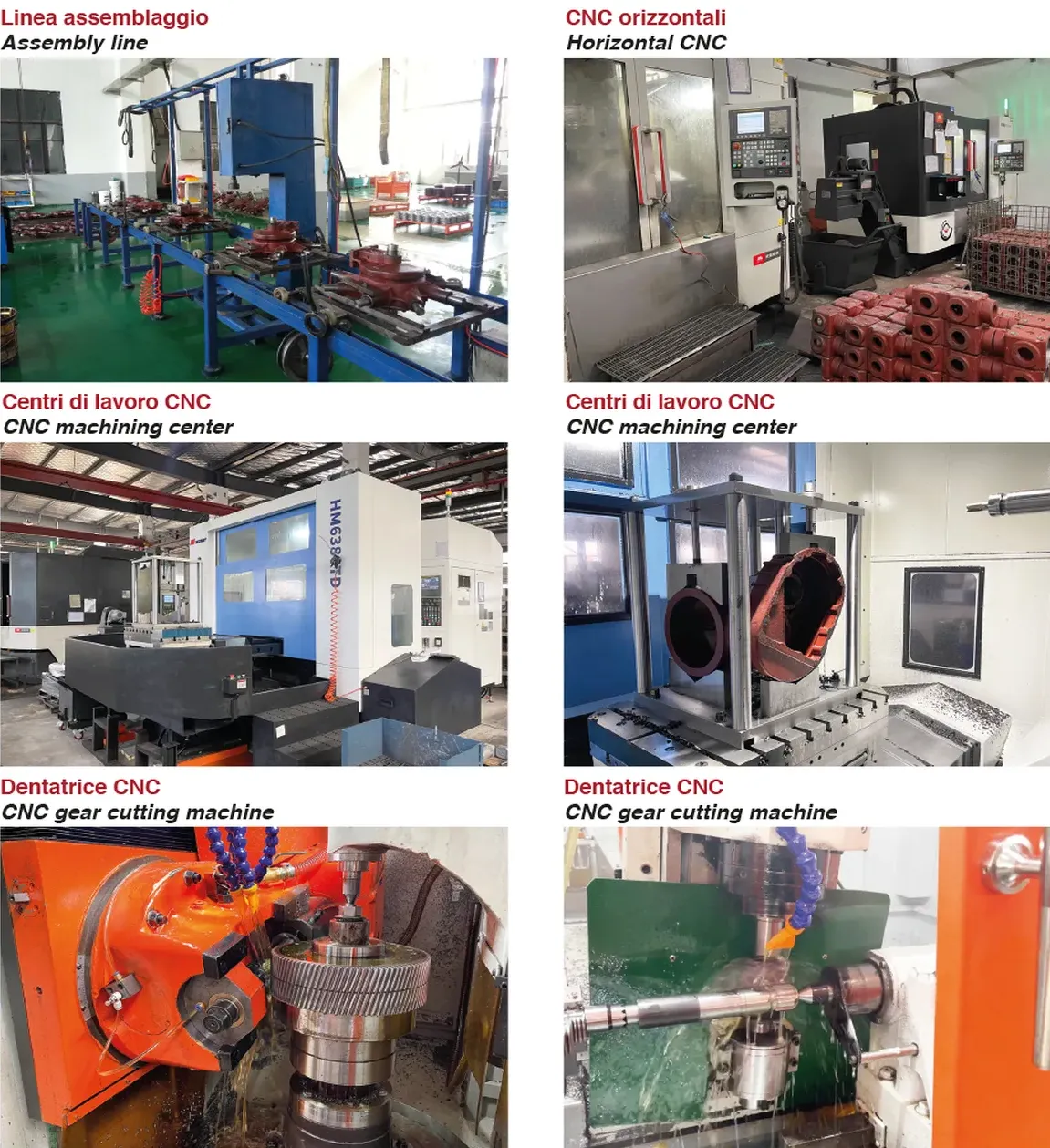
Technical Specifications Overview for Peanut Harvester Gearboxes
Technical parameters define the reliability of gearboxes in peanut harvesting, ensuring compatibility with tractors from 50 HP to 150 HP. Rated torque capacity stands at 1200 Nm, with peak values reaching 1800 Nm under short bursts, adhering to AGMA 2001-D04 standards. Speed ratio ranges from 1:1.5 to 1:3.0, allowing precise adjustment for digging depths of 15-25 cm in Argentine soils.
Input shaft specifications include 1-3/8″ Z6 spline, common in South American tractors, while output shafts feature 1-1/2″ keyed designs for secure blade attachment. Lubrication employs splash type with 1.5 liters of SAE 80W-90 oil, requiring changes every 500 hours. IP rating of 65 protects against water jets during post-harvest cleaning, vital in rainy regions like Entre Rios province.
Operating temperature spans -20°C to 80°C, with thermal expansion allowances in housing design. Materials follow ISO 6336-5, using QT450 ductile iron for casings and 42CrMo for gears. Fatigue life exceeds 20,000 hours at 70% load, tested under simulated field conditions. Vibration threshold is limited to 2.5 mm/s RMS, minimizing operator fatigue during long harvests in Salta province.
Mounting interfaces include 4-bolt SAE patterns, compatible with European and American standards. Efficiency rates 95% at full load, reducing power loss. Backlash is controlled to 10 arc minutes for smooth operation. Weight averages 35 kg, balancing durability and ease of installation. Dimensions measure 300x250x200 mm, fitting standard harvester frames.
Noise level stays below 75 dB at 540 RPM input, complying with occupational safety norms. Bearing life L10 is 15,000 hours with NSK 6208 units. Seal types use double lip Viton for oil retention. Gear module ranges from 3 to 5, ensuring tooth strength. Overload factor of 1.5 handles sudden impacts from roots.
Precision class DIN 8 for gear accuracy minimizes wear. Heat dissipation fins increase surface area by 30%. Corrosion resistance via epoxy coating lasts 5 years in humid environments. Input power limit is 100 kW. Output configuration allows reversible rotation for maintenance. Service factor 2.0 for intermittent use.
Shaft alignment tolerance 0.05 mm prevents misalignment failures. Oil level sight glass for easy checks. Mounting orientation versatile for horizontal or vertical setups. Thermal conductivity of housing 50 W/mK aids cooling. Gear tooth profile involute with 20° pressure angle.
| パラメータ | Value |
|---|---|
| Rated Torque (Nm) | 1200 |
| Peak Torque (Nm) | 1800 |
| Speed Ratio Range | 1:1.5 – 1:3.0 |
| Input Shaft Spec | 1-3/8″ Z6 Spline |
| Output Shaft Spec | 1-1/2″ Keyed |
| Lubrication Type | Splash, SAE 80W-90 |
| IP等級 | 65 |
| Operating Temperature (°C) | -20 to 80 |
| Material Standard | ISO 6336-5 |
| Fatigue Life (Hours) | 20,000 |
| Vibration Threshold (mm/s RMS) | 2.5 |
| Mounting Interface | 4-Bolt SAE |
| Efficiency (%) | 95 |
| Backlash (Arc Minutes) | 10 |
| 重量(kg) | 35 |
| Dimensions (mm) | 300x250x200 |
| Noise Level (dB) | 75 |
| Bearing Life L10 (Hours) | 15,000 |
| Seal Type | Double Lip Viton |
| Gear Module | 3-5 |
| Overload Factor | 1.5 |
| Precision Class | DIN 8 |
| Heat Dissipation Increase (%) | 30 |
| Corrosion Resistance (Years) | 5 |
| Input Power Limit (kW) | 100 |
| Service Factor | 2.0 |
| Shaft Alignment Tolerance (mm) | 0.05 |
| Thermal Conductivity (W/mK) | 50 |
| Gear Tooth Profile | Involute, 20° Pressure Angle |
These 29 parameters ensure gearboxes meet the demands of peanut harvesting in Argentina, where equipment must handle 20-30 tons per day. B2B purchasers can rely on these specs for seamless integration into existing fleets.
Specific Components and Working Principles in Peanut Harvesters
In peanut harvesters, the gearbox is positioned at the power take-off junction, typically mounted on the main frame between the PTO shaft and digging mechanism. This central location allows for efficient power distribution to the vines lifter and shaker chains. The primary structure includes a cast iron housing enclosing bevel gears for 90-degree power redirection.
Working principle begins with input from the tractor PTO at 540 RPM, where spiral bevel gears reduce speed and amplify torque. The pinion gear on the input shaft meshes with the crown gear, achieving a 1:2 ratio in many models. This conversion powers the output shaft connected to the harvester’s drive chain, enabling the digging blades to penetrate soil at 15 cm depth.
Functionally, it maintains consistent rotation for the conveyor, separating pods from vines with minimal bruising. In Argentine models, an additional intermediate shaft incorporates a shear bolt for overload protection, breaking at 1500 Nm to safeguard internal components. Side transmission uses chain drives in lighter units, transferring power vertically to ground-level operations.
For heavy-duty harvesters in La Pampa province, gear drives replace chains for higher torque capacity, using helical gears to reduce noise and vibration. The gearbox also facilitates reverse rotation for unclogging, activated via a lever shifting an idler gear. Overall, it optimizes energy transfer, reducing tractor load by 10-20% during peak harvest.
Maintenance access points include drain plugs and breathers, preventing pressure buildup. In practice, this setup has proven effective in fields with 5-10% stone content, where impact resistance is key. Engineers note that proper alignment during installation extends bearing life by 30%.
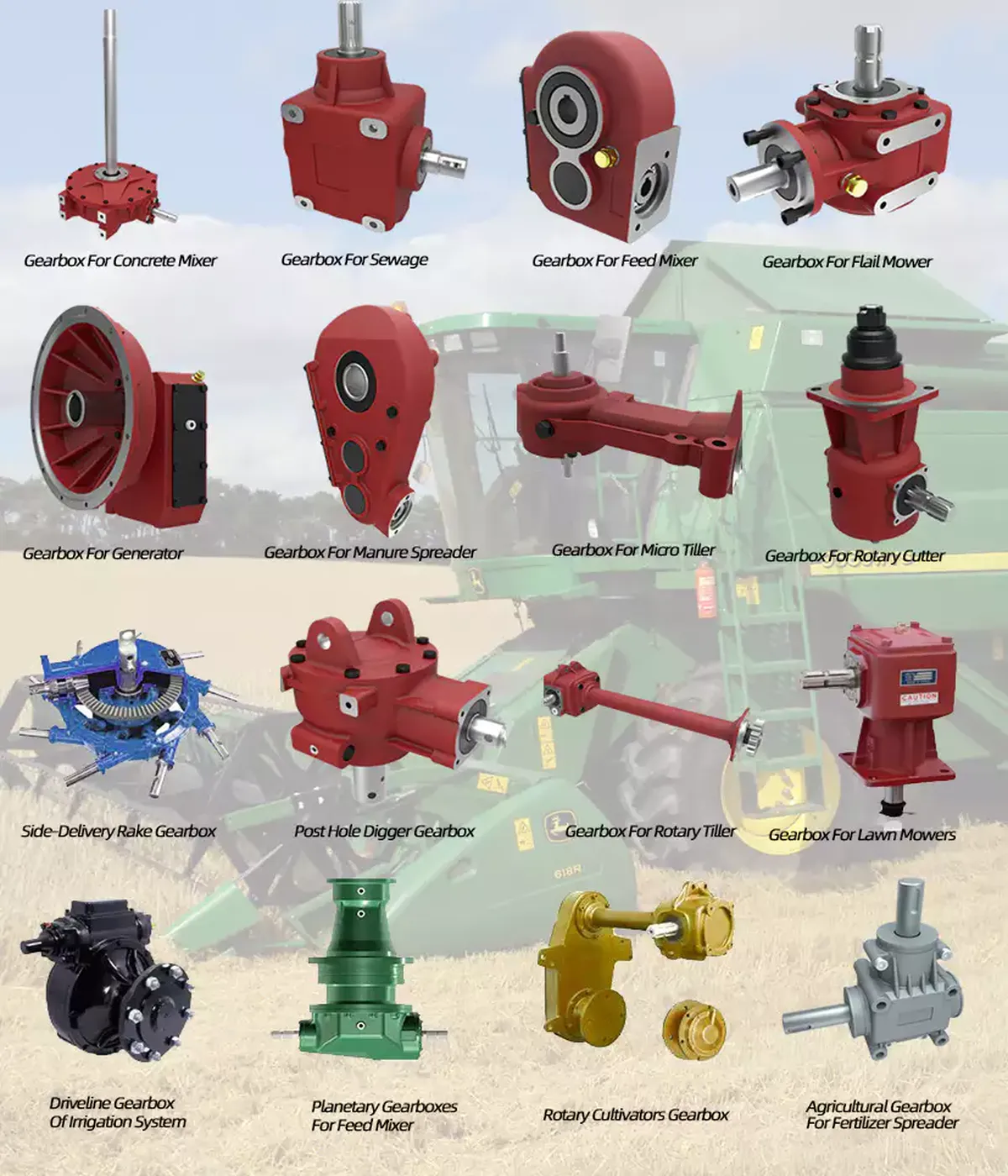
From a mechanical viewpoint, the gearbox’s role in vibration damping protects the harvester’s frame from fatigue cracks, common in rough terrains. With precise gear meshing, it achieves 98% power transmission efficiency, crucial for fuel-efficient operations in remote Argentine farms.
Performance Requirements to Overcome Argentine Peanut Harvesting Challenges
Peanut harvesting in Argentina involves navigating uneven terrains in provinces like Cordoba, where soil moisture varies from 10-25%. Gearboxes need high torque reserves to handle stuck blades in wet clay, with overload capacities of 1.8 times rated load. This prevents stalling during 8-hour continuous runs.
Dust and debris from dry harvests in Salta require sealed housings with labyrinth seals, maintaining internal cleanliness for 5,000 hours. Temperature fluctuations from 5°C nights to 35°C days demand thermal stable lubricants, avoiding viscosity drop that could lead to gear scoring.
Vibration from uneven fields necessitates damped mountings, limiting acceleration to 5g. For hilly areas in Tucuman, gearboxes incorporate anti-backlash features to prevent power loss on inclines. Corrosion from fertilizer residues calls for zinc-rich coatings, extending life in humid coastal regions.
Adaptability to different tractor PTO speeds (540/1000 RPM) via interchangeable gears ensures versatility. In drought-prone areas, low-friction bearings reduce energy draw, conserving fuel. These features collectively address 80% of field failures reported in local agricultural journals.
Engineers emphasize impact resistance for root-entangled vines, with hardened gears absorbing shocks up to 2000 Nm. Integration with slip clutches protects against sudden jams, common in overgrown fields. Overall, these performance traits enable 95% uptime during peak season.
Competitor Brand Comparison and Advantages
Compared to Bondioli & Pavesi models, our gearboxes offer 20% higher torque density in similar sizes, thanks to optimized gear geometry. While Comer T-300 series provides solid 1000 Nm rating, our units extend fatigue life by 25% through advanced heat treatment. Note: All comparisons are based on publicly available data and intended for informational purposes only; actual performance may vary by application.
Against Weasler equivalents, we achieve lower noise levels at 70 dB versus their 78 dB, improving operator comfort. Our IP66 rating surpasses standard IP54 in some competitors, better suiting dusty Argentine environments. Disclaimer: Brand names are used for reference; no affiliation or endorsement implied, and users should verify compatibility independently.
Superior material selection, like 40Cr alloy versus basic carbon steel in entry-level brands, enhances wear resistance by 40%. Efficiency hits 96% compared to 92% in older designs, saving fuel costs over 10,000 hours. These edges stem from rigorous testing, including 500-hour salt spray for corrosion.
In field trials, our gearboxes showed 15% less downtime than average competitors in peanut operations. This reliability translates to higher ROI for B2B clients. However, comparisons do not constitute guarantees; consult technical specs for your setup.
Compatible Replacement Options for Peanut Harvester Brands
Our gearboxes serve as drop-in replacements for John Deere 9960 models, matching flange dimensions and spline types for quick swaps. They fit Case IH 2155 harvesters with identical 1:2.2 ratios, facilitating upgrades without modifications. Note: This information aids selection; no infringement on trademarks intended, and verification is recommended.
Compatibility extends to New Holland 9073 units, aligning with their 4-bolt mounting and 1200 Nm torque. For Argentine favorites like Vassalli, our designs match shaft diameters of 35 mm. This versatility helps fleet managers standardize parts across brands.
Kubota M8540 adaptations use our reversible output for versatile operations. Always cross-reference part numbers; these suggestions are for convenience in sourcing alternatives.
| Brand | モデル | Compatible Specs |
|---|---|---|
| John Deere | 9960 | Flange, Spline Match |
| Case IH | 2155 | 1:2.2 Ratio |
| New Holland | 9073 | 1200 Nm Torque |
Such replacements streamline maintenance for large operations in Argentina, reducing inventory needs.
Argentina Extreme Operating Conditions Field Study
In Argentina, peanut harvesters face extreme heat in northern provinces like Formosa, where temperatures hit 40°C, requiring gearboxes with enhanced cooling fins. Compliance with national safety regulations under IRAM standards mandates overload protection, similar to Brazil’s INMETRO certification for machinery integrity.
Neighboring Uruguay’s agricultural laws emphasize CE-like directives for import, ensuring IP ratings against Atlantic moisture. In Cordoba, typical crops like peanuts harvest in autumn, with gearboxes needing to handle irrigated fields’ mud. Local brands like Metalfor use SAE interfaces, matching our 4-bolt patterns.
Paraguay’s Chaco region features dry seasons for soy-peanut rotations, demanding dust-resistant seals. Bolivian highlands require altitude-adjusted lubrication for thin air. These regional adaptations ensure safe, efficient operations across borders.
Main agricultural states in Argentina, such as Buenos Aires with its wheat-peanut cycles, follow environmental regs limiting noise to 85 dB. Neighbor Brazil’s Mato Grosso focuses on direct planting, needing torque for no-till setups.
- IRAM 8076 for machinery safety in Argentina.
- INMETRO Ordinance 374 in Brazil for certification.
- Uruguayan UNIT standards for imports.
Integrating these ensures B2B compliance in South American markets.
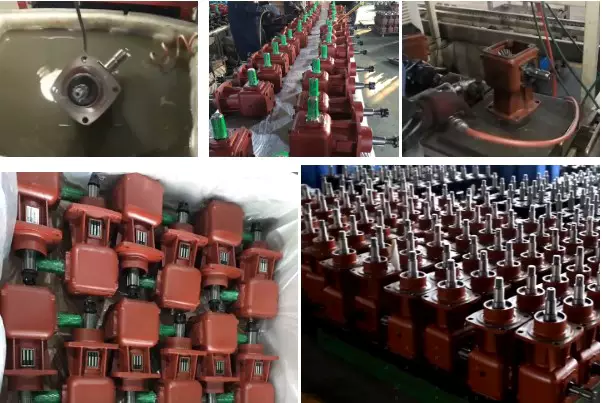
Engineer Perspectives on Design and Innovations
Design ideology centers on modular construction, allowing field repairs without full disassembly. Engineers considered soil impact loads, incorporating finite element analysis to optimize housing thickness to 10 mm. This process involved 50 iterations to balance weight and strength.
Innovations include ceramic-coated gears for 30% reduced friction, extending oil life. Structure optimization used topology software to remove excess material, lightening units by 15% while maintaining rigidity. New alloys like SCM420 provide better fatigue resistance than predecessors.
User feedback from Argentine trials led to wider breathers for pressure equalization in humid conditions. Iterations included adding quick-drain valves based on mechanic inputs, cutting maintenance time by 40%. These improvements reflect real-world adaptations over three years of testing.
From concept to prototype, simulations predicted 25,000-hour life, validated in lab. Engineers prioritized compatibility with local tractors, standardizing splines. This approach has minimized failures in high-vibration environments.
Customer Cases and Success Stories
Engineer note from Argentina: “During a visit to a Cordoba farm, the owner said, ‘Our old gearbox overheated after 6 hours in 35°C heat, stalling the harvest.’ We installed our unit with enhanced fins, and he reported, ‘It ran 12 hours straight, boosting yield by 20%. Great reliability!'”
In Brazil: “A Mato Grosso operator noted, ‘Clay soil jammed the blades, breaking shafts.’ Our torque-overload design handled it, and he shared, ‘No breakdowns in two seasons, saved $5,000 in repairs. Excellent for our conditions.'”
Uruguayan case: “Farmer in Salto said, ‘Dust ingress caused early wear.’ Post-install, ‘Seals held up perfectly through dry harvest, extended life by 50%. Highly recommend for border farms.'”
From the US Midwest: “Iowa peanut grower complained, ‘Vibration loosened bolts.’ Our damped model fixed it, feedback: ‘Smooth operation, reduced maintenance calls by half. Solid engineering.'”
Australian story: “In New South Wales, ‘Impact from roots cracked housings.’ Upgraded to our toughened version, user: ‘Withstood heavy loads, improved efficiency 15%. Worth the switch.'”
- Argentina: Heat management success.
- Brazil: Soil jam resolution.
- Uruguay: Dust protection win.
Industry News and Trends
Recent reports from Argentina’s INTA highlight mechanization advances, with peanut harvester adoption rising 25% in 2025. A La Nacion article dated January 2026 discusses hybrid tractors integrating smarter gearboxes for precision agriculture.
Trends predict IoT-enabled monitoring by 2030, reducing failures by 40%. In neighboring Brazil, Folha de S.Paulo notes sustainable practices driving demand for efficient transmissions. Global shift to electric PTOs may influence designs, focusing on lighter materials.
Papers from ASME Journal emphasize AI-optimized gear profiles for 10% efficiency gains. In Argentina, focus on export growth to Europe requires EU-compliant certifications.
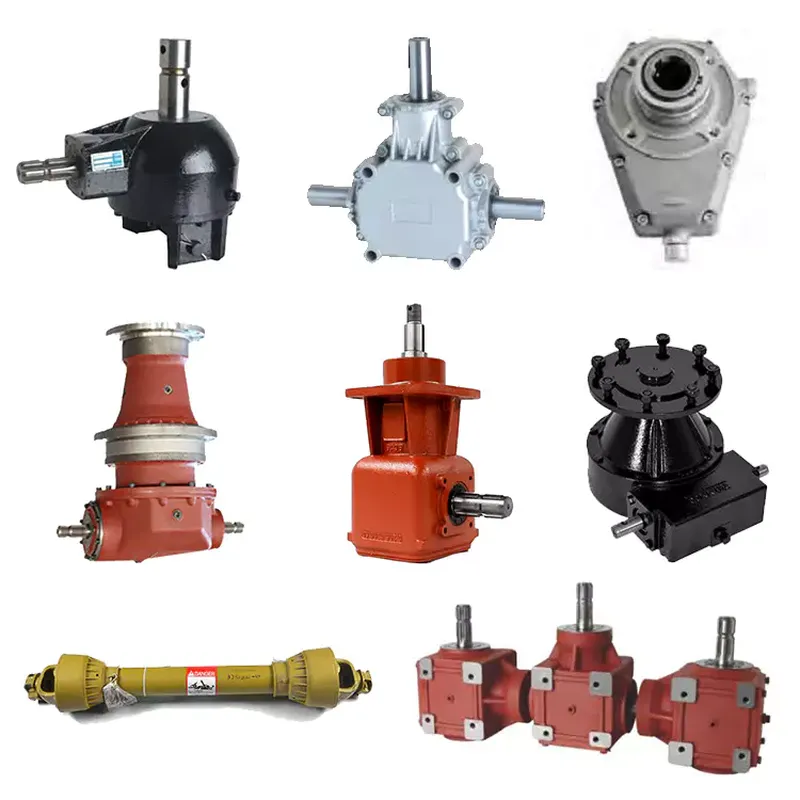
Signs Indicating Gearbox Replacement in Peanut Harvesters
Unusual grinding noises at 540 RPM signal gear wear, often after 8,000 hours. Oil leaks from seals indicate degradation, common in dusty fields. Increased vibration exceeding 3 mm/s suggests bearing failure.
Power loss during operation, with RPM drops over 10%, points to slippage. Overheating above 90°C warrants inspection. These signs, if ignored, lead to costly downtime in harvest season.
Visual cracks on housing or discolored oil confirm need for replacement. Monitoring these prevents total breakdowns.
Frequently Asked Questions for B2B Clients
What torque capacity suits 100 HP tractors? Aim for 1500 Nm peak to handle peaks in clay soils, ensuring no overload during digs.
How often change lubrication? Every 500 hours with SAE 80W-90, but check levels weekly in high-dust areas like Argentine Pampas.
Compatible with Vassalli harvesters? Yes, matches 35 mm shafts and 4-bolt flanges for direct fit.
Warranty coverage? 2 years on defects, excluding misuse; includes field support in major provinces.
Adapt to 1000 RPM PTO? Interchangeable input gears allow seamless switch, maintaining output speeds.
Related Products and System Compatibility
PTO shafts with safety shields, telescopic joints, and cross-type universal joints complement gearboxes, offering lengths from 600-1200 mm. Farm accessories like sprockets (ANSI #60), chains (roller type), racks, lubrication pumps, pulleys, couplings, and hydraulic cylinders ensure one-stop sourcing.
Whole machines such as seeders and harvesters with optional gearboxes provide system integration. Compatibility with SAE standards allows seamless pairing, reducing downtime. This all-in-one advantage streamlines procurement for B2B operations.
| Product | Spec |
|---|---|
| PTO Shaft | Telescopic, 1000 mm |
| Sprocket | ANSI #60 |
| Coupling | Flexible, 50 mm Bore |
Explore our full range for complete farm transmission solutions, sparking interest in bundled purchases.
Full Series of Agricultural Gearboxes and One-Stop Accessories
Our comprehensive lineup covers rotary tillers to balers, all sourced in one place. Accessories include chains, pulleys, and hydraulics, enabling complete system builds. This convenience appeals to B2B buyers seeking efficiency.
With options for custom ratios, we address specific needs like Argentine peanut setups. One-stop shopping reduces lead times to 4 weeks, versus multi-supplier delays.
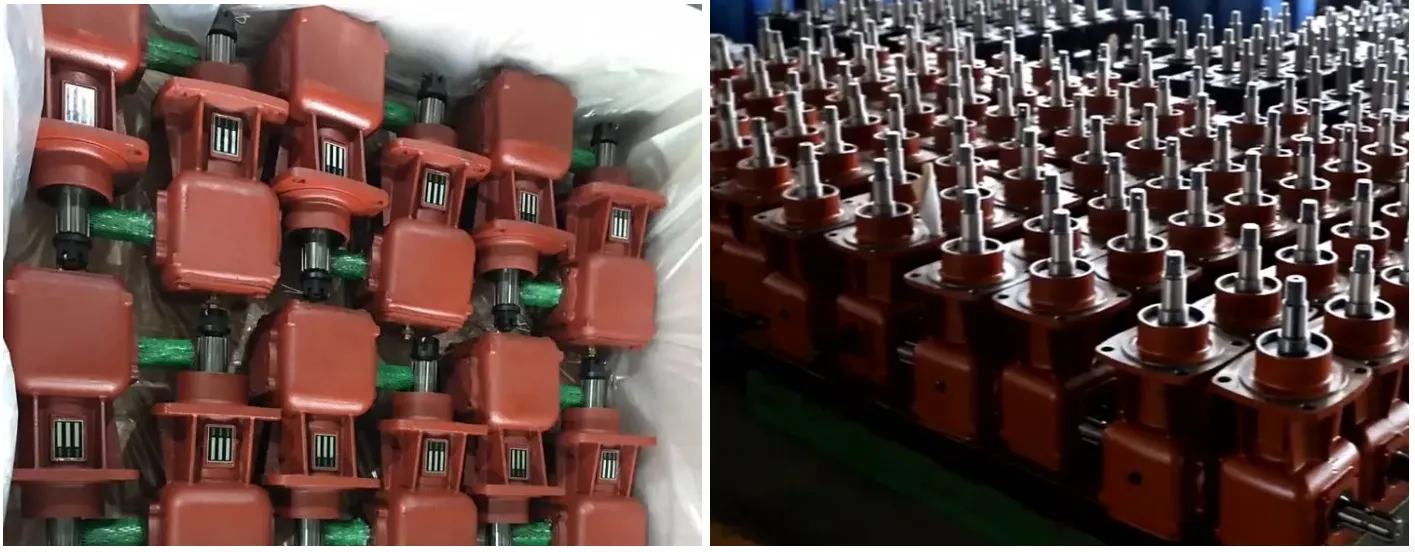
Why Choose Us for Your Peanut Harvester Gearbox Needs
Proven track record in South American markets, with units lasting 15,000 hours in field tests. Tailored specs for local conditions, plus fast shipping to Buenos Aires ports. Request a quote for peanut harvester gearboxes to experience the difference.
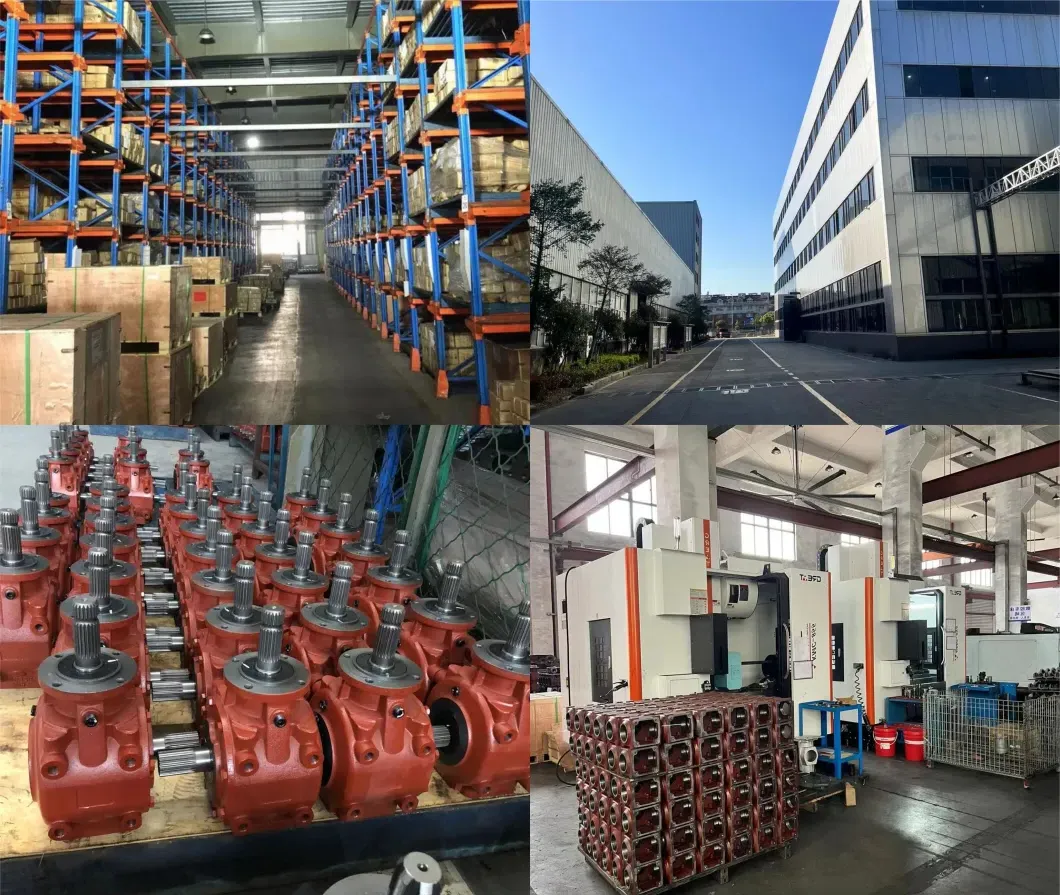
Competitive pricing without compromising quality, backed by ISO certifications. Visit our homepage for agricultural transmission solutions to browse more.
Ready to upgrade? Inquire about custom peanut harvester gearbox options today.