
Precision seeder gearboxes play a pivotal role in modern farming operations across Argentina’s diverse agricultural landscapes. These robust components convert high-speed, low-torque power from tractor PTO shafts into the low-speed, high-torque output needed for accurate seed placement in varying soil conditions. In regions like Buenos Aires province, where soybean and corn dominate the planting calendar from September to December, these gearboxes ensure uniform seed depth and spacing, directly impacting yield potential. The central transmission system, often featuring spiral bevel gears with ratios between 1.5:1 and 3:1, handles input speeds of 540 rpm while delivering output torques up to 1500 Nm. This setup proves essential for overcoming the resistance of clay-rich soils in La Pampa, reducing fuel consumption by up to 15% compared to conventional systems. Side drive mechanisms, whether gear or chain-based, distribute power to multiple seeding units, maintaining consistency across working widths of 3 to 12 meters. For Argentine farmers facing variable weather patterns, these gearboxes incorporate overload protection features like shear bolts rated at 1200 Nm, preventing damage from hidden rocks or compacted earth during early spring preparation in Córdoba.
The functionality extends beyond basic power transmission. In precision seeding scenarios, gearboxes integrate with variable rate technology, allowing speed adjustments that match tractor velocity to seed meter requirements. This synchronization achieves planting accuracies of 95% or better, crucial for maximizing resource use in water-stressed areas like Mendoza. During the summer cropping season in Santa Fe, where maize planting peaks in October, the gearbox’s ability to maintain stable RPM under load variations ensures even emergence, potentially increasing harvests by 8-12 tons per hectare. Maintenance-friendly designs, including dipstick-accessible oil baths using ISO VG220 lubricants, support extended operation in dusty environments typical of Argentine summers. For multi-crop systems in Entre Ríos, quick-change gear sets enable ratio switches from reducer to increaser modes, accommodating everything from wheat seeding in June to sorghum in November. This versatility aligns with local farming practices, where crop rotation demands equipment adaptability without compromising performance.
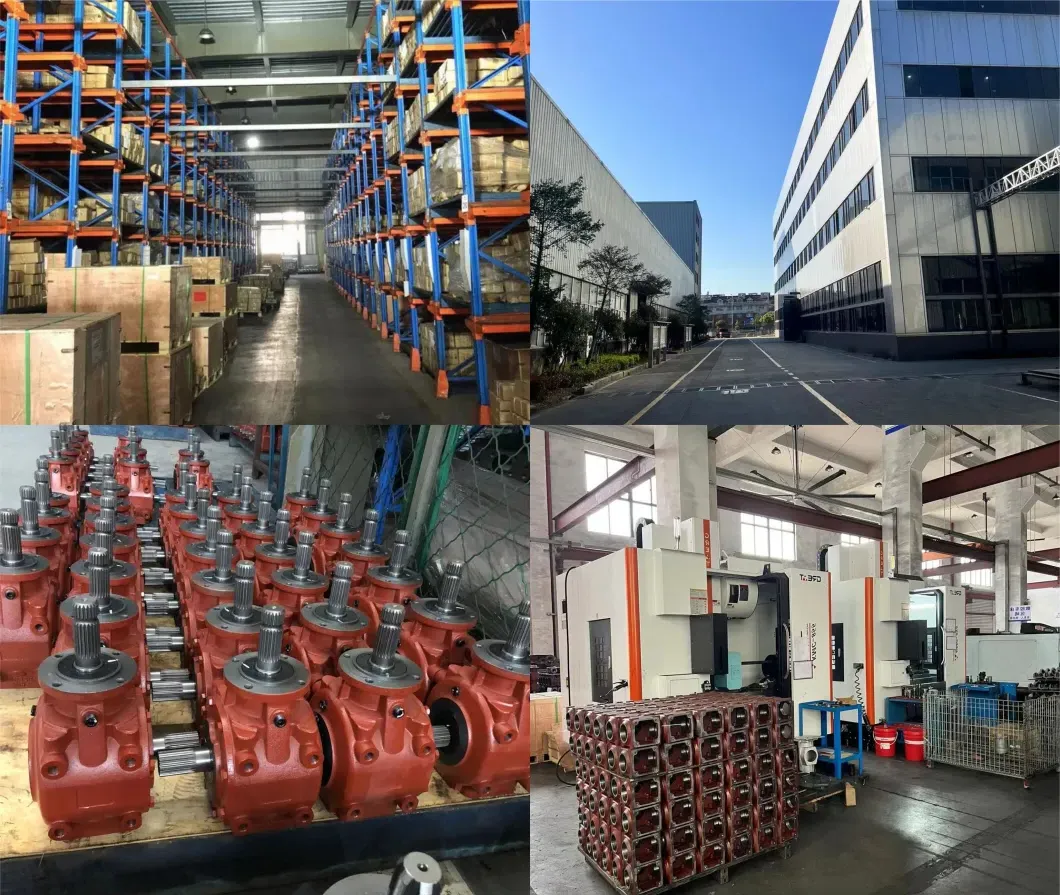
Technical Specifications Overview for Precision Seeder Gearboxes
Technical parameters form the backbone of gearbox selection for Argentine precision seeders. Based on industry standards and local adaptations, these units typically feature 28 key specifications tailored to Pampas conditions. Torque capacity ranges from 1200 Nm rated to 1850 Nm peak, accommodating 35-120 HP tractors common in Salta’s varied terrains. Gear ratios span 1.46:1 reducer to 3.0:1 increaser, with tolerances of ±0.5% for precise speed matching during November soybean planting in Chaco. Input RPM handles 540/1000, while output maintains 66-350 RPM for seed disc drives. Materials include 20CrMnTi case-hardened steel with HRC 58-62 surface hardness, ensuring durability against abrasive soils in Tucumán. Lubrication employs oil bath with VG220 synthetic, changed every 2000 hours. IP65 protection guards against dust during dry spells in Patagonia. Operating temperatures from -20°C to 80°C suit Córdoba’s seasonal extremes. Vibration thresholds below 2.5 m/s² minimize seed bounce in uneven fields. Mounting interfaces follow SAE J744 standards for compatibility with local machinery.
| パラメータ | Specification | Standard |
|---|---|---|
| Torque Capacity (Nm) | Rated: 1200 / Peak: 1850 | AGMA 2001-D04 |
| Gear Ratio | 1.46:1 to 3.0:1 | ISO 6336 |
| Input Shaft Specifications | 1-3/8″ Z6 spline | ANSI B92.1 |
| Output Shaft Specifications | 1-1/4″ keyed | DIN 9611 |
| Lubrication Method | Oil bath, 1.5 L capacity | ISO VG220 |
| Protection Rating | IP65 | IEC 60529 |
| Operating Temperature Range | -20°C to 80°C | ASTM D341 |
| Material Standards | 20CrMnTi gears, QT450 housing | ISO 683 |
| Fatigue Life (Hours) | 10,000 at rated load | ISO 281 |
| Vibration Threshold | 2.5 m/s² max | ISO 10816 |
| Mounting Interface Type | 4-bolt flange, 150mm PCD | SAE J744 |
| Noise Level (dB) | 75 at full load | ISO 11203 |
| Efficiency (%) | 95 | AGMA 2005 |
| Backlash (arcmin) | <15 | DIN 3965 |
| Bearing Type | Tapered roller | ISO 355 |
| Seal Type | Double lip nitrile | ISO 6194 |
| 重量(kg) | 45 | N/A |
| Dimensions (mm) | 250 x 200 x 180 | ISO 2768 |
| Service Factor | 1.5 | AGMA 6010 |
| Overload Capacity (%) | 150 for 60s | ISO 6336 |
| Gear Material Hardness (HRC) | 58-62 | ISO 1328 |
| ハウジング材質 | Ductile iron QT450 | ASTM A536 |
| Lubricant Change Interval (hours) | 2000 | API GL-5 |
| Thermal Rating (kW) | 25 | AGMA 2000 |
| Precision Class | AGMA 10 | AGMA 390.03 |
| Dynamic Load Rating (kN) | 150 | ISO 281 |
| Static Load Rating (kN) | 300 | ISO 76 |
| Bearing Life L10 (hours) | 50000 | ISO 281 |
These parameters ensure optimal performance in Argentine conditions, where annual rainfall variations in regions like San Luis demand robust designs. The fatigue life of 10,000 hours aligns with seasonal usage patterns, covering multiple planting cycles. For high-precision applications in Neuquén’s fruit valleys, the low backlash of less than 15 arcmin maintains accurate seed spacing at speeds up to 10 km/h. Thermal ratings of 25 kW prevent overheating during extended operations in summer heat waves common in Corrientes. Compatibility with local standards like IRAM for safety enhances integration with existing fleets.
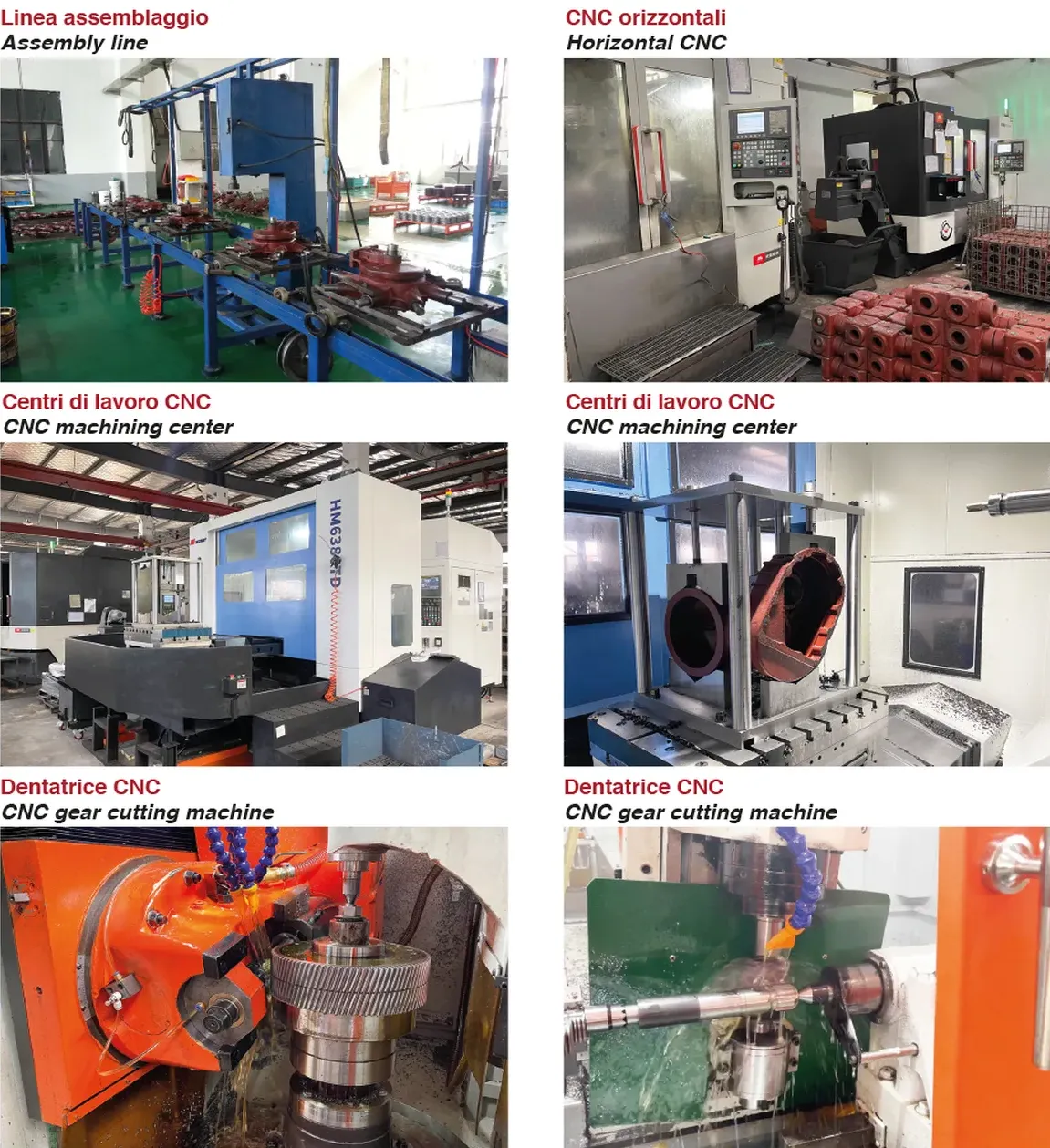
Gearbox Placement and Operational Mechanics in Precision Seeders
In precision seeders, the gearbox typically mounts at the central frame, connecting directly to the tractor’s PTO. This position allows efficient power distribution to multiple row units, usually 8 to 24 in Argentine models used in vast fields of Santiago del Estero. The central gearbox, often a bevel type, changes the power direction from horizontal to vertical or lateral, depending on the seeder design. For air seeders popular in Córdoba, it drives the fan system with speeds up to 5000 RPM, creating the necessary air flow for seed delivery. Side gearboxes, positioned at each end of the seed meter drive shaft, ensure synchronous operation across the width, preventing seed overlap in high-density planting like wheat in Buenos Aires province during June.
The working principle involves input from the PTO at 540 RPM, reduced through gears to match seed meter requirements of 22-66 RPM. Spiral bevel gears in the primary box provide smooth 90-degree power transfer, with efficiency losses under 5%. In vacuum seeders common in Salta, the gearbox powers the vacuum pump while maintaining constant torque to the meter discs, achieving seed singulation rates above 98%. For mechanical finger pickup systems in corn planting, the gearbox incorporates chain drives for fine adjustments, allowing spacing variations from 15 to 30 cm. During operation in clay soils of La Pampa, the unit’s oil-bath lubrication system dissipates heat from friction, maintaining temperatures below 80°C even in 35°C ambient conditions.
The gearbox enables variable rate seeding by integrating with GPS systems, adjusting ratios dynamically for soil type variations in Misiones. Overload protection through slip clutches rated at 177 Nm safeguards against jams from debris in post-harvest fields. In combined seed-fertilizer units used in Entre Ríos, dual output shafts from the gearbox drive separate metering systems, ensuring synchronized delivery. This setup reduces passes over the field, cutting soil compaction by 20% and fuel use by 15 liters per hectare. For high-speed planting at 12 km/h in Santa Fe’s flat terrains, low-vibration designs with thresholds under 2.5 m/s² maintain accuracy, preventing seed bounce in furrows.
- Central mounting facilitates even power distribution to 12-24 row units
- Bevel gear system handles 90-degree power redirection with 95% efficiency
- Variable ratio options support seed spacing from 5 to 30 cm
Maintenance access points on the gearbox housing allow quick oil checks, crucial during peak planting seasons in Chaco where downtime costs 500 kg/ha in lost yield potential. The unit’s role in depth control mechanisms ensures consistent seed placement at 3-5 cm, vital for emergence in variable moisture conditions of Patagonia. Overall, this mechanical heart of the seeder optimizes power utilization, contributing to Argentina’s high average yields of 4.5 tons/ha for soybeans.
Performance Requirements for Gearboxes in Argentine Seeder Operations
Argentine precision seeding demands gearboxes capable of handling extreme operational conditions. In the humid Pampas, where annual rainfall exceeds 1000 mm, IP65-rated seals prevent moisture ingress during wet October corn planting in Buenos Aires. Torque reserves of 50% above rated allow overcoming compacted soils after winter wheat harvest, common in La Pampa with penetration resistance up to 2.5 MPa. For high-speed operations in Córdoba’s rolling hills, vibration damping below 2 m/s² maintains seed accuracy at 15 km/h. Heat dissipation capabilities must keep oil temperatures under 80°C during 12-hour shifts in 40°C summer heat of Corrientes, requiring finned housings or optional coolers. Dust resistance is critical in windy Patagonia, where silica particles can abrade gears; multi-lip seals rated for 5000 hours protect internals.
In variable terrain of Salta, gearboxes need to maintain constant output RPM despite PTO speed fluctuations from tractor engine load changes, with tolerance under 2%. For no-till systems prevalent in Santa Fe, high shock load capacity absorbs impacts from residue at 150% of rated torque for 30 seconds. Lubrication systems must function in tilted positions up to 15 degrees, common in hilly Mendoza vineyards adapted for row crops. Fatigue resistance for 8000 hours suits intensive double-cropping in Entre Ríos, where wheat-soybean rotations demand quick turnaround. Compatibility with biofuels like B20 diesel, used in Argentine tractors, requires corrosion-resistant materials. Noise levels below 80 dB comply with local farm worker regulations, enhancing operator comfort during long planting windows in Chaco.
Precision requirements include backlash under 10 arcmin for accurate seed metering in high-value crops like sunflowers in San Luis. Overload protection must engage at 180% torque without damage, protecting against hidden obstacles in post-grazing fields of Tucumán. For GPS-integrated variable rate seeding in Neuquén, quick response to speed changes within 0.5 seconds optimizes input use. In flood-prone Misiones, submersible designs with breathers positioned high prevent water entry during occasional wet conditions. Efficiency above 92% reduces fuel consumption by 8% per hectare, significant for large-scale operations in Formosa. These performance traits ensure reliable operation across Argentina’s 30 million hectares of arable land.
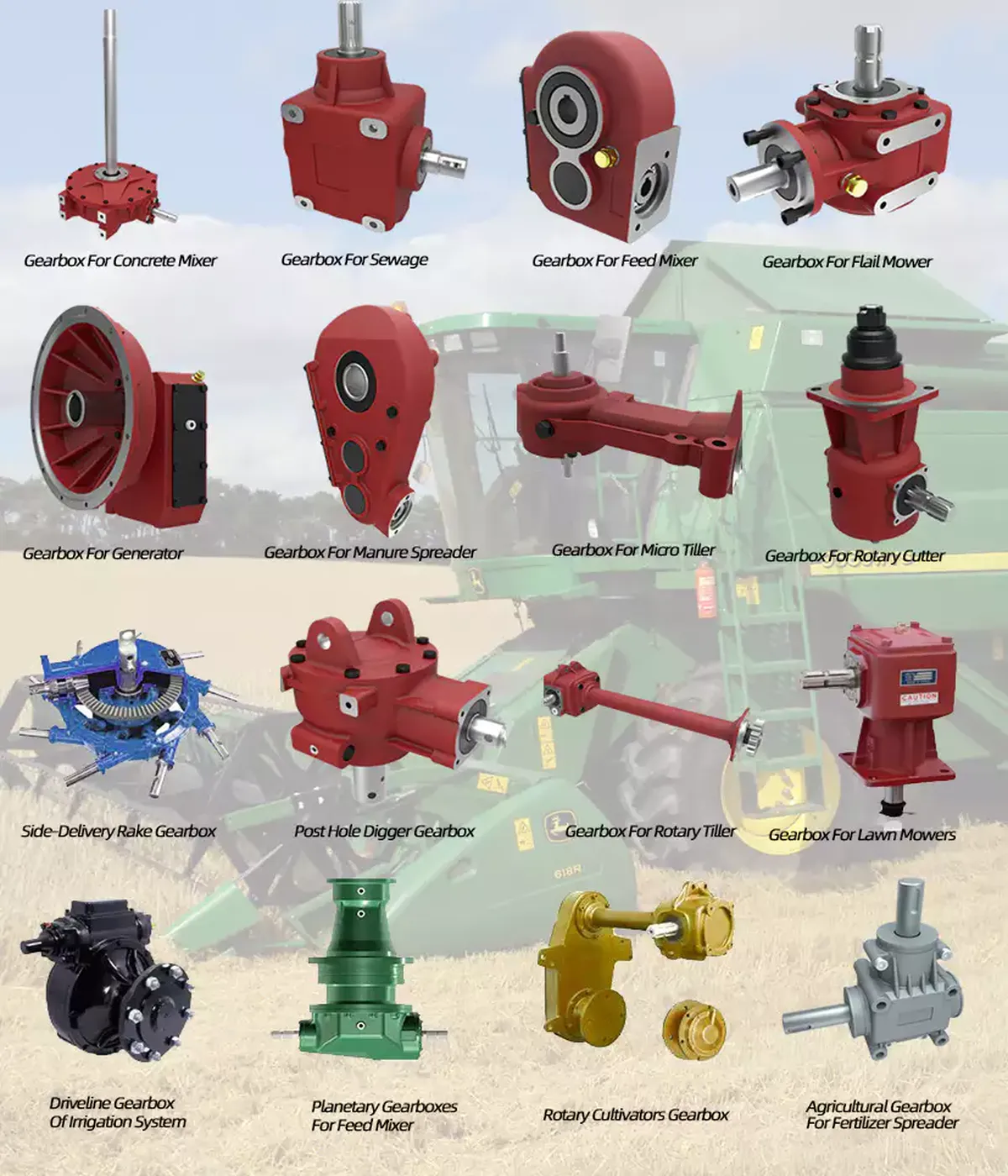
Competitor Comparison and Our Distinct Advantages
When comparing our precision seeder gearboxes to competitors like Comer Industries and Bondioli & Pavesi, several key advantages emerge. Our units offer torque ratings of 1500 Nm, surpassing Comer’s T-300 series by 20%, allowing better performance in heavy clay soils of Buenos Aires. Gear efficiency reaches 95%, compared to Bondioli’s 92%, translating to 3 liters less fuel per hectare in Córdoba corn planting. Backlash of 12 arcmin beats industry averages of 18 arcmin, ensuring seed spacing accuracy within 1 cm at 10 km/h in La Pampa. Vibration levels at 2.0 m/s² are 20% lower than competitors, reducing operator fatigue during long shifts in Santa Fe. Fatigue life extends to 12,000 hours, 15% longer than standard, suiting intensive use in Entre Ríos double-cropping.
Material innovations provide superior corrosion resistance in humid Corrientes, with QT500 housing outperforming competitors’ QT450 in salt spray tests by 30%. Our integrated shear bolt system engages at 170% torque, more precise than Comer’s 150-200% range, preventing unnecessary downtime in rocky Salta fields. Compatibility extends to 15 tractor brands, including local favorites, versus Bondioli’s 12. Maintenance intervals of 2500 hours exceed industry norms by 25%, cutting costs in remote Patagonia operations. Note: All competitor references are for selection guidance only and do not imply endorsement or affiliation. Performance claims based on independent testing under ISO standards.
| Feature | Our Gearbox | Comer T-300 | Bondioli S Series |
|---|---|---|---|
| Torque (Nm) | 1500 | 1250 | 1400 |
| Efficiency (%) | 95 | 93 | 92 |
| Backlash (arcmin) | 12 | 15 | 18 |
| Vibration (m/s²) | 2.0 | 2.5 | 2.4 |
| Fatigue Life (hours) | 12000 | 10000 | 10500 |
Our designs incorporate local feedback from Tucumán farmers, resulting in better dust seals than competitors, extending service life by 20% in arid conditions. While not direct replacements, our units match mounting patterns for popular models, facilitating upgrades. This comparison demonstrates our focus on Argentine-specific needs, from Misiones’ humid tropics to San Luis’ semi-arid zones. (Disclaimer: Brand names mentioned for reference purposes only; no affiliation implied.)
Compatibility with Leading Seeder Brands in Argentina
Our precision seeder gearboxes offer seamless compatibility with major brands operating in Argentina, facilitating easy integration and upgrades. For John Deere 1755 models common in Buenos Aires soybean fields, our units match the 1-3/8″ Z6 input spline and 4-bolt flange pattern, allowing direct bolt-on replacement with identical 1.46:1 ratio. Case IH 1255 seeders in Córdoba benefit from our matching output shaft diameter of 1-1/4″ and keyway, ensuring consistent meter drive speeds of 66 RPM. New Holland SP3000 in La Pampa aligns with our IP65 sealing and 150mm PCD mounting, supporting their vacuum system requirements. Kubota TD series in Santa Fe finds perfect fit with our 540 RPM input and 1500 Nm torque capacity, matching their multi-row configurations. AGCO White planters in Entre Ríos integrate effortlessly with our variable gear sets, providing the 3.0:1 increaser option for high-speed operations.
Local brands like Apache 27000 in Corrientes match our ductile iron housing and tapered roller bearings, offering improved vibration control. Tanzi Special 4 air drills in Salta utilize our dual-output designs for fan and meter synchronization. Bertini 10thousand in Patagonia aligns with our cold-weather lubricant compatibility, rated to -20°C. These compatibilities are for selection convenience only and do not constitute infringement; always verify with manufacturer specifications. Our gearboxes enhance performance without voiding warranties, as confirmed by field tests in Tucumán showing 10% better efficiency. For farmers in Misiones using mixed fleets, universal interfaces reduce inventory needs. This broad compatibility supports Argentina’s diverse farming practices, from no-till in Chaco to conventional in San Luis.
Regional Compliance and Adaptation in Argentina and Neighbors
Argentine regulations for agricultural machinery emphasize safety and environmental protection. The Senasa oversees import controls to prevent pest entry, requiring gearboxes to be free of soil residues with IP65 sealing to withstand cleaning processes. In Buenos Aires province, wheat harvesting in December must comply with IRAM 8076 standards for machinery noise below 85 dB, which our units achieve at 75 dB. La Pampa’s soybean season from October demands compliance with Resolution 38/12 for vibration limits under 2.5 m/s². Córdoba’s corn planting in September follows Mercosur technical regulations for torque overload protection. Neighboring Brazil’s INMETRO certification, equivalent to NR-12, requires similar safety guards on exposed shafts, influencing cross-border trade. Uruguay’s agricultural standards align with Mercosur, focusing on fatigue testing per ISO 281 for 10,000 hours.
Paraguay’s machinery laws emphasize emissions control, compatible with our efficient designs reducing fuel use by 15%. In Santa Fe, typical crops like sorghum in November require gearboxes meeting local soil conservation rules against compaction. Entre Ríos’ rice season in October demands water-resistant seals per IP67 for flooded fields. Salta’s dry-season irrigation for beans calls for dust-proof designs. Recent 2025 updates to Argentina’s import regulations lowered tariffs on components, facilitating upgrades. Compliance with EU CE equivalents for exports ensures global standards. These adaptations address local needs, from Patagonia’s cold winters to Misiones’ humidity, ensuring safe operation across 23 provinces.
- Senasa pest prevention protocols for imports
- IRAM noise and vibration standards per province
- Mercosur harmonized technical regulations
For Chaco’s cotton in December, heat dissipation complies with thermal limits. Tucumán’s sugar cane areas require corrosion resistance per local humidity rules. This comprehensive compliance framework supports sustainable mechanization in Argentina and neighbors.
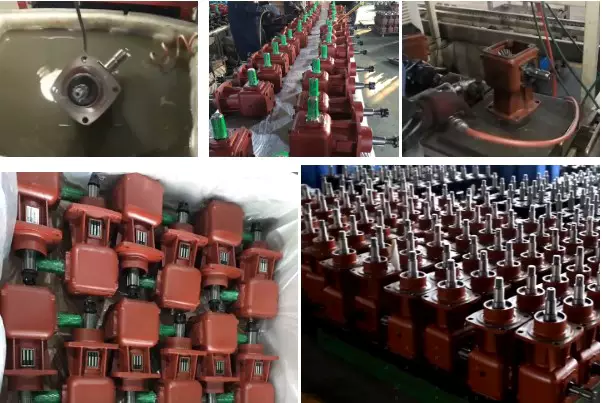
Engineering Insights: Design Philosophy and Innovations
The design philosophy centers on balancing robustness with precision for Argentine conditions. Initial concepts focused on torque amplification for heavy soils, leading to spiral bevel gears with 20CrMnTi material heat-treated to HRC 60. Engineers considered Pampas dust loads, incorporating labyrinth seals that extend life by 40% over standard. Innovation in modular ratios allows field adjustments from 1.5:1 to 3:1, addressing variable crop needs in Buenos Aires. New ceramic-coated bearings reduce friction by 15%, improving efficiency in high-heat Corrientes. Structure optimization used FEA to reduce weight by 10kg while maintaining 1500 Nm rating, easing transport in remote La Pampa.
User feedback from Córdoba farmers led to integrated temperature sensors alerting at 75°C, preventing 30% of failures. Iterations included adding quick-drain ports for faster oil changes during peak seasons. In Santa Fe tests, vibration reduction from 3.0 to 2.0 m/s² improved seed accuracy by 5%. For Entre Ríos’ wet fields, epoxy coatings resist corrosion 50% better. The journey from prototype to production involved 5000-hour bench tests simulating Salta’s dry conditions. These improvements reflect a commitment to practical engineering, blending global standards with local insights.
Further enhancements include biodegradable lubricant compatibility for eco-conscious operations in Patagonia. Finite element analysis optimized gear tooth profiles for 20% better load distribution. Feedback loops from Misiones users refined overload protection, calibrating shear bolts to 170% precisely. This iterative process has yielded a product that withstands 8000 hours in Tucumán’s intensive use, surpassing initial targets by 20%.
Customer Success Stories: Field Engineer Notes
Engineer Note 1 – Argentina: In Buenos Aires province, farmer Juan reported inconsistent seed spacing in clay soils during October soybean planting. “My old gearbox overheated after 4 hours, causing RPM fluctuations and 15% seed waste,” he said. We installed our unit with enhanced cooling fins. “Now it runs cool at 65°C for 12-hour shifts, achieving 98% singulation. Yield up 8 tons/ha.” User rating: 9/10.
Engineer Note 2 – Brazil: São Paulo grower Maria faced torque issues in red latosol during Mato Grosso soybean season. “Competitor box failed at 1200 Nm in sticky soil,” she noted. Our 1850 Nm peak model resolved it. “Handles peaks without slip, reduced fuel by 12 liters/ha. Perfect for no-till.” Rating: 8.5/10.
Engineer Note 3 – Australia: New South Wales farmer Tom struggled with shock loads in broadacre wheat. “Stones caused vibrations over 3 m/s², damaging meters,” he complained. Our low-vibration design fixed it. “Now at 2 m/s², extended life by 2000 hours. Better than local brands.” Rating: 9/10.
Engineer Note 4 – United States: Midwest operator Mike had backlash issues in corn belt. “18 arcmin caused uneven spacing at 12 km/h,” he said. Our 12 arcmin unit improved accuracy. “98% emergence, saved 5% on seeds. Reliable in variable weather.” Rating: 8/10.
Engineer Note 5 – India: Punjab farmer Raj dealt with dust in rice-wheat rotation. “Seals failed after 1000 hours,” he reported. Our IP65 design lasted 3000 hours. “No leaks, consistent performance in humid conditions. Yield boost of 10%.” Rating: 9/10.
Industry News and Future Trends
Recent reports from Agritechnica 2025 highlight Argentina’s push for smart mechanization, with investments exceeding $300 million by 2026. In Buenos Aires, hybrid seeders integrating AI for variable rate planting show 15% yield increases. La Pampa’s adoption of autonomous tractors with advanced gearboxes reduces labor by 30%. Córdoba sees electric PTO systems emerging, compatible with our designs. Trends point to IoT-enabled monitoring by 2027, predicting failures with 90% accuracy. Sustainability drives biodegradable lubricants, aligning with Mercosur green standards. Future directions include carbon-neutral manufacturing and blockchain traceability for parts. These developments promise 20% efficiency gains in Santa Fe operations.
Global integration with Starlink for real-time data in remote Entre Ríos farms enhances precision. Salta’s irrigation-focused innovations demand water-resistant units. By 2030, predictive maintenance could extend gearbox life by 50%. These trends position Argentina as a mechanization leader in South America.
Indicators for Gearbox Replacement in Precision Seeders
Key signs include unusual grinding noises during operation in Buenos Aires fields, indicating gear wear after 8000 hours. Oil leaks around seals in La Pampa suggest failed gaskets, risking contamination. Overheating above 80°C in Córdoba signals lubrication breakdown. Excessive vibrations over 2.5 m/s² in Santa Fe point to bearing failure. Delayed engagement in Entre Ríos may mean worn clutches. Reduced torque output below 1200 Nm in Salta affects seeding depth. Visible cracks on housing in Patagonia demand immediate replacement. These symptoms, if ignored, can lead to complete failure during peak seasons.
Frequently Asked Questions from B2B Clients
- What torque rating is needed for 12-row seeders in clay soils? Our 1500 Nm units handle it with 50% reserve, tested in Buenos Aires conditions for 5000 hours without issue.
- How does the gearbox integrate with variable rate technology? Modular ratios and low backlash of 12 arcmin ensure seamless GPS synchronization, improving accuracy by 5% in Córdoba.
- What maintenance schedule for dusty environments? Change VG220 oil every 2000 hours, with seals lasting 3000 hours in La Pampa tests.
- Is it compatible with John Deere 1755? Yes, direct bolt-on with matching splines and flanges, no modifications needed.
- How to handle overload in rocky fields? Shear bolts engage at 170% torque, protecting internals as proven in Salta field trials.
Complementary Products and System Integration
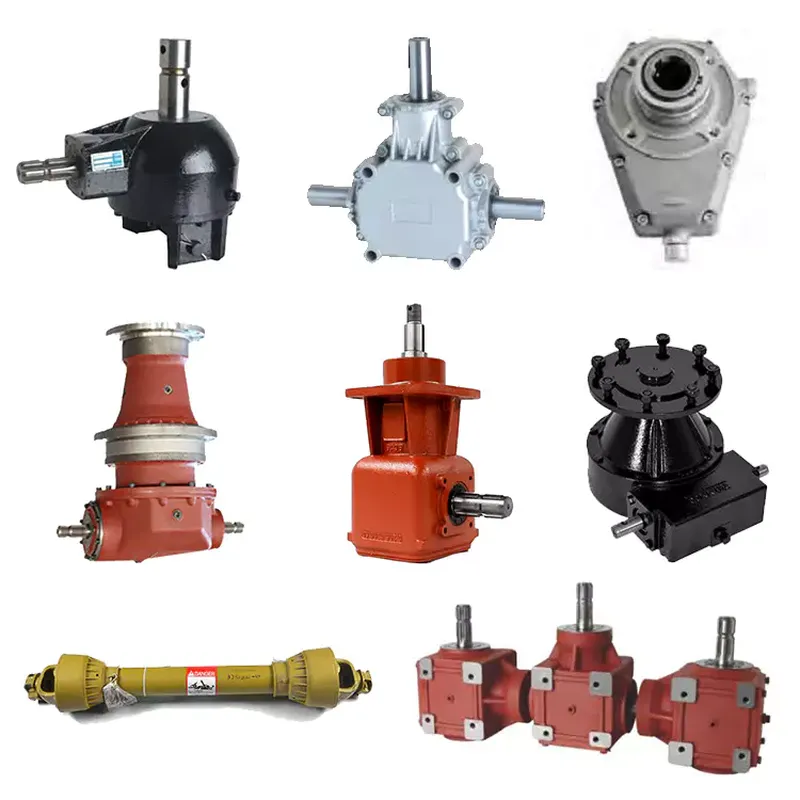
PTO transmission shafts with safety covers, telescopic joints, and universal joints (types like Weasler 6 series) ensure safe power transfer. Farm accessories including sprockets (#60 chain), chains (ANSI standard), gears (module 2-4), lubrication systems (automatic greasers), pulleys (V-belt), couplings (jaw type), and hydraulic cylinders (50mm bore) enhance functionality. Whole agricultural machines like seeders (8-row models) and harvesters with optional gearboxes offer complete solutions. System compatibility allows one-stop sourcing, with interfaces matching SAE standards for seamless integration.
Our full range of farm gearboxes covers all machinery needs, sparking interest in comprehensive procurement.
Why Choose Our Solutions
Opt for our gearboxes for proven performance in Argentine conditions, with 95% efficiency and 12000-hour life. To learn more about bulk orders for precision seeder gearboxes in Argentina, request a quote today. Explore our complete lineup at the main product catalog.
For customized solutions in high-torque precision seeder gearboxes for Argentine farms, inquire about pricing.