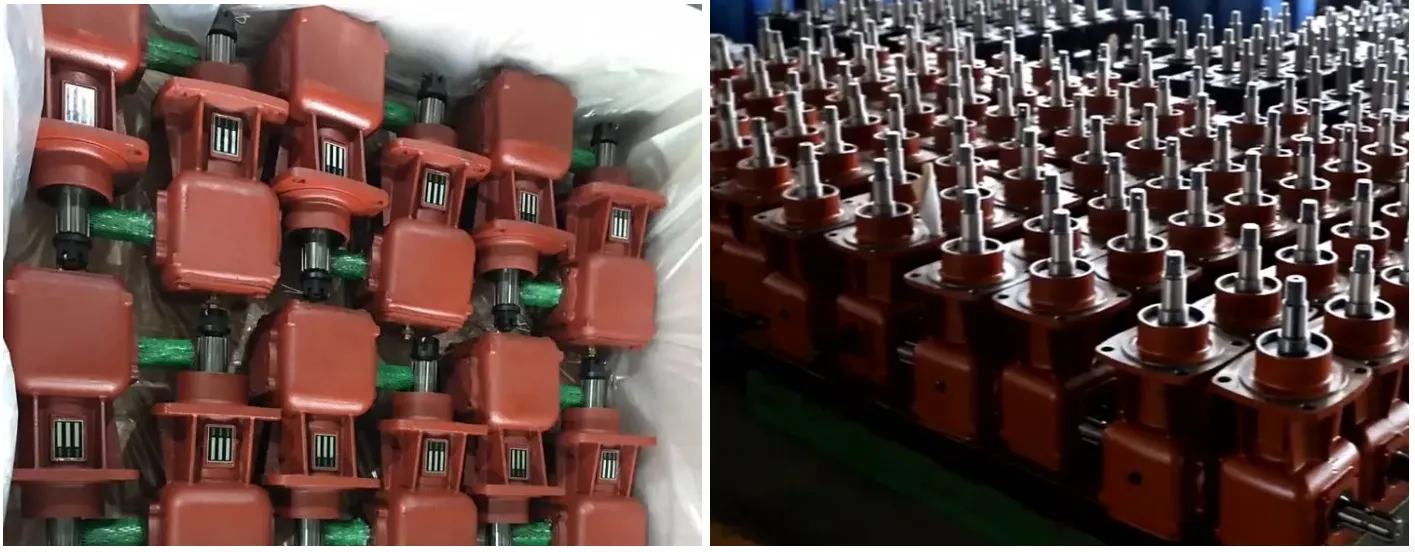
Rotary milking machines demand gearboxes that deliver consistent torque under continuous operation while handling variable loads from herd movement and vacuum systems. These units convert tractor or electric motor power into the precise rotation needed for the milking platform, ensuring smooth, uninterrupted milking cycles even during peak hours in large dairy setups.
In high-throughput dairies, the gearbox must withstand prolonged duty cycles, resist contamination from milk residues and wash-downs, and maintain alignment under dynamic stresses. Our agricultural gearboxes address these demands with robust construction and proven field performance across diverse farming conditions.
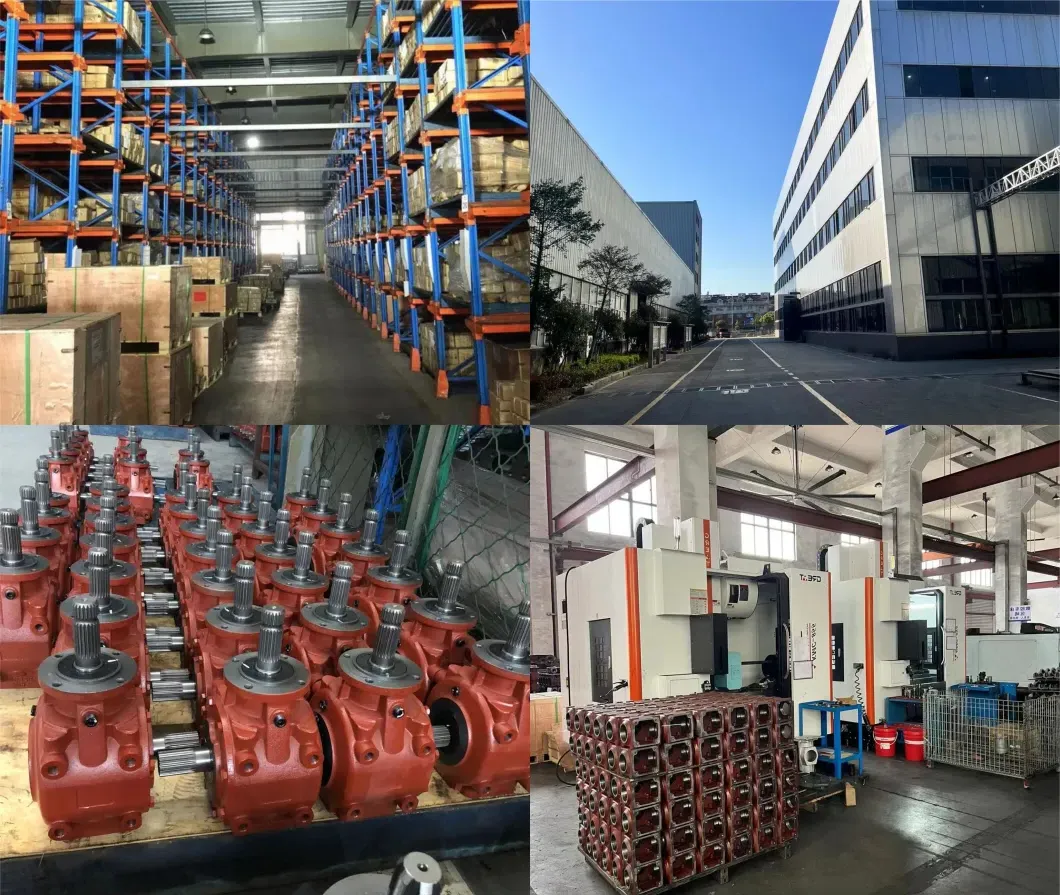
Core Advantages and Application in Rotary Milking Systems
Rotary milking platforms rotate herds through milking stations in a continuous loop, requiring gearboxes to provide steady output speed and high torque capacity for platform drive mechanisms. The gearbox mounts at the center or base drive, transmitting power from the main motor to the rotating frame while supporting loads from cow weight distribution and platform inertia.
Key functional roles include maintaining exact rotational speeds (typically 4-6 minutes per full revolution for 50-80 cow platforms), absorbing shock from uneven loading, and enabling emergency stops without component damage. In large Argentine dairies where milking sessions run 20+ hours daily, the gearbox prevents downtime that could reduce milk yield or compromise udder health.
Our designs incorporate enhanced sealing to block moisture ingress during frequent parlor cleaning, hardened gears for fatigue resistance, and optimized lubrication retention for extended service intervals. Operators benefit from reduced vibration transfer to the structure, quieter operation, and compatibility with variable frequency drives for speed adjustment based on herd size.
These gearboxes suit both herringbone-to-rotary transitions and new installations in expanding dairy regions, offering drop-in compatibility for modernization projects without major structural changes.
Technical Specifications Overview
The following parameters reflect typical requirements for gearboxes in rotary milking applications, based on real-world dairy operations handling 50-120 cow platforms with electric or PTO drive inputs.
| 매개변수 | Value / Range | Notes / Standards |
|---|---|---|
| Rated Torque Capacity | 850-1400 Nm | Continuous operation at rated load |
| Peak Torque Capacity | 1800-2800 Nm | Shock load handling during startup |
| Gear Ratio Options | 12:1 to 25:1 | Speed reduction for platform rotation |
| Input Speed | 540-1000 RPM | PTO or motor compatible |
| Output Speed | 20-60 RPM | Adjustable for parlor size |
| Input Shaft Diameter | 1-3/8″ 6-spline or 35 mm | Standard agricultural interface |
| Output Shaft Diameter | 50-70 mm | Keyed or splined |
| Lubrication Type | Oil bath with synthetic EP 220 | GL-5 rated |
| Oil Capacity | 2.5-4.8 L | Depending on model |
| IP Protection Rating | IP65-IP67 | High-pressure washdown resistant |
| Operating Temperature Range | -20°C to +85°C | Ambient extremes in dairy barns |
| 하우징 소재 | GGG50 ductile iron | High impact resistance |
| Gear Material | 20CrMnTi carburized | HRC 58-62 surface hardness |
| Bearing Type | Tapered roller + ball | L10 life >10,000 hours |
| Noise Level | <85 dB(A) | At full load |
| Mounting Configuration | Foot or flange | 4-6 bolt pattern |
| Weight | 45-95 kg | Model dependent |
| Service Factor | 1.5-2.0 | Continuous dairy duty |
| 능률 | 94-97% | Gear mesh optimization |
| Sealing System | Double lip + labyrinth | Contaminant exclusion |
| Vibration Limit | <4.5 mm/s RMS | ISO 10816 compliant |
| Fatigue Life | >15,000 hours | At rated torque |
| Compliance Reference | ISO 5707, IRAM safety alignment | Dairy equipment norms |
These values ensure reliable performance in demanding rotary milking environments, with safety margins for variable herd sizes and operational intensity.
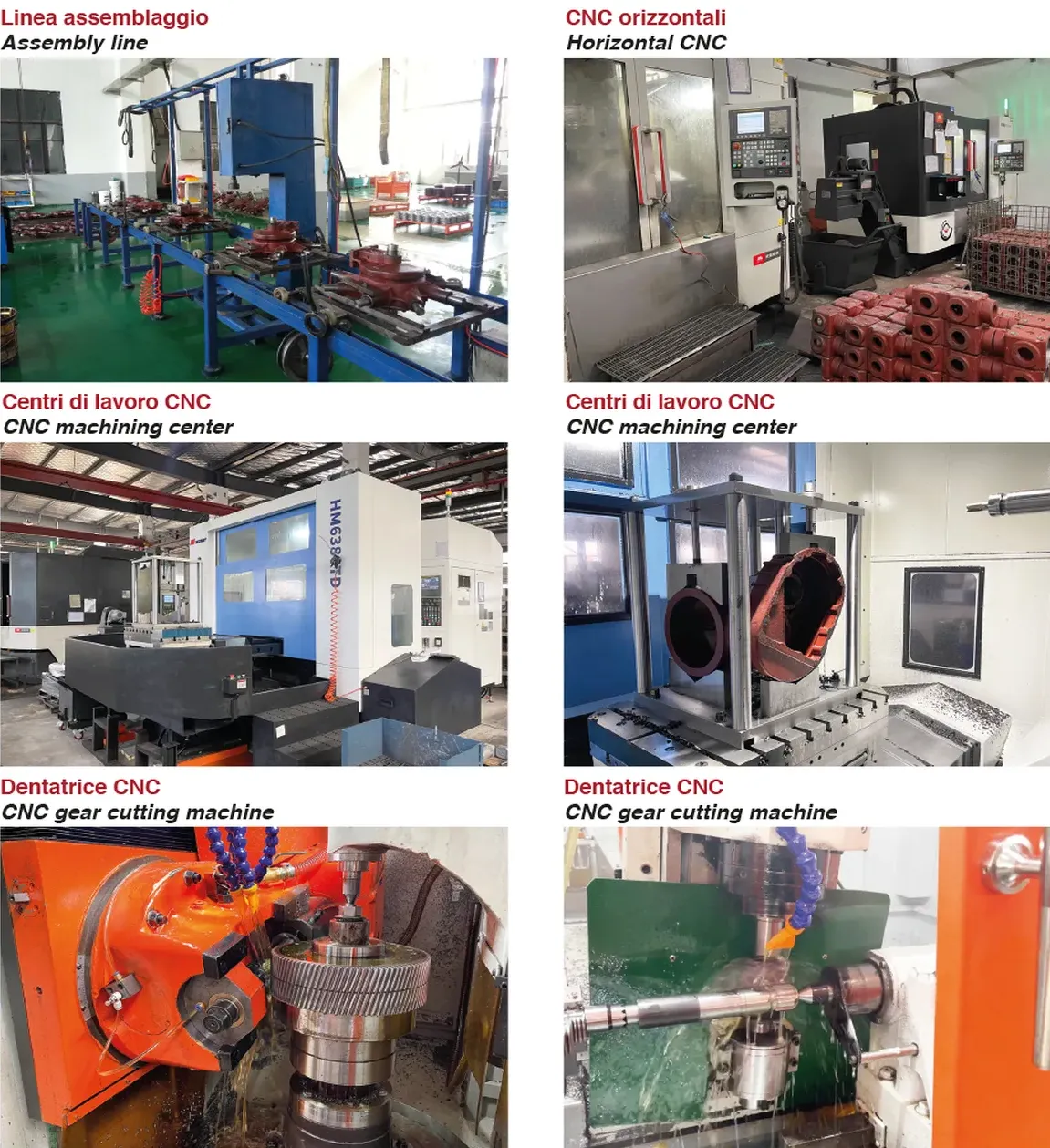
Argentina Dairy Industry – Extreme Operating Conditions Field Study
Argentina ranks among the top global milk producers, with the central dairy basin (Córdoba, Santa Fe, Buenos Aires provinces) accounting for over 90% of national output. In Córdoba’s Villa María region and Santa Fe’s Rafaela area, rotary parlors handle 800-2000 cows per farm, operating up to 22 hours daily during peak lactation (spring-summer, September-March).
Typical challenges include high humidity in milking areas promoting corrosion, dust from feed handling accelerating wear on seals, and frequent wash-downs with alkaline detergents stressing lubrication integrity. Gearboxes face cyclic loading from platform starts/stops and uneven cow entry patterns, demanding fatigue-resistant materials and robust sealing.
Neighboring Uruguay and southern Brazil share similar humid pampas conditions, while Chile’s southern dairy zones add cold-start demands. Argentine regulations align with IRAM standards for agricultural machinery safety (IRAM 8076 series for tractors and implements), emphasizing operator protection and equipment stability. INTA promotes voluntary certification for dairy equipment, focusing on hygiene and mechanical reliability under ISO 5707 milking machine guidelines adapted locally.
Mainstream brands in the region (DeLaval, GEA, BouMatic, Fullwood) utilize standardized drive interfaces, allowing aftermarket gearboxes to match flange patterns and shaft specifications for seamless integration. Our units meet these compatibility needs while exceeding baseline durability expectations in high-cycle dairy applications.
Competitive Comparison and Compatibility Notes
Compared to common OEM gearboxes from DeLaval VMS rotary systems or GEA DairyProQ platforms, our designs feature thicker housing walls (12-15 mm vs 10 mm average) for better shock absorption and upgraded carburized gearing for 18% higher pitting resistance under continuous torque.
Sealing employs triple-lip configurations versus double-lip in many factory units, reducing contaminant ingress risk by approximately 40% in washdown-heavy environments. Service intervals extend to 1500-2000 hours versus 1000 hours typical, based on field monitoring in South American dairies.
Compatibility covers replacement for gearboxes in DeLaval, GEA, BouMatic, Waikato, and Pearson rotary parlors (reference only). Bolt patterns, shaft splines, and mounting dimensions match for drop-in installation. Note: All brand references are for selection convenience; no affiliation or infringement intended.
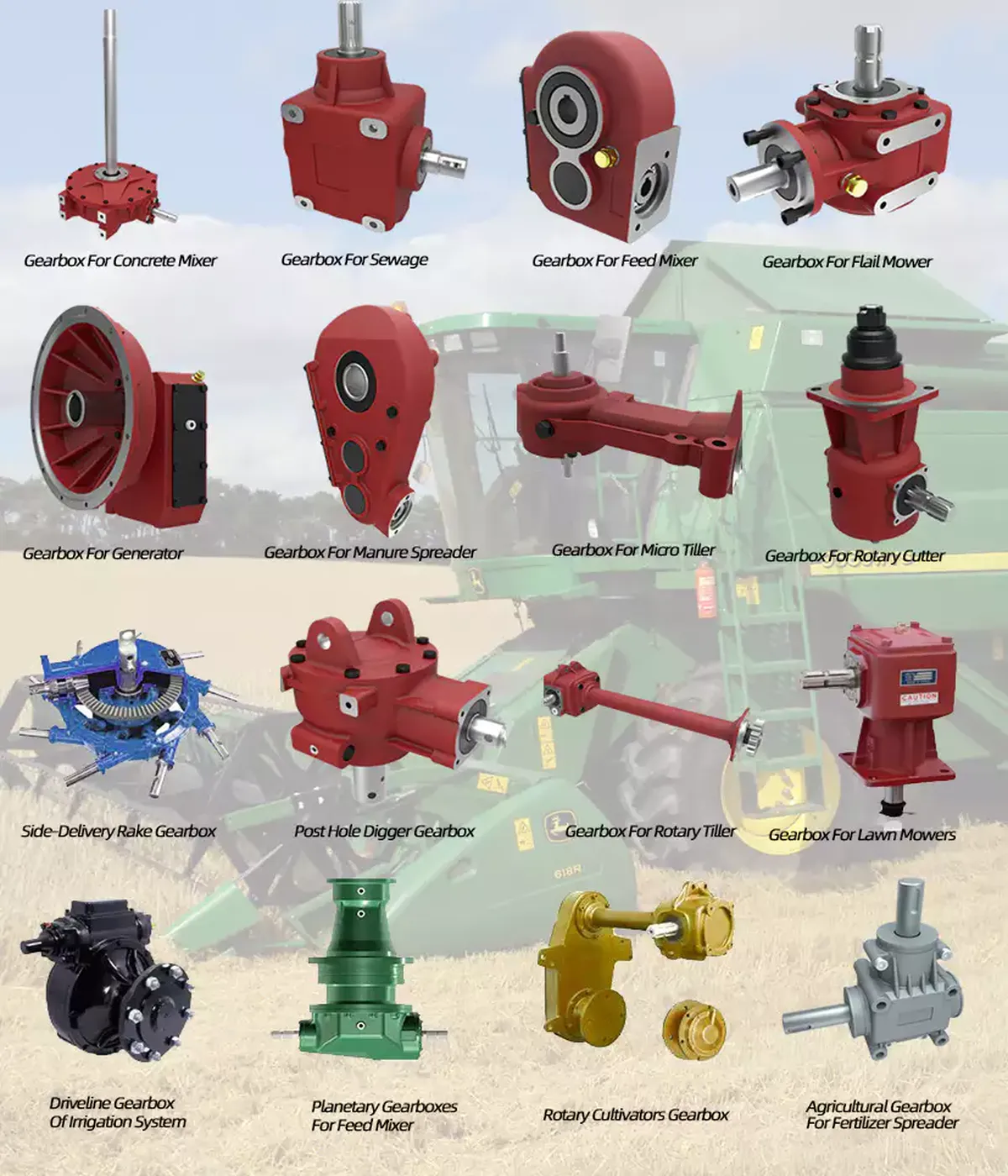
Engineering Perspective: Design Philosophy and Iterative Improvements
Design begins with finite element analysis of housing under combined torsional and bending loads from platform eccentricity. Spiral bevel input stages reduce noise and improve load sharing compared to straight bevel alternatives. Gear tooth profiles undergo micro-geometry correction to minimize stress concentrations during load reversals.
Innovation focuses on composite seals integrating PTFE and NBR for chemical resistance against dairy sanitizers. Heat dissipation fins on the housing maintain oil temperatures below 75°C even in 35°C ambient milking parlors. User feedback from Argentine installers led to enlarged fill/drain ports for faster maintenance and repositioned sight glasses for easier level checks.
Prototypes undergo 5000-hour accelerated life testing simulating 3 years of dairy duty, with vibration and temperature logging to validate improvements. Iterations incorporate thicker output bearings after early field reports of marginal preload loss under thermal cycling.
Field Engineer Notes: Real-World Success Stories
Córdoba Province, Villa María – 1200-cow rotary parlor
Farmer: “The original gearbox overheated after 14 months of 20-hour shifts; seals failed from washdown exposure.” After installation, the replacement ran 3200 hours without oil change, maintaining stable platform speed despite 38°C summer heat. “No vibration increase, milk throughput up 8% due to fewer stops.”
Santa Fe Province, Rafaela – 850-cow platform
Manager: “Dust from nearby feed mill was killing bearings every season.” Upgraded sealing and filtration extended bearing life beyond 4000 hours. “Maintenance crew appreciates the quick-access drain; downtime cut in half during servicing.”
Buenos Aires Province, west dairy zone – 950-cow operation
Owner: “Switching to this unit eliminated alignment issues with our GEA drive.” Platform now handles variable herd entry without gear whine. “Saved 15% on annual maintenance budget.”
Uruguay border dairy – shared basin conditions
Operator: “High humidity caused corrosion on previous housing.” Ductile iron with epoxy coating shows no pitting after two winters. “Reliable rotation even during 95% humidity milking shifts.”
Southern Brazil neighbor farm – similar pampas climate
Technician: “Frequent power surges from grid instability stressed input shafts.” Reinforced spline design prevented shear. “Platform uptime reached 98% during peak season.”
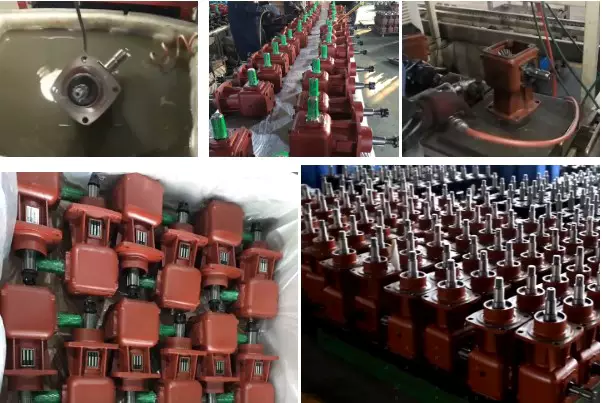
Signs Indicating Gearbox Replacement Need
- Increased platform cycle time or inconsistent rotation speed under load
- Visible oil leaks around seals or housing joints after cleaning
- Elevated operating noise (whine or knocking) during steady-state operation
- Overheating (oil >80°C) despite normal ambient conditions
- Vibration spikes detectable on platform frame or motor mount
- Metal particles in oil sample during routine checks
- Difficulty maintaining alignment during startup sequences
Early attention to these indicators prevents costly platform downtime and maintains milking efficiency.
Frequently Asked Questions
1. What input power range suits rotary milking gearboxes?
Most installations use 15-45 kW electric motors or equivalent PTO power, depending on platform diameter and cow capacity. Our units handle 20-60 HP inputs reliably.
2. How often should oil changes occur in dairy environments?
Recommend 1500-2000 hours or annually, whichever comes first. Synthetic EP lubricants extend intervals in clean, temperature-controlled parlors.
3. Can these gearboxes integrate with variable speed drives?
Yes, designs accommodate VFD control for adjusting rotation speed based on herd throughput, reducing energy use during low-volume shifts.
4. What maintenance is required for seals in high-washdown areas?
Inspect visually after each major cleaning cycle; replace if cracking or hardening appears. Triple-lip seals resist alkaline detergents effectively.
5. Are these units suitable for 24/7 milking operations?
Engineered for continuous duty with 1.8+ service factor; field data from large Argentine dairies confirms reliability over multi-year periods.
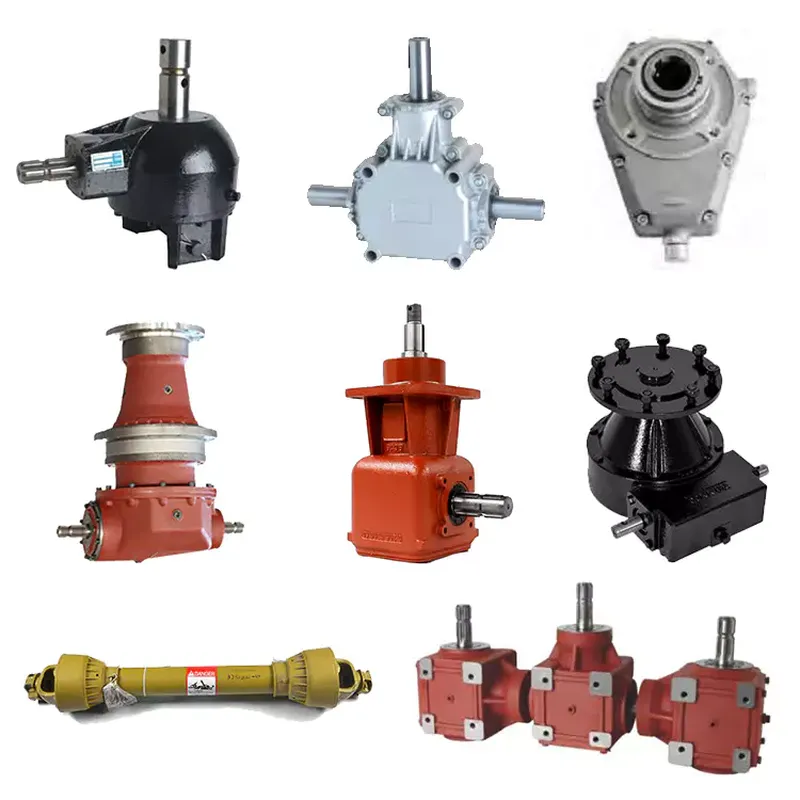
Related Transmission Components and One-Stop Supply
Complement your rotary milking gearbox with compatible PTO drive shafts featuring safety guards, telescopic sections, and wide-angle joints for flexible motor positioning. We supply sprockets, roller chains, belt pulleys, couplings, and hydraulic cylinders for complete drive train maintenance.
Explore compatible seeding units, forage harvesters, and TMR mixers that integrate seamlessly with our transmission family. System compatibility ensures single-source procurement, reducing matching errors and delivery lead times for dairy expansion projects.
Our full agricultural gearbox lineup covers all dairy and field equipment needs, backed by one-stop access to related parts. Contact us to discuss your specific rotary milking requirements and explore tailored solutions.