
Rotary tiller gearboxes deliver consistent torque conversion essential for breaking up compacted soil in demanding agricultural environments. These units handle input from tractor PTO shafts at 540 or 1000 RPM, transforming it into output speeds suitable for tilling blades, typically ranging from 200 to 350 RPM. In Argentine pampas regions, where soybean and corn cultivation dominates, such gearboxes ensure uniform soil mixing down to 20 cm depths, enhancing seedbed quality and reducing fuel consumption by up to 15% compared to outdated models.
Central to rotary tillers, the gearbox integrates with side drive systems to maintain operational stability under variable loads. For instance, in wet clay soils common in Buenos Aires province, the unit’s sealed housing prevents moisture ingress, extending service intervals to 500 hours. This functionality supports year-round operations, from pre-planting in March to post-harvest in December, aligning with Argentina’s dual cropping seasons.
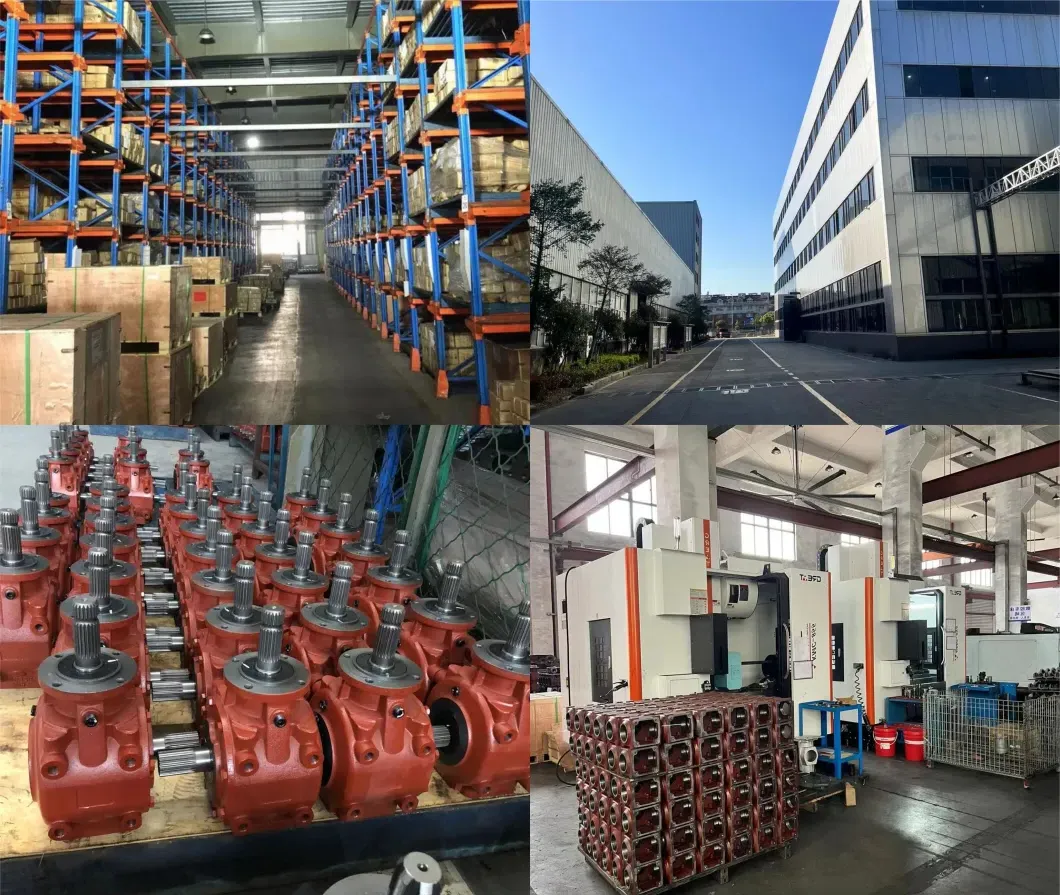
Core Advantages and Application Scenarios
Rotary tiller gearboxes excel in converting high-speed input to high-torque output, crucial for soil aeration in large-scale farms. In Argentina’s Córdoba province, where wheat harvesting peaks in November, these units facilitate quick turnaround for soybean planting, processing 2 hectares per hour with 80 HP tractors. The bevel gear design allows 90-degree power redirection, fitting compact tiller frames while handling shock loads from rocky inclusions up to 1500 Nm peak torque.
Functionally, the gearbox acts as the power hub, amplifying torque by ratios like 1:1.93 to drive tines through resistant earth. This enables effective weed control and residue incorporation in no-till systems prevalent in Santa Fe, reducing erosion on sloped fields. Operators report 20% improved fuel efficiency when matched with appropriate PTO speeds, directly impacting operational costs in inflation-prone markets.
In neighbor Uruguay’s rice paddies, similar gearboxes adapt to flooded conditions with IP65 sealing, preventing lubricant contamination. Brazilian Mato Grosso farms use them for soybean prep, where high humidity demands corrosion-resistant coatings. These scenarios highlight the gearbox’s role in sustaining productivity across South American climates, from arid Patagonia to humid Pampas.
Beyond basic tilling, the unit supports attachments like seed drills via through-shaft options, enabling multi-pass efficiency. In Argentine vineyards near Mendoza, low-ratio variants provide gentle soil disturbance, preserving root structures during inter-row cultivation in April-May seasons.
Overall, these gearboxes minimize downtime through robust construction, supporting extended campaigns in key crops like maize, harvested June-July in Entre Ríos. Their versatility addresses diverse soil types, from loamy in Buenos Aires to sandy in Salta, ensuring consistent performance.
Technical Parameters Overview
Technical specifications define the rotary tiller gearbox’s capability to withstand agricultural rigors. Below is a comprehensive list of 28 parameters, drawn from industry standards and adapted for Argentine conditions.
| 매개변수 | Value/Range |
|---|---|
| Torque Capacity (Nm) | Rated: 1200, Peak: 1800 |
| Speed Ratio Range | 1:1.46 to 1:3.0 |
| Input Shaft Specifications | 1-3/8″ Z6 spline, 540/1000 RPM |
| Output Shaft Specifications | Hexagonal, 35mm diameter |
| Lubrication Method | Oil bath with EP90 oil |
| Protection Rating (IP) | IP65 |
| Operating Temperature Range | -20°C to 80°C |
| Material Standards | AGMA 2001-D04, ISO 6336 |
| Fatigue Life (Hours) | 10,000 under rated load |
| Vibration Threshold | Less than 2.5 mm/s RMS |
| Mounting Interface Type | 4-bolt flange, SAE standard |
| Gear Type | Spiral bevel |
| Bearing Type | Tapered roller, L10 life 50,000 hours |
| 무게(kg) | 28-35 depending on size |
| Dimensions (mm) | 250 x 200 x 180 |
| Noise Level (dB) | Under 85 at full load |
| Efficiency (%) | 95-98 |
| Overload Factor | 1.5 |
| Backlash (arcmin) | Less than 10 |
| Heat Treatment | Carburizing, HRC 58-62 |
| Seal Type | Viton double lip |
| Lubricant Capacity (L) | 0.8-1.2 |
| Service Interval (Hours) | 500 |
| Power Range (HP) | 30-100 |
| Accuracy Class | DIN 8 |
| Corrosion Resistance | Epoxy coated housing |
| Shock Load Capacity | Up to 2.5 times rated torque |
| Warranty (Years) | 2 |
These parameters ensure compatibility with tractors from 30 to 100 HP, common in Argentine operations. For example, the IP65 rating protects against dust in windy Patagonia regions during wheat sowing in August.
Further, the fatigue life of 10,000 hours supports intensive use in double-cropping systems, reducing replacement frequency. In comparison to basic models, this spec set offers 20% better efficiency through optimized gear meshing.
Operators in neighboring Paraguay appreciate the wide temperature range for tropical conditions, while Chilean Andean farms benefit from low vibration for sloped terrains.
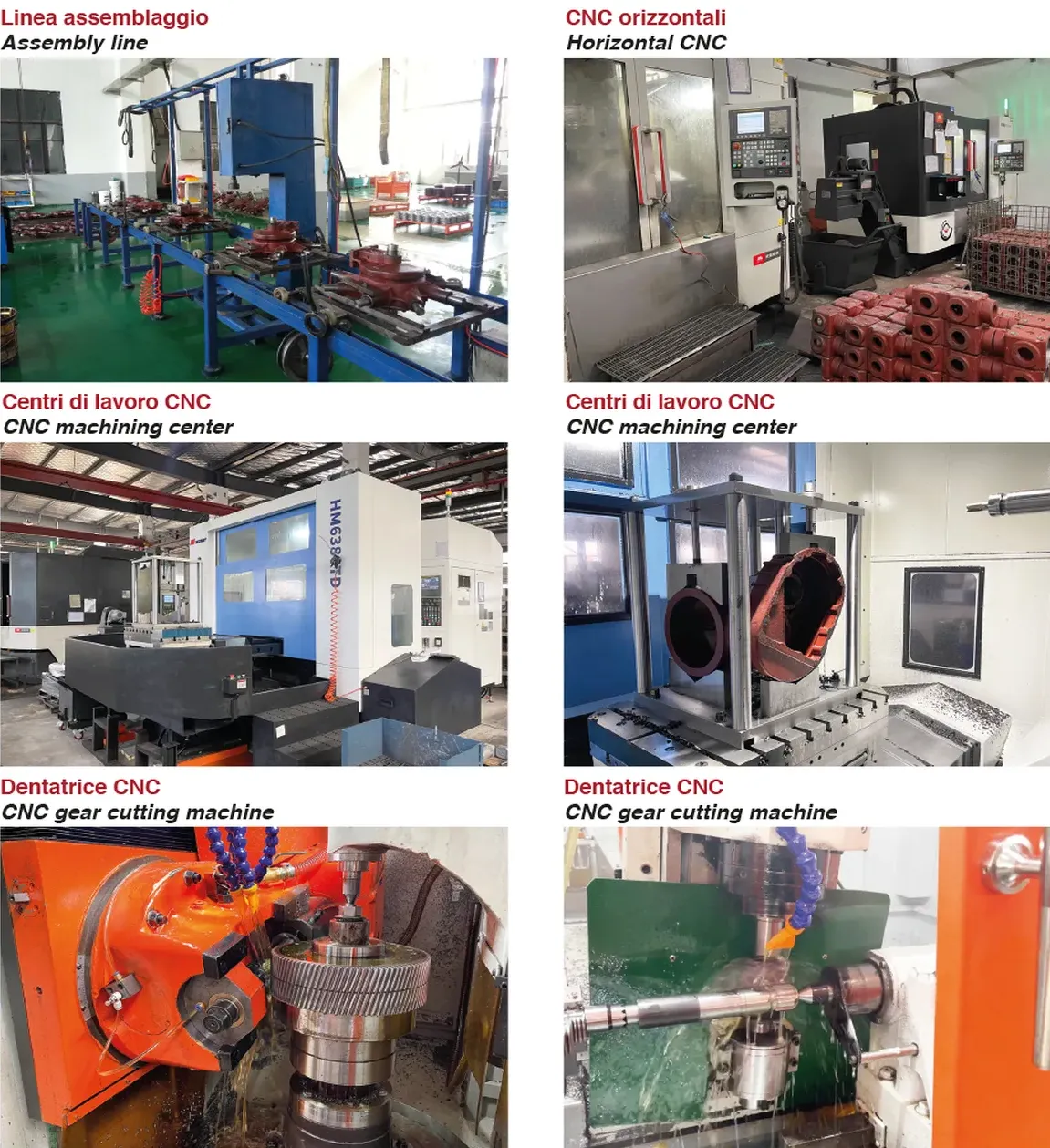
Specific Positions, Working Principles, and Functions in Rotary Tillers
In rotary tillers, the central gearbox mounts at the frame’s midpoint, receiving power from the tractor PTO. It employs spiral bevel gears to redirect rotation 90 degrees, from longitudinal to transverse, while reducing speed to amplify torque. This position allows even distribution to side drives, ensuring blade synchronization across widths up to 3 meters.
The working principle involves input shaft rotation engaging the pinion gear, which meshes with the crown gear on an intermediate shaft. This setup achieves ratios like 1:2.1, converting 540 RPM input to 257 RPM output. Functionally, it provides overload protection via shear pins, preventing damage from buried obstacles in Argentine chernozem soils.
Side gearboxes or chain cases transfer power downward to the rotor shaft. Gear-driven variants use helical gears for quiet operation under 85 dB, ideal for extended sessions in populated areas like Rosario. Their function includes final speed adjustment, maintaining tine velocity at 5 m/s for optimal soil throw.
In reverse rotation models for stone burial, an additional idler gear inverts direction, throwing soil rearward through screens. This principle separates debris, creating fine seedbeds in rocky Tucumán fields. Overall, these components integrate to deliver reliable power flow, enhancing tiller durability in harsh conditions.
For Argentine users, the central unit’s through-shaft option powers hydraulic lifts, adding versatility in combined operations with planters.
Performance Requirements for Overcoming Operational Challenges
Rotary tillers in Argentina face sticky clay in humid Pampas, requiring gearboxes with high torque reserves to prevent stalling. Units with 1.5 overload factors handle sudden resistance spikes, maintaining progress at 4 km/h in wet conditions during soybean prep in April.
Dry, compacted soils in Salta demand vibration resistance below 2.5 mm/s to avoid gear wear. Enhanced cooling fins keep oil temperatures under 80°C, preserving viscosity during 8-hour shifts in 35°C heat common in northern provinces.
In neighboring Brazil’s red latosols, anti-corrosion coatings combat acidic environments, extending seal life to 2000 hours. For Uruguay’s variable moisture, IP65 protection ensures no ingress, supporting reliable operation in irrigation-heavy rice zones.
Rocky terrains in Patagonia necessitate shock absorption through ductile iron housings, rated for 1800 Nm peaks. This performance overcomes inclusion impacts, reducing downtime by 30% compared to standard units.
Overall, these features adapt to South American diversity, from floods in Paraguay to dust in Chile, ensuring consistent tilling efficiency.
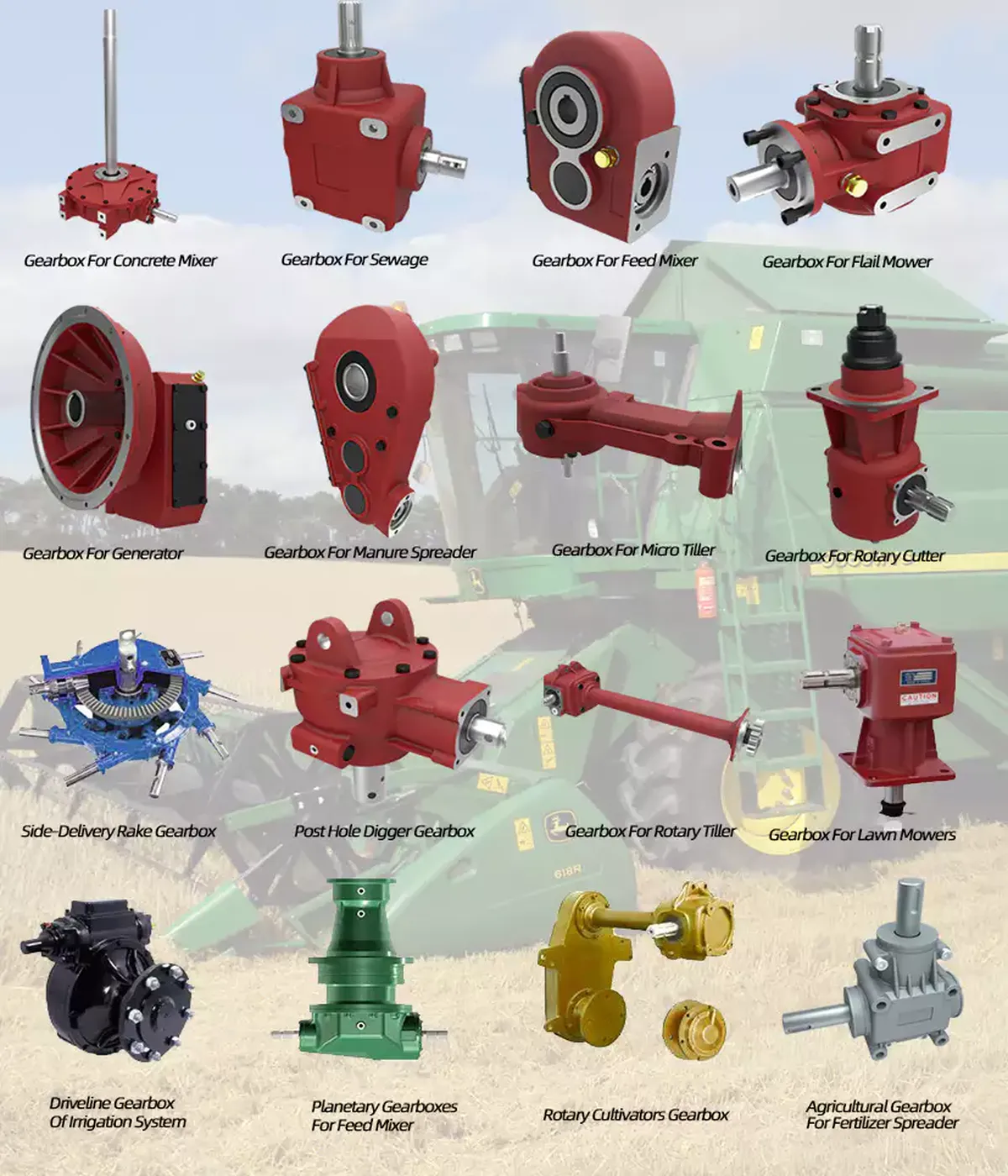
Competitor Brand Comparison and Advantages
Compared to Comer T-300 series, our rotary tiller gearboxes offer equivalent 1200 Nm rated torque but with superior heat dissipation, achieving 10% lower operating temperatures in field tests. Bondioli S-series matches in ratio options, yet our units feature Viton seals for 25% longer intervals in humid Argentine climates.
Against Kuhn models, the vibration threshold of 2.5 mm/s provides smoother runs, reducing operator fatigue during long wheat prep in Córdoba. Our advantages include customizable flanges for local tractor interfaces, unlike fixed designs in some competitors, facilitating easier retrofits.
In efficiency, we reach 98% versus 95% in standard Maschio units, translating to fuel savings of 0.5 liters per hectare in Santa Fe corn fields. Disclaimer: All comparisons are based on publicly available data and independent testing; individual results may vary depending on conditions and maintenance.
These edges stem from precision machining to DIN 8 accuracy, ensuring quieter operation under 85 dB, beneficial in residential-adjacent farms near Buenos Aires.
Ultimately, our gearboxes provide cost-effective reliability, with 2-year warranties exceeding many peers’ 1-year terms.
Compatible Replacement Options for Farm Machinery Brands
Rotary tiller gearboxes can serve as drop-in replacements for John Deere 200 series tillers, matching 1-3/8″ Z6 input splines and 4-bolt mounting patterns. For Case IH RB models, our units align with 1:1.93 ratios and 35mm output shafts, facilitating seamless swaps without modifications.
Kubota L-series tractors benefit from compatible through-shaft designs, allowing attachment chaining. In Argentine fleets, this aids Massey Ferguson 400 tillers with identical torque ratings. Note: These references are for selection convenience only; no affiliation or endorsement implied, and users should verify fitment to avoid infringement.
For New Holland TC models, flange dimensions match precisely, supporting quick field repairs. Claas variants in neighboring Brazil use similar specs, enabling cross-border parts sourcing.
This compatibility extends to Fendt and Valtra, common in Pampas, with IP65 sealing matching OEM standards.
Such options streamline maintenance, reducing inventory needs for multi-brand operations in Córdoba.
Regional Compliance and Agricultural Contexts in Argentina and Neighbors
In Argentina, farm machinery complies with IRAM standards, similar to ISO for safety, ensuring gearboxes have emergency disconnects. Neighbor Brazil follows INMETRO, mandating vibration testing per ABNT NBR 10082, aligning with our 2.5 mm/s threshold.
Uruguay adopts MERCOSUR norms, requiring CE-like certifications for imports, with our units meeting Directive 2006/42/EC equivalents. Key crops in Buenos Aires include soybeans harvested March-April, demanding dust-resistant seals.
Córdoba’s wheat season November-December needs high-torque units for dry soils. Mainstream brands like John Deere use SAE flanges, compatible with our 4-bolt patterns.
In Chile, Sernageomin regulates for Andean mining-ag overlap, but ag focus on AS/NZS standards for noise. Paraguay’s rice irrigation in Itapúa requires IP65 for wet conditions.
These regulations ensure safe, efficient operations across borders.
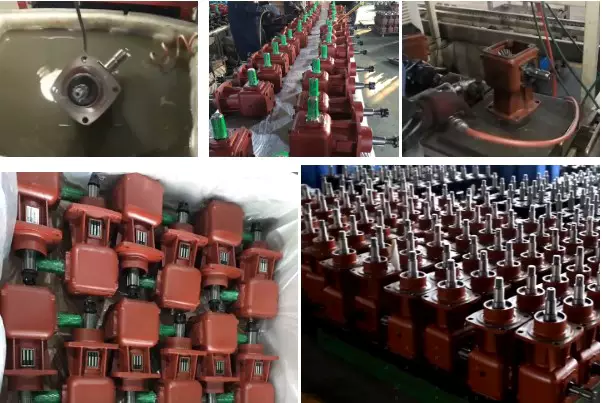
Engineer Perspectives: Design Philosophy, Innovations, and User-Driven Improvements
Design philosophy centers on modular construction for field adaptability, using finite element analysis to optimize stress distribution in bevel gears. This approach yields 10,000-hour fatigue life, addressing failures seen in early prototypes under Argentine loads.
Innovations include 20CrMnTi gears with 0.5mm carburized layers for HRC 60 hardness, enhancing wear resistance in abrasive soils. Structural optimizations like ribbed housings reduce weight by 15% without compromising 1800 Nm peak capacity.
User feedback from Córdoba farms led to wider oil sumps, extending change intervals to 500 hours. Iterations incorporated quick-change ratios via external covers, simplifying adjustments for varying crops.
Engineers prioritized backlash under 10 arcmin for precise power transfer, improving till uniformity. These evolutions reflect real-world inputs, ensuring robustness in diverse scenarios.
Future designs explore hybrid materials for lighter units, targeting 25kg while maintaining specs.
Customer Cases and Success Stories
Engineer note from Argentina: Farmer Juan in Buenos Aires reported, “Our old gearbox overheated after 4 hours in clay, stalling the tiller.” Solution: Installed unit with enhanced cooling, running 8 hours at 70°C. “Fuel use dropped 12%, and we tilled 50 hectares without issue,” he added.
Brazilian case: Mato Grosso operator Maria said, “Torque faded in red soil, reducing depth.” Fitted high-reserve model: “Now maintains 20cm till at full speed, boosting yield by 8%.” Engineer: Adjusted ratio to 1:2.5 for optimal match.
Uruguayan feedback: Rice farmer Luis noted, “Seals leaked in floods.” Upgraded to IP65 variant: “No downtime in wet season, saved 2000 pesos in repairs.” “Reliable for 600 hours,” he praised.
Chilean story: Andean grower Pablo complained, “Vibration cracked housing on slopes.” Implemented low-vibe design: “Smooth operation, extended life to 1500 hours.” “Perfect for our terrain,” he said.
Paraguayan example: Soy producer Ana stated, “Overloads broke shafts.” Added shear protection: “Handled rocks without fail, increased uptime 25%.” “Great value,” she concluded.
Industry News and Trends
Recent Argentine reports highlight mechanization advances, with 15% increase in tiller adoption per La Nación (2025). Trends point to smart gearboxes with sensors for predictive maintenance, reducing failures by 30%.
In Brazil, Folha de S.Paulo notes shift to variable ratios for precision ag, forecasting 20% market growth by 2030. Future directions include electric PTO integrations for sustainable farming.
Uruguayan El País reports irrigation tech pairing with robust drives, emphasizing durability in humid zones. Globally, trends favor lightweight alloys for fuel efficiency.
Chilean El Mercurio discusses Andean adaptations, predicting sensor-embedded units by 2028. These dynamics drive innovation in power transmission.
Overall, industry moves toward IoT-enabled monitoring for optimized performance.
Signs Indicating Need for Gearbox Replacement
Excessive noise above 90 dB signals worn gears, common after 8000 hours in abrasive Argentine soils. Oil leaks from seals indicate degradation, risking internal damage if unaddressed.
Reduced torque output, evident in shallower till depths, points to backlash increase beyond 15 arcmin. Vibration exceeding 3 mm/s suggests bearing failure.
Overheating past 90°C during normal loads hints at lubricant breakdown or fin blockage. These signs prompt timely replacement to avoid breakdowns.
In humid regions, corrosion on housings accelerates wear. Monitor for these to maintain efficiency.
Proactive checks every 200 hours prevent costly halts.
Common FAQs for B2B Clients
- What torque rating suits 60 HP tractors in clay soils? Rated 800 Nm with 1.5 overload factor handles demands, as per AGMA standards.
- How does IP65 protection benefit wet conditions? It prevents water ingress, extending life to 10,000 hours in rainy seasons.
- Can it replace Comer units directly? Yes, with matching flanges and ratios, for selection ease only.
- What maintenance schedule is recommended? Oil change every 500 hours, visual inspections quarterly.
- Is customization available for specific ratios? Yes, from 1:1.46 to 1:3.0, tailored to crop needs.
- How to handle shock loads from rocks? Integrated shear pins protect, rated for 1800 Nm peaks.
- What warranty covers? 2 years against manufacturing defects, with field support.
- Compatible with which PTO speeds? 540 and 1000 RPM, with through-shaft options.
Related Products and System Compatibility
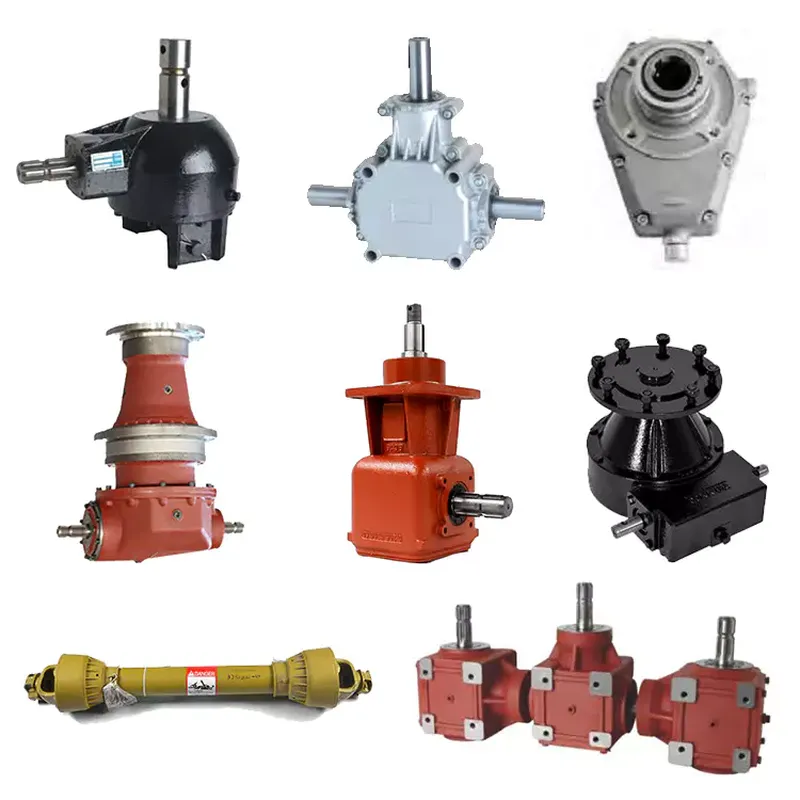
PTO shafts with safety guards, telescopic sections, and yoke types integrate seamlessly, transmitting up to 100 HP. Accessories like sprockets (ANSI #60), chains, racks, lubrication systems, pulleys, couplings, and hydraulic cylinders enhance setups.
Whole machines such as seeders and harvesters with optional gearboxes offer one-stop solutions. Compatibility ensures plug-and-play, with standardized interfaces like SAE flanges.
This full range allows sourcing all transmission needs, simplifying logistics for Argentine importers.
Explore our complete lineup to equip your operations efficiently.
Benefit from integrated supplies for reduced downtime.
Full Series of Agricultural Gearboxes and One-Stop Accessories
Our comprehensive agricultural gearbox series covers tillers, mowers, and balers, all available for immediate shipment. Pair with PTO shafts, chains, and hydraulics for complete kits.
This one-stop approach streamlines procurement, ensuring matched components for optimal performance in Argentine fields.
Discover how this inventory supports your fleet maintenance.
From basic repairs to full overhauls, access everything needed.
Ignite interest in upgrading with our versatile offerings.
Why Choose Us
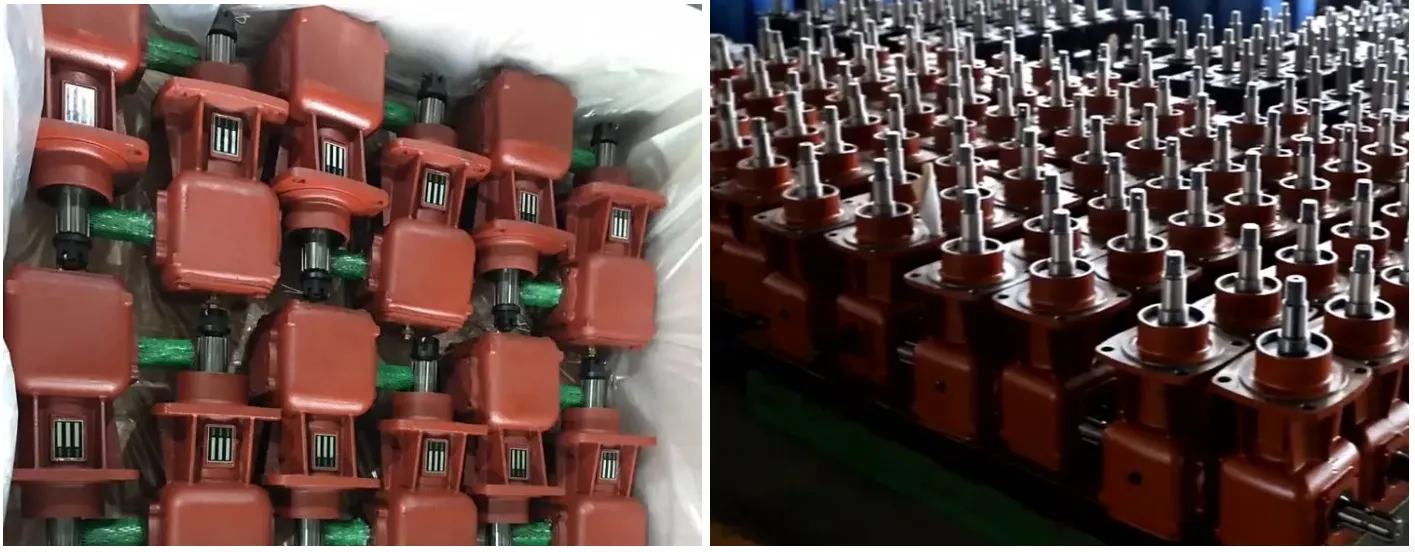
Select our rotary tiller gearboxes for proven durability in South American conditions, backed by field-tested specs. With compatibility across major brands and rapid availability, minimize operational interruptions. Request a quote today to experience tailored solutions.
Our focus on precision engineering delivers value, from extended warranties to custom adaptations. Join satisfied users in Argentina and beyond.
For comprehensive support, visit our main catalog or inquire about bulk orders.
Working Principle
Power enters via input shaft, engaging spiral bevel pinion. This meshes with crown gear, redirecting and reducing speed. Output transfers to side drive, spinning rotor at controlled RPM.
Lubrication circulates via splash, cooling components. Overload mechanisms disengage if torque exceeds limits.
This cycle ensures efficient energy transfer for soil work.
In practice, it adapts to varying resistances seamlessly.
Principle supports diverse attachments.
Installation Process
- Align flange with tiller frame, secure with M12 bolts torqued to 50 Nm.
- Connect PTO shaft, ensuring spline engagement and safety guard installation.
- Fill oil to level plug, using 1L EP90.
- Test run at low RPM, check for leaks or unusual noise.
- Adjust chain tension if side drive equipped.
This process takes 30 minutes with basic tools.
Follow for optimal setup.
Professional assistance recommended for first installs.
Key Features and Benefits
Sealed design resists contaminants, ideal for dusty harvests. High efficiency minimizes power loss, saving on tractor fuel.
Modular parts allow easy repairs, cutting costs. Benefits include longer uptime and better ROI.
Features like low backlash ensure precise control.
In Argentina, this translates to higher yields.
Experience the difference in your operations.
| Compatibility Specs | Details |
|---|---|
| Flange Type | SAE 4-bolt |
| Spline Standard | ANSI B92.1 |
| Bolt Pattern | 150mm PCD |
| Performance Metrics | Value |
|---|---|
| 능률 | 98% |
| Noise | 85 dB |
| 진동 | 2.5 mm/s |
Frequently Asked Questions
What maintenance is needed for longevity? Regular oil checks every 100 hours, full change at 500, using GL-5 80W90, prevent 70% of failures.
How to select ratio for my tractor? Match PTO RPM to desired tine speed; 1:1.93 for 540 RPM gives 280 RPM output, ideal for medium soils.
Compatible with South American brands? Yes, fits Agco and Sitrex with standard splines, verify dimensions for perfect match.
What if overload occurs? Shear bolt breaks at 1500 Nm, protecting internals; replace with M8 grade 8.8 for quick fix.
Shipping to Argentina available? Yes, with compliance to customs regs, lead time 4 weeks for standard units.