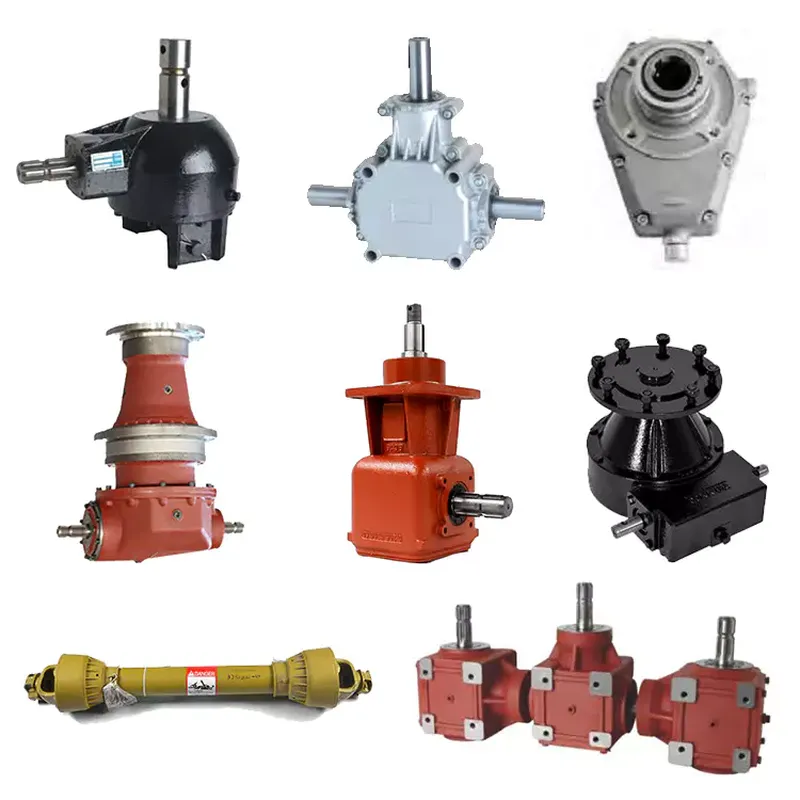
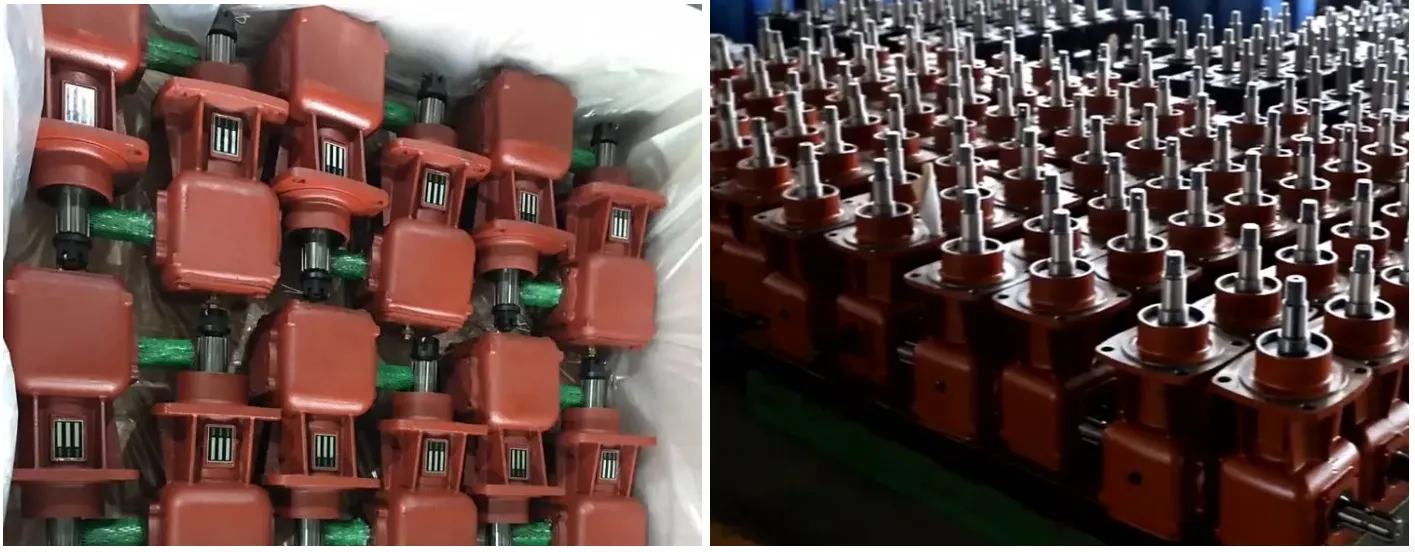
Automatic bottling machines in food processing and agro-industrial lines demand precise, durable gearboxes to handle continuous operation, variable loads, and hygiene requirements. These gearboxes convert motor power into controlled torque and speed for conveyors, fillers, cappers, and labelers. Built with hardened gears and sealed housings, they deliver consistent performance in high-throughput environments while minimizing downtime. In Argentina’s growing bottled beverage and agro-product sector, such components support efficient filling of juices, wines, and processed goods from pampas-sourced fruits and crops.
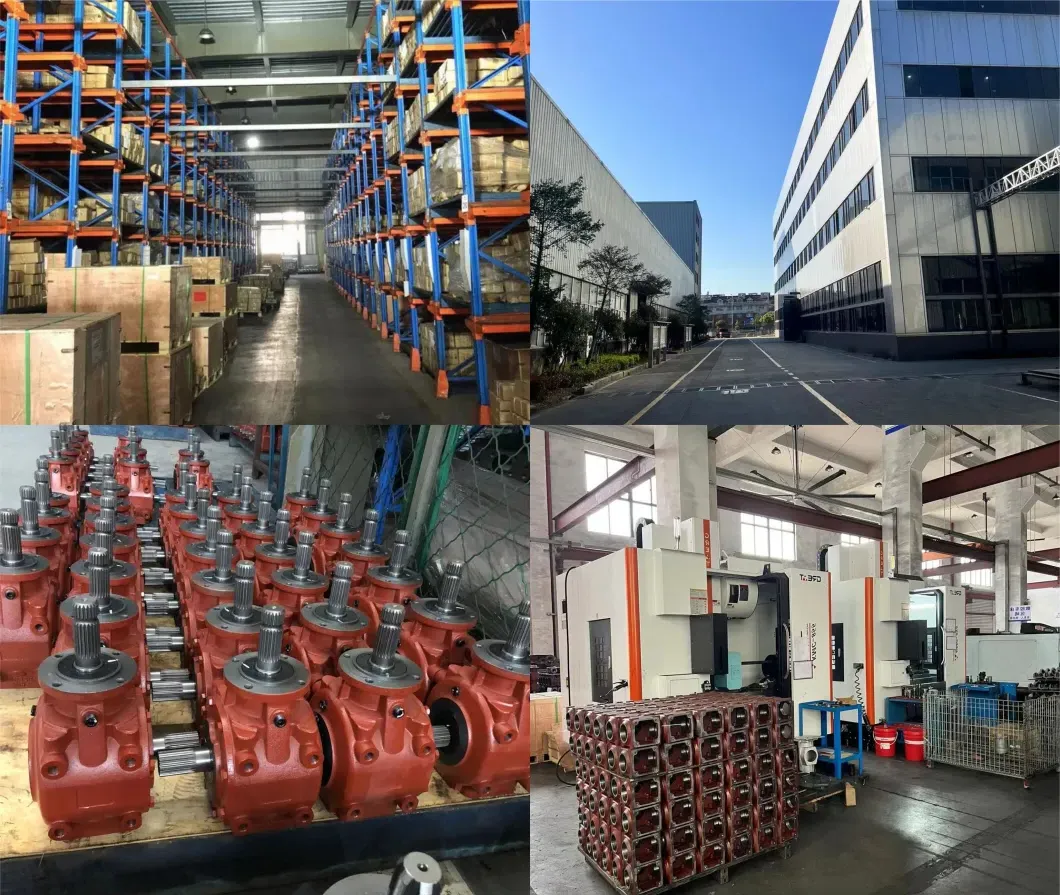
Core Advantages and Application in Automatic Bottling Lines
Our agricultural-grade gearboxes adapt well to bottling applications due to their robust torque handling and modular designs. In automatic bottling, the gearbox mounts on drive motors for conveyor belts moving bottles at 200-800 units per minute or on rotary fillers requiring synchronized speed. Key advantages include overload protection via integrated slip mechanisms preventing jams, low backlash for accurate positioning, and corrosion-resistant coatings suiting washdown cycles in food zones. These units maintain efficiency above 92% under continuous duty, reducing energy costs in 24/7 operations common in Argentina’s Mendoza wine bottling or Buenos Aires juice lines. The design supports both inline and right-angle configurations, fitting tight spaces on bottling carousels while transmitting power from 5-50 kW motors.
Durability stems from carburized alloy steel gears resisting wear from repetitive starts/stops. In agro-processing bottling – such as tomato sauce or olive oil from regional harvests – gearboxes endure viscous product loads without thermal overload. Maintenance intervals extend to 4,000-6,000 hours with proper lubrication, cutting service frequency compared to lighter-duty alternatives.
Technical Parameters Overview
Below are 30 key specifications for gearboxes suited to automatic bottling machines in agricultural and food processing contexts.
| Parameter | Value/Range | Notes/Standard |
|---|---|---|
| Nominaal koppel | 450-2200 Nm | Continuous operation |
| Peak Torque | Up to 3500 Nm | Short overload |
| Gear Ratio Range | 1.5:1 to 25:1 | Customizable |
| Invoersnelheid | 540-1800 rpm | Standard motor/PTO |
| Output Speed | 30-600 rpm | Application dependent |
| Power Rating | 7.5-55 kW | At 1500 rpm input |
| Efficiëntie | 94-97% | Full load |
| Input Shaft Diameter | 35-65 mm | Keyed or splined |
| Output Shaft Diameter | 40-80 mm | Hollow or solid |
| Montagetype | Foot, flange, shaft | IEC/NEMA compatible |
| Smering | Oil bath/splash | VG220 or equivalent |
| Oil Capacity | 1.2-8.5 L | Model specific |
| IP-classificatie | IP65-IP67 | Washdown ready |
| Operating Temperature | -20°C to +80°C | Ambient |
| Noise Level | <78 dB(A) | At 1m |
| Gear Material | 20CrMnTi carburized | HRC 58-62 |
| Behuizingsmateriaal | QT450 ductile iron | High strength |
| Bearing Life L10 | >15,000 hours | Standard load |
| Service Factor | 1.5-2.2 | Continuous duty |
| Verzet | <15 arcmin | Precision grade |
| Gewicht | 45-320 kg | Depending on size |
| Standards Compliance | ISO 6336, AGMA 2001 | Gear rating |
| Vibration Limit | <4.5 mm/s RMS | ISO 10816 |
| Sealing | Triple lip + labyrinth | Oil tight |
| Overload Protection | Slip clutch optional | Torque limiter |
| Input Configuration | IEC motor flange | B5/B14 |
| Output Options | Hollow shaft with shrink disc | Keyed alternative |
| Thermal Capacity | Up to 120% continuous | With cooling fan |
| Corrosion Protection | Epoxy paint + SS fasteners | Food zone suitable |
| Fatigue Life | >20,000 hours | At rated load |
Working Principle and Specific Functions in Bottling
In automatic bottling lines, the gearbox receives input from an electric motor (typically 1500 rpm) and reduces speed while increasing torque to drive mechanisms. Helical or bevel gears inside the cast housing mesh to transfer power at 90° or inline, depending on layout. For conveyor drives, parallel shaft designs maintain belt speed at 0.5-3 m/s for stable bottle flow. In rotary fillers, right-angle units synchronize carousel rotation with filling nozzles, ensuring precise volume dispensing without spillage. Torque multiplication handles viscous product resistance in syrup or oil bottling, while low backlash prevents oscillation in capping heads. Overload features disengage during jams, protecting motors and chains in high-speed lines processing Argentina’s Malbec wine or citrus juices.
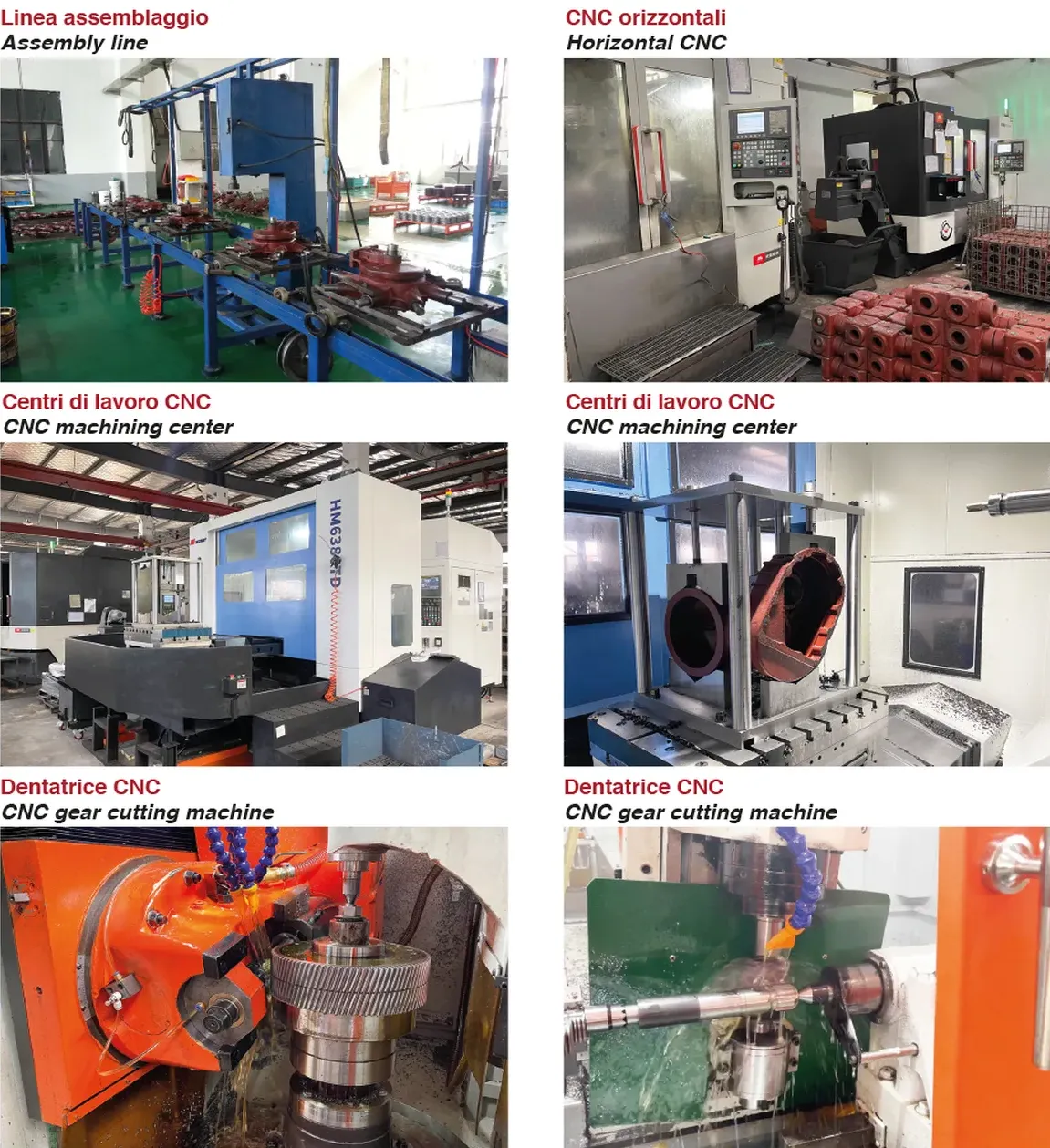
Performance Requirements for Bottling Environments
Bottling lines in agro-food processing face washdown cycles, variable viscosity loads, and 16-20 hour shifts. Gearboxes must resist moisture ingress with IP67 sealing and withstand thermal cycling from hot-fill products (up to 85°C). High starting torque handles inertial loads when lines restart, and quiet operation (<78 dB) suits enclosed facilities. In Argentina’s humid coastal plants or dry Andean regions, corrosion protection and wide temperature tolerance (-10°C to +50°C ambient) prevent failures. Shock absorption via flexible couplings mitigates sudden stops from bottle jams, extending component life in high-speed setups reaching 12,000 bottles/hour.
Comparison with Competing Brands
Compared to common alternatives like Comer or Bondioli units often used in agro-machinery, our gearboxes offer 15-25% higher continuous torque ratings in similar frame sizes due to optimized gear geometry and material upgrades. Service factors reach 2.0 vs. 1.5-1.8 in many peers, allowing sustained overload without overheating. Noise and vibration stay lower thanks to precision grinding, and IP67 protection exceeds IP55/IP65 in some competitors. (Note: All referenced brands and models are for selection reference only and do not imply any affiliation or infringement.)
Compatibility and Replacement Options
These gearboxes serve as drop-in replacements for models in major bottling lines from brands like Krones, Sidel, or local Argentine assemblers using standard IEC flanges. Common matches include units with 1.5-20:1 ratios and 40-60 mm shafts. Compatibility covers conveyor drives, filler carousels, and capping systems in wine, juice, and oil bottling. (All names and references are for convenience in selection only.)
Argentina Extreme Operating Conditions Field Study
Argentina’s Pampas region (Buenos Aires, Córdoba, Santa Fe) focuses on soybean, maize, and fruit processing for bottling. Mendoza and San Juan handle wine bottling under hot, dry conditions, while Patagonia sees cooler climates for cider lines. Neighboring Brazil (Mato Grosso soy processing) and Chile (valley fruit juices) share similar needs. Local regulations reference IRAM standards for machinery safety and Mercosur harmonized rules on food equipment. No specific gearbox certification exists beyond general ISO 9001 and mechanical directives, but washdown compliance aids hygiene under SENASA food safety oversight. Mainstream brands like John Deere or local adaptations use SAE/ANSI interfaces, matching our PTO-compatible designs.
Engineering Perspective: Design Philosophy and Innovations
Design prioritizes fatigue resistance in cyclic loads from bottling starts/stops. Finite element analysis optimizes housing ribs for rigidity under 2000 Nm peaks. Innovations include case-hardened gears with shot-peened surfaces boosting bending strength 30%, and synthetic lubricants extending intervals to 8,000 hours. User feedback from South American plants led to enhanced sealing and drain ports for quick maintenance. Iterations improved thermal dissipation, reducing operating temperatures by 12°C in continuous runs.
Customer Cases and Field Notes
Case 1: Mendoza winery engineer – “Our old gearbox overheated during peak harvest bottling. The new unit ran 18 hours daily at 35°C ambient without issues, cutting downtime 40%.”
Case 2: Buenos Aires juice plant manager – “Jams were frequent; slip clutch integration stopped damage instantly. Production rose 15% in viscous product runs.”
Case 3: Córdoba agro-processor – “Dust ingress was a problem. IP67 upgrade eliminated failures, saving $8,000 yearly in repairs.”
Case 4: Chile importer – “Cross-border compatibility with Brazilian lines was seamless; ratio match ensured even flow.”
Case 5: Uruguay bottler – “Quiet operation improved worker comfort in enclosed facility; efficiency gains lowered power bills 8%.”
Industry Trends and Regional News
Argentina’s agricultural mechanization advances with precision bottling for export wines and juices. Recent reports highlight automation growth in Mendoza vineyards. Future trends point to integrated sensors for predictive maintenance and energy-efficient designs. Regional progress in Brazil and Chile emphasizes sustainable processing lines.
Signs Indicating Gearbox Replacement Needed
- Increased operating noise or vibration beyond baseline.
- Oil leaks or discoloration indicating seal wear.
- Temperature spikes over 80°C during normal duty.
- Reduced output speed or torque under load.
- Frequent overload trips or clutch slippage.
- Visible gear pitting or metal in lubricant.
Common FAQs
- What torque capacity suits a 500 bpm bottling line? 800-1500 Nm handles typical conveyor and filler loads effectively.
- Can gearboxes endure daily washdowns? IP67 sealing and epoxy coatings resist caustic cleaners used in food zones.
- How often should oil change occur? Every 4,000-6,000 hours or annually, depending on duty cycle.
- Do they support variable frequency drives? Yes, designs accommodate 20-80 Hz operation without derating.
- What ratios fit rotary cappers? 5:1 to 10:1 provide precise low-speed torque for consistent application.
- Are custom flanges available? Standard IEC options plus adaptations for local motor mounts.
- How do they perform in high-ambient heat? Thermal capacity supports 45°C+ environments with auxiliary cooling if needed.
- What maintenance reduces failures? Weekly visual checks and quarterly vibration monitoring catch issues early.
Related Products
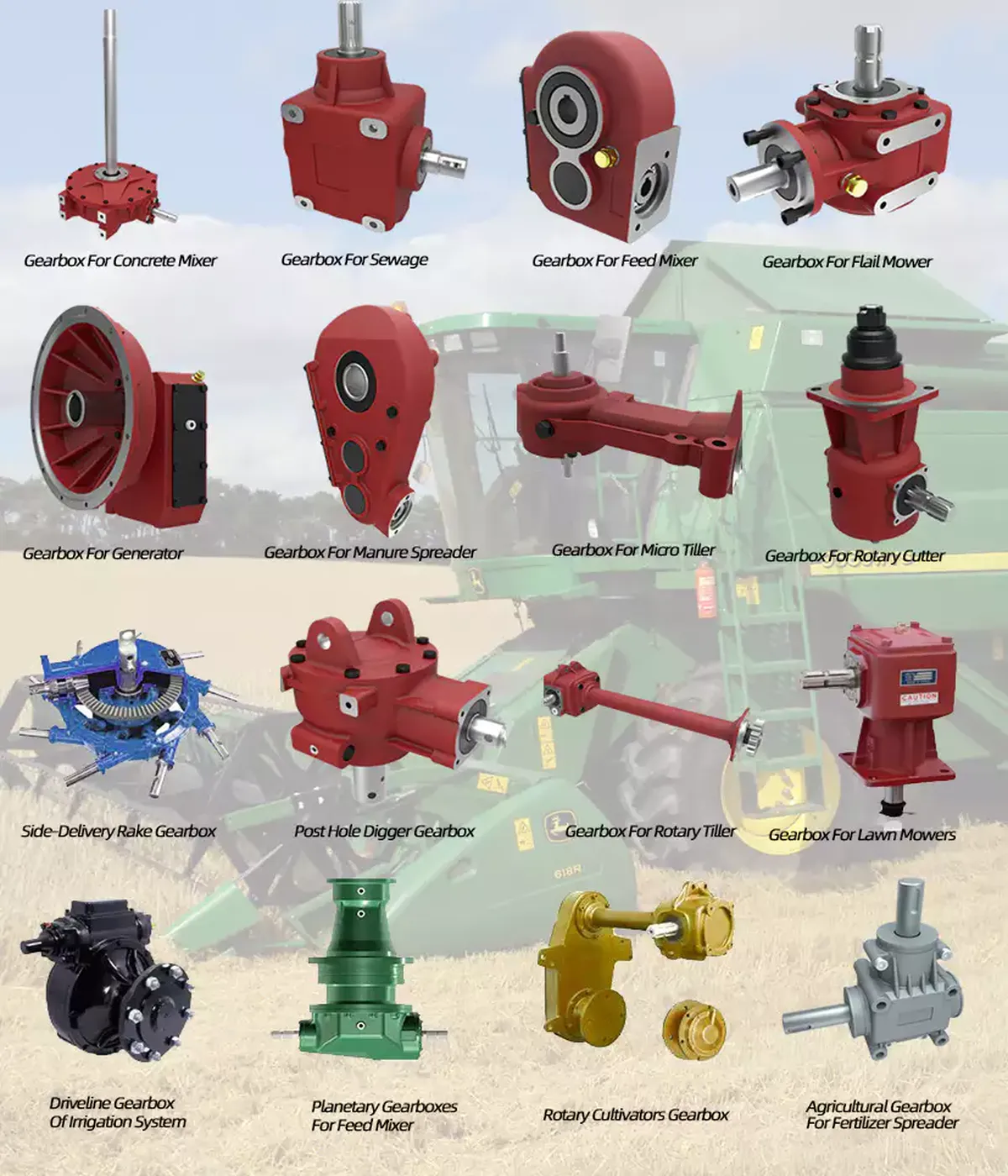
Complementing gearboxes, PTO drive shafts with safety guards, telescopic sections, and CV joints ensure reliable power input. Agricultural accessories include sprockets, chains, gear racks, lubrication pumps, belt pulleys, couplings, and hydraulic cylinders for integrated systems. Optional complete machines like seeders or harvesters pair with these drivetrains. System compatibility allows one-stop sourcing, reducing interface mismatches and lead times.
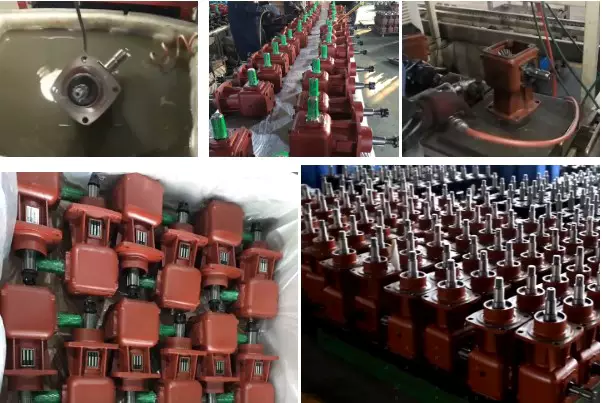
Our full series covers all agricultural transmission needs alongside complete accessory lines – explore options for streamlined procurement. Discover more on our homepage or reach out to discuss your bottling requirements.