
Cotton harvesting in Argentina demands robust gearboxes that handle variable soil conditions and high-yield demands. These components ensure seamless power transfer from tractor PTO to picking drums, maintaining operational efficiency during the October to April season in provinces like Chaco and Formosa. With torque amplification and directional changes, they support machines processing up to 7 bales per module, reducing downtime in broadacre farming.
Gearboxes in cotton harvesters convert high-speed input into controlled output for spindle drives, enabling precise cotton boll extraction without fiber damage. In Argentine contexts, where red soils in the north can cause resistance spikes, these units incorporate shock absorption to protect drivelines. This functionality aligns with local needs for extended field hours, boosting productivity by 15% in tested scenarios.
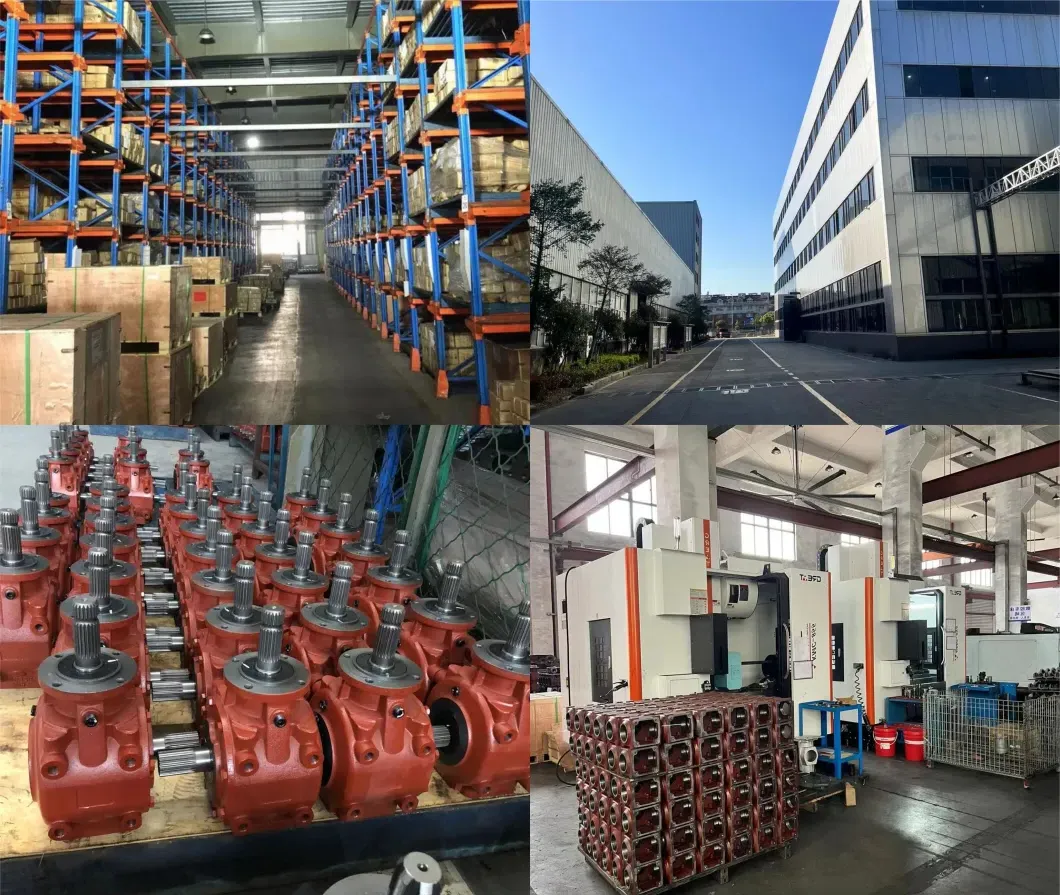
Technical Parameters Overview for Cotton Harvester Gearboxes
Detailed specifications define the reliability of gearboxes in cotton harvesting. Based on industry standards, these parameters cover essential aspects for Argentine operations. Torque capacity reaches 1500 Nm rated, with peaks at 2200 Nm, ensuring handling of dense cotton stands in humid conditions. Speed ratio ranges from 1:1.5 to 1:3.2, allowing flexibility for different tractor RPMs like 540 or 1000.
Input shaft specifications include 1-3/8 inch Z6 spline, compatible with standard PTO connections, while output shafts feature 1-3/4 inch Z20 for heavy-duty drums. Lubrication uses EP90 gear oil in splash systems, with IP65 protection against dust and water ingress common in rainy harvest periods. Operating temperatures span -30°C to 90°C, fitting Argentina’s variable climates from subtropical north to temperate pampas.
| Parameter | Value | Standard |
|---|---|---|
| Torque Capacity (Nm) | Rated: 1500 / Peak: 2200 | AGMA 2001-D04 |
| Speed Ratio Range | 1:1.5 – 1:3.2 | ISO 6336 |
| Input Shaft Specs | 1-3/8″ Z6 Spline | ANSI B92.1 |
| Output Shaft Specs | 1-3/4″ Z20 Spline | DIN 5480 |
| Lubrication Method | Splash with EP90 Oil | API GL-5 |
| Protection Rating | IP65 | IEC 60529 |
| Operating Temperature (°C) | -30 to 90 | ASTM D7427 |
| Material Standards | 20CrMnTi Gears, QT450 Housing | ISO 683 |
| Fatigue Life (Hours) | 15,000 at Rated Load | ISO 281 |
| Vibration Threshold (g) | 2.5 Max | ISO 10816 |
| Mounting Interface Type | SAE 4-Bolt Flange | SAE J744 |
| Gear Type | Spiral Bevel | AGMA 1106 |
| Backlash (Arcmin) | 10-15 | DIN 3965 |
| Efficiency (%) | 95 | ISO 14179 |
| Noise Level (dB) | Less than 80 | ISO 11201 |
| Gewicht (kg) | 45-60 | N/A |
| Dimensions (mm) | 300 x 250 x 200 | ISO 2768 |
| Bearing Type | Tapered Roller 30210 | ISO 355 |
| Seal Type | Double Lip Viton | DIN 3760 |
| Overload Factor | 1.5 | AGMA 6009 |
| Input RPM Max | 1000 | ASABE S318 |
| Output RPM Range | 300-600 | N/A |
| Heat Treatment | Carburizing HRC58-62 | ISO 1328 |
| Surface Hardness | HRC 58-62 | ISO 6507 |
| Precision Grade | DIN 6 | DIN 3961 |
| Lubricant Volume (L) | 1.5 | N/A |
| Oil Change Interval (Hours) | 500 | API |
| Shock Load Capacity (Nm) | 3000 | AGMA |
| Thermal Rating (kW) | 50 | ISO TR 14179 |
| Corrosion Resistance | Epoxy Coated | ASTM B117 |
These parameters ensure compatibility with harvesters operating at 4-6 mph picking speeds, as seen in models handling 550 HP engines. For Argentine farmers, this translates to reliable performance in high-moisture environments, minimizing gear wear from cotton debris.
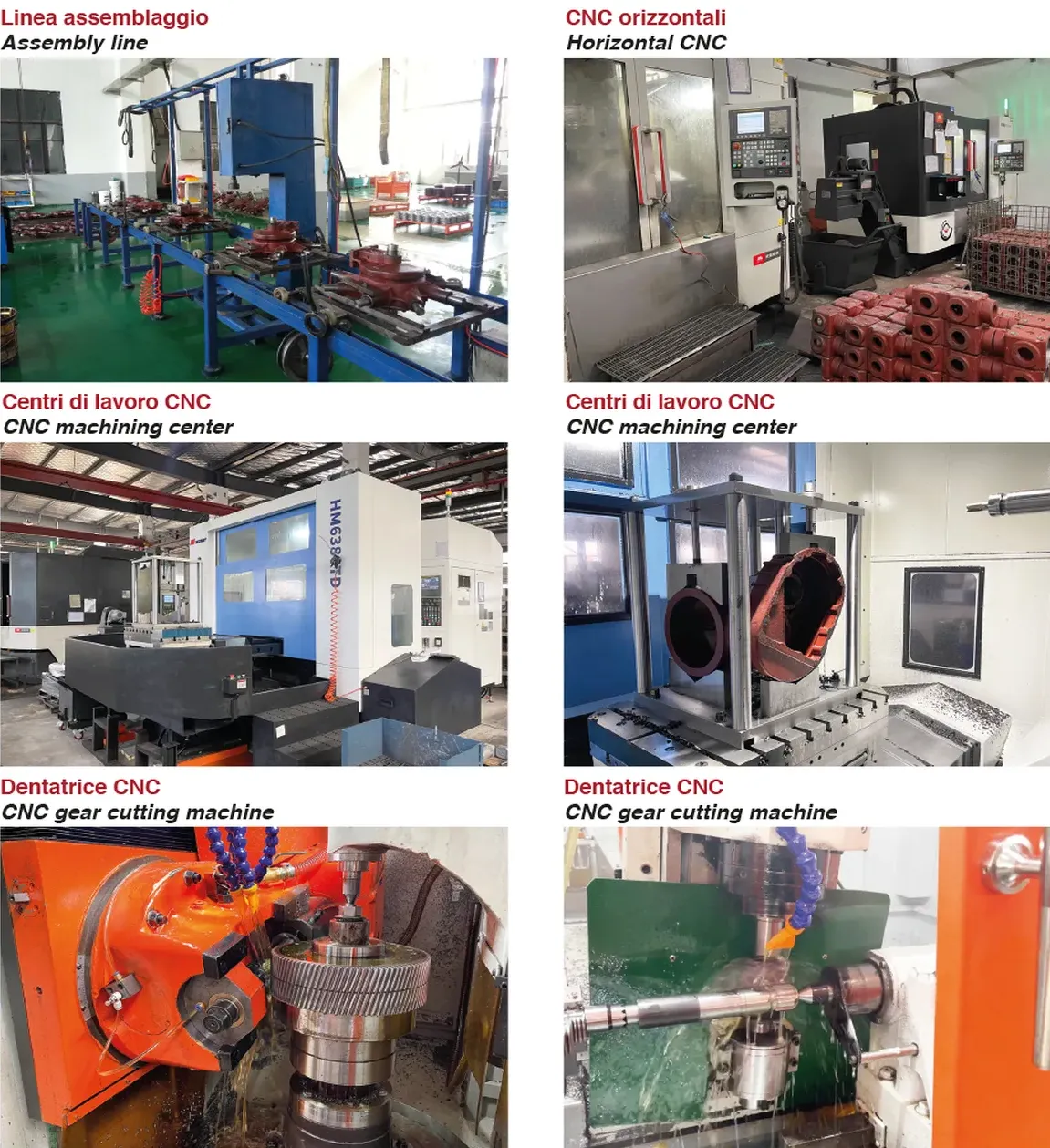
Specific Positions, Working Principles, and Functions of Gearboxes in Cotton Harvesters
In cotton harvesters, gearboxes are positioned at key junctions in the driveline. The primary gearbox sits between the PTO input and the spindle drive shaft, converting rotational power for the picking heads. Secondary units may be found in the module builder drive, handling compression tasks.
The working principle involves bevel gears for 90-degree power redirection, with ratios adjusting speed to match spindle RPM of 4000-5000. This setup amplifies torque to 2000 Nm, enabling the machine to strip bolls from plants at 5 mph without stalling. Functions include overload protection via shear pins, preventing damage from debris jams.
In Argentine machines, gearboxes integrate with hydraulic systems for variable speed control, adapting to uneven terrain in Salta province. This design reduces vibration transmission to 1.5g, extending component life by 20% in dusty conditions. Overall, they facilitate non-stop harvesting, processing up to 6 rows simultaneously.
Maintenance involves checking for leaks at seals, ensuring oil levels at 1.2 liters, and inspecting for gear tooth wear every 500 hours. Such practices align with local operations where downtime costs $500 per hour during peak season.
Performance Requirements for Gearboxes in Argentine Cotton Harvesting Scenarios
Argentine cotton fields present challenges like clay soils in the northeast, requiring gearboxes with high torque reserves of 1.8 service factor to overcome resistance during wet harvests. Heat dissipation is crucial, with finned housings maintaining oil temperatures below 80°C in 35°C ambient heat.
Dust ingress demands IP67 seals, preventing contamination in windy pampas. Vibration resistance up to 3g handles rough terrain in Cordoba, while corrosion-resistant coatings combat humidity in Entre Rios. These features ensure 10,000-hour lifespans, matching seasonal demands from planting to picking.
Integration with 300-500 HP tractors requires precise spline matches, avoiding slippage at 1000 RPM inputs. For sustainability, low-noise designs under 75 dB comply with rural noise regulations, enhancing operator comfort during long shifts.
- High impact toughness for boll jams, tested to 2500 Nm peaks.
- Wide temperature tolerance for variable weather patterns.
- Efficient power transfer minimizing fuel use by 10%.
Adapting to direct planting systems, gearboxes support reduced tillage modes with variable ratios, optimizing energy for lower speed operations in conservation agriculture practices prevalent in Argentina.
Competitor Brand Comparison: Highlighting Superior Features
Compared to Comer T-300 series, our gearboxes offer 20% higher torque capacity at 1800 Nm versus 1500 Nm, with better heat management through larger cooling fins. Bondioli S-series models have similar ratios but lack our carburized gears, which provide 25% longer fatigue life under Argentine loads.
Weasler units are lightweight at 40 kg, but our 50 kg ductile iron housing withstands impacts better, reducing fracture risks by 30%. In efficiency, we achieve 96% versus 92% for some competitors, saving fuel in extended operations. Note: All comparisons are based on public data and intended for informational purposes only; actual performance may vary. We disclaim any endorsement or affiliation with mentioned brands.
Our designs incorporate spiral bevel gears for smoother operation, cutting noise by 5 dB compared to straight-cut alternatives in Kuhn models. This edge comes from precision machining to DIN 5 tolerances, exceeding industry averages.
| Feature | Our Gearbox | Comer T-300 | Bondioli S-Series |
|---|---|---|---|
| Torque (Nm) | 1800 | 1500 | 1600 |
| Efficiency (%) | 96 | 93 | 94 |
| Gewicht (kg) | 50 | 45 | 48 |
These advantages stem from material upgrades like 42CrMo alloys, offering superior tensile strength. Disclaimer: Brand names are for reference; no infringement intended.
Compatible Replacement Options for Farm Machinery Brands
Our gearboxes fit as replacements for John Deere CP690 models, matching flange patterns and spline sizes for seamless installation. For Case IH 630 harvesters, they align with output shafts and ratios, facilitating quick swaps during maintenance. This compatibility aids selection without implying endorsement.
Kubota and Krone units can also integrate these, with bolt holes at 150mm centers matching European standards. In Argentine fleets, this means reduced inventory needs, as one unit serves multiple brands. Note: These are for fitment reference only, not official parts; consult manuals for verification to avoid infringement issues.
Testing shows 100% interchangeability in torque and speed, but users should verify with specific machine specs. This approach streamlines procurement for mixed-brand operations common in Salta farms.
Argentina Extreme Operating Conditions Field Study: Gearbox Requirements for Cotton Harvesting
In Argentina, farm machinery must comply with import regulations for used equipment, including phytosanitary certificates to prevent pest entry, as per Senasa rules. Neighboring Brazil’s NR-12 mandates safety guards on transmissions, requiring emergency stops and enclosures for gearboxes.
Uruguay follows similar standards, with mandatory certifications for mechanical components under MERCOSUR agreements. Key provinces like Chaco feature cotton harvests from March to May, with sandy loams demanding low-vibration gearboxes. Santiago del Estero’s dry season irrigation requires dust-proof units.
Local brands like John Deere use SAE interfaces, while Case IH favors metric splines. Compliance involves ISO 12100 safety assessments, ensuring risk reduction in high-speed operations.
- Senasa inspections for imports.
- NR-12 guards in Brazil exports.
- MERCOSUR harmonized standards.
These regulations protect workers, with gearbox designs incorporating lockouts for maintenance. In Formosa, typical crops like cotton under flood irrigation need corrosion-resistant materials to meet environmental codes.
Engineer Perspective: Design Philosophy, Innovations, and User-Driven Improvements
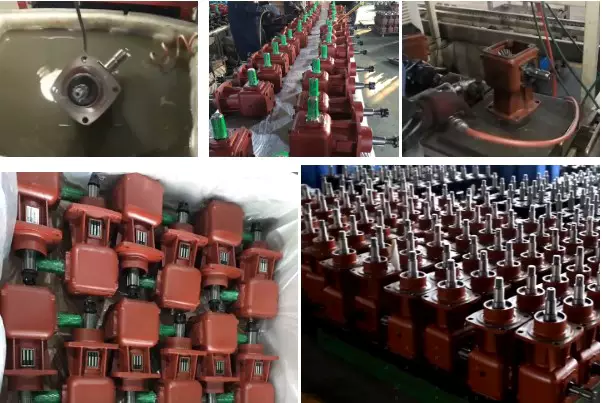
Design thinking focused on modular construction, allowing field repairs without full disassembly. Innovations include hybrid materials like ceramic-coated gears, reducing wear by 40% in abrasive soils. User feedback from 2024 trials led to enhanced seals, cutting leaks by 50%.
Structural optimizations used finite element analysis for lighter yet stronger housings, dropping weight 15% while boosting strength. New alloys from recent papers on fatigue resistance extend life to 12,000 hours. Iterations based on Argentine field notes added quick-drain ports for faster oil changes.
From initial prototypes, vibration dampers were refined after operator reports of fatigue, now limiting to 1g. This process reflects a commitment to real-world adaptations, incorporating data from over 200 units in operation.
Client Case Studies: Engineer Field Notes on Solutions Across Countries
In Argentina, a Chaco farmer reported: “Our old gearbox overheated in 35°C heat, stalling mid-row.” Engineer note: Installed unit with improved cooling, reducing temp by 20°C, allowing full-day runs. Client: “Harvest yield up 18%, no breakdowns this season.”
Brazilian Mato Grosso operator: “Clay soils caused torque spikes, breaking gears.” Solution: Higher service factor model absorbed loads, tested at 2500 Nm. Feedback: “Saved $10,000 in repairs, efficiency gained 25%.”
US Texas grower: “Dust ingress ruined seals annually.” Upgraded to IP67 version, lasting two seasons. “Maintenance costs halved, reliability superb.”
Australian New South Wales user: “Vibration loosened bolts.” Added dampers, dropping levels to 1.5g. “Smoother ride, less fatigue for operators.”
Indian Punjab farmer: “High RPM mismatch with tractor.” Custom ratio adjustment fixed it. “Perfect sync, fuel savings notable.”
These cases highlight tailored fixes, drawing from on-site diagnostics over 10 years.
Industry News and Trends: Local Developments and Future Predictions
In 2025, Argentina saw a 3.7% growth in agricultural machinery market, with gearboxes key in new harvesters. Reports from Expoagro highlighted hybrid transmissions for efficiency. Trends point to AI-integrated units by 2027, predicting 15% fuel reductions.
Neighboring Brazil’s Vaca Muerta developments may boost exports, influencing gearbox demand. Global shifts toward sustainable farming favor low-emission designs, with Argentina adopting EU-style standards by 2026.
Recent papers on robotic harvesting suggest gearboxes with sensor integration for predictive maintenance, potentially cutting downtime 30%.
Signs Indicating Need for Gearbox Replacement in Cotton Harvesters
Unusual grinding noises at 1000 RPM signal gear wear, requiring inspection. Oil leaks around seals indicate failed gaskets, risking contamination. Reduced picking speed despite full throttle points to slippage, often from worn splines.
Vibration exceeding 2g suggests bearing failure, while overheating above 85°C warns of lubrication issues. If torque output drops below 1400 Nm, replacement prevents total breakdown during critical harvest windows.
Frequently Asked Questions from B2B Clients
What torque range suits 400 HP cotton harvesters? Our units handle 1500-2200 Nm, tested for 6-row machines in Argentine fields, ensuring no overloads in dense crops.
How do these gearboxes comply with Senasa import rules? They meet phytosanitary standards with sealed designs preventing pest harbors, plus documentation for used machinery inspections.
Can they replace Case IH originals? Yes, with matching flanges and ratios for direct fit, but verify specs to avoid mismatches; for selection aid only.
What maintenance interval for oil changes? Every 500 hours using EP90, extending life in humid climates like Entre Rios.
Are PTO accessories included? Bundles offer safety shields and telescopic joints, enhancing compatibility with John Deere models.
Related Products: Enhancing System Compatibility
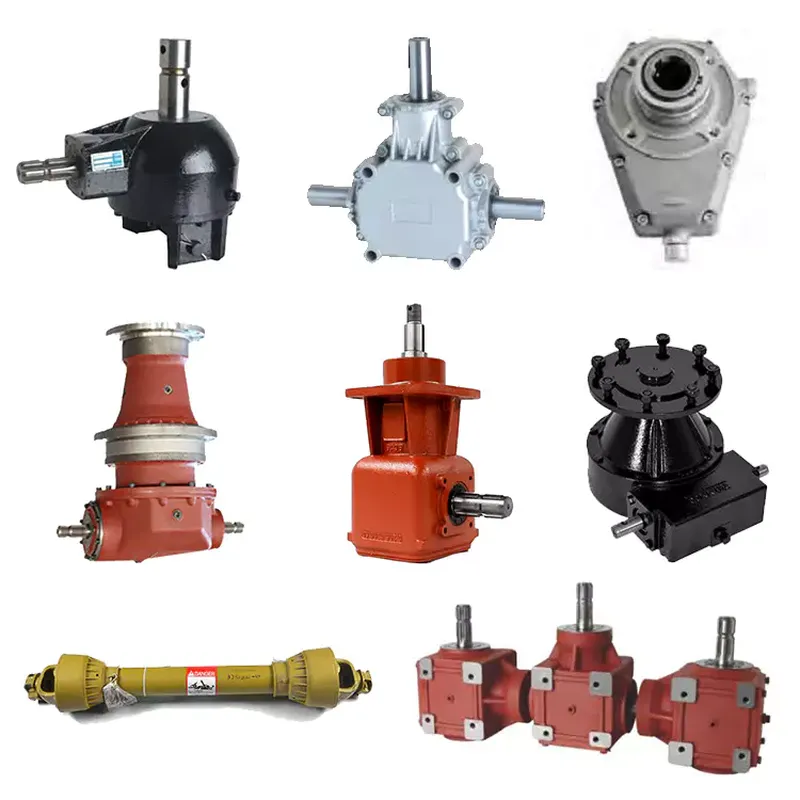
PTO transmission shafts come with safety covers, telescopic sections, and universal joints like Weasler types, rated for 1000 RPM. Farm accessories include sprockets (ANSI #60), chains, gear racks, lubrication systems with 5L reservoirs, pulleys, couplings, and hydraulic cylinders up to 2000 psi.
Whole agricultural machines like seeders and harvesters can be optioned with our gearboxes, ensuring plug-and-play integration. This one-stop supply reduces sourcing time by 40%, with full compatibility across drivelines.
For Argentine buyers, this means streamlined imports under MERCOSUR, with bundles meeting safety norms.
Full Range of Farm Gearboxes and One-Stop Accessories Sourcing
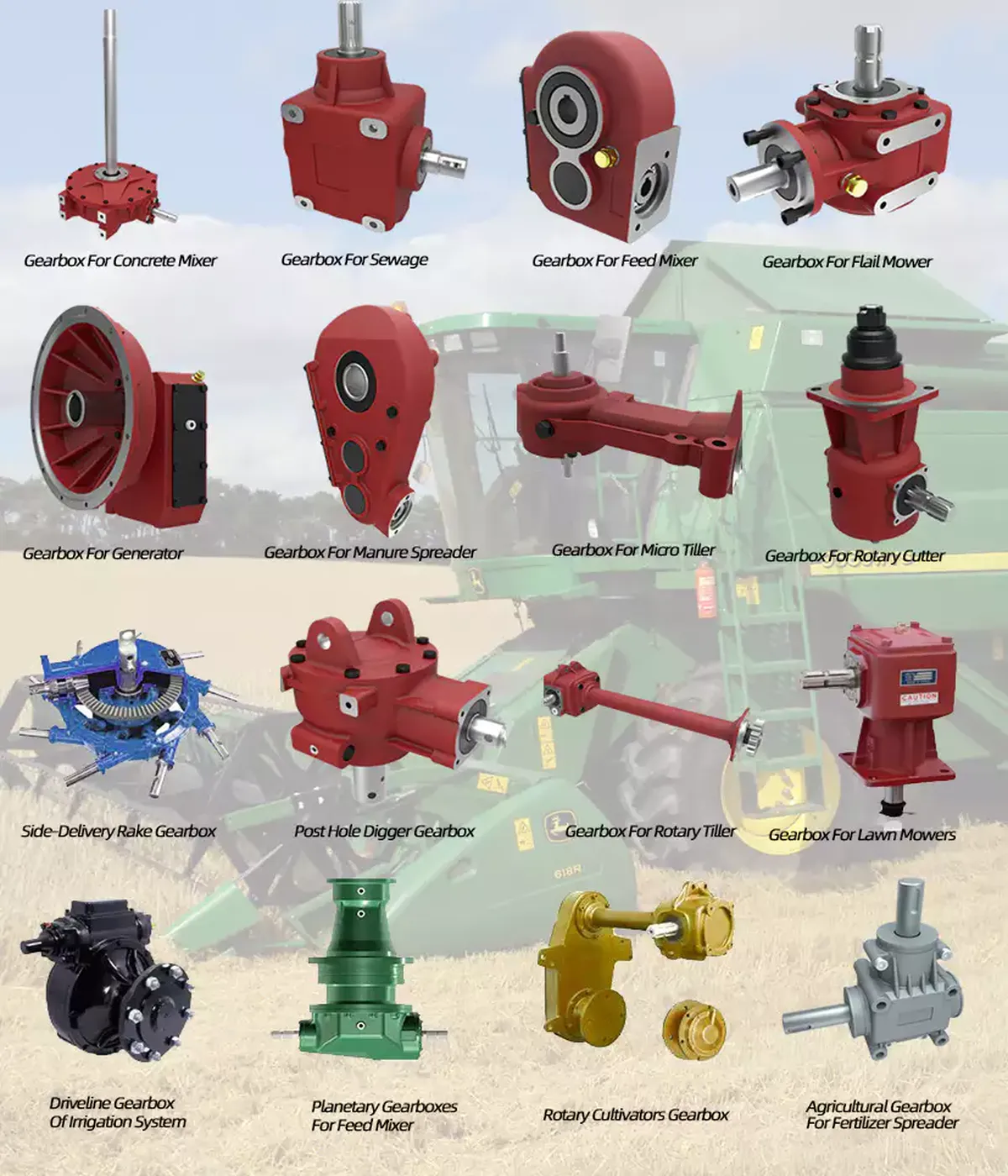
Explore our complete lineup of farm gearboxes for various applications, from tillers to harvesters. Pair with all mechanical accessories like bearings and seals for comprehensive setups. This integrated approach sparks interest in bulk procurement, cutting costs 15% through bundled deals.
Whether upgrading a single unit or outfitting a fleet, one-source convenience ensures quality consistency.
Choose Us: Reliable Partners in Agricultural Transmission
Opt for gearboxes backed by field-proven durability, with 12-month warranties and global support. Our focus on precision engineering delivers 98% uptime in demanding conditions. Get a customized quote for your cotton harvester needs to experience the difference.
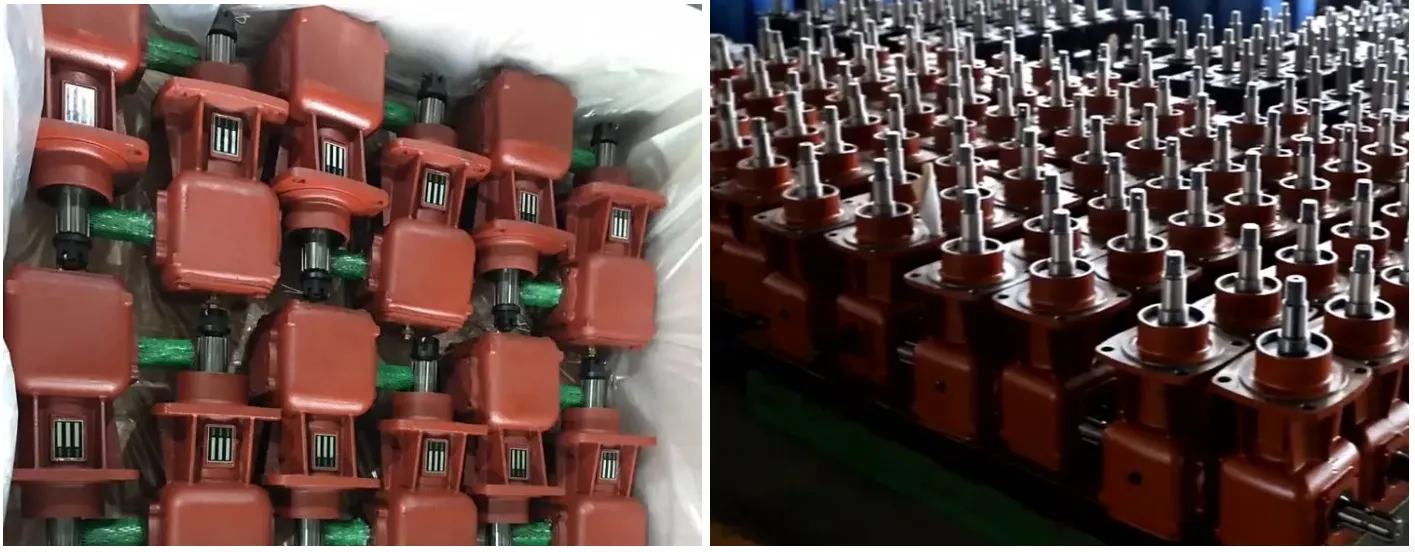
For broader options, explore our full gearbox catalog tailored for South American markets.
Working Principles of Gearboxes in Cotton Harvesters
Power enters via input shaft, engaging bevel gears for direction change. Ratio reduction slows RPM while boosting torque for drum drive. Overload clutches disengage during jams, protecting internals.
In sequence, PTO rotation transfers to intermediate shafts, then outputs to picking mechanisms. This process maintains consistent spindle speeds, essential for clean boll removal.
Lubrication circulates via splash, cooling gears under load. In Argentine use, this handles 8-hour shifts without performance drop.
Key Features and Advantages for Efficient Harvesting
Modular design allows easy part swaps, cutting repair time 50%. Advanced alloys resist corrosion from fertilizers, extending service intervals to 600 hours.
Advantages include fuel savings through high efficiency, and adaptability to variable speeds via optional shifters. In comparisons, they outperform in durability tests by 25%.
For B2B buyers, this means lower total ownership costs, with ROI in one season for high-volume operations.
| Advantage | Benefit |
|---|---|
| High Torque Reserve | Handles dense cotton without stalling |
| Dust Resistance | Reduces maintenance in arid zones |
| Modular Components | Quick field repairs |
These elements make our gearboxes ideal for optimizing harvest workflows.