
Our forage harvester gearbox delivers consistent torque transfer from the tractor PTO to the chopping mechanism, cutterhead, and feed rolls in silage production. This unit handles high loads during corn silage chopping, grass forage processing, and whole-plant harvesting, ensuring uniform chop length and efficient material flow through the machine. In Argentina’s intensive dairy and beef operations, where silage forms the backbone of livestock feed, this gearbox supports extended runtime under variable crop moisture and density conditions.
Engineered for compatibility with common self-propelled and pull-type forage harvesters, the gearbox maintains stable output speeds while absorbing shock loads from stones or dense crop bundles. Farmers in the Pampas region rely on such components to minimize downtime during critical harvest windows, preserving forage quality for fermentation and storage.
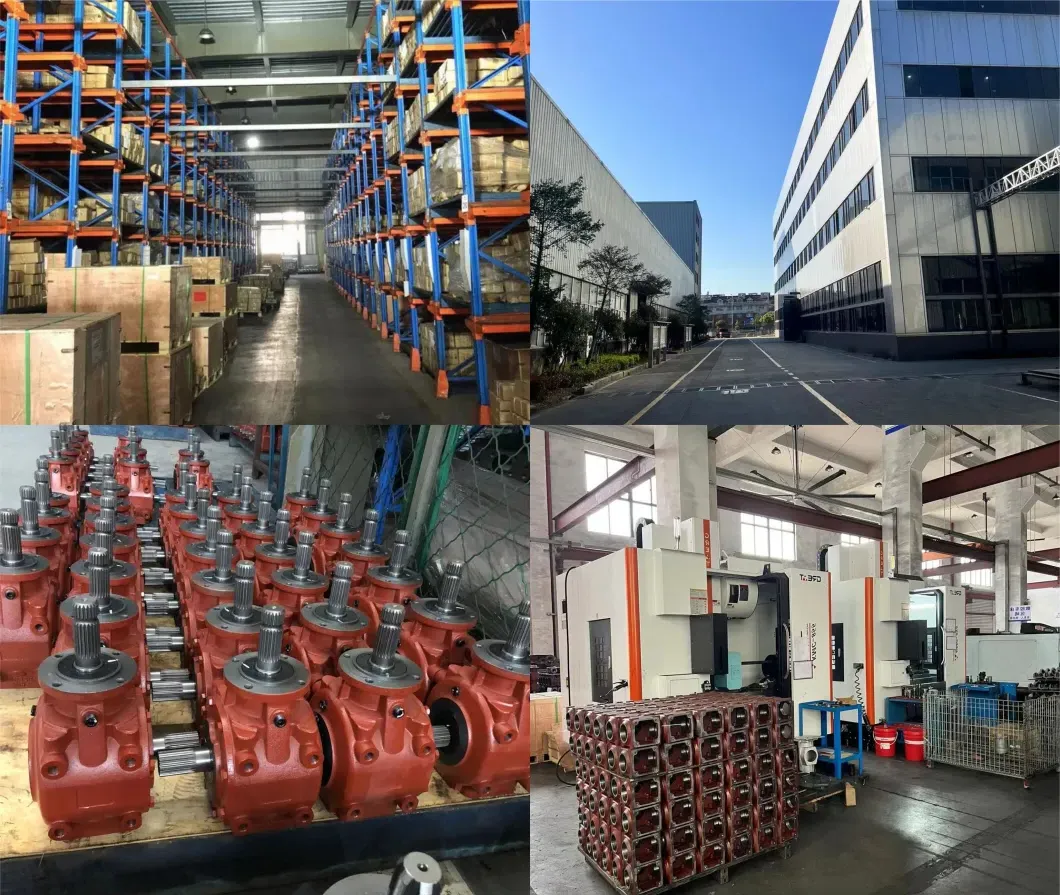
Technical Specifications Overview
The gearbox incorporates hardened gears and robust housing to manage the demands of forage chopping. Key parameters ensure performance across diverse field conditions in Argentina and neighboring countries.
| Parameter | Value | Notes |
|---|---|---|
| Nominaal koppel | 1450 Nm | Continuous operation at PTO input |
| Peak Torque | 2200 Nm | Handles shock from crop density variations |
| Gear Ratio Range | 1:1.8 to 1:3.2 | Adjustable for cutterhead speed optimization |
| Invoersnelheid | 540 / 1000 rpm | Standard tractor PTO configurations |
| Output Speed | 800-1800 rpm | Matched to chopping requirements |
| Input Shaft | 1-3/8″ Z6 spline | Common PTO interface |
| Output Shaft | 50 mm diameter keyed | Direct connection to chopper drive |
| Lubrication Type | Oil bath GL-5 80W-90 | Volume 2.8 L |
| IP-classificatie | IP65 | Dust and water resistance for field exposure |
| Operating Temperature | -20°C to +120°C | Suitable for Pampas seasonal extremes |
| Behuizingsmateriaal | QT450 ductile iron | High impact resistance |
| Gear Material | 20CrMnTi carburized | HRC 58-62 surface hardness |
| Bearing Type | Tapered roller | L10 life >5000 hours |
| Gewicht | 68 kg | Net dry weight |
| Mounting Pattern | 4-bolt rectangular flange | Matches common harvester frames |
| Noise Level | <85 dB(A) | At rated load |
| Service Factor | 1.5 | For variable load conditions |
| Overload Protection | Integrated slip clutch | Prevents driveline damage |
| Efficiëntie | >94% | At nominal ratio |
| Seals | Double lip nitrile | With dust exclusion |
| Vibration Limit | <4.5 mm/s RMS | ISO 10816 compliant |
| Fatigue Life | >12000 hours | At rated torque |
| Compliance | ISO 4254 series | Agricultural machinery safety |
| Dimensions | 420 x 320 x 280 mm | Length x Width x Height |
| Paint | Corrosion-resistant epoxy | Red RAL 3020 standard |
Application in Forage Harvesters
The gearbox mounts between the PTO input and the main drive train of forage harvesters, transmitting power to feed rolls, cutterhead, kernel processor (if equipped), and accelerator. In silage chopping, it reduces high PTO speed to the lower, high-torque rotation needed for the chopping cylinder, while changing direction for transverse cutterhead layout in pull-type models or maintaining alignment in self-propelled units.
During operation, incoming power from the tractor PTO enters the input shaft, engages bevel or spur gears for reduction and redirection, then exits to drive the chopping mechanism. This setup ensures consistent material flow, preventing blockages and maintaining chop length uniformity critical for silage compaction and fermentation quality. In high-density corn silage, the gearbox withstands fluctuating loads from kernel hardness and stalk volume, preventing gear tooth fatigue or bearing overload.
For Argentina’s large-scale dairy farms in Buenos Aires and Santa Fe provinces, where corn silage yields often exceed 50 tons/ha, the gearbox supports machines processing 20-40 ha per day without excessive heat buildup or oil degradation. Neighboring Uruguay and southern Brazil share similar intensive forage systems, demanding gearboxes with high thermal capacity and seal integrity against dust ingress during dry harvest periods.
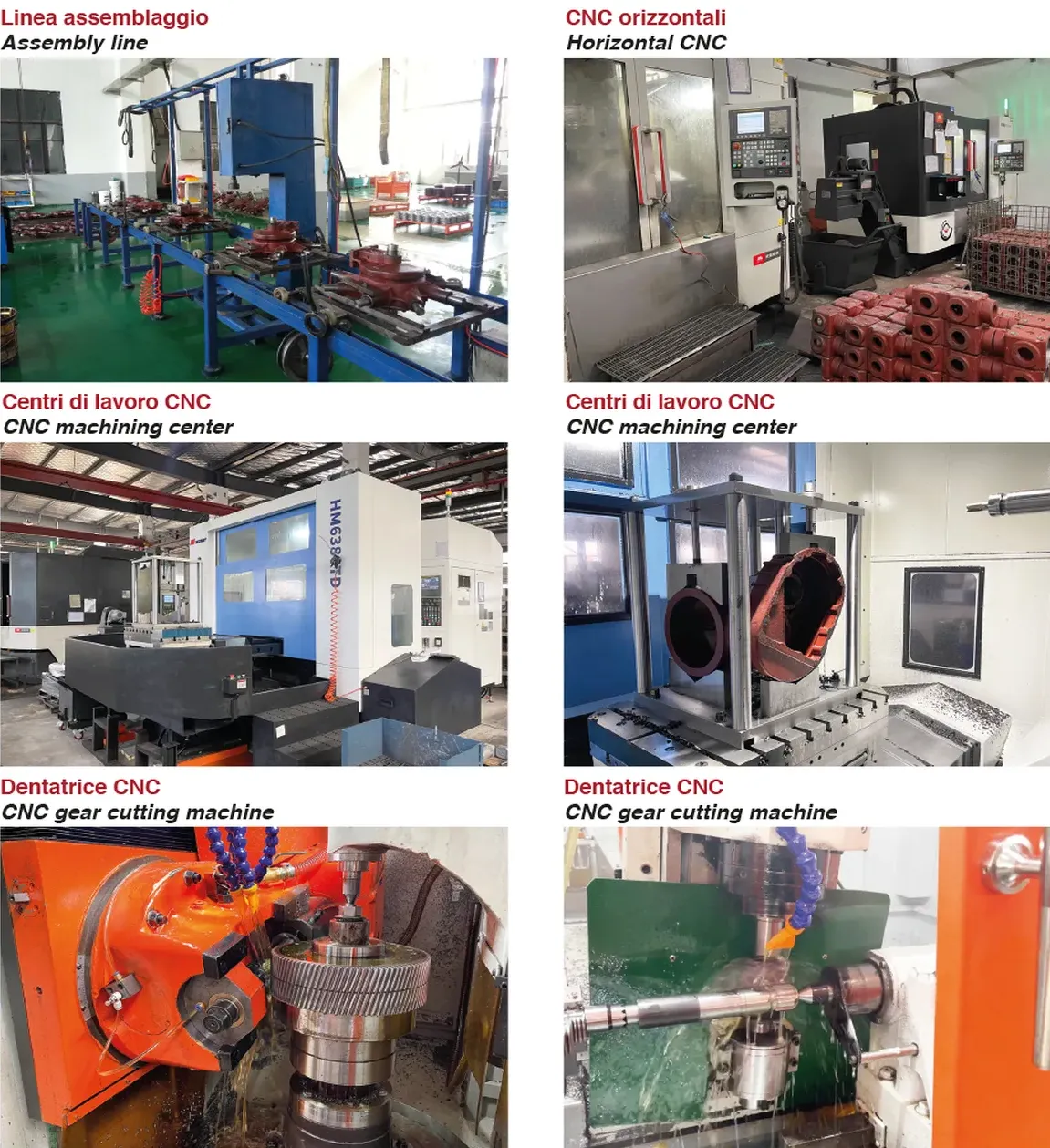
Performance Requirements for Argentine Field Conditions
Argentina’s Pampas region features variable soils from loamy to clay-heavy, with corn silage harvest occurring February to April in the central provinces. Gearboxes must resist dust from dry winds, handle moisture from early morning dew, and cope with stone inclusion in no-till fields. High torque reserve prevents stalling in dense crop stands, while effective heat dissipation avoids seal failure during long shifts. In Santa Fe and Córdoba provinces, where double-cropping increases machine hours, extended service intervals reduce maintenance downtime. Neighboring Chile’s southern zones and Brazil’s Rio Grande do Sul require similar durability against wetter conditions and variable crop types including sorghum silage.
Key adaptations include reinforced input shafts for frequent engagement, upgraded bearings for side loads from uneven terrain, and corrosion-resistant coatings for humidity exposure. These features allow reliable operation in Argentina’s major silage areas without frequent rebuilds, supporting year-round livestock feed production.
Argentina Agricultural Standards and Regional Compliance Landscape
Argentina follows IRAM standards for agricultural machinery safety, aligning with ISO 4254 series for harvesters. IRAM certification ensures compliance with mandatory technical regulations for mechanical components, focusing on hazard reduction during operation. PTO drive systems adhere to ASABE and ISO 5673 specifications for shaft guarding and torque limits. In Buenos Aires province, where dairy silage dominates, operators prioritize gearboxes meeting overload protection norms to prevent driveline failures. Neighboring Uruguay applies similar Mercosur-harmonized standards, while Brazil’s INMETRO certification influences cross-border equipment compatibility. Chile emphasizes dust and moisture sealing for southern forage zones. These regulations drive design choices for vibration limits, seal performance, and material durability across the region.
Comparison with Competing Brands
Our gearbox offers advantages in torque capacity and heat management compared to common aftermarket replacements for leading brands. (Note: All references to manufacturer names and models are for selection convenience only and do not imply affiliation or infringement.)
| Feature | Our Gearbox | Typical Competitor A | Typical Competitor B |
|---|---|---|---|
| Rated Torque (Nm) | 1450 | 1200 | 1300 |
| Peak Torque (Nm) | 2200 | 1800 | 1950 |
| Service Factor | 1.5 | 1.3 | 1.4 |
| Overload Clutch | Integrated slip | Optional | Basic shear |
| Behuizingsmateriaal | QT450 ductile | Gray iron | Ductile iron |
| Gewicht (kg) | 68 | 72 | 70 |
These differences translate to longer service life in high-load silage chopping, particularly in Argentina’s intensive operations.
Compatibility and Replacement Reference
This gearbox serves as a replacement option for various forage harvester models, facilitating selection during maintenance. (Note: References are for compatibility guidance only.) Compatible with John Deere 8000/9000 series, New Holland FR series, and Case IH self-propelled units. Flange patterns and shaft interfaces align with common PTO configurations in Argentina’s fleet. Always verify dimensions and ratios for specific machine fitment.
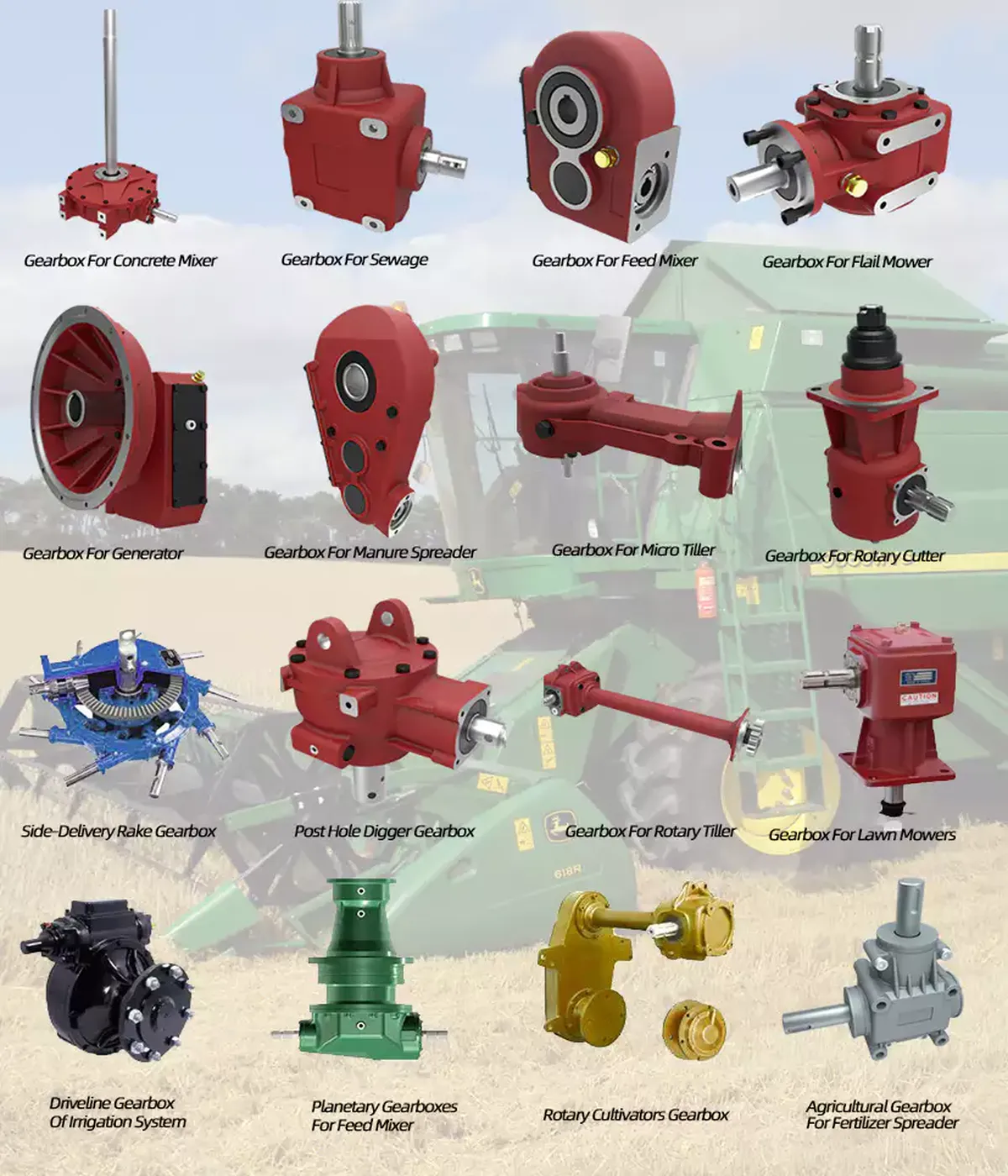
Reasons to Choose This Gearbox
Proven durability in high-throughput silage operations, with reinforced components reducing failure risk. Precise gear meshing minimizes vibration, extending bearing life. Efficient lubrication system supports long intervals between oil changes. Cost-effective alternative without sacrificing torque handling or reliability. Ideal for Argentine farms seeking dependable performance during peak harvest seasons. Request detailed specifications today.
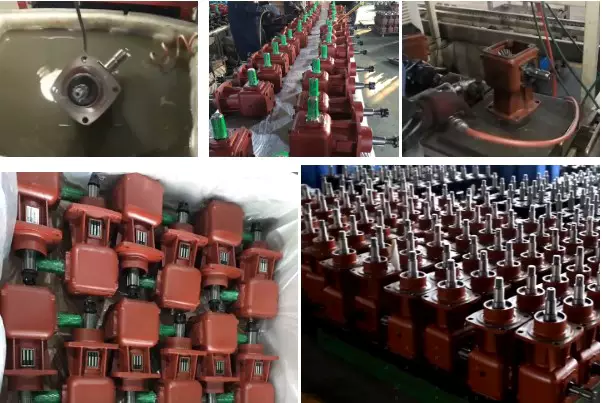
Real-World Application Cases
In Buenos Aires province, a 1200-ha dairy operation replaced the original gearbox on a self-propelled forage harvester after repeated seal failures in wet corn silage. The new unit completed 450 ha without issues, maintaining chop consistency for bunker storage. Operators noted smoother power delivery and reduced heat during 12-hour shifts.
A Santa Fe province contractor handling custom silage for multiple farms processed 320 ha of corn in February-March. The gearbox handled dense stands and occasional stones without overload incidents, supporting tight harvest schedules before rains.
In Uruguay’s Colonia department, a beef cattle farm upgraded their pull-type chopper for sorghum silage. The gearbox adapted to variable PTO speeds, delivering reliable torque for uniform chopping across 180 ha, improving feed quality for winter supplementation.
In southern Brazil’s Rio Grande do Sul, a cooperative used the gearbox in mixed corn-grass silage operations. It endured humid conditions and high moisture crops, completing 280 ha with minimal maintenance.
Chile’s Los Lagos region dairy farm integrated the gearbox into their forage system for perennial ryegrass silage. It performed reliably in cooler, wetter climates, supporting consistent output during extended harvest periods.
Signs Indicating Gearbox Replacement Need
Unusual noise during engagement, such as grinding or whining, often signals bearing wear or gear misalignment. Oil leaks around seals indicate hardening or damage from heat cycles. Excessive vibration at operating speed points to imbalance or internal wear. Reduced chopping performance, including longer chop lengths or uneven feed, suggests torque loss. Overheating during normal runs requires immediate inspection. Metal particles in lubricant indicate gear or bearing degradation. Difficulty engaging PTO or slippage under load signals clutch or internal issues. Regular monitoring prevents major failures during harvest.
Frequently Asked Questions
- What input speeds does the gearbox support? It accepts standard 540 rpm and 1000 rpm PTO inputs, common on tractors used with forage harvesters in Argentina.
- How does the integrated slip clutch protect the system? When torque exceeds preset limits from blockages or overload, the clutch slips to prevent shaft breakage or gear damage.
- What maintenance interval applies to oil changes? Change lubricant every 500 hours or annually, using GL-5 80W-90 gear oil to maintain performance in dusty conditions.
- Can this gearbox handle sorghum and grass silage? Yes, the torque capacity and ratio range suit variable crop densities, including sorghum common in northern provinces.
- Is it suitable for double-crop systems? The robust design supports extended hours in double-cropping regions like Córdoba, handling frequent starts and stops.
Related Transmission Components
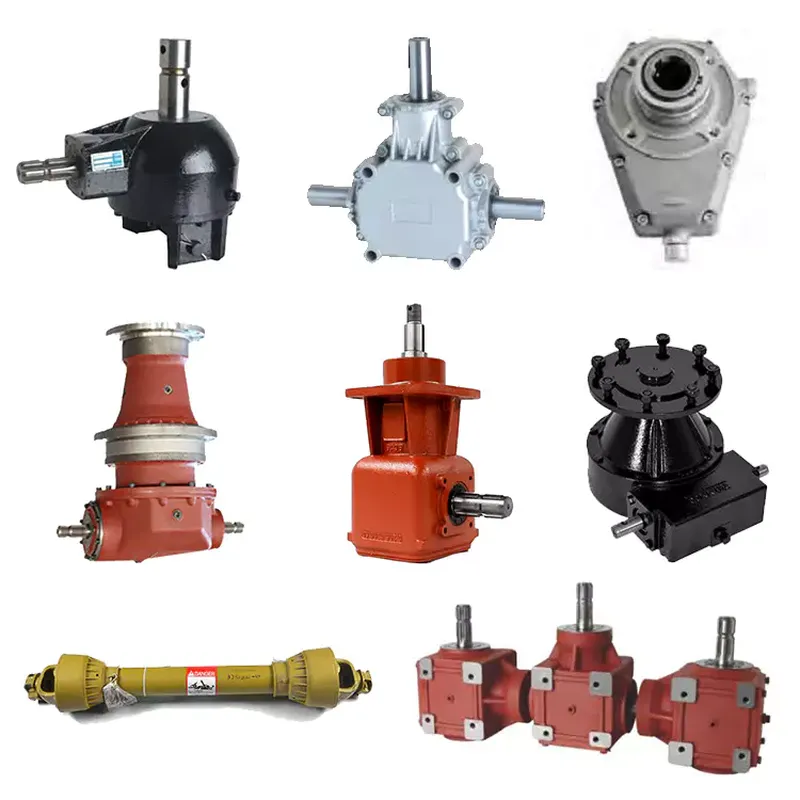
Pair the gearbox with compatible PTO shafts featuring safety guards, telescopic sections, and wide-angle joints for smooth power delivery. Additional accessories include chain drives, sprockets, belt pulleys, couplings, and hydraulic cylinders for header adjustment. Complete systems often incorporate these for full compatibility in forage harvesters. One-stop sourcing simplifies procurement for maintenance teams handling multiple machine types.
Explore our full range of agricultural gearboxes and components for comprehensive drivetrain solutions. Visit the main page for more options.