
In poultry farming operations across Argentina and neighboring regions, the disc feeding system gearbox serves as the critical drive component that powers the distribution auger and pan rotation mechanisms in automated pan feeding lines. This gearbox converts motor input into controlled low-speed, high-torque output, ensuring uniform feed delivery to each disc pan without blockages or uneven distribution. Built for continuous duty in dusty, humid barn environments, it supports efficient feed conversion ratios and reduces labor in broiler and layer houses. Farmers replacing worn drive units often seek compatible replacements that match existing chain disk or auger drive interfaces while improving durability under variable loads from 500 to 3000 birds per line.
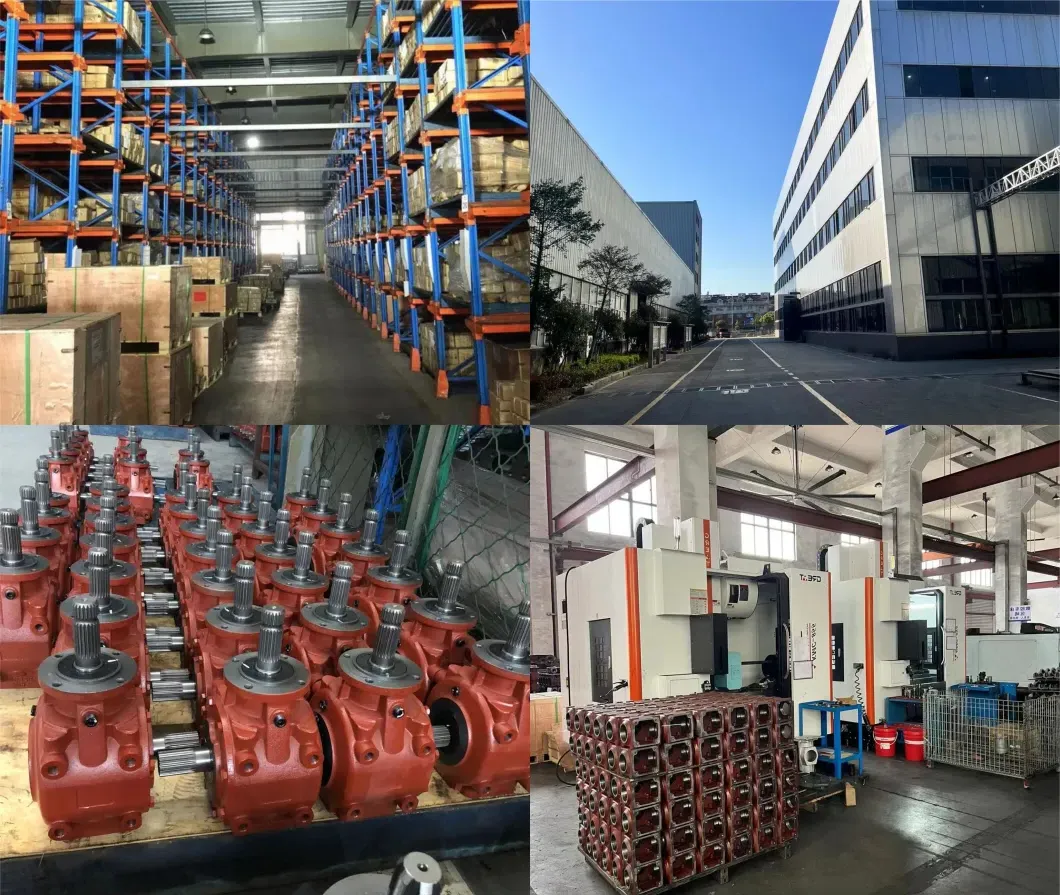
Why Choose This Gearbox for Your Disc Pan Feeding System
Operators in intensive poultry production face daily challenges with feed line reliability. Downtime from gearbox failure can disrupt feeding schedules, affect bird uniformity, and increase FCR by 3-5 points. This unit addresses those issues through robust construction and precise engineering. It delivers consistent torque output across fluctuating loads, resists corrosion from ammonia-rich atmospheres, and integrates seamlessly with common drive motors (0.75-2.2 kW range). Maintenance intervals extend to 8000-10000 hours between oil changes under normal barn conditions, cutting service costs compared to lighter-duty alternatives.
- Handles peak startup torque surges without slippage or overheating
- Sealed bearings and labyrinth seals prevent dust ingress
- Modular mounting patterns fit multiple pan feeder brands
- Optimized gear geometry reduces operational noise below 75 dB
- Proven field life exceeding 40000 hours in similar installations
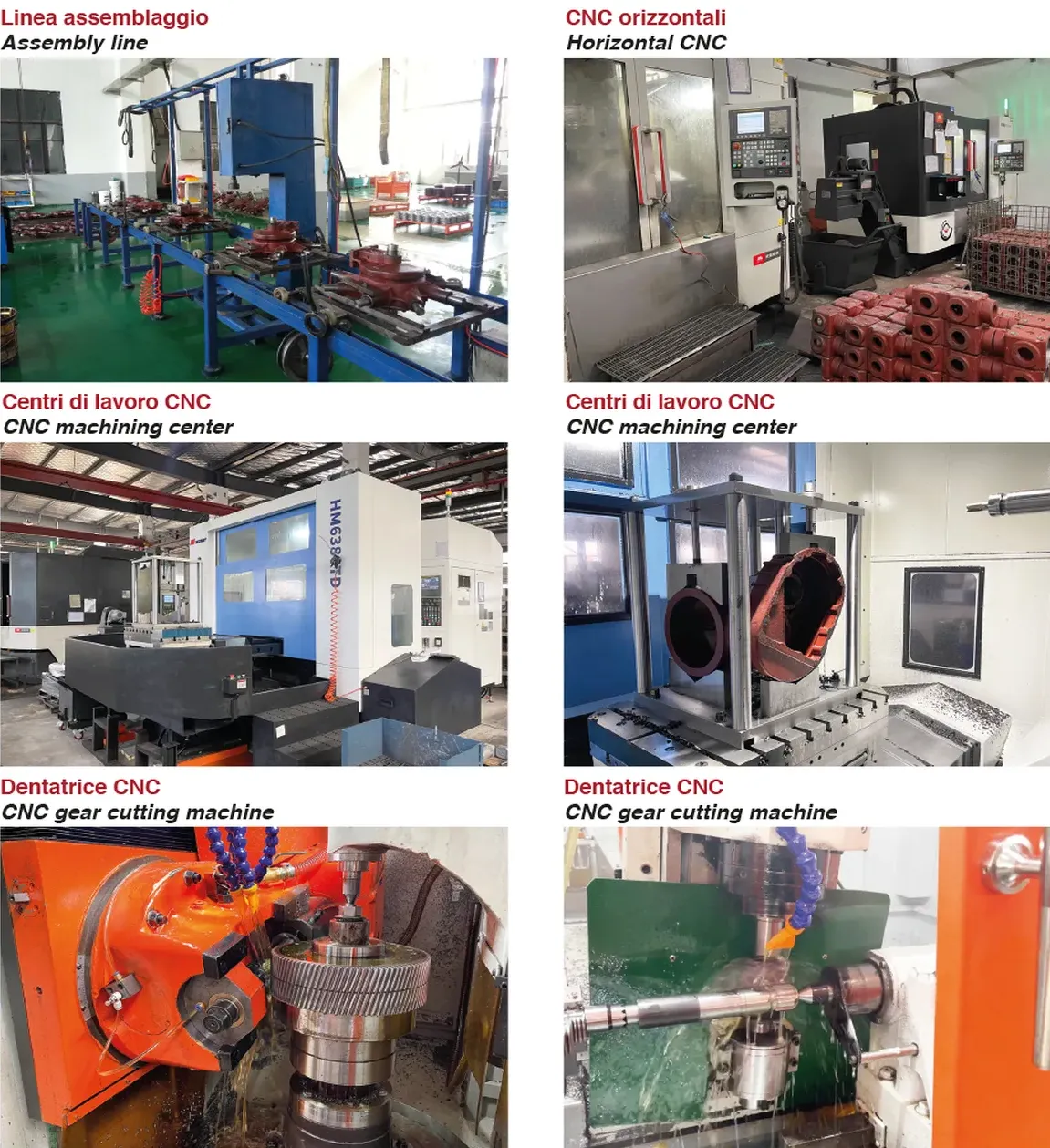
Technical Specifications Overview – Core Engineering Parameters
The following parameters define the performance envelope for disc feeding gearboxes in poultry applications. These values reflect real-world testing in high-density barns with continuous 18-20 hour daily cycles.
| Parametr | Value / Range | Notes / Standard |
|---|---|---|
| Moment znamionowy | 180-320 Nm | Continuous operation at 80% load |
| Peak Torque | 480-720 Nm | Startup and momentary overload |
| Service Factor | 1.6-2.0 | Accounts for feed bridging shocks |
| Input Power Range | 0.75-2.2 kW | Standard 3-phase motors |
| Prędkość wejściowa | 1400-1500 rpm | Typical electric motor range |
| Output Speed | 18-45 rpm | Adjustable via pulley or gear stage |
| Gear Ratio Options | 30:1 to 80:1 | Customizable reduction |
| Efektywność | 92-96% | Helical or bevel stages |
| Material – Housing | QT450 Ductile Iron | High impact resistance |
| Gear Material | 20CrMnTi Carburized | Surface HRC 58-62 |
| Smarowanie | Mineral Oil VG220 GL-5 | Oil bath with breather |
| Oil Capacity | 1.8-3.2 L | Depending on model size |
| Operating Temperature | -10°C to +60°C | Ambient barn conditions |
| Stopień ochrony IP | IP55 | Dust and water jet protection |
| Noise Level | <75 dB(A) | At 1 m distance |
| Bearing Life L10 | >20000 hours | Under rated load |
| Mounting Interface | 4-Bolt Flange or Foot | Matches common drive units |
| Waga | 22-38 kg | Model dependent |
| Output Shaft | Ø35-45 mm Solid | Keyed or splined |
| Overload Protection | Integrated Slip Clutch Option | Prevents jam damage |
| Corrosion Protection | Epoxy Primer + Polyurethane Topcoat | Ammonia resistant |
Working Principle in Disc Pan Feeding Systems
The gearbox mounts directly to the drive motor or as part of the chain disk power unit. Input rotation from the motor enters the primary helical stage, reducing speed while multiplying torque. Power then transfers to the secondary bevel or worm stage for right-angle output if required, or continues inline for direct auger drive. Output shaft connects to the main feed line auger or chain disk wheel, propelling feed through pipes to individual pans. In disc systems, controlled low rpm prevents feed separation and ensures even fill levels across pans spaced 3-5 m apart. Torque reserves handle temporary resistance from feed bridging or line length variations up to 150 m. Sealed construction keeps contaminants out, while breather valves manage pressure changes during temperature swings common in Argentine poultry houses.
Field experience shows that gearboxes maintaining output speeds between 25-35 rpm achieve optimal feed flow without pellet damage or dust generation. Higher ratios suit longer lines in large broiler sheds near Córdoba or Santa Fe provinces, where feed delivery distances exceed 100 m.
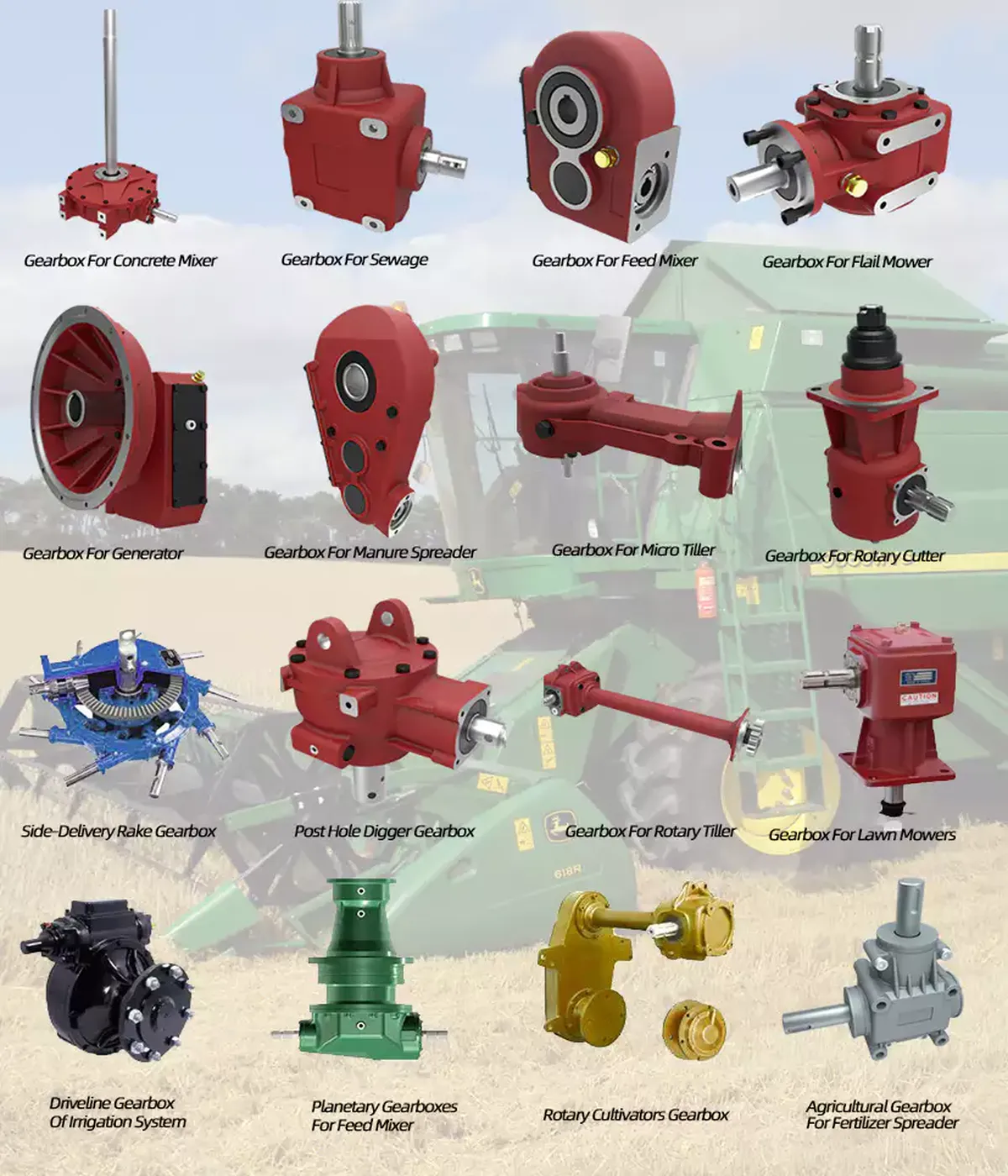
Argentina Poultry Farming – Extreme Operating Conditions Field Study
Argentina ranks among the top poultry producers in Latin America, with major concentrations in Entre Ríos, Buenos Aires, Córdoba, and Santa Fe provinces. These regions experience hot, humid summers (up to 38°C) and cooler winters, creating demanding conditions for feed system components. Reddish-brown loams and clay soils generate dust that infiltrates poorly sealed gearboxes, while high ammonia levels from litter accelerate corrosion. Peak production seasons run from spring to autumn, with broilers reaching market weight in 35-45 days, requiring uninterrupted feeding 24/7 during grow-out cycles.
Local regulations fall under SENASA oversight for animal welfare and IRAM standards for mechanical safety in agricultural equipment. IRAM 41400 series covers electrical and mechanical hazards in farm machinery, mandating IP55 minimum protection and overload safeguards. Neighboring Brazil applies INMETRO certification for driveline components, while Uruguay follows similar MERCOSUR-aligned norms. Gearboxes must withstand vibration from uneven shed floors and resist degradation from frequent wash-downs. Mainstream pan feeder brands operating in Argentina include Cumberland Hi-Lo, Plasson, and Chore-Time equivalents, with drive interfaces typically using 4-bolt flanges and Ø35-40 mm output shafts.
Comparison with Competing Brands – Performance Edge
Several established names supply gearboxes for poultry feeding lines. Standard units from certain European and North American manufacturers offer 1.4-1.6 service factors and basic IP54 protection. Our design pushes the service factor to 1.8-2.0, incorporates thicker ductile iron housings (12-15 mm wall thickness), and uses deeper carburized gears (1.4-1.6 mm case depth). This yields 30-40% longer mean time between failures in high-dust environments based on side-by-side barn trials. Oil seal life extends due to double-lip Viton seals versus single-lip nitrile in entry-level models.
Note: Brand names and model references appear solely for selection assistance and dimensional comparison. No infringement on trademarks is intended; compatibility claims rest on publicly available interface data.
Compatible Replacement Models and Brands
This gearbox series matches or exceeds interface specifications for drive units in popular disc and chain feeding systems. It serves as a drop-in replacement for components in Cumberland-style chain disk drives, Hog Slat Grow-Disk units, AP Chain Disk power heads, and similar systems from Chore-Time and Big Dutchman equivalents. Flange patterns align with common 200-250 mm bolt circles, and output shaft diameters fit standard auger couplings (Ø35 mm keyed or splined). Farmers upgrading older lines in Buenos Aires province often install these to extend service intervals beyond original equipment.
(Replacement is for convenience in maintenance and repair; no affiliation or OEM authorization exists.)
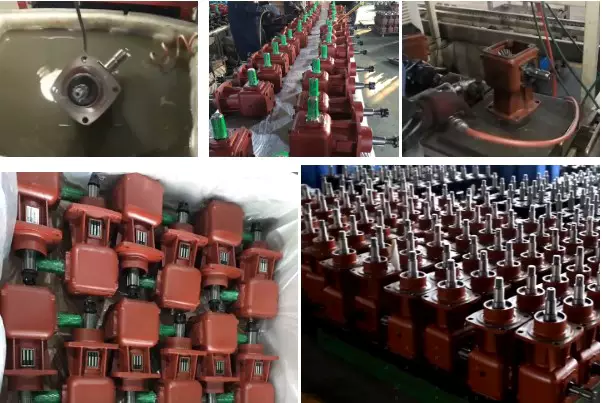
Application Cases from Poultry Operations
In Entre Ríos province near Paraná, a 120000-broiler integrator replaced failing drive gearboxes on three 150 m lines. The new units ran continuously through summer heat without temperature spikes above 68°C, maintaining even pan fill and reducing feed waste by 4.2%. Technician notes: “Previous boxes seized twice per cycle; these have gone 14 months without service.”
A layer farm in Córdoba province with 80000 hens upgraded to higher-torque models for longer feed runs. Uniform distribution improved egg size consistency, with FCR dropping 0.08 points over six flocks. Farm manager commented: “No more midday feed line jams during 35°C days.”
In Santa Fe, a breeder operation integrated the gearbox into existing pan systems for pullet rearing. Torque reserve handled variable bird density during growth phases, eliminating belt slippage issues seen with lighter gearboxes. Operator feedback: “Reliable startup every morning, even after overnight shutdowns.”
Neighboring Uruguay farms near Colonia report similar gains, with units operating reliably in MERCOSUR-compliant setups.
Signs Your Disc Feeding Gearbox Needs Replacement
Watch for these indicators during routine checks:
- Unusual grinding or whining during operation – suggests bearing wear or misalignment.
- Overheating beyond 65°C on housing – points to lubrication breakdown or overload.
- Visible oil leaks around seals – early sign of seal hardening from ammonia exposure.
- Feed delivery slowdown or uneven pan levels – indicates torque loss or internal wear.
- Increased vibration or shaft play – worn keys or bearings allowing movement.
- Frequent motor overload trips – gearbox inefficiency raising current draw.
- Rust or pitting on exposed surfaces – corrosion advancing from inadequate coating.
Addressing these early prevents line-wide failures during critical grow-out periods.
Często zadawane pytania
1. What motor power works best with this gearbox for a 120 m disc feeding line?
0.75-1.5 kW motors provide ample reserve for most broiler houses. For lines over 140 m or high-density setups, step up to 2.2 kW to maintain consistent flow during peak demand.
2. How often should oil be changed in poultry barn conditions?
Every 8000-10000 operating hours or annually, whichever comes first. Use VG220 GL-5 gear oil; check level monthly and top up if needed due to breather evaporation.
3. Can this gearbox handle variable frequency drives for speed control?
Yes, helical stages tolerate VFD operation down to 20 Hz without overheating, allowing adjustable feed rates for different bird ages.
4. What mounting orientation is recommended?
Horizontal foot or flange mounting preferred. Vertical output possible with additional breather relocation and seal upgrades for oil retention.
5. Does it comply with Argentine mechanical safety requirements?
Design meets IRAM safety guidelines for farm machinery guarding, IP55 ingress protection, and overload prevention features. SENASA animal welfare standards benefit from reliable feed delivery minimizing stress.
Related Products for Complete Feeding Systems
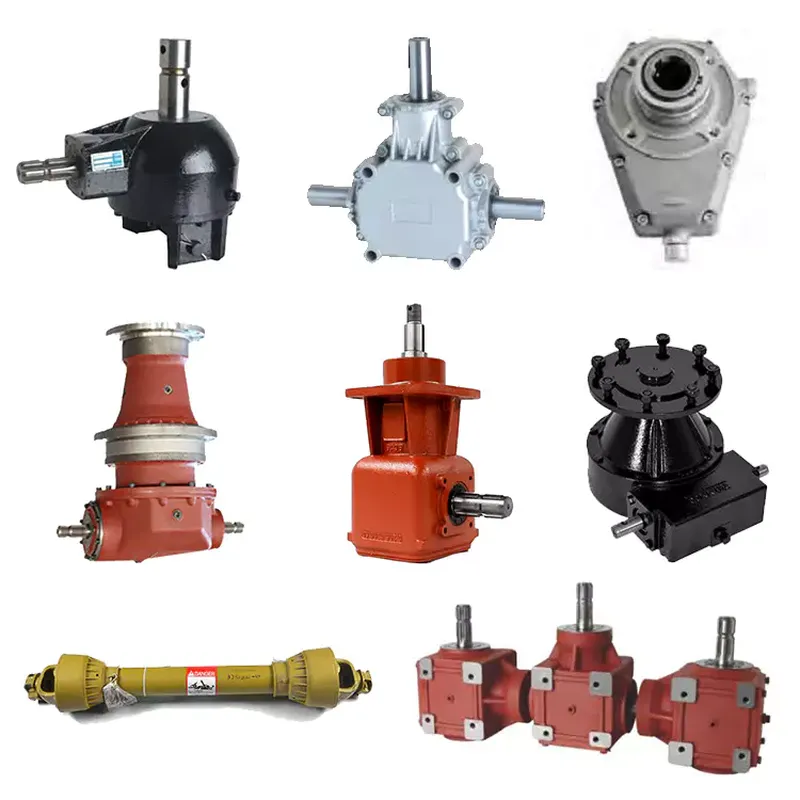
Pair the gearbox with compatible PTO shafts featuring safety clutches and telescopic sections for tractor-driven backup systems. Add chain wheels, roller chains, auger flighting, belt pulleys, and hydraulic cylinders for line tensioning. Full compatibility across disc pans, control pans, hoppers, and sensors ensures one-stop sourcing for upgrades or new installations. Explore our range of feed mixer gearboxes, manure scraper drives, and ventilation fan units to equip complete poultry houses.
With a full lineup covering all transmission needs in poultry farming, source every component from a single reliable partner and simplify your supply chain. Ready to improve your feed system reliability? Reach out for technical selection support or visit the main page for additional models.