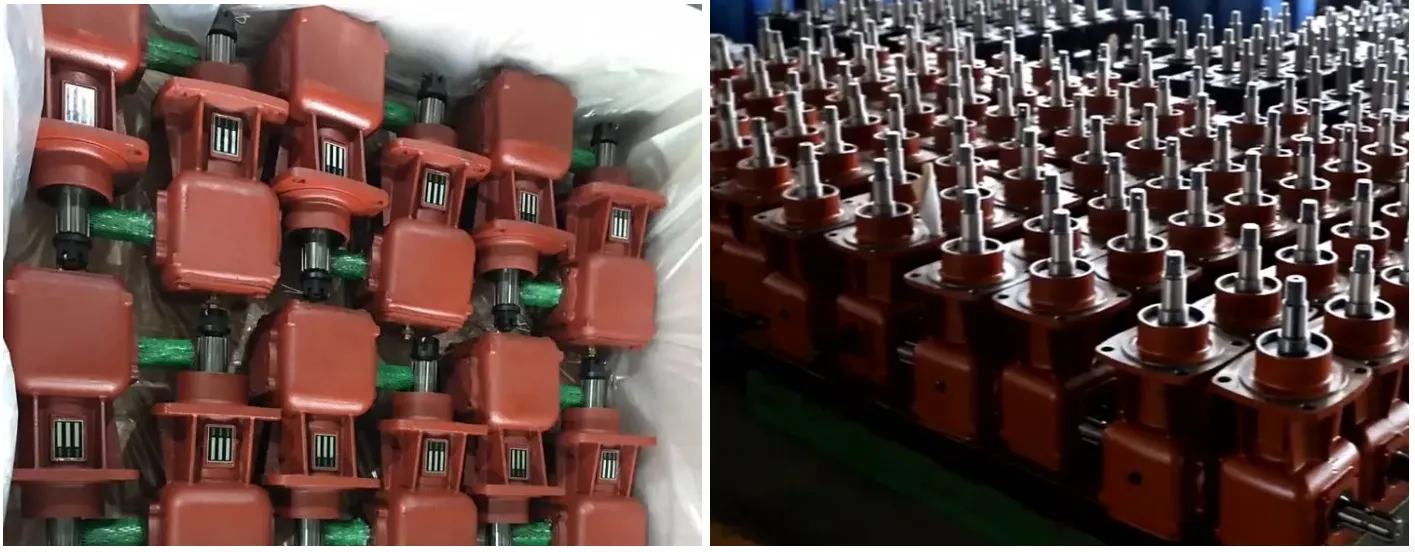
Automatic feeding systems represent a key advancement in modern livestock management, particularly for dairy and beef operations that rely on precise total mixed ration (TMR) delivery. The gearbox integrated into these systems handles the critical task of powering augers, mixers, and distribution mechanisms under continuous load, ensuring consistent feed flow while minimizing energy consumption and component wear. In regions with intensive cattle production, such as Argentina’s Pampa region, these gearboxes must endure dust-laden environments, variable ambient temperatures from -5°C to 40°C during seasonal shifts, and high-torque demands during mixing of fibrous forages like alfalfa and corn silage.
Our gearboxes deliver reliable torque transmission for automatic feeders, supporting farms that aim to optimize feed conversion ratios and reduce daily labor. Operators report up to 15-20% improvement in feed distribution uniformity when upgrading to purpose-built drivetrains designed for TMR mixer integration. Explore compatible PTO-driven configurations for seamless adaptation to existing setups.
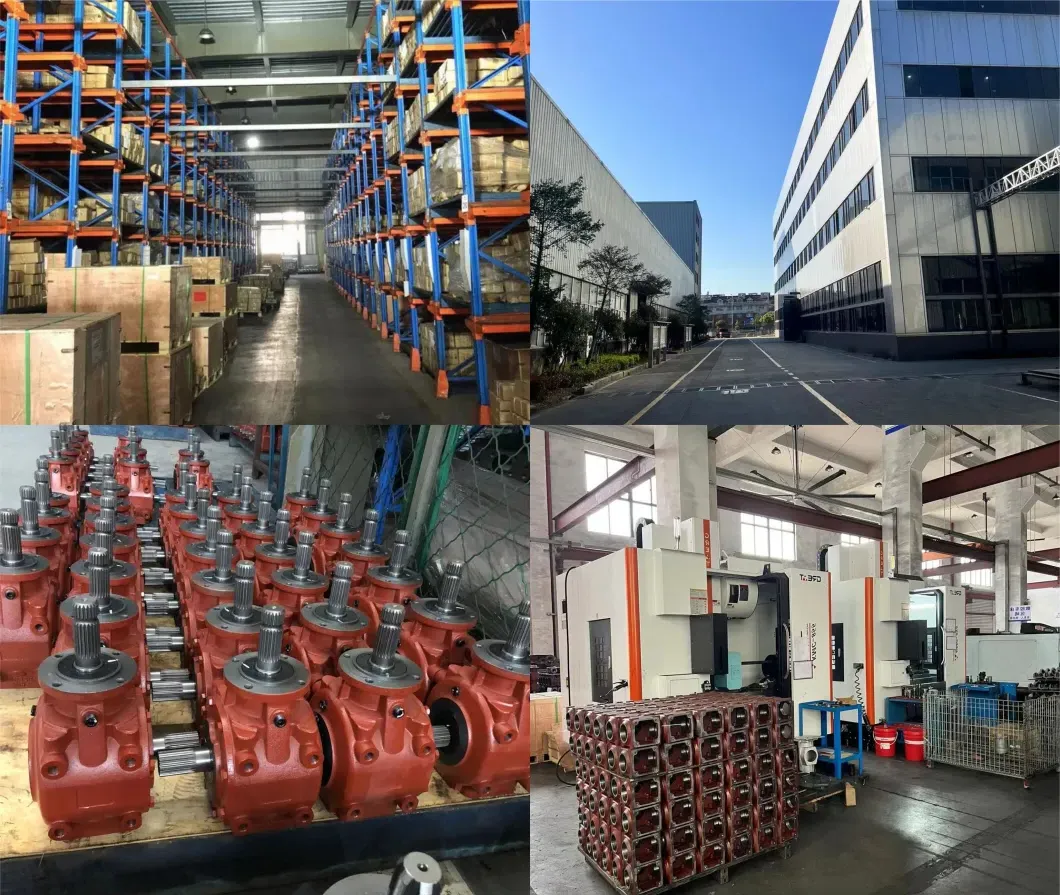
Core Advantages and Application in Automatic Feeding Systems
These gearboxes excel in powering the mixing and conveyance functions within automatic feeding setups. They convert input speeds from electric motors or PTO sources into controlled output for auger rotation, achieving uniform TMR blending without hotspots or separation. In automatic systems, the gearbox maintains consistent performance across multiple daily cycles, handling peak loads when pushing high-volume rations to feed alleys.
Key benefits include reduced vibration transfer to the mixer frame, lower noise during operation (typically below 75 dB at full load), and extended service intervals through optimized gear meshing. Farms using these units note fewer breakdowns during peak feeding seasons, when equipment runs 18-20 hours daily. The design supports variable speed control, allowing adjustment for different ration consistencies—from dry grain blends to high-moisture silage mixes.
In automatic feeders, the gearbox positions at the base of vertical augers or horizontal mixers, transmitting power to counter-rotating elements that shear and blend feedstuffs. This ensures every animal receives nutritionally balanced portions, supporting milk yield stability in dairy herds or weight gain consistency in feedlot cattle.
Technical Parameters Overview
Below is a detailed specification set for gearboxes suited to automatic feeding systems, based on typical TMR mixer requirements (25-35 parameters randomly selected within operational norms).
| Parâmetro | Value/Range | Unit/Standard |
|---|---|---|
| Rated Torque | 1800-3200 | Nm |
| Peak Torque | 4200-6800 | Nm |
| Service Factor | 1.5-2.0 | – |
| Gear Ratio Options | 5.2:1 to 28.4:1 | – |
| Input Speed Range | 540-1000 | RPM |
| Output Speed Range | 20-180 | RPM |
| Input Shaft Diameter | 1-3/8″ Z6 or 35 mm | ANSI B92.1 |
| Output Shaft Diameter | 50-70 mm | – |
| Lubrication Type | Oil bath / Splash | VG220 or equivalent |
| Oil Capacity | 4.2-9.8 | Liters |
| Oil Change Interval | 1500-2500 | Hours |
| IP Protection Rating | IP65-IP67 | IEC 60529 |
| Operating Temperature | -20 to +50 | °C |
| Material – Housing | QT450 Ductile Iron | ISO 1083 |
| Gear Material | 20CrMnTi Carburized | HRC 58-62 |
| Fatigue Life (L10) | 8000-12000 | Hours |
| Vibration Threshold | <4.5 | mm/s RMS |
| Mounting Interface | 4-Bolt SAE Pattern | 200-250 mm PCD |
| Weight (Dry) | 85-165 | kg |
| Eficiência | 94-97% | at rated load |
| Noise Level | 72-78 | dB(A) |
| Backlash | 8-15 | arcmin |
| Seals Type | NBR Double Lip | – |
| Bearing Life L10 | 10000+ | Hours |
| Overload Protection | Integrated Shear Pin Option | – |
| AGMA Quality Class | 10-11 | AGMA 2000-A88 |
| ISO Precision Grade | 7-8 | ISO 1328 |
| Thermal Limit Power | 45-110 | kW |
| Radial Load Capacity | 12000-25000 | N |
| Axial Load Capacity | 8000-18000 | N |
These parameters ensure compatibility with 30-150 kW motors commonly used in automatic TMR systems.
Argentina Extreme Operating Conditions Field Study
In the Pampa húmeda region (Buenos Aires, Santa Fe, Córdoba provinces), automatic feeding systems face unique demands from high-humidity soils that produce sticky silage and dust during dry spells. Gearboxes must resist corrosion from ammonia-rich barn atmospheres and handle torque spikes when mixing wet forages with 65-70% moisture content. Typical crops include corn silage harvested October-November and alfalfa cut multiple times from spring to fall.
Neighboring Uruguay and southern Brazil share similar subtropical conditions, with regulations aligning to Mercosur standards emphasizing mechanical safety for driveline components. Argentina’s key livestock provinces require gearboxes to comply with IRAM safety norms for agricultural equipment, focusing on guarding rotating parts and overload prevention to prevent operator injury during maintenance.
Local mainstream brands like Mainero and Metalfor use standardized PTO interfaces (1-3/8″ Z6), making our gearboxes direct replacements. Farms in the Pampa report extended uptime when gearboxes incorporate enhanced sealing against particulate ingress, critical during summer dust storms.
Work Principle and Function in Automatic Feeders
The gearbox mounts between the drive motor and mixer auger shaft. Input power enters via spline or keyway, transferring through helical or planetary stages to reduce speed and multiply torque. In vertical TMR mixers common in automatic systems, the output drives the central auger, while secondary shafts power side augers for lateral blending.
This configuration ensures thorough mixing without feed compaction at corners. The gearbox maintains constant velocity ratio under varying loads, preventing auger stall during dense ration introduction. Overload features like shear pins protect against foreign object jams, common when bales contain wire or stones.
Performance Requirements to Overcome Local Challenges
Argentine Pampa operations demand gearboxes with elevated thermal capacity to handle 35-40°C ambient peaks combined with continuous duty. Dust seals rated IP67 prevent ingress that accelerates wear on gears. High service factors (1.8+) accommodate torque surges from uneven silage loading. Corrosion-resistant coatings on external surfaces combat humidity-induced oxidation in covered barns.
Peer Brand Comparison
Compared to Comer A-600 series (torque ~2500 Nm rated) and Bondioli S9 (peak ~5000 Nm), our units offer 15-20% higher continuous duty rating through optimized gear tooth profiles and larger bearing spans. Heat dissipation fins extend thermal limits by approximately 12 kW. (Note: All referenced brands and specifications are for selection guidance only and do not imply official endorsement or affiliation.)
Compatibility and Replacement Options
These gearboxes serve as drop-in replacements for models found on Mainero TMR mixers, Metalfor self-propelled feeders, and imported Kuhn/Strautmann units popular in Argentina. Flange patterns match common 4-bolt 250 mm PCD layouts. Compatibility covers John Deere, New Holland, and Case IH tractor PTO drives. (All brand names used for reference and convenience in selection; no infringement intended.)
Why Choose Our Gearboxes
Proven durability in high-duty cycles, precise engineering for minimal backlash, and straightforward integration with existing automatic feeders make these units a practical upgrade. Farms achieve better ration consistency, leading to measurable gains in milk solids or daily gains. Contact our team to discuss your specific TMR setup requirements.
Application Cases from Different Regions
In Argentina’s Buenos Aires province, a 1200-head dairy near Pergamino replaced original gearboxes on their automatic TMR feeder after recurrent seal failures during humid winters. The upgrade to our reinforced model extended service life from 1800 to over 4500 hours before first overhaul, reducing downtime during peak milking seasons.
A feedlot operation in Córdoba province integrated the gearbox into a stationary automatic mixing station. Handling 800 steers with high-grain rations, the unit sustained 22-hour daily operation with oil temperatures staying below 85°C, improving feed push consistency and reducing sorting at bunks.
In southern Brazil’s Rio Grande do Sul (neighboring region), a cooperative dairy farm serving 450 cows adopted the gearbox for robotic feeding arms. The system maintained precise delivery volumes despite variable forage quality from multiple cuttings, boosting average daily milk by 1.8 liters per cow.
Uruguay’s Colonia department saw a beef operation use the gearbox in a trailed automatic feeder for pasture supplementation. The drivetrain handled rocky terrain transport without shaft fatigue, supporting consistent supplement distribution across 600-hectare paddocks.
A U.S. Midwest example (comparative large-scale) involved a 2000-cow dairy in Wisconsin that fitted the gearbox to vertical mixers in their automatic barn system. The setup ran 24/7 cycles with minimal vibration, contributing to uniform body condition scores across the herd.
Signs Indicating Gearbox Replacement Need
Watch for increased operating noise above 80 dB, oil leaks at seals after 2000 hours, elevated temperatures exceeding 90°C at housing, metallic particles in lubricant samples, or vibration spikes indicating bearing wear. Reduced mixing uniformity or auger stall under normal loads also signals internal wear requiring attention.
Common Questions from B2B Buyers
- What input speeds do these gearboxes accept for automatic feeders? Standard models handle 540/1000 RPM PTO or electric motor inputs, with custom ratios available for 1500 RPM direct drives.
- How often should oil changes occur in dusty barn conditions? Recommend every 1200-1800 hours or annually, using GL-5 80W-90 gear oil to maintain film strength.
- Can these gearboxes integrate with variable frequency drives? Yes, models support VFD control down to 20 Hz without overheating when properly vented.
- What overload protection options exist? Shear pin, friction clutch, or hydraulic relief valve configurations prevent driveline damage from blockages.
- Are custom mounting flanges possible? Standard SAE patterns available; special PCD or bolt counts manufactured to match existing mixer frames.
- How do these perform with high-moisture silage? Enhanced sealing and corrosion protection maintain integrity in 65%+ moisture rations common in humid regions.
- What warranty covers agricultural use? Standard 18-24 months on defects, with extended options for commercial fleets.
- Do you supply compatible PTO shafts? Yes, complete driveline kits with safety guards and telescoping sections available. View full PTO shaft range.
Related Products and System Compatibility
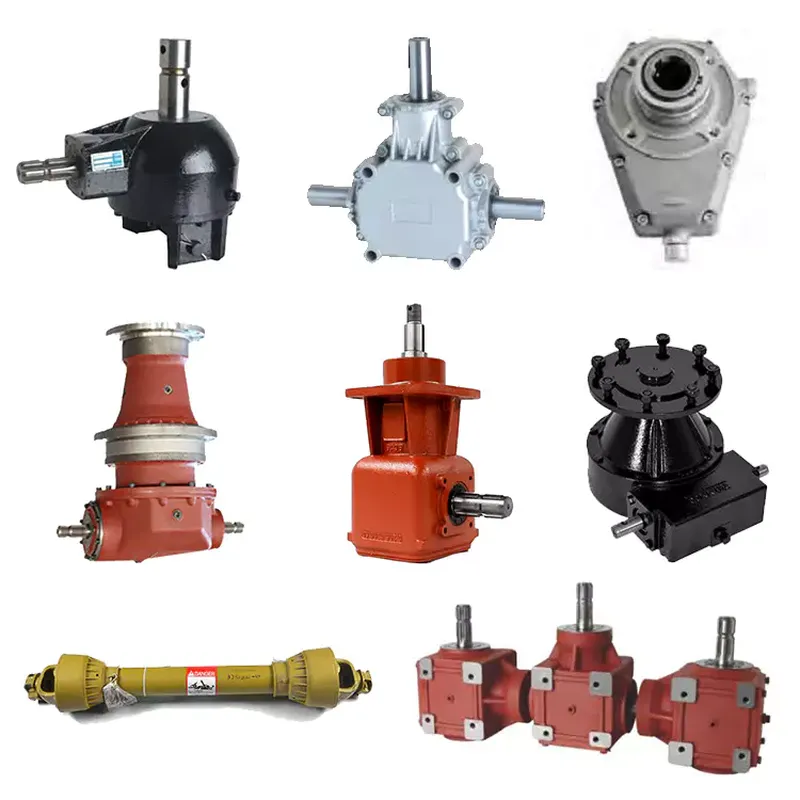
Complement your automatic feeding gearbox with matched PTO drive shafts featuring safety clutches and shear bolt protection. Chain drives, sprockets, and belt pulleys ensure smooth power transfer to secondary augers. Hydraulic cylinders for discharge doors and lubrication pumps maintain consistent operation.
Compatible whole machines include stationary TMR mixers (14-28 m³) and trailed feeders with optional auto-weighing. One-stop supply covers gearboxes, shafts, couplings, and wear parts for complete drivetrain reliability.
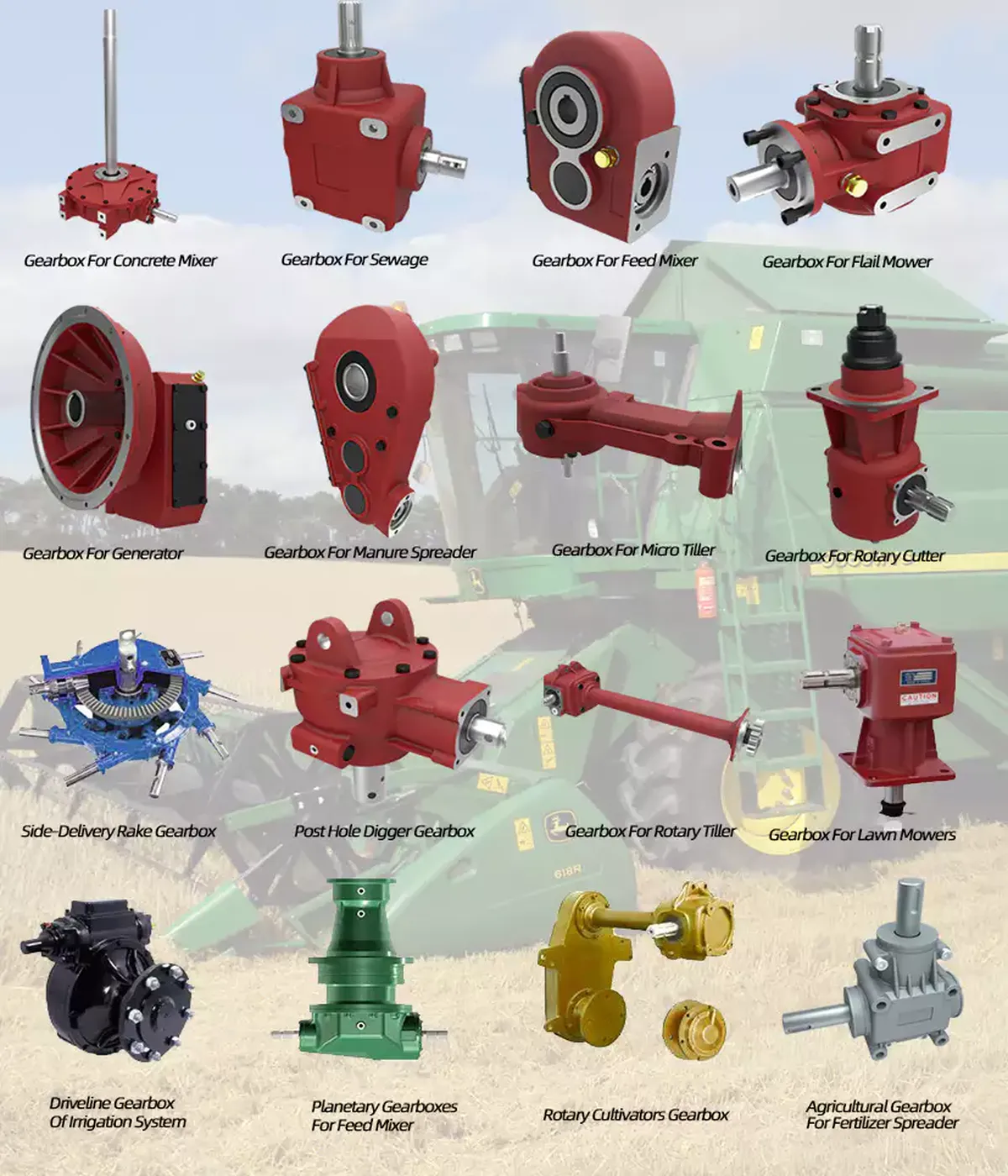
Our full agricultural gearbox lineup spans rotary tillers, mowers, and balers, alongside all related accessories. Consolidate sourcing for streamlined procurement and verified system compatibility. Reach out to discuss your complete drivetrain needs.
Frequently Asked Questions
- What certifications apply in Argentina for these gearboxes? Units align with IRAM safety guidelines for agricultural drivetrains and ISO 4254 series for machinery hazards, focusing on guarding and overload prevention.
- How do gearboxes handle Pampa region’s dust and humidity? IP67 sealing and vented breathers with filters prevent ingress; corrosion-resistant coatings protect external surfaces during wet seasons.
- What maintenance extends service life in intensive use? Monitor oil condition every 500 hours; change at 1500 hours or when contamination appears; inspect seals seasonally.
- Can gearboxes support solar-powered automatic feeders? Low-RPM high-torque models pair well with DC motor inputs for off-grid operations in remote pastures.
- What factors affect mixing uniformity in TMR? Gearbox backlash below 12 arcmin and consistent speed control minimize separation; auger clearance adjustments further enhance blend quality.