
Descrição do produto
Agricultural Tractor Powered Generator Drilling Conveyor Pto Gearboxes
Our Factory:
1. Shell: made of high rigidity fc-25 cast iron;
2. Gear: high purity alloy steel 20crmnt is used for quenching and tempering, carburizing, quenching and grinding;
3. Spindle: high purity alloy steel 40Cr quenching and tempering processing, with high hanging load capacity.
4. Bearing: equipped with tapered roller bearing with heavy load capacity;
5. Oil seal: imported double lip oil seal, with the ability of dust and oil leakage.
Product lubrication:
The use of proper lubricating oil for t spiral bevel gear commutator can give full play to the efficiency of the steering gear and improve its service life.
1. The initial wear period is 2 weeks or 100-200 hours. There may be a small amount of metal wear particles between them. Please clean the interior and replace it with new lubricating oil;
2. In case of long-term use, change the lubricating oil every half a year or 1000-2000 hours.
Technical parameters of T spiral bevel gear commutator:
It can be equipped with single horizontal axis, double horizontal axis, single vertical axis and double vertical axis 1:5, 1:5, 1:1, 1:5, 1:5, 1:1
Related products:
Aplicativo:
Company Profile:
| Aplicativo: | Motor, Electric Cars, Motorcycle, Machinery, Marine, Agricultural Machinery, Car |
|---|---|
| Função: | Distribution Power, Clutch, Change Drive Torque, Change Drive Direction, Speed Changing, Speed Reduction, Speed Increase |
| Layout: | Coaxial |
| Dureza: | Superfície dentária endurecida |
| Instalação: | Tipo horizontal |
| Etapa: | Três etapas |
| Exemplos: | US$ 9999/Piece 1 unidade (pedido mínimo) | |
|---|
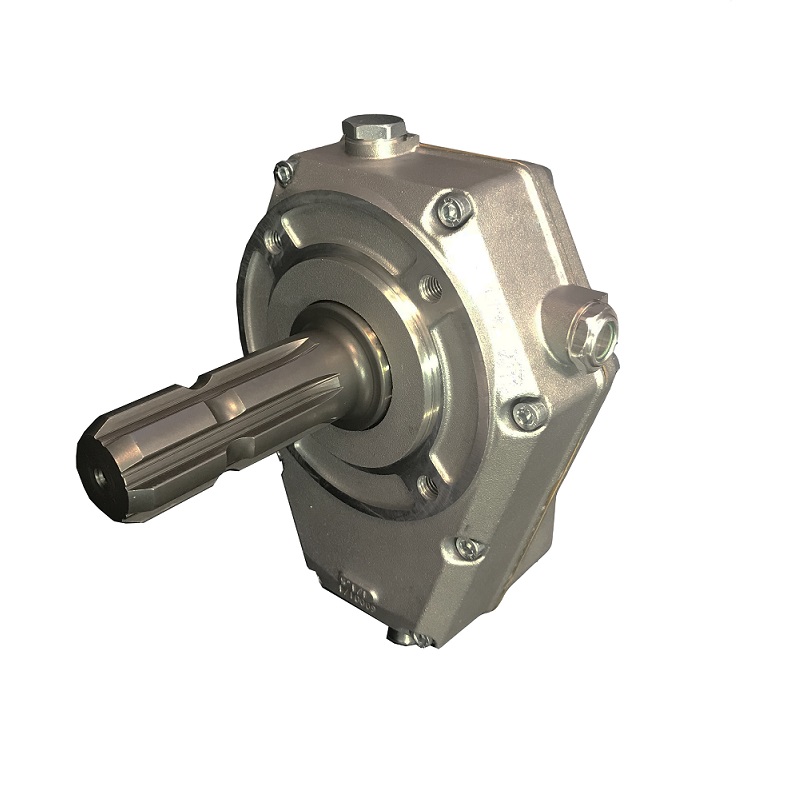
Lubrication Requirements for Smooth Functioning of Miter Gearboxes
Proper lubrication is crucial for ensuring the smooth and efficient operation of miter gearboxes. Follow these lubrication requirements to maintain optimal gearbox performance:
- Appropriate Lubricant: Select a high-quality lubricant specifically designed for gear applications. The lubricant should have the necessary viscosity and additives to provide adequate protection and reduce friction.
- Lubricant Compatibility: Ensure that the selected lubricant is compatible with the materials used in the gearbox components, such as gears, shafts, and bearings. Incompatible lubricants can lead to degradation of materials and reduced performance.
- Lubrication Interval: Follow the manufacturer’s recommendations for lubrication frequency. Regular lubrication helps prevent wear, reduce friction, and dissipate heat generated during operation.
- Proper Quantity: Apply the correct amount of lubricant to ensure proper coverage of gear teeth and other moving parts. Insufficient lubrication can lead to increased friction and premature wear.
- Lubrication Method: Use the recommended lubrication method, which may involve oil bath, splash lubrication, or forced lubrication, depending on the gearbox design and application.
- Temperature Considerations: Take into account the operating temperature of the gearbox and choose a lubricant that can withstand the temperature range. Extreme temperatures can affect the viscosity and performance of the lubricant.
- Sealing and Contamination Prevention: Ensure that the gearbox is properly sealed to prevent the entry of contaminants, such as dirt, dust, and moisture, which can degrade the lubricant and cause damage to components.
- Regular Inspection: Periodically inspect the lubricant for signs of contamination, degradation, or depletion. Replace the lubricant if any abnormalities are detected.
- Re-greasing: In cases where miter gearboxes are subjected to heavy loads, high speeds, or harsh conditions, consider implementing a re-greasing schedule to maintain adequate lubrication levels and extend component life.
Following these lubrication requirements ensures that miter gearboxes operate smoothly, efficiently, and with reduced wear, ultimately contributing to the overall reliability and longevity of the mechanical system.
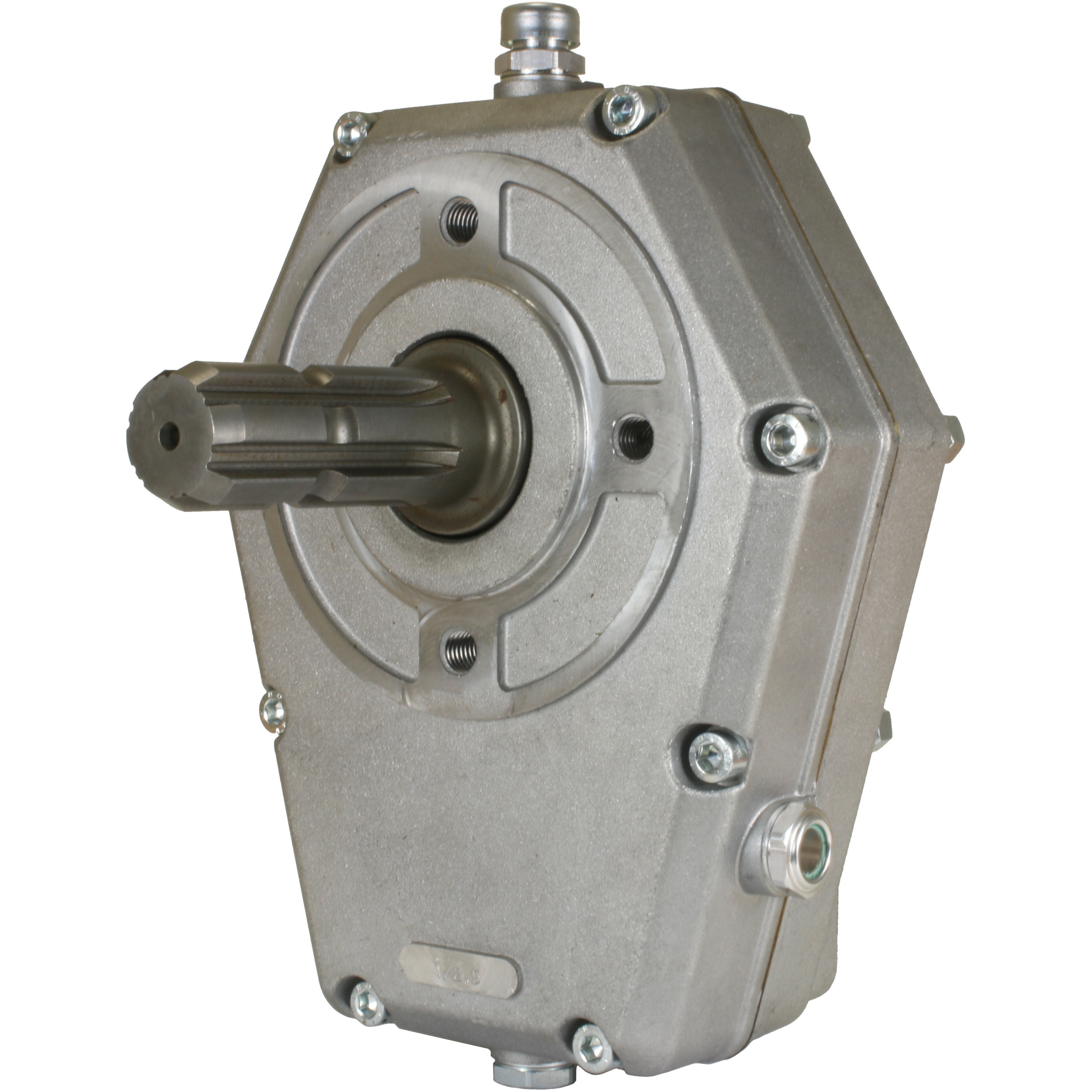
Vantagens das caixas de engrenagens cônicas em relação a outros sistemas de engrenagens
As caixas de engrenagens cônicas oferecem vantagens distintas em certos cenários, o que as torna preferíveis a outros tipos de sistemas de engrenagens:
Mudança de movimento de 90 graus: As caixas de engrenagens cônicas são excelentes para mudar a direção do movimento em 90 graus. Isso as torna ideais para aplicações onde é necessária uma mudança de movimento em ângulo reto.
Design compacto: As caixas de engrenagens cônicas possuem um design compacto e que economiza espaço, tornando-as adequadas para aplicações com restrições de espaço.
Direção de Precisão: Nos sistemas de direção automotiva, as caixas de engrenagens cônicas proporcionam um controle preciso e exato da direção dos veículos, contribuindo para uma direção segura e responsiva.
Redução da reação negativa: As caixas de engrenagens cônicas são projetadas para minimizar a folga, garantindo uma transferência de movimento precisa e suave. Isso as torna adequadas para aplicações onde precisão e capacidade de resposta são essenciais.
Personalização: As caixas de engrenagens cônicas podem ser personalizadas para atender a requisitos específicos de torque, velocidade e projeto, tornando-as adaptáveis a diversas aplicações.
Transmissão de movimento confiável: As caixas de engrenagens cônicas proporcionam uma transmissão de movimento confiável e são frequentemente escolhidas para aplicações onde o controle de movimento consistente e preciso é essencial.
Baixo nível de ruído e vibração: O design das caixas de engrenagens cônicas pode ajudar a reduzir o ruído e a vibração, tornando-as adequadas para aplicações onde o funcionamento silencioso é necessário.
As caixas de engrenagens cônicas são preferidas em cenários onde seu design e capacidades exclusivos se alinham com requisitos específicos de controle de movimento e mudança de direção, oferecendo eficiência, precisão e confiabilidade.
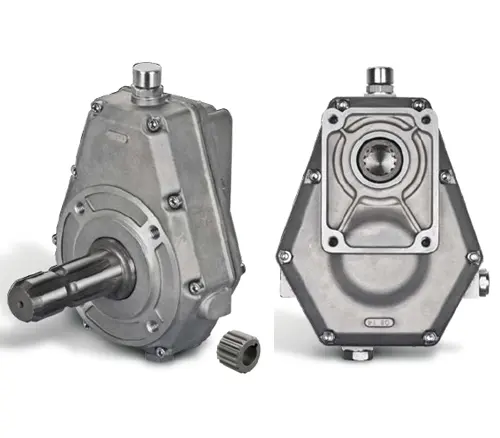
Handling High-Speed and Heavy-Load Applications in Miter Gearboxes
Miter gearboxes are versatile mechanical components that can handle a wide range of applications, including both high-speed and heavy-load scenarios. The suitability of a miter gearbox for a specific application depends on various factors, including design, material, lubrication, and overall engineering considerations.
When it comes to high-speed applications, miter gearboxes can be designed and manufactured to handle rotational speeds that are typical in various industries. Properly designed miter gearboxes will consider factors such as gear tooth profile, lubrication, and material selection to minimize friction, heat generation, and wear, allowing for efficient and reliable operation at high speeds.
Similarly, miter gearboxes can also be engineered to handle heavy-load applications. By using durable materials, precision machining, and robust bearing arrangements, miter gearboxes can efficiently transmit high levels of torque while maintaining structural integrity. The bevel gear arrangement in miter gearboxes is well-suited for distributing heavy loads evenly across the gear teeth, ensuring smooth and consistent power transmission.
It’s important to note that the specific design and capabilities of a miter gearbox will vary depending on the manufacturer and the intended application. Engineers and designers work to optimize gear ratios, bearing arrangements, and housing materials to ensure that the miter gearbox can handle the demands of the given application, whether it involves high speeds, heavy loads, or a combination of both.
Ultimately, miter gearboxes can provide reliable performance across a wide spectrum of operating conditions, making them a versatile choice for various industries and applications.


editor by CX 2023-10-07