
Chain feeder gearboxes serve as the core drive component in automated chain feeding systems, converting input power from electric motors or PTO sources into controlled motion for flat chain or cable-chain conveyors. These units distribute precise amounts of feed across long distances in poultry houses, pig barns, and cattle operations, minimizing waste while ensuring uniform nutrition delivery. In high-volume livestock environments, the gearbox maintains consistent chain speed under varying loads from feed density, chain length, and incline angles.
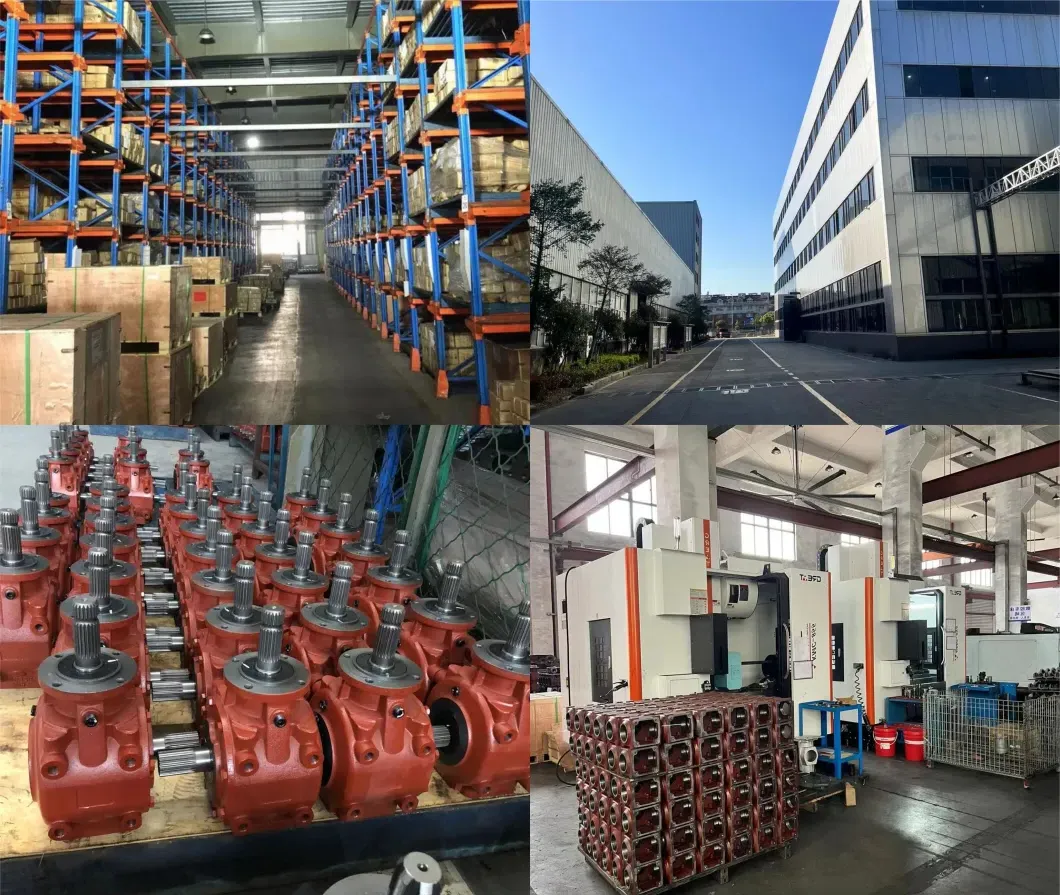
Engineers prioritize compact designs with sealed housings to resist dust, moisture, and corrosive feed particles common in barn settings. Output shafts couple directly to drive sprockets, delivering torque without slippage even during startup under full load. Systems in large-scale facilities often run continuously during feeding cycles, demanding gearboxes with thermal stability to prevent overheating and lubricant breakdown.
Technical Specifications Overview
Chain feeder gearboxes must handle intermittent high-torque demands during chain startup and sustained operation at moderate speeds. Below are typical parameters for medium-duty units suited to poultry and cattle chain systems.
| Параметр | Value/Range | Notes/Standard |
|---|---|---|
| Rated Torque | 180-350 Nm | Continuous operation at rated speed |
| Peak Torque | 480-850 Nm | Startup overload capacity |
| Gear Ratio Options | 20:1 to 60:1 | Customizable for chain speed 10-40 m/min |
| Input Speed | 1400-1750 rpm | Standard motor or 540 rpm PTO |
| Скорость на выходе | 25-70 rpm | Adjusted for feed distribution rate |
| Input Shaft Diameter | 25-35 mm | Keyed or splined |
| Output Shaft Diameter | 40-50 mm | With keyway for sprocket mounting |
| Lubrication Type | Oil bath, synthetic EP 220 | Oil capacity 1.2-2.5 L |
| Рейтинг IP | IP65-IP67 | Dust and water resistant |
| Operating Temperature | -20°C to +80°C | Ambient barn conditions |
| Материал корпуса | Cast iron GG25 or aluminum alloy | Corrosion-resistant coating |
| Gear Material | 20CrMnTi, carburized HRC 58-62 | ISO 6336 compliant |
| Bearing Life L10 | >10,000 hours | At rated load |
| Noise Level | <75 dB(A) | At 1 m distance |
| Mounting Orientation | Horizontal or vertical | Flange or foot mount |
| Масса | 18-35 kg | Depending on ratio and size |
| Service Factor | 1.5-2.0 | AGMA standard for intermittent duty |
| Эффективность | 92-96% | Helical or worm gear stages |
| Overload Protection | Integrated slip clutch option | Prevents chain jam damage |
| Seals | NBR or Viton lip seals | Double-lip for dust exclusion |
| Vibration Limit | <4.5 mm/s RMS | ISO 10816 |
| Input Configuration | IEC motor flange or PTO spline | 1-3/8″ Z6 common |
| Paint Finish | Epoxy powder coat RAL 9006 | Resistant to barn chemicals |
| Fatigue Life | >15,000 hours | Under cyclic loading |
| Installation Interface | 4-bolt flange 200-250 mm PCD | Compatible with common drive units |
These values derive from field-tested designs used in commercial poultry and swine operations, adjusted for chain lengths up to 150 m and feed rates matching daily intake requirements.
Working Principle and Functional Role in Chain Feeding Systems
The gearbox receives power from an electric motor or tractor PTO and reduces speed while multiplying torque to drive the chain conveyor. Input shaft connects to motor via coupling or direct flange; helical or worm gears inside the cast housing transfer rotation to output shaft. Output shaft mounts a drive sprocket engaging the flat chain or disk chain running through feed troughs. Chain movement pulls feed from storage hopper along the circuit, depositing portions at grill openings for animal access. Direction of rotation ensures consistent forward feed flow; reversible models allow chain cleaning or reverse distribution. Torque capacity prevents stalling when chain encounters resistance from accumulated feed or corner bends. Sealed design keeps lubricants clean despite airborne dust and ammonia exposure typical in enclosed barns. Maintenance focuses on oil level checks and seal integrity to sustain performance over years of daily cycles.
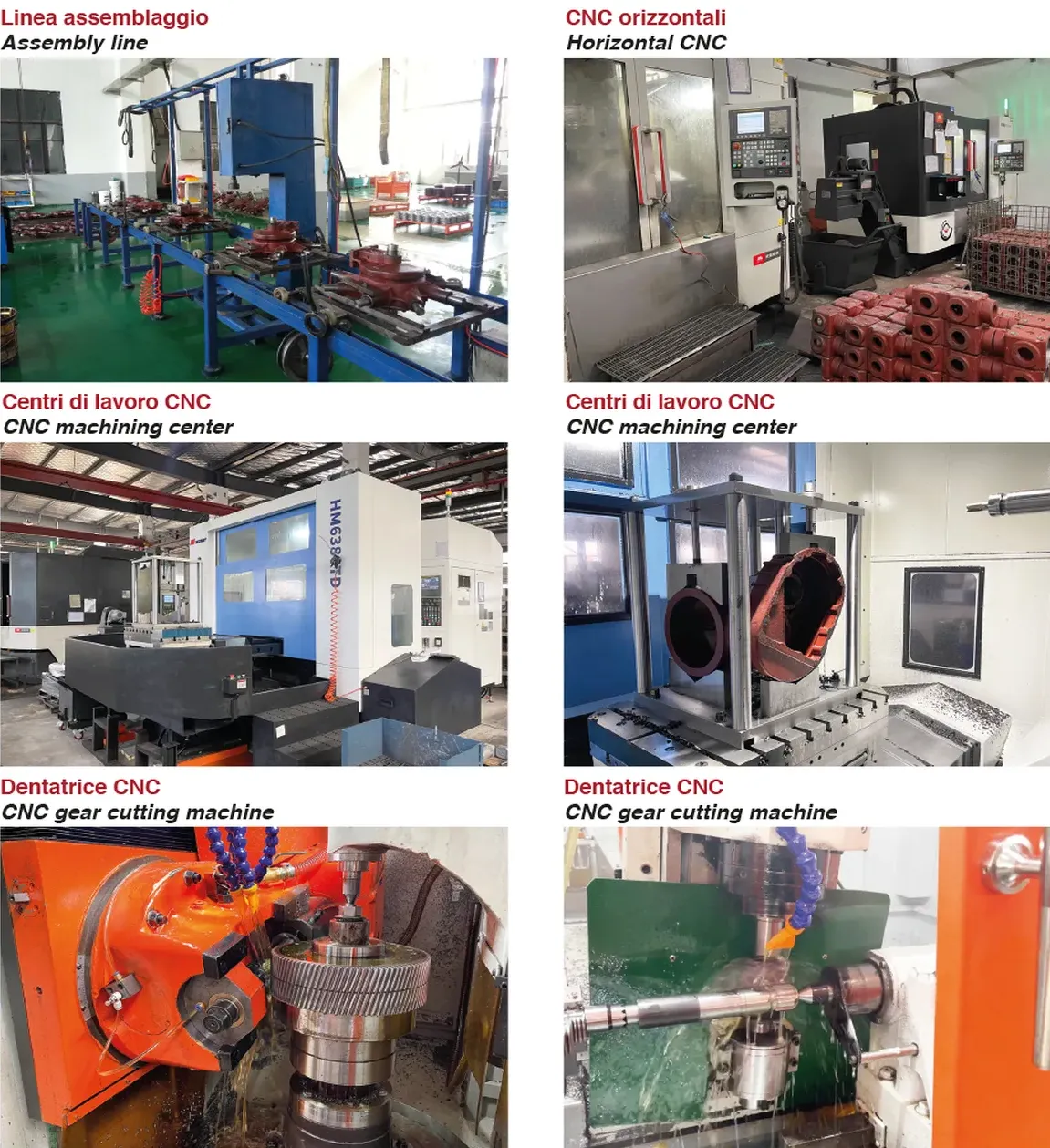
In multi-line systems, one gearbox powers several parallel chains via secondary shafts or corner units, optimizing energy use in large facilities.
Performance Requirements to Overcome Real-World Challenges
Livestock barns expose gearboxes to humid, dusty atmospheres with ammonia and feed particles accelerating wear. Gearboxes require robust seals preventing contaminant ingress while allowing thermal expansion. High startup torque handles chain inertia when filled with dense feed. Thermal dissipation via finned housings manages heat from prolonged runs in warm climates. Corrosion-resistant coatings protect against acidic vapors from manure. Overload protection via integrated clutches or shear pins safeguards against jams from foreign objects. Quiet operation below 75 dB reduces stress on animals and workers. Compatibility with variable frequency drives allows speed adjustment matching bird age or feed type. Long service intervals minimize downtime during critical growth phases.
Argentina Extreme Operating Conditions Field Study
Argentina’s Pampas region, including Buenos Aires, Córdoba, and Santa Fe provinces, features intensive poultry and cattle production. Chain feeding systems dominate broiler and layer houses, as well as feedlots for beef cattle. Typical crops include soy and corn, influencing feed formulation with high protein content increasing chain abrasion. Summer temperatures reach 35°C, demanding excellent heat dissipation. Winter frosts down to -5°C test low-temperature lubricant flow. SENASA regulations govern animal welfare and feed hygiene, indirectly requiring reliable feeding to avoid uneven nutrition impacting health compliance. Neighboring Brazil emphasizes INMETRO certification for machinery components, while Chile follows similar safety protocols. Local mainstream brands like Mainero and Metalfor use standardized PTO interfaces; gearboxes must match SAE flange patterns and 540 rpm inputs. IRAM norms (e.g., IRAM 8076 series for agricultural machinery safety) mandate risk assessments covering entanglement and overload. In humid coastal zones like Entre Ríos, corrosion protection becomes critical. Córdoba feedlots demand heavy-duty units handling 200+ m chains under high load from silage mixes.
Comparison with Competing Brands
Compared to common alternatives, our chain feeder gearboxes offer thicker housing walls for better rigidity under bending loads from long chains. Gear tooth profiles follow optimized AGMA standards for smoother engagement and reduced wear. Bearing selections exceed L10 12,000 hours at full load. Sealing employs double-lip Viton for superior dust exclusion versus single-lip designs. Thermal capacity allows continuous operation at 45°C ambient without derating. Note: All referenced brands and specifications serve identification and comparison purposes only; compatibility is not guaranteed without verification. No infringement intended on trademarks or designs.
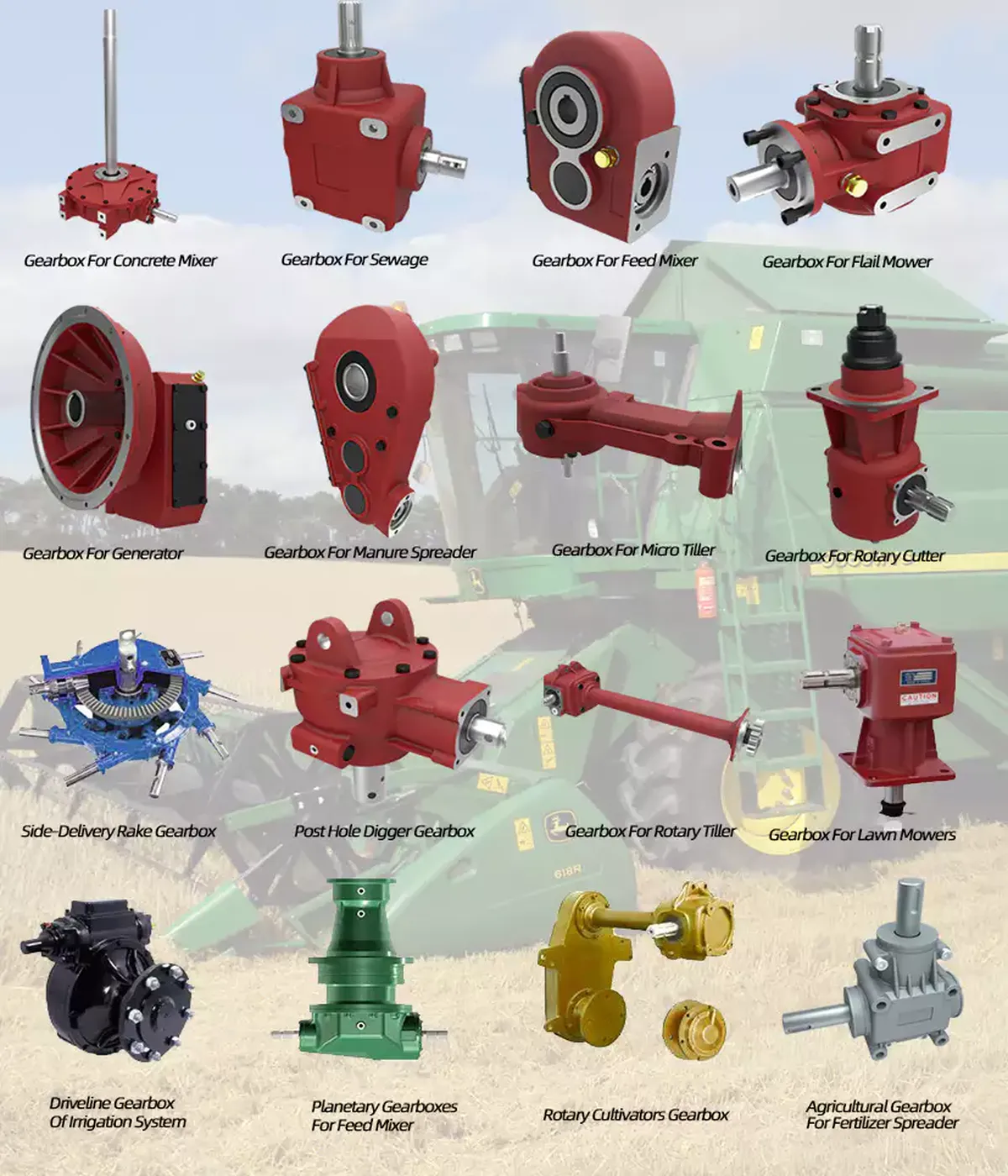
These units adapt to existing drive setups from various suppliers, easing retrofits in Argentina’s mixed-equipment farms.
Replacement Signs for Chain Feeder Gearbox
Watch for increased operating noise indicating bearing wear or gear pitting. Oil leaks around seals signal degradation from heat or contaminants. Excessive chain slippage or uneven feed delivery points to torque loss. Overheating during normal cycles suggests lubricant breakdown or poor ventilation. Vibration spikes often precede major failures. Reduced feed throughput despite motor load indicates internal slippage or wear. Metal particles in drain oil confirm gear or bearing damage. Difficulty starting under load reveals overload clutch fatigue or motor-gearbox mismatch.
Why Choose Our Chain Feeder Gearbox Solution
Proven durability in high-cycle operations across South American farms. Precise speed control ensures even feed distribution reducing competition stress. Robust construction withstands barn corrosives and dust. Easy integration with existing motors and chains cuts installation time. Extended service life lowers total ownership cost. Comprehensive ratio options match diverse house layouts. Engineering support assists custom adaptations for local conditions.
Application Cases from Different Regions
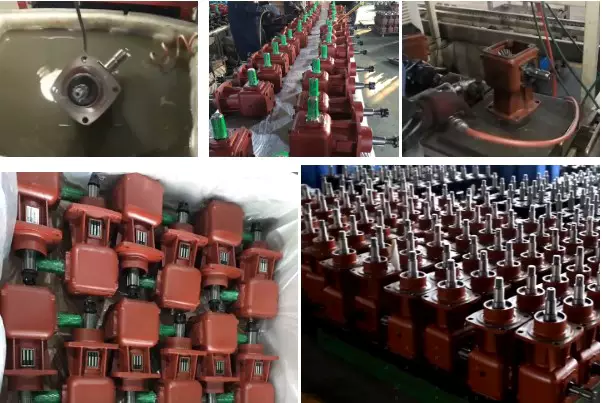
In Argentina’s Córdoba province, a large broiler integrator replaced aging drive units with our gearbox on 150 m chains. Uniform feed delivery improved flock uniformity by 8%, cutting grading losses. Operator noted quieter operation and no leaks after 18 months. Brazilian Mato Grosso poultry operation integrated units into existing lines; torque capacity handled high-density feed without stalling, boosting throughput 12%. Chile’s central valley swine farm used gearboxes in gestation barns; corrosion resistance extended service beyond expectations in humid conditions. Santa Fe, Argentina feedlot applied units to cattle ration distribution; reliable performance during peak summer heat maintained consistent intake.
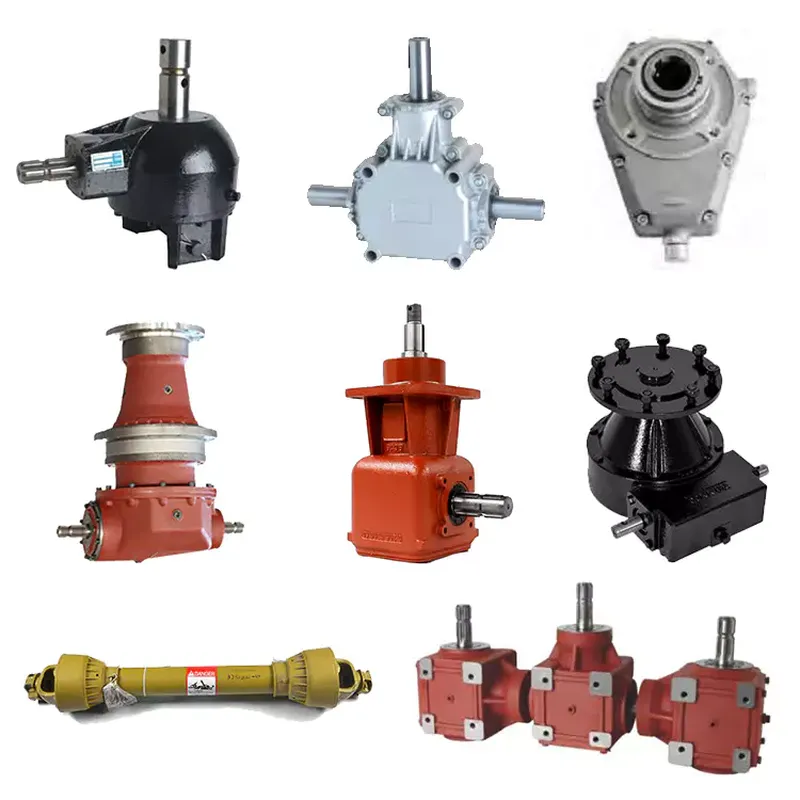
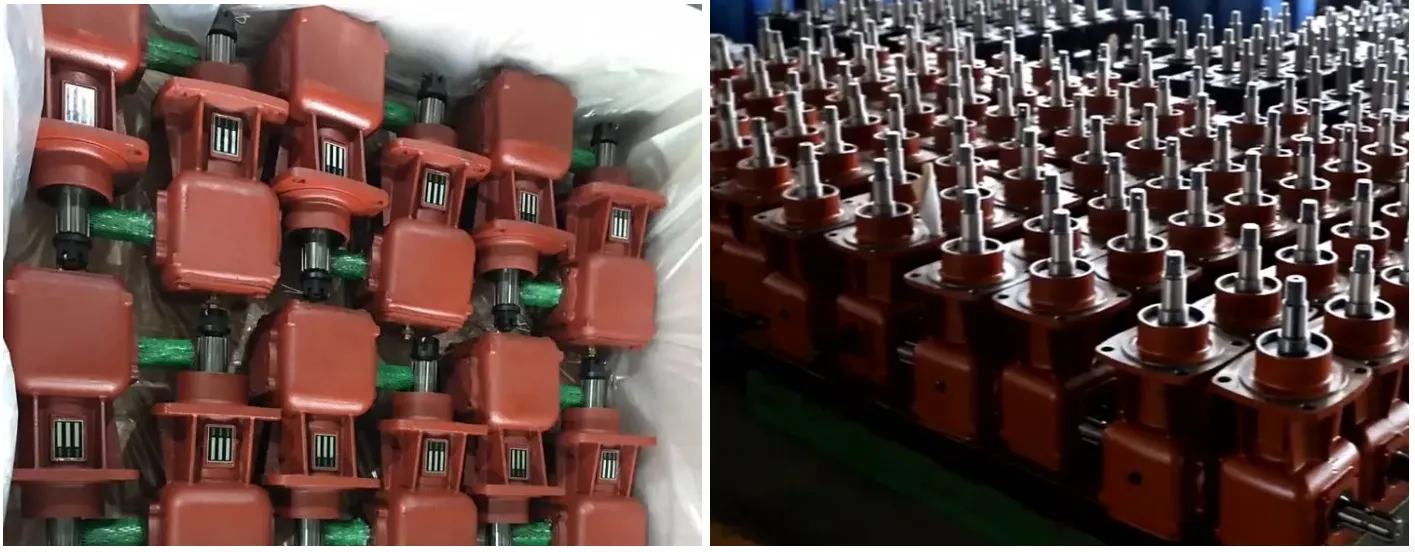
Related Products for Complete Feeding Systems
Complement chain feeder gearboxes with compatible PTO shafts featuring safety guards, telescopic sections, and wide-angle joints for flexible connections. Chain sprockets, roller chains, tensioners, and drive wheels ensure smooth power transfer. Lubrication pumps and fittings maintain optimal gear oil condition. Hydraulic cylinders for corner adjustments or feed bin gates integrate seamlessly. For full setups, consider compatible feed mixers or distribution augers. One-stop sourcing simplifies procurement, guarantees system compatibility, and reduces interface issues. Full range covers all transmission needs for livestock operations. Explore full agricultural transmission solutions or reach out for tailored recommendations.
Часто задаваемые вопросы
- What chain speed range do these gearboxes support? Typical outputs deliver 15-40 meters per minute, adjustable via ratio selection or motor frequency to match house length and feed density without overloading chain or motor.
- How often should oil be changed? Under normal barn conditions, change synthetic EP oil every 2,000-3,000 operating hours or annually; inspect for contamination during checks and replace sooner if water or particles appear.
- Can gearboxes handle reversible chain operation? Yes, many models support bidirectional rotation for cleaning or maintenance; confirm motor compatibility and add reversing contactor if needed.
- What overload protection is built-in? Optional integrated slip clutch or shear pin protects against jams; clutch resets automatically after overload clears, preventing chain breakage or motor burnout.
- Are units suitable for outdoor feed distribution? IP65+ rating handles occasional water exposure; for frequent outdoor use, add protective covers and ensure ventilation to prevent condensation buildup.