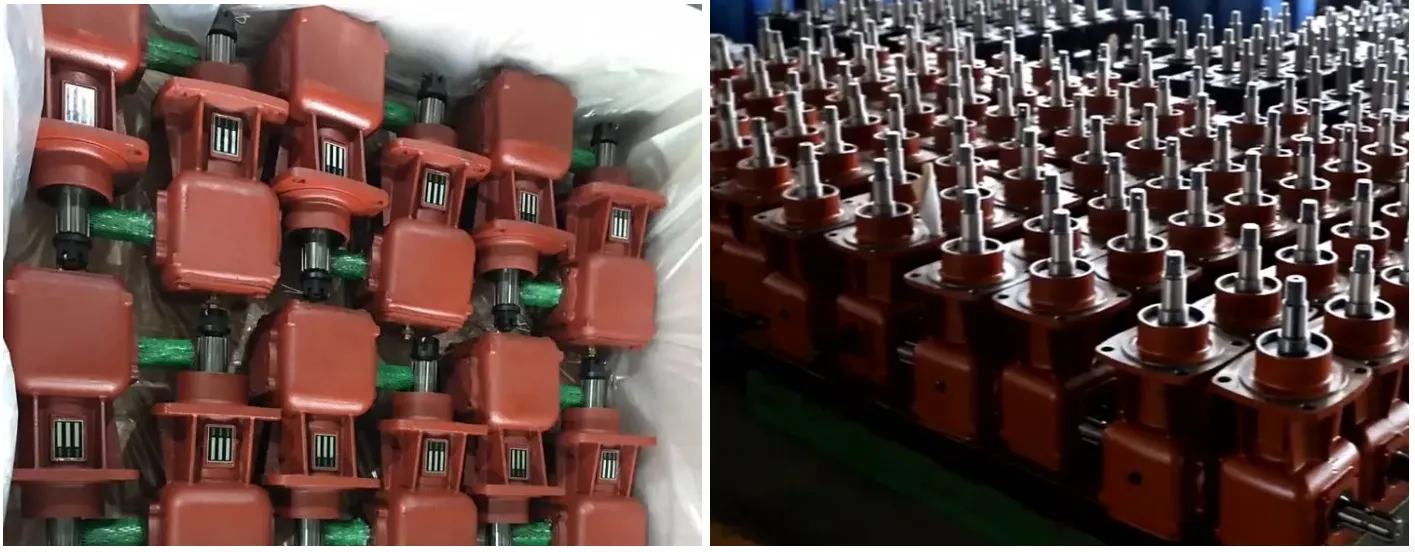
Electric film winders serve as essential tools in modern protected agriculture, particularly for rolling up mulch films, side ventilation curtains in greenhouses, and retractable coverings in horticultural setups. These devices demand gearboxes capable of delivering consistent torque at low speeds while handling frequent start-stop cycles and exposure to dust, moisture, and temperature swings typical of field conditions. Our specialized agricultural gearbox ensures smooth, reliable operation for electric mulch film winders, supporting efficient film management across large-scale vegetable, soybean, and maize operations.
In Argentina’s key farming zones such as Buenos Aires, Córdoba, and Santa Fe provinces, where soybean, maize, and wheat dominate rotations, growers increasingly adopt mulch film to conserve soil moisture, suppress weeds, and regulate soil temperature during critical growth phases from spring planting through summer harvest. The gearbox integrates directly with the winder motor, providing the necessary speed reduction and torque multiplication to handle film rolls up to 200-300 meters long without slippage or motor overload.
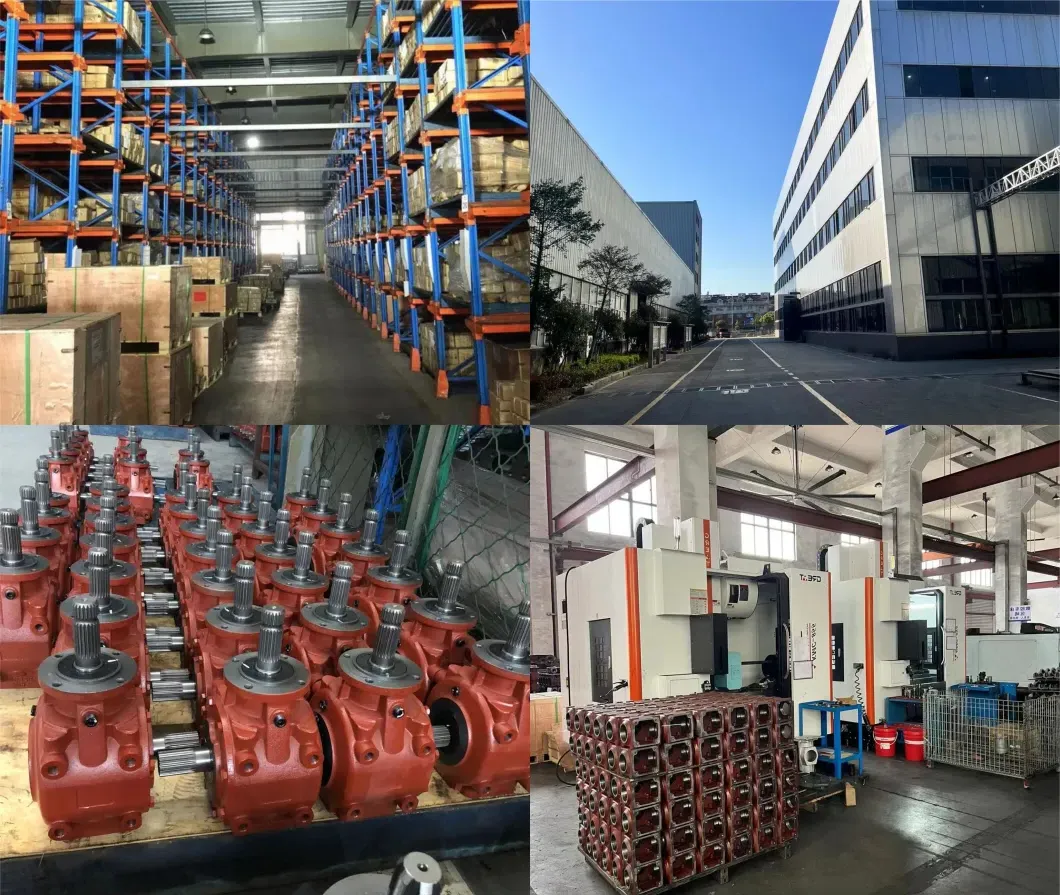
Why Choose Our Gearbox for Your Electric Film Winder Needs
Our gearbox stands out through proven field durability, precise engineering for low-speed high-torque demands, and compatibility with standard electric motors used in agricultural winders. Operators benefit from reduced downtime during film deployment and retrieval, especially critical in regions facing unpredictable rainfall patterns that require quick adjustments to mulch coverage. The design minimizes backlash, ensuring even film tension across the roll, which prevents tearing and extends film lifespan in intensive use.
- Robust cast iron housing resists impacts from field debris and farm vehicle handling.
- Sealed bearings and high-grade seals protect against moisture ingress common in irrigated soybean fields.
- Optimized gear tooth profile reduces noise during operation near worker areas.
- Flexible mounting options suit both fixed greenhouse installations and mobile field winders.
- Service factor of 1.5–2.0 handles intermittent overloads during film snags or uneven rolling.
These features translate to lower maintenance costs and higher operational uptime, directly supporting yield stability in Argentina’s variable climate zones.
Technical Specifications Overview
The gearbox parameters are tailored for electric film winder applications, balancing compact size with sufficient strength for daily agricultural demands.
| Parameter | Value/Range | Notes |
|---|---|---|
| Nominellt vridmoment | 150–280 Nm | Continuous operation at rated load |
| Peak Torque | 420–650 Nm | Short-term overload capacity |
| Gear Ratio Options | 40:1 to 80:1 | Customizable for motor speed matching |
| Input Speed | 1400–2800 rpm | Standard electric motor range |
| Output Speed | 20–60 rpm | Optimal for controlled film rolling |
| Input Shaft Diameter | 25–35 mm | Keyed or splined |
| Output Shaft Diameter | 40–50 mm | Double keyway for secure roll attachment |
| Lubrication Type | Oil bath (VG220 or equivalent) | Long service interval |
| IP-klassificering | IP65 | Dust and water jet protection |
| Operating Temperature | -20°C to +60°C | Suitable for Pampas seasonal extremes |
| Höljets material | Gray cast iron GG25 | High damping for vibration |
| Gear Material | 20CrMnTi carburized | HRC 58–62 surface hardness |
| Bearing Life L10 | >10,000 hours | At rated load |
| Noise Level | <70 dB(A) | At 1 meter distance |
| Mounting Position | Horizontal or vertical | Flexible installation |
| Vikt | 18–28 kg | Depending on ratio |
| Efficiency | 92–95% | At full load |
| Service Factor | 1.5–2.0 | For intermittent duty |
| Backlash | <30 arcmin | Precision gear meshing |
| Shaft Alignment Tolerance | 0.05 mm | Parallelism requirement |
Working Principle and Key Components
The gearbox employs a multi-stage helical gear train combined with a final worm or planetary stage to achieve high reduction ratios in a compact footprint. Power enters through the input shaft connected to the electric motor, transfers via helical gears for smooth initial reduction, then engages the final stage to deliver high torque at low output speed to the film roll spindle. This configuration ensures even torque distribution, preventing film bunching or excessive tension that could damage the plastic.
Internal components include carburized and ground gears for wear resistance, high-capacity tapered roller bearings to absorb radial and axial loads from film weight, and nitrile or Viton seals to maintain lubrication integrity in humid environments. The output shaft features a reinforced keyway or spline to secure the winding drum, allowing quick roll changes during seasonal transitions in Córdoba soybean fields or Buenos Aires vegetable plots.
In practice, the gearbox must overcome static friction when initiating roll movement after prolonged exposure to sun, as well as dynamic loads from wind gusts pulling on partially rolled film. Our design incorporates increased tooth contact ratio and optimized helix angles to mitigate these stresses, extending service life beyond 8,000 operating hours in real-world conditions.
Argentina Agricultural Conditions and Compliance Requirements
Argentina’s Pampas region, encompassing Buenos Aires, Córdoba, Santa Fe, La Pampa, and Entre Ríos provinces, experiences hot summers with temperatures often exceeding 35°C and cold winters dropping below 0°C, alongside periodic droughts and heavy rains. Soybean planting typically occurs October–December, with mulch film applied to retain moisture during early growth; maize follows similar cycles, while wheat occupies winter slots in southern Buenos Aires. Electric film winders must function reliably across these variations, resisting condensation inside housings and maintaining lubrication viscosity in heat.
Safety compliance draws from IRAM standards, which align partially with international norms such as ISO 4254 for agricultural machinery safety, covering guards, power transmission hazards, and electrical integration. While IRAM certification remains largely voluntary for mechanical components, exporters and large producers often require alignment with IRAM safety marks or equivalent CB test reports accepted by local authorities. Neighboring Uruguay and Brazil reference similar ISO-based guidelines, with Brazil’s INMETRO occasionally influencing cross-border equipment. Our gearbox design meets IP65 protection and incorporates overload-tolerant gearing to comply with general machinery directives emphasizing operator safety during film adjustments.
Real-World Application Cases
In Buenos Aires province near Pergamino, a 400-hectare soybean and maize operation replaced manual film rolling with electric winders fitted with our gearbox in 2023. The unit handled 250-meter rolls across 80 greenhouse tunnels, enduring 38°C summer peaks without overheating; downtime dropped 70% compared to previous chain-driven systems, allowing faster response to sudden rains that required uncovering to prevent fungal issues.
Córdoba growers in Jesús María district, managing 250 hectares of vegetable crops under mulch, reported consistent torque delivery during 2024 harvest prep. The gearbox supported frequent partial rolling for ventilation control, surviving dust storms and irrigation splash without seal failure; operators noted easier tension adjustment than belt-driven alternatives.
In Santa Fe province’s Reconquista area, focused on early soybean planting, a cooperative outfitted 15 mobile winders with the gearbox for field-scale mulch management. Units operated reliably through wet spring conditions, withstanding mud and vibration from uneven terrain; film retrieval time shortened by 40%, enabling timely planting windows before seasonal floods.
These examples highlight adaptability across Argentina’s core grain belt, where reliable power transmission directly supports timely mulch management critical for water conservation and yield optimization.
Common Signs Indicating Gearbox Replacement
Monitor these indicators to avoid unexpected failures during critical film rolling periods:
- Increased operating noise or grinding during low-speed torque application signals worn gear teeth or bearing play.
- Visible oil leakage around seals after prolonged exposure to heat and UV, indicating seal degradation.
- Uneven film tension or slippage on the roll, pointing to backlash increase or insufficient torque reserve.
- Excessive heat buildup on the housing during extended runs, suggesting lubrication breakdown or overload.
- Vibration spikes when starting under load, often due to misalignment or internal component fatigue.
- Difficulty achieving full roll retraction in cold mornings, linked to thickened lubricant or binding gears.
Proactive replacement upon these signs prevents costly film damage or delayed field operations.
Frequently Asked Questions
1. What motor power range pairs best with this gearbox for a 200-meter film winder?
Typical setups use 0.75–1.5 kW electric motors at 1400 rpm, delivering sufficient input for ratios around 50:1 to achieve 25–35 rpm output with 200–250 Nm torque, adequate for most mulch rolls in field conditions.
2. Can the gearbox handle frequent direction reversals for partial film adjustments?
Yes, bidirectional capability is built-in with balanced helical gearing and thrust-capable bearings, supporting over 500 reversals per day without accelerated wear when lubricated properly.
3. How often should lubrication be checked or changed?
Initial change after 500 hours, then every 2000–3000 hours or annually; use ISO VG220 gear oil meeting GL-4 or higher for optimal film in dusty Argentine environments.
4. Is the unit suitable for mobile winders on uneven ground?
The rigid cast housing and flexible mounting feet accommodate minor misalignment; vibration-damping design reduces stress from field bumps common in Santa Fe and Córdoba.
5. What maintenance steps prevent premature failure in humid conditions?
Monthly seal inspection, ensure breather functionality to avoid pressure buildup, and apply anti-corrosion coating to exposed shafts; avoid pressure washing directly on seals.
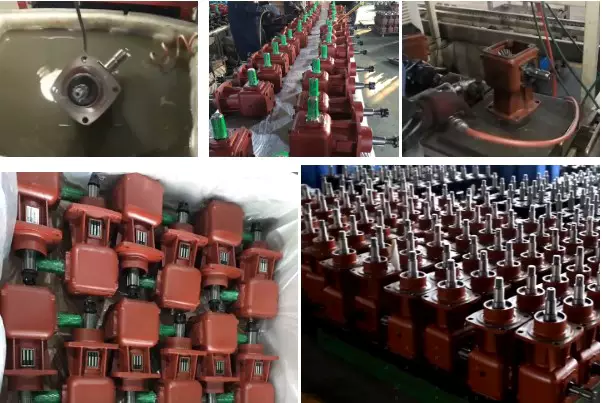
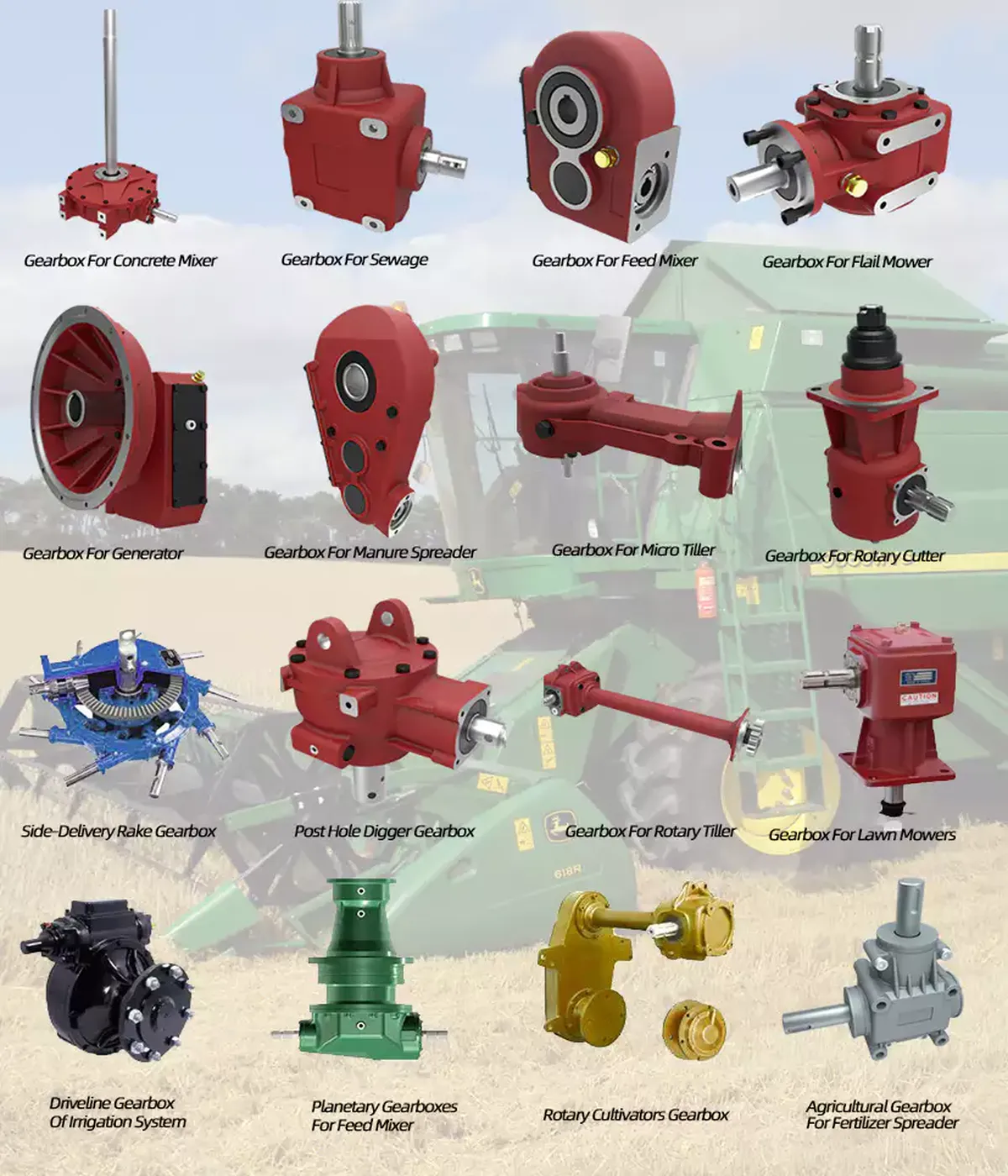
Related Agricultural Transmission Products
Complement your electric film winder system with compatible components from our range:
- PTO-driven gearboxes for tractor-mounted implements requiring similar torque profiles.
- Multi-speed chain drives and sprockets for auxiliary film tensioning mechanisms.
- Hydraulic cylinders and control valves for automated side curtain systems in larger greenhouses.
- Complete film applicator kits including rollers, bearings, and tension sensors.
One-stop sourcing ensures interface compatibility and simplified logistics for integrated mulch management solutions across your operation.
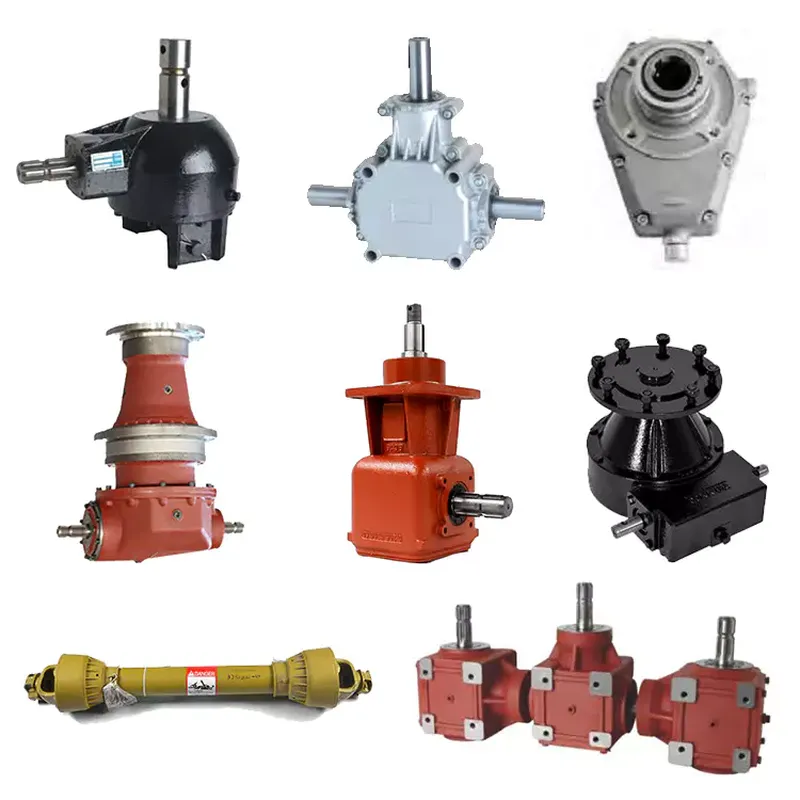
Explore our full range of agricultural gearboxes or visit the contact page to discuss custom configurations for your electric film winder requirements in Argentina and beyond.