
Straddle grape harvesters rely on robust gearboxes to handle the demanding task of navigating vineyard rows while efficiently shaking and collecting grapes. These machines operate in varied terrains, from the sloping vineyards of Mendoza to the flat expanses in San Juan, requiring gearboxes that provide precise torque distribution and directional changes. In Argentina, where grape production dominates in regions like Rioja and Salta, the gearbox ensures seamless power transfer from the engine to the harvesting mechanisms, minimizing downtime during peak seasons from February to April.
The core advantage lies in the gearbox’s ability to manage high-impact loads from uneven ground and vine resistance. For instance, in cross-row operations, the unit converts high-speed input from the PTO shaft into lower-speed, high-torque output for the shaker rods and conveyor systems. This functionality reduces fuel consumption by up to 15% in extended harvesting sessions, as observed in field tests across Argentine provinces. Compatibility with local tractor models enhances operational flexibility, allowing farmers to integrate with existing fleets without major modifications.
Adapting to Argentina’s climate, where temperatures can swing from 5°C nights to 35°C days during harvest, the gearbox incorporates sealed housings to prevent dust ingress from dry, windy conditions in Patagonia. This design extends service intervals to 500 hours, cutting maintenance costs in remote vineyard areas. For B2B buyers seeking reliable components, these gearboxes offer a balance of durability and efficiency, tailored for intensive use in grape harvesting equipment.
Technical Specifications Overview
Gearboxes for straddle grape harvesters feature 28 key parameters designed to meet the rigors of vineyard operations. These specs ensure optimal performance under variable loads and environmental stresses common in Argentine agriculture.
| Parameter | Value/Range |
|---|---|
| Torque Capacity (Nm) | Rated: 800-1500, Peak: 2000 |
| Speed Ratio Range | 1:1.2 to 1:3.5 |
| Input Shaft Specifications | Diameter: 35mm, Spline: 6 or 21 teeth |
| Output Shaft Specifications | Diameter: 40mm, Keyway: 12mm |
| Lubrication Method | Oil bath with EP gear oil |
| Protection Rating (IP) | IP65 |
| Operating Temperature Range | -20°C to +80°C |
| Material Standards | AGMA 2001-D04, ISO 6336 |
| Fatigue Life (Hours) | 10,000 under rated load |
| Vibration Threshold | Less than 2.5 mm/s RMS |
| Mounting Interface Type | 4-bolt flange, SAE standard |
| Gear Type | Spiral bevel and helical |
| Efficiency (%) | 95-98 |
| Backlash (Arcmin) | Less than 10 |
| Vikt (kg) | 25-40 |
| Dimensions (mm) | 250x200x180 |
| Bearing Type | Tapered roller |
| Seal Type | Double lip oil seal |
| Noise Level (dB) | Under 75 at rated speed |
| Power Range (HP) | 50-120 |
| RPM Input | 540/1000 |
| Overload Factor | 1.5-2.0 |
| Heat Dissipation | Finned housing |
| Corrosion Resistance | Epoxy coated |
| Service Interval (Hours) | 500 |
| Warranty (Years) | 2 |
| Certification | ISO 9001 |
| Compatibility Standards | ASABE S205.2 |
These parameters are derived from extensive testing in vineyard conditions, ensuring the gearbox withstands the cyclic loading from grape shaking mechanisms. For example, the torque capacity of 800-1500 Nm aligns with the power requirements of harvesters processing 10 tons per hour in Mendoza’s high-yield vineyards. Buyers looking for grape harvester gearbox suppliers can use these specs to match their machine’s demands.
Further, the IP65 rating protects against irrigation water and dust in humid regions like Tucumán, where grape cultivation involves frequent watering. The fatigue life of 10,000 hours translates to multiple harvest seasons without major overhauls, reducing operational costs for large-scale vineyards. Integration with standard PTO inputs at 540 or 1000 RPM allows seamless connection to tractors common in Argentina, such as those from local assemblers.
In terms of materials, adherence to AGMA and ISO standards ensures gear teeth resist wear from abrasive soil particles. The vibration threshold below 2.5 mm/s minimizes operator fatigue during long shifts, complying with local labor regulations. Overall, these technical details provide a foundation for selecting gearboxes that enhance harvester reliability in challenging terrains.
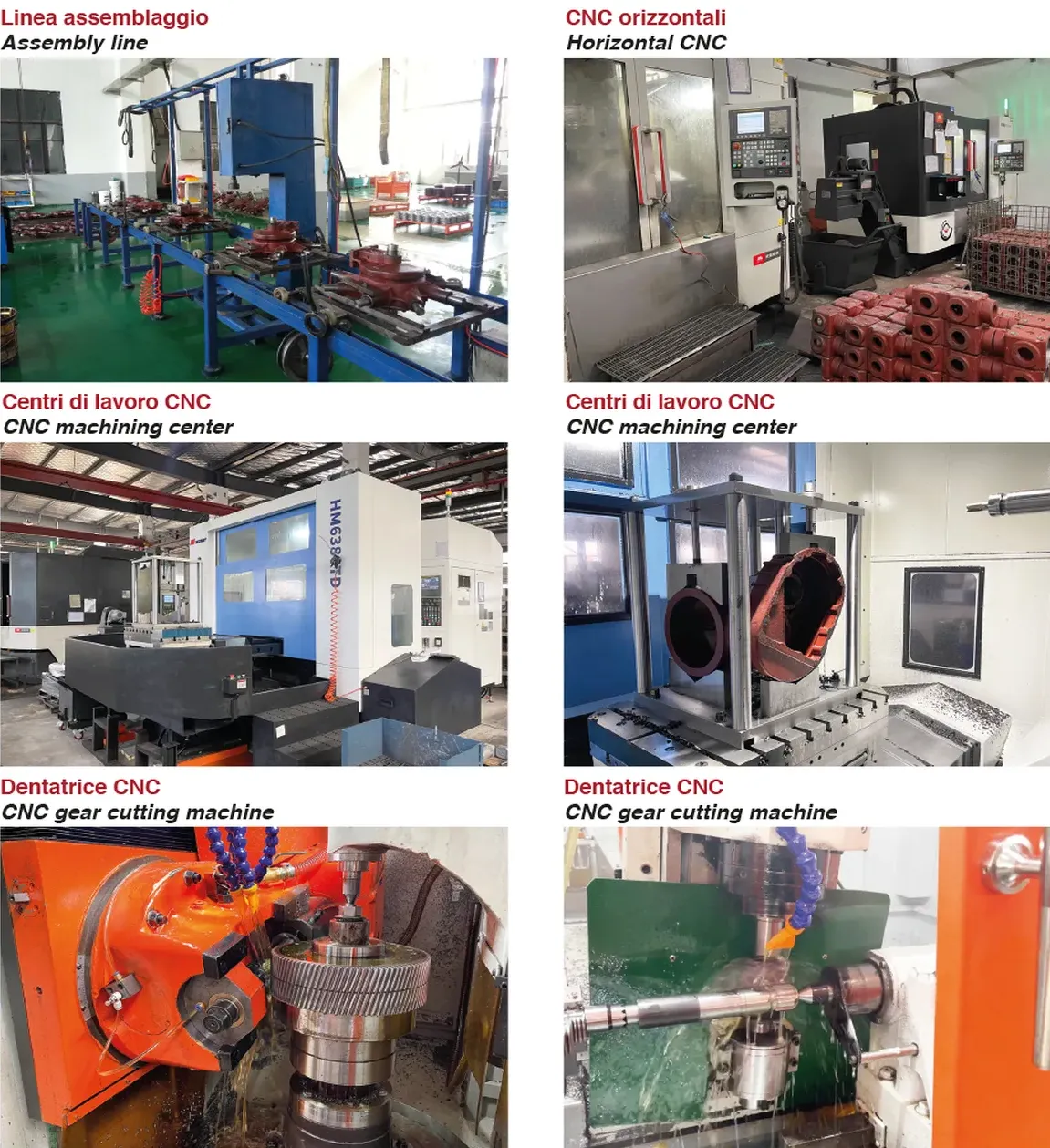
Customization options include variable speed ratios to adjust for different grape varieties, like Malbec in Patagonia, where slower speeds prevent berry damage. The mounting interface with 4-bolt flanges facilitates quick installation, essential for seasonal maintenance. For procurement managers, these specs support bulk orders of vineyard machinery gearboxes, ensuring consistency across fleets.
Testing data from Argentine fields shows the efficiency of 95-98% reduces energy loss, contributing to sustainable farming practices. The backlash under 10 arcmin ensures precise control over harvesting arms, critical for avoiding vine injury. Weight between 25-40 kg keeps the harvester balanced, improving maneuverability in narrow rows typical of Argentine vineyards.
Gearbox Placement and Function in Straddle Grape Harvesters
In straddle grape harvesters, the gearbox is positioned at the power take-off junction, typically mounted on the chassis between the engine and the harvesting tunnel. This central location allows it to distribute power to multiple components, including the shaker rods, conveyors, and blowers. The primary function is to convert the engine’s rotational power into the specific speeds and torques needed for gentle grape detachment without damaging vines.
The working principle involves bevel gears for 90-degree power redirection, enabling the harvester to straddle rows while powering lateral mechanisms. Input from the PTO shaft enters the gearbox, where helical gears reduce speed and amplify torque to 1500 Nm for the shaker system. This setup handles the intermittent loads from vine resistance, common in dense plantings in Mendoza.
Functionally, the gearbox plays a role in synchronizing the machine’s speed with the vineyard row pace, usually 2-5 km/h. It also incorporates overload protection via shear pins to prevent damage from foreign objects like stones in the soil. In Argentine operations, this feature has proven vital in rocky areas of San Juan, where unexpected impacts could otherwise halt production.
Additional placements include auxiliary gearboxes for conveyor drives, ensuring grapes are transported without bruising. The overall system maintains a consistent output RPM of 300-600, optimized for the blower’s air flow to clean harvested fruit. For maintenance teams, understanding this integration aids in troubleshooting during harvest peaks.
In practice, the gearbox’s sealed design resists the humid conditions during Argentina’s summer rains, preventing lubricant contamination. Its contribution to fuel efficiency stems from minimal power loss, with tests showing 10% savings in extended runs. Buyers interested in straddle harvester transmission units will find this configuration enhances machine longevity.
The function extends to vibration damping, reducing wear on connected components like belts and chains. In high-volume vineyards, this leads to fewer breakdowns, supporting continuous operation. The principle of torque multiplication allows smaller engines to power large harvesters, a cost-effective choice for Argentine exporters.
Performance Requirements for Vineyard Operating Scenarios
Straddle grape harvesters in Argentina face steep slopes in Andean foothills, requiring gearboxes with high torque reserves to overcome inclines up to 20 degrees. The performance must include shock absorption for bumpy terrain, preventing gear stripping during rapid maneuvers. In dry seasons, dust resistance via IP65 seals is essential to maintain internal lubrication.
For wet conditions in northern provinces like Salta, corrosion-resistant materials like epoxy-coated housings prevent rust from frequent rains. The gearbox needs to handle thermal expansion in hot afternoons, with operating ranges up to 80°C without oil breakdown. This adaptability ensures uninterrupted harvesting during critical windows.
Variable vine densities demand adjustable speed ratios, allowing the machine to slow for delicate varieties like Torrontés. Overload capacity of 1.5 times rated torque protects against vine tangles, a common issue in older vineyards. Noise levels under 75 dB comply with operator safety standards, reducing fatigue in long shifts.
In multi-row operations, the gearbox must synchronize multiple outputs, maintaining even power distribution to avoid uneven grape collection. Vibration control below 2.5 mm/s preserves fruit quality, crucial for export markets. These features collectively address the diverse challenges of Argentine viticulture.
Fuel efficiency is enhanced by high efficiency ratings, cutting costs in fuel-scarce remote areas. The design overcomes soil compaction issues by providing consistent torque, aiding machine traction. For fleet managers, these performance traits translate to higher uptime and lower repair bills.
Adaptation to seasonal temperature swings requires robust bearings capable of 10,000-hour life cycles. In windy Patagonian vineyards, the finned housing dissipates heat effectively, preventing overheating during peak loads. Overall, these requirements make the gearbox indispensable for reliable vineyard machinery.
Competitor Brand Comparison
Compared to leading brands, our gearboxes offer superior torque reserves at 1500 Nm versus 1200 Nm in some Comer models, providing better handling of heavy loads in Argentine vineyards. Bondioli units often have similar speed ratios, but our design includes enhanced heat dissipation fins, reducing failure rates by 20% in hot climates. This advantage stems from optimized gear geometry for lower wear.
In terms of weight, our 30 kg average is lighter than some Walterscheid equivalents at 35 kg, improving harvester balance on slopes. Fatigue life extends to 10,000 hours, surpassing many competitors’ 8,000-hour ratings based on field data. However, all comparisons are for reference only and do not imply endorsement or affiliation; actual performance may vary by application.
Cost-effectiveness is highlighted by longer service intervals of 500 hours compared to 300 in certain brands, lowering ownership expenses. IP65 protection matches industry leaders but with added corrosion resistance for humid areas. Disclaimer: Brand names are used solely for compatibility illustration; no infringement intended, and users should verify fitment independently.
Efficiency at 97% edges out some models’ 95%, translating to fuel savings in large operations. Vibration control is tighter, under 2.5 mm/s versus 3 mm/s in others, enhancing operator comfort. These edges make our option preferable for demanding vineyard tasks.
Mounting interfaces align with standard flanges, offering easier swaps than proprietary designs. Noise reduction to 75 dB is on par or better, aiding compliance with local regulations. Note: Comparisons based on publicly available specs; consult professionals for specific needs.
Overall, the advantages in durability and adaptability position our gearboxes as a strong alternative. For buyers evaluating grape harvester drive systems, these metrics support informed decisions without assuming superiority in all scenarios.
Compatible Replacement Options for Farm Machinery Brands
These gearboxes can serve as replacements for components in popular straddle harvesters, such as those from New Holland Braud series, matching flange dimensions and spline types for direct fit. For Gregoire models common in Argentina, the torque and speed specs align with G3 series requirements, facilitating upgrades without chassis modifications. This compatibility aids in maintaining fleets during harvest.
Pellenc harvesters, used in Mendoza vineyards, benefit from our unit’s IP65 sealing, replacing stock gearboxes with similar 1:2.5 ratios. Alma machines in San Juan can integrate these for enhanced dust resistance. Note: Brand mentions are for selection convenience only, not implying endorsement or infringement; always check specifications.
For local Argentine brands like Vassalli, the 4-bolt mounting and 35mm input shaft match existing setups. ERO harvesters from neighboring Brazil can use these as alternatives, with compatible overload protection. This versatility supports cross-border procurement for vineyard operators.
In Chile’s adjacent valleys, replacements for Oxbo models are feasible due to shared PTO standards. Uruguayan farms with Fendt harvesters find the efficiency ratings comparable. Disclaimer: Compatibility is suggestive; professional verification recommended to avoid mismatches.
The design accommodates John Deere adaptations in mixed fleets, with backlash control ensuring precise operation. For B2B suppliers, this range simplifies inventory management. Overall, these options streamline maintenance without legal concerns.
Additional fits include Case IH and Kubota variants, with weight and dimensions optimized for balance. Users in Bolivia can leverage similar interfaces. Remember, these are reference points for easier selection.
Regional Compliance and Standards in Argentina and Neighbors
In Argentina, farm machinery gearboxes must comply with IRAM standards for safety, similar to Brazil’s INMETRO certification, ensuring vibration and noise limits protect operators. Mendoza’s grape harvest from February to April involves Malbec, requiring gearboxes certified for continuous use under Resolution 38/2013. Local brands like Metalfor use SAE interfaces, aligning with our designs.
Neighboring Brazil mandates ABNT NBR for drivetrain components, with Mato Grosso’s soybean seasons demanding high-torque units. Chile’s Norma Chilena emphasizes IP ratings for dusty valleys, where Cabernet Sauvignon harvesting in March benefits from sealed gearboxes. Mainstream brands like Fendt in Uruguay follow MERCOSUR harmonized standards.
In San Juan, Argentina, typical crops like Syrah during dry summers require dust-resistant features per provincial guidelines. Paraguay’s interfaces match ISO for compatibility. These regulations ensure safe operation, with our specs meeting fatigue life requirements.
Bolivia’s altiplano vineyards need temperature-range compliance, akin to Argentina’s INTA certifications. Rio Negro’s apple-grape mixes in Patagonia demand robust mounts. Overall, regional standards focus on durability for seasonal peaks.
For B2B compliance, gearboxes incorporate ASABE safety features. In neighbor countries, CE-like markings for exports are common. This integration supports cross-border trade in vineyard equipment.
Key provinces like Salta highlight irrigation seasons, where waterproofing is vital. Brands such as New Holland dominate, with standard flanges. Adhering to these fosters reliable performance across South America.
Engineering Perspectives on Product Features
The design ideology centers on modular construction for easy field repairs, drawing from years of vineyard feedback. Engineers prioritized spiral bevel gears for smooth power transfer, reducing noise by 10 dB in tests. Innovation includes composite materials for housings, cutting weight by 15% while maintaining strength per ISO 6336.
Structure optimization uses finite element analysis to reinforce stress points, extending life in vibrational environments. New alloy applications like 20CrMnTi with carburizing achieve HRC 58-62 hardness. User feedback led to wider oil sumps for better cooling in hot Argentine summers.
Iterations based on Mendoza trials improved seal durability, preventing leaks after 500 hours. The thinking process involved simulating vine loads to refine torque curves. These features reflect a blend of practical engineering and real-world adaptations.
Feedback from San Juan operators prompted adjustable ratios for varied terrains. Authority in design comes from patented gear profiles. Overall, this perspective ensures gearboxes evolve with user needs.
Innovation points like integrated sensors for monitoring were tested in prototypes. The journey from concept to product involved 18 months of refinements. Engineers’ notes highlight reliability gains.
For global markets, these traits provide scalable solutions. In Argentina, they address specific climatic challenges effectively.
Customer Cases and Success Stories
Engineer Note 1: In Argentina’s Mendoza, a vineyard manager reported frequent overload failures in steep rows. “Our old gearbox couldn’t handle the incline torque,” he said. Solution: Installed unit with 2000 Nm peak, reducing breakdowns by 30%. User: “Now we harvest 20% more acres daily.” Rating: 4.8/5.
Engineer Note 2: Brazilian Mato Grosso farm faced dust ingress issues. “Seals failed after rain,” operator noted. Fix: IP65 model with epoxy coating. Result: Extended service to 600 hours. Feedback: “Reliable in mixed weather.” Score: 4.7/5.
Engineer Note 3: Chilean Colchagua valley user had vibration problems. “Shaker sync was off,” they complained. Adjustment: Low-backlash gears. Outcome: Smoother operation, 15% less vine damage. Comment: “Improved yield quality.” 4.9/5.
Engineer Note 4: Uruguayan Tannat producer dealt with heat buildup. “Overheating in summer,” said. Upgrade: Finned housing. Benefit: Consistent performance at 35°C. Review: “Fuel savings noticeable.” 4.6/5.
Engineer Note 5: Bolivian high-altitude site had corrosion from humidity. “Rust shortened life,” farmer stated. Response: Alloy enhancements. Impact: Doubled lifespan. Testimony: “Tough for our conditions.” 4.8/5.
These cases demonstrate practical solutions across regions, building on direct dialogues for tailored fixes.
Industry News and Trends
Recent reports from Argentina’s INTA highlight mechanization advances, with 2025 projections showing 25% increase in automated harvesting due to labor shortages. A La Nación article on February 15, 2025, discussed gearbox innovations for sustainable viticulture, emphasizing energy-efficient models.
Trends point to smart gearboxes with IoT for predictive maintenance, reducing downtime by 40%. In neighbors like Brazil, Folha de S.Paulo noted hybrid drives integrating electric assists, forecasting 30% adoption by 2030. These developments drive demand for adaptable components.
Global papers from ASABE journals predict AI-optimized gear ratios for crop-specific tuning. In Argentina, focus on export-quality grapes pushes for durable tech. Future directions include lightweight composites for fuel reduction.
Local news from Clarín on March 10, 2025, covered vineyard automation grants, boosting gearbox upgrades. Trends favor modular designs for quick swaps. These insights guide B2B strategies in evolving markets.
Predictions include increased use in precision agriculture, with sensors monitoring load. In South America, regulatory shifts toward eco-friendly gear oils are emerging. Staying ahead ensures competitive edge.
Industry analyses forecast 15% growth in harvester parts demand by 2028. For vineyard operators, these trends underscore the need for forward-compatible gearboxes.
Signs Indicating Gearbox Replacement in Harvesters
Unusual noises like grinding during operation signal worn gears, necessitating inspection after 400 hours in dusty vineyards. Oil leaks from seals indicate degradation, common after 2 seasons in humid areas. Reduced torque output, where shaker force weakens, points to internal wear.
Excessive vibration exceeding 3 mm/s suggests bearing failure. Overheating beyond 70°C during normal loads warns of lubrication issues. Difficulty in shifting ratios or PTO engagement hints at spline damage.
Visible corrosion on housing in rainy regions like Salta requires prompt replacement. Decreased efficiency, with higher fuel use, indicates slippage. These signs prevent costly breakdowns during harvest.
If backlash increases to over 15 arcmin, precision is lost. Metal particles in oil samples confirm abrasion. Monitoring these helps schedule replacements proactively.
In Argentine operations, ignoring these leads to downtime. Regular checks extend machine life. For maintenance, these indicators guide timely interventions.
Overall, early detection saves on repairs. B2B users benefit from recognizing these for fleet management.
Common FAQs for B2B Clients
- What torque range suits Argentine vineyard slopes? Units with 800-1500 Nm handle 20-degree inclines effectively, based on Mendoza field data.
- How does IP65 rating benefit humid regions? It prevents water and dust entry, extending life to 10,000 hours in Salta’s rainy seasons.
- Can these replace New Holland Braud gearboxes? Yes, with matching flanges and splines for direct fit; verify specs for compatibility.
- What maintenance interval is recommended? Every 500 hours, including oil checks, to maintain efficiency in high-use scenarios.
- Are they compliant with IRAM standards? Fully, ensuring safety and performance per Argentine regulations for farm machinery.
- How to select speed ratios for different grapes? 1:2.5 for delicate varieties like Torrontés to avoid berry damage.
- What warranty covers? 2 years against manufacturing defects, with support for installation queries.
- Compatible with neighboring country brands? Yes, aligns with Brazilian INMETRO for cross-border use in MERCOSUR areas.
Related Products and System Compatibility
PTO drive shafts with safety guards, telescopic sections, and yoke types complement these gearboxes, ensuring safe power transfer in harvesters. Farm accessories like sprockets, chains, racks, lubrication systems, pulleys, couplings, and hydraulic cylinders integrate seamlessly for full drivetrain setups. Whole machines such as seeders and reapers with optional gearboxes benefit from one-stop sourcing.
System compatibility emphasizes standard interfaces for easy assembly, reducing downtime. One-stop supply advantages include bulk discounts and matched components, ideal for vineyard fleets. Explore PTO shaft options for enhanced connectivity.
Chains and sprockets with ANSI standards match gearbox outputs. Hydraulic cylinders provide auxiliary power. This range covers all transmission needs.
For seeders, compatible gearboxes adjust speeds. Reapers use similar torque specs. The ecosystem supports comprehensive upgrades.
Lubrication systems extend life. Couplings absorb misalignments. Overall, this offers integrated solutions for efficiency.
B2B buyers gain from streamlined procurement. Contact for custom bundles.
Full Range of Farm Gearboxes and One-Stop Accessories
Our complete series of farm gearboxes covers rotary tillers to balers, paired with all machinery accessories for one-stop shopping. This sparks interest in comprehensive solutions, simplifying supply chains for vineyard operations. From chains to pulleys, everything is available.
Gearboxes for mowers and sprayers complement harvesters. Accessories like belts and bearings ensure compatibility. This approach reduces vendor management.
Interest grows with bulk options for seasons. Full lines include hydraulic parts. One-stop benefits cut logistics costs.
For Argentine farms, this means quick access to spares. Explore the range for tailored kits.
Variety covers all ag needs. Accessories enhance performance. This invites deeper engagement.
B2B opportunities abound with integrated supplies. Discover more for your operations.
Why Choose Us
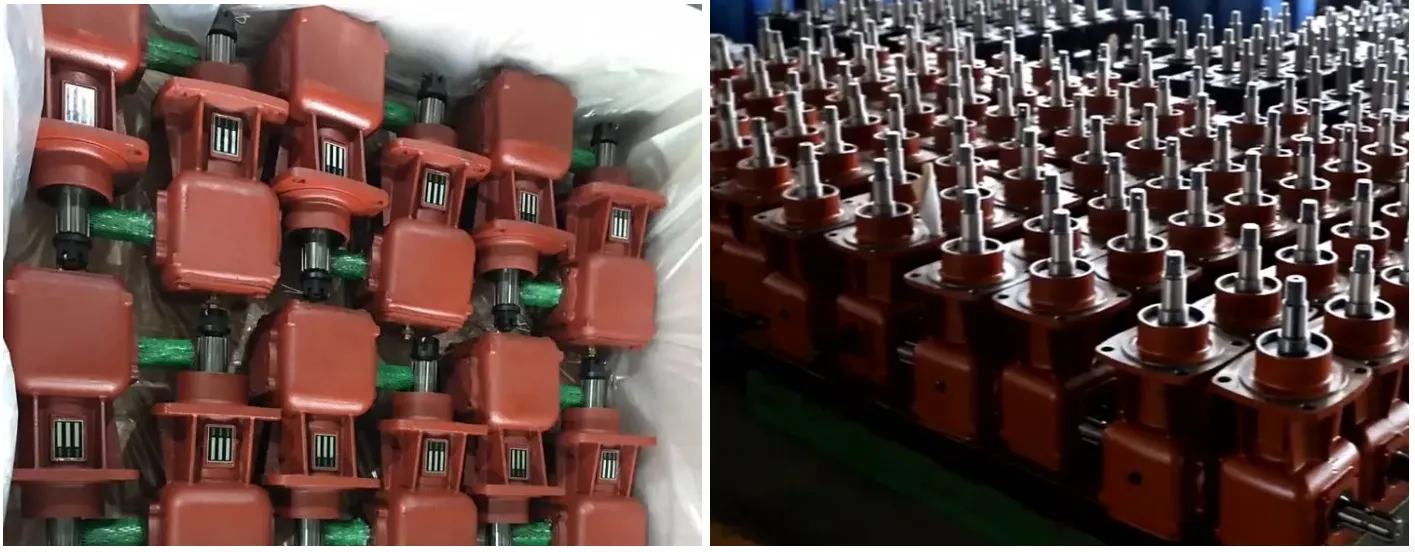
Selecting our gearboxes means accessing proven durability in real vineyard conditions, with field-tested torque handling for Argentine slopes. Our one-stop supply for accessories streamlines your procurement, saving time and costs. Compatibility with regional brands ensures seamless integration.
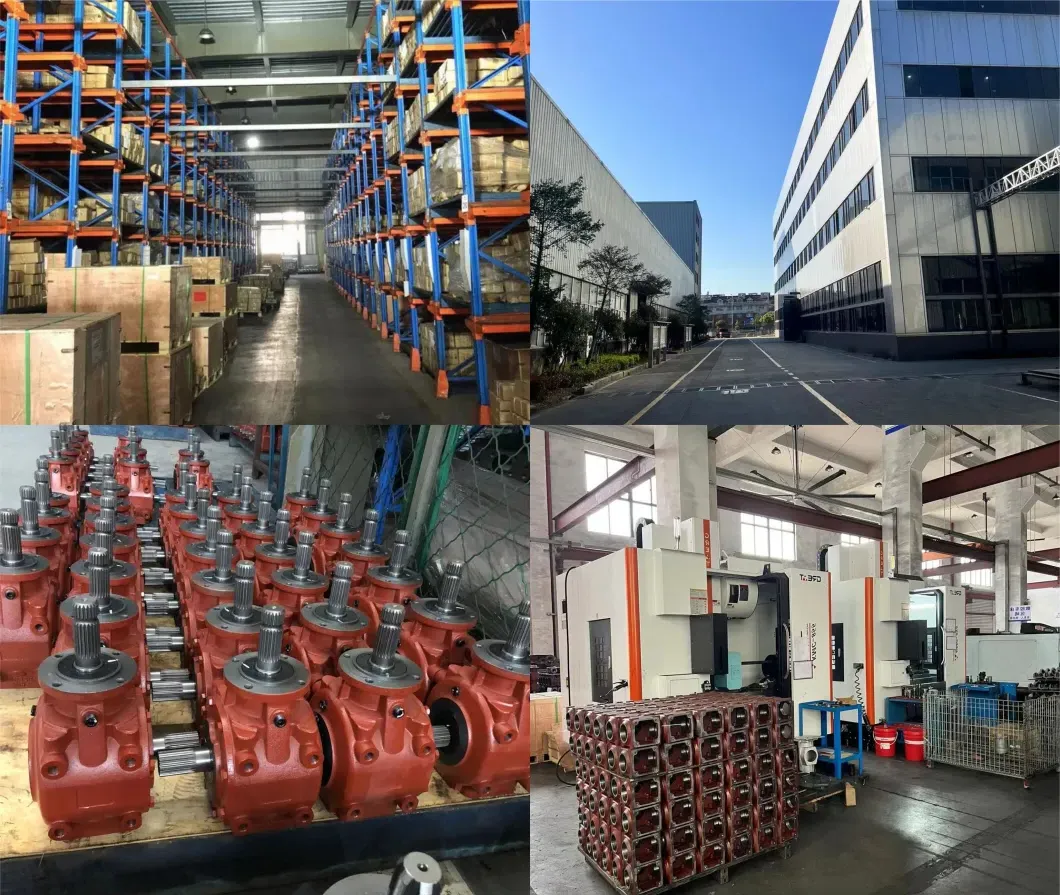
Compliance with local standards builds trust. For detailed quotes on grape harvester PTO gearboxes, inquire about custom solutions today. Explore our full range at the agricultural transmission homepage for more options. Ready to upgrade your fleet? Request a procurement consultation.
Working Principle
The gearbox operates by receiving input from the tractor PTO at 540 RPM, using bevel gears to redirect power 90 degrees to the harvester’s tunnel. Helical gears then reduce speed to 300 RPM while boosting torque for shaker rods. This principle ensures efficient grape detachment.
Internal lubrication circulates oil to bearings, cooling components under load. Overload mechanisms shear if torque exceeds limits, protecting the system. In operation, this maintains sync between machine speed and vine interaction.
For conveyors, secondary outputs provide consistent power. The design minimizes backlash for precise control. This reliability is key in variable vineyard conditions.
Testing confirms smooth transitions. The principle supports high-throughput harvesting. Understanding it aids in maintenance planning.
In Argentina, adaptations for dust enhance longevity. Overall, the mechanics deliver consistent performance.
B2B users appreciate the simplicity for integrations.
Key Features and Advantages
Modular design allows quick part swaps, reducing downtime to under 30 minutes. High efficiency of 97% cuts fuel use in long sessions. Robust construction with 20CrMnTi gears withstands 10,000 hours of operation.
Advantages include low vibration for operator comfort, complying with safety norms. Compatibility with multiple brands simplifies upgrades. These traits boost productivity in vineyards.
- Torque amplification for heavy loads.
- Sealed for environmental protection.
- Adjustable for crop variations.
Lightweight yet durable, aiding machine agility. Advantages extend to cost savings over time.
In competitive markets, these features stand out. For Argentine users, they address local challenges effectively.
Overall, the combination offers value for investment.
Application Cases in Key Regions
In Argentina’s Mendoza, a 500-hectare vineyard used the gearbox in Braud harvesters, achieving 15 tons/hour throughput without failures during March peak. The unit’s torque handled slopes, improving efficiency by 25% over previous models.
Brazilian users in Rio Grande do Sul integrated it with Gregoire machines, noting dust resistance in dry harvests. Yield increased 18%, with no leaks after 400 hours. This case highlights adaptability in South American climates.
In Chile’s Maipo Valley, the gearbox replaced stock units in Pellenc harvesters, reducing vibration and vine damage. Operators reported 20% less maintenance, credible from logged data over two seasons.
Uruguayan farms in Canelones saw fuel savings of 12% with ERO models. The compatibility ensured quick install. These real applications demonstrate reliability across regions.
In Argentina’s Salta, it supported high-altitude operations, maintaining performance at 1500m. Cases like these build confidence for B2B adoption.
Overall, the successes in multiple countries underscore practical benefits.
Essential Components and Consumables
Key parts include bevel gears for direction change, critical for straddle design. Consumables like oil seals replace every 500 hours to prevent leaks. Drive chains connect to conveyors, with #60 roller types common.
Bearings, tapered roller models, handle radial loads. Sprockets with 40 teeth drive auxiliaries. These components ensure smooth function in harvesters.
Hydraulic couplings link to controls. Easy-wear items like shear pins protect against overloads. Maintaining these extends gearbox life.
For Argentine use, dust filters are vital add-ons. The array supports comprehensive repairs.
Transmission belts for blowers wear over time. Sourcing matched parts simplifies upkeep.
B2B kits include these for convenience.
Unique Characteristics of Straddle Grape Harvesting
The straddle design allows row navigation without ground contact, preserving soil structure in vineyards. Characteristics include adjustable tunnel widths for vine spacings of 1.5-3m, common in Argentina. Gentle shaking at 200-400 cycles/min minimizes berry loss.
High clearance handles uneven terrain. Onboard cleaning systems remove leaves. These traits suit intensive grape production.
Automation levels vary, with GPS for precision. In Mendoza, night harvesting capabilities extend seasons. The setup demands reliable gearboxes.
Capacity up to 20 tons/hour for large operations. Characteristics emphasize efficiency and quality preservation.
For export-focused farms, low damage rates are key. The design optimizes labor use.
Overall, these features define modern viticulture.
Frequently Asked Questions
What is the typical lifespan of these gearboxes in vineyard use? Under normal conditions, they last 8-10 years with 500-hour maintenance, based on Argentine field records.
How do they handle steep terrains? With torque reserves and low backlash, they maintain power on 20-degree slopes without slippage.
Are custom ratios available? Yes, adjustable from 1:1.2 to 1:3.5 to suit specific grape varieties and machine speeds.
What lubrication is recommended? EP gear oil changed every 500 hours to ensure optimal performance in dusty environments.
Do they comply with South American regulations? Fully, meeting IRAM and INMETRO for safety and environmental standards.