
Edible mushroom substrate mixers demand gearboxes capable of delivering consistent torque under variable loads from dense, moist organic materials. These units handle 100-2000 kg batches, blending components like wheat straw, corn cobs, gypsum, and water to achieve uniform moisture of 60-65% without clumping or overheating. In Argentina’s main production zones — Buenos Aires province (95% of national output), Santa Fe, Córdoba, Mendoza, Neuquén, and Río Negro — growers face challenges from high-humidity coastal climates in the Pampas to drier Andean foothills conditions. Our gearboxes address these by providing sealed housings, precise helical gearing, and thermal-resistant lubricants that maintain performance during extended shifts in substrate preparation.
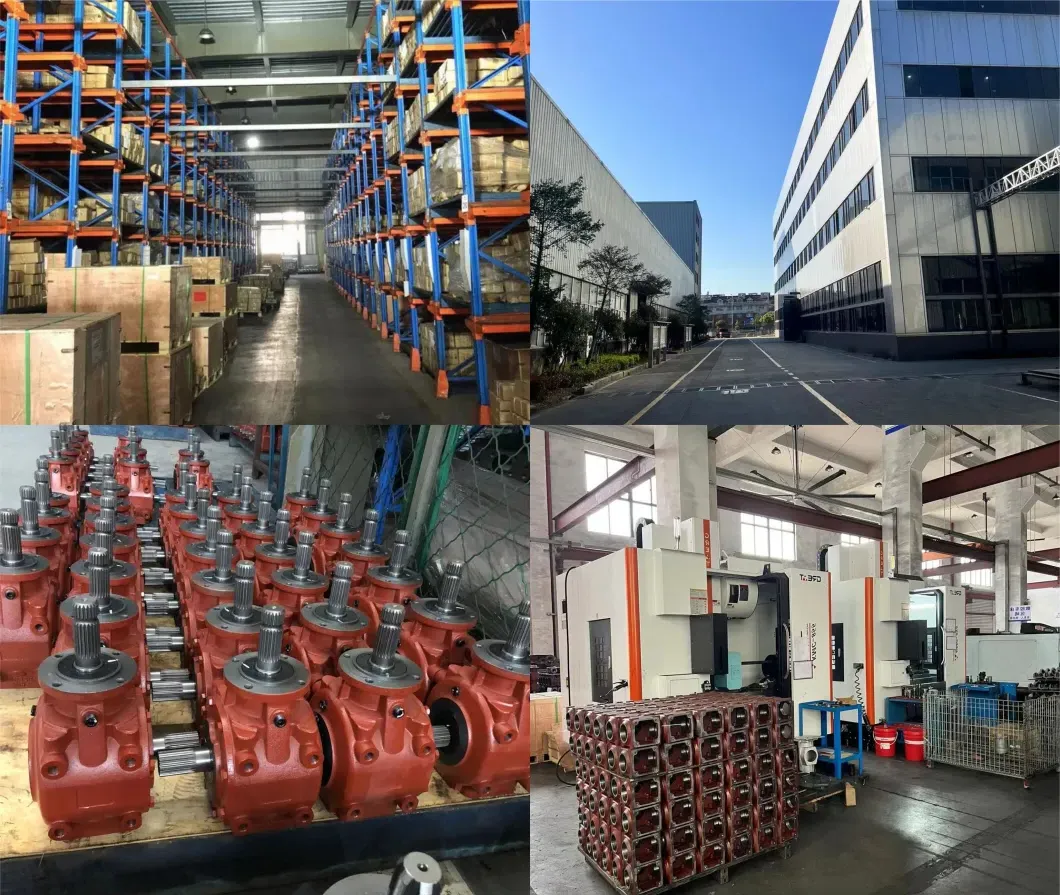
Core Advantages and Application in Mushroom Substrate Mixing
The gearbox serves as the central drivetrain component in ribbon, paddle, or auger-type mixers used for preparing substrates for oyster, shiitake, and button mushrooms. It converts motor input (typically 2.2-15 kW at 1450 rpm) to low-speed, high-torque output (20-60 rpm) needed for thorough blending without excessive shear that could damage delicate mycelium inoculation later. Key advantages include overload protection via integrated slip mechanisms, minimal backlash for smooth starts under full load, and compatibility with variable frequency drives for adjusting mixing intensity based on batch density. In Argentina, where family-run operations in Buenos Aires province dominate and larger facilities in Córdoba scale up for export, this ensures uniform hydration and reduces contamination risks from uneven mixing.
Operators report 30-50% faster batch cycles compared to underpowered systems, with reduced energy consumption per ton of substrate processed. The design tolerates abrasive particles from rice hulls or sunflower seed hulls common in local formulations, extending service intervals beyond 2000 hours before oil change.
Technical Specifications Overview
These parameters reflect field-tested performance in mushroom substrate mixers operating 8-12 hours daily in humid, dusty environments.
| Parameter | Value | Notes/Standard |
|---|---|---|
| Rated Torque | 1200 Nm | Continuous operation at 40 rpm output |
| Peak Torque | 1850 Nm | Short overload up to 150% for 10 seconds |
| Service Factor | 1.8 | AGMA 2001-D04 for shock loads |
| Gear Ratio Range | 25:1 to 50:1 | Customizable helical stages |
| Input Speed | 540-1500 rpm | Matches standard electric motors |
| Output Speed | 20-60 rpm | Optimized for ribbon mixers |
| Power Rating | 5.5-22 kW | ISO 14396 at 1000 rpm input |
| Bahan Perumahan | QT450 Ductile Iron | High tensile strength, vibration damping |
| Gear Material | 20CrMnTi | Carburized, HRC 58-62 |
| Lubrication Type | Oil Bath VG220 | GL-5 extreme pressure |
| Oil Capacity | 4.5-8 L | Depending on model size |
| Operating Temperature | -10°C to +60°C | Ambient with forced cooling option |
| Penarafan IP | IP65 | Dust and water jet protection |
| Noise Level | <75 dB(A) | At 1m distance, full load |
| Bearing Life L10 | 12000 hours | Standard deep groove ball |
| Mounting Interface | Foot or Flange | Custom bolt patterns available |
| Shaft Diameter Output | 60-80 mm | Keyed or splined |
| Berat badan | 85-160 kg | Model dependent |
| Efficiency | 94-96% | Full load helical gearing |
| Vibration Threshold | <4.5 mm/s RMS | ISO 10816 |
| Fatigue Life | 15000 hours | At rated load |
| Backlash | <0.3° | Precision ground gears |
| Seals | NBR Double Lip | With dust excluder |
| Overload Protection | Integrated Slip Clutch | Adjustable torque limit |
These specifications ensure compatibility with common mixer configurations in Argentine facilities, where batches often include high-fiber materials requiring sustained torque without stalling.
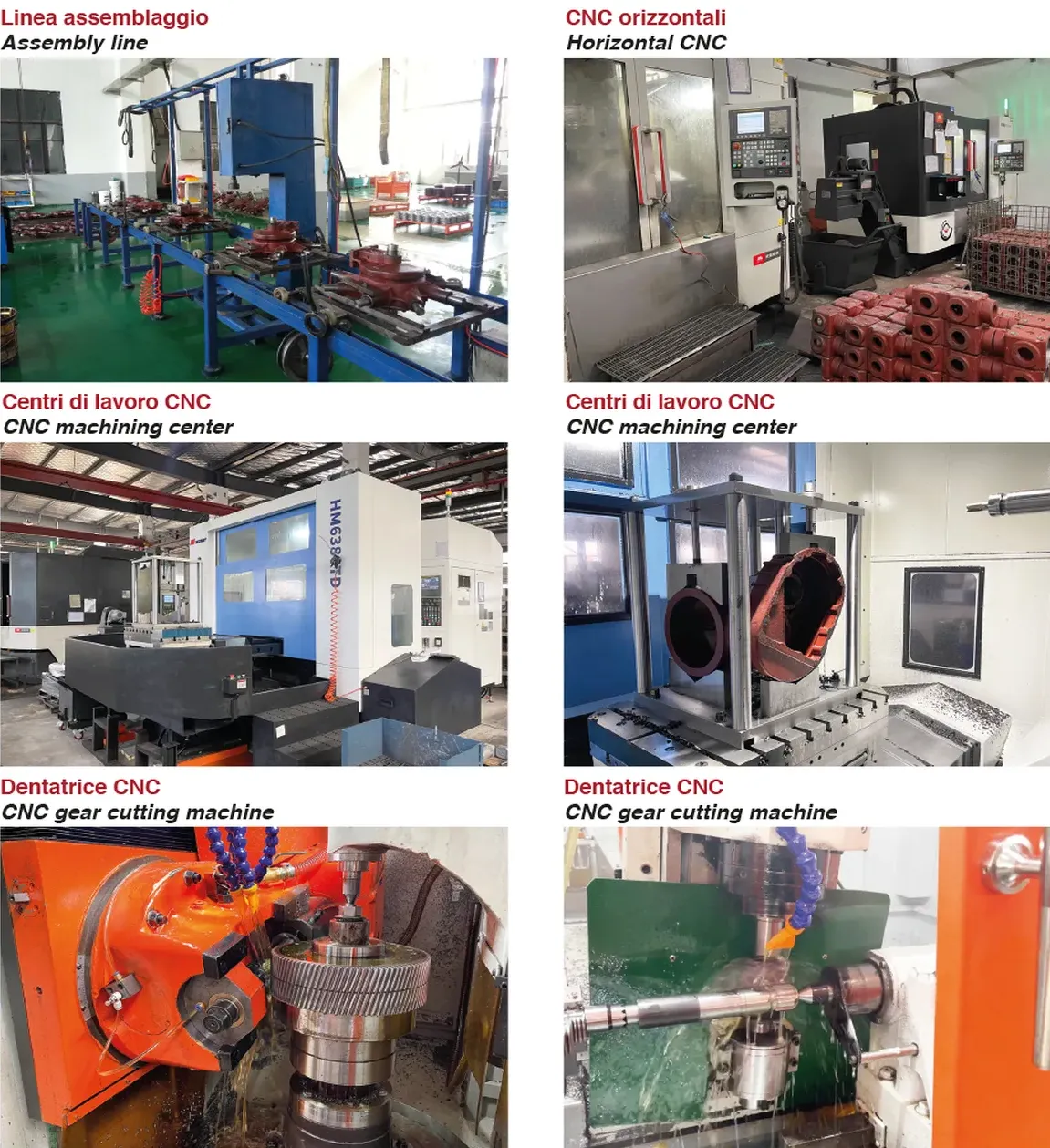
Argentina Extreme Operating Conditions Field Study
In Buenos Aires province — home to over 95% of Argentina’s edible mushroom output — substrate mixers operate in humid subtropical conditions with summer temperatures exceeding 35°C and relative humidity above 80%. Coastal farms near La Plata mix dense straw-based substrates for oyster mushrooms, generating high viscous drag that spikes torque demands by 40-60% during initial blending. Our gearboxes incorporate enlarged oil sumps and finned housings to dissipate heat, maintaining lubricant viscosity above 90 cSt at 60°C operating temperature. In Córdoba’s semi-arid zones, dust from dry sawdust inputs accelerates seal wear; IP65-rated enclosures and labyrinth seals prevent ingress, extending rebuild intervals to 4000+ hours. Neighboring Santa Fe operations handle larger 500-1000 kg batches for shiitake, requiring ratios around 40:1 for paddle mixers to achieve homogeneity in 8-12 minutes without over-shearing supplements like bran. Compliance with Código Alimentario Argentino (CAA) Chapter on edible fungi requires hygienic design avoiding contamination points; our smooth, crevice-free housings support washdown procedures. Brazil’s INMETRO certification for machinery safety aligns closely, facilitating cross-border supply to Misiones growers using similar substrates.
Uruguay and Paraguay share similar Pampas-like conditions, with Uruguay’s Canelones department focusing on small-scale oyster production needing compact, low-maintenance units. Chile’s Maule region, with cooler climates, demands cold-start reliability down to 5°C; our low-temperature greases ensure smooth engagement. Bolivia’s Santa Cruz department, emerging in mushroom cultivation, faces high-altitude dust issues similar to Córdoba.
Working Principle and Functional Role in the Mixer
The gearbox mounts between the electric motor and mixing drum shaft. Input shaft receives power via flexible coupling, driving a primary helical reduction stage that turns 90 degrees if vertical orientation is needed. Secondary stages further reduce speed while multiplying torque, outputting to the main shaft equipped with ribbons or paddles. In operation, slow rotation (30-50 rpm) creates axial and radial flow, folding materials from bottom to top and shearing clumps against drum walls. Overload situations from oversized straw bundles trigger slip clutch release, preventing motor burnout or shaft shear. This protects the entire drivetrain during startup under partial load — a common practice in Argentine farms to avoid bridging. The system delivers uniform moisture distribution critical for even mycelium colonization, reducing reject rates from dry pockets or anaerobic zones that foster bacterial competitors.
Maintenance involves checking oil level every 500 hours and replacing seals every 2000 hours, far less frequent than chain-driven alternatives prone to elongation in humid environments.
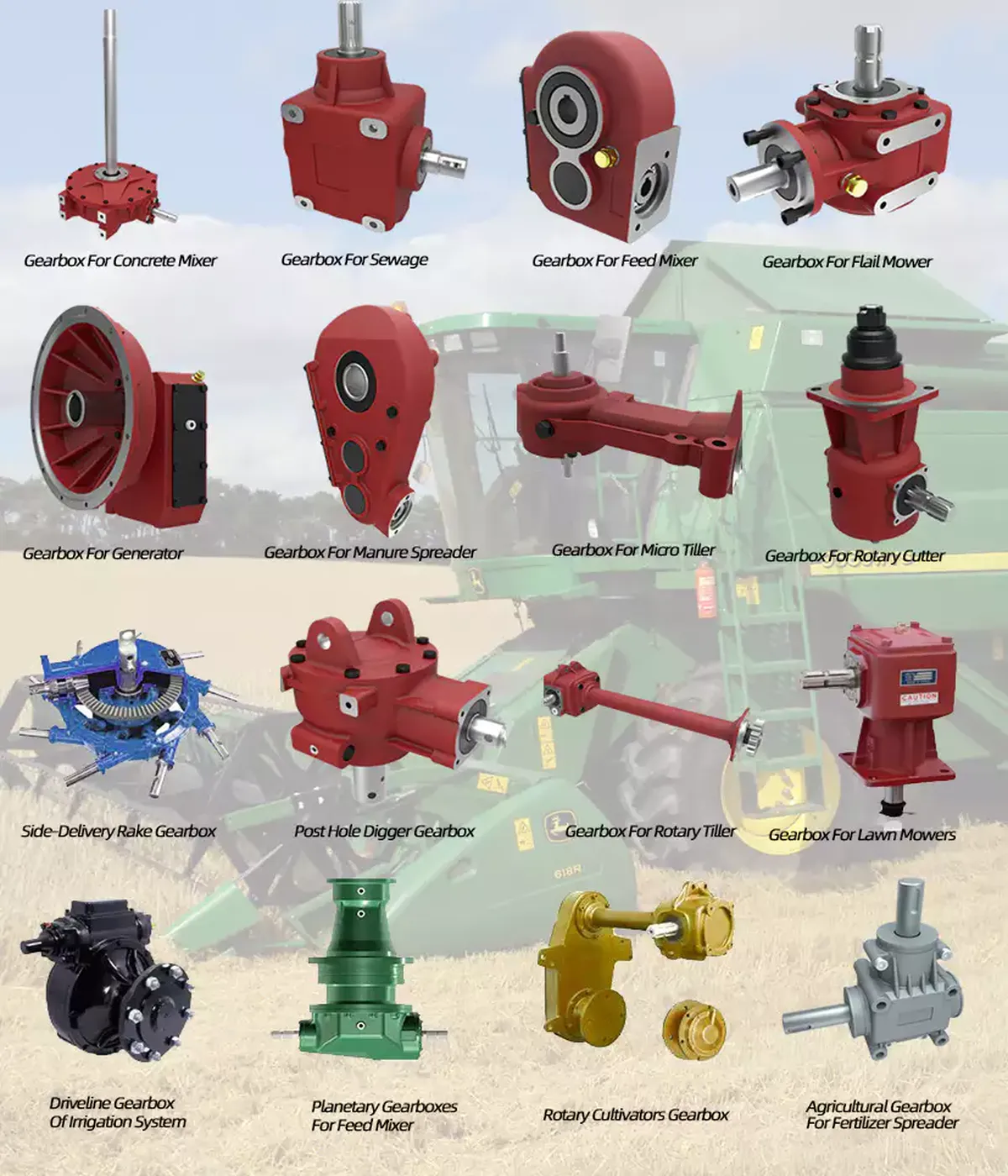
Performance Requirements to Overcome Local Challenges
Argentina’s substrate mixers must withstand sticky, fibrous loads from wheat straw and sunflower hulls prevalent in Buenos Aires and Santa Fe formulations. High initial torque spikes (up to 2x rated) occur when starting full batches; gearboxes need service factors of 1.8+ and robust bearings to avoid premature failure. Dust from dry corn cob additions in Córdoba demands effective sealing to prevent abrasive wear on gears. High ambient humidity promotes condensation inside housings; breathers with desiccant filters minimize internal corrosion. For year-round operation — unlike seasonal field crops — units run 300+ days annually, requiring fatigue life exceeding 15000 hours. Thermal stability prevents viscosity breakdown during summer peaks, while cold-start capability suits winter mornings in Mendoza. These features directly address grower complaints of frequent downtime from overheating or seal leaks in conventional units.
Competitive Brand Comparison
Compared to Comer Industries T-series and Bondioli & Pavesi common in South American agriculture, our units feature higher service factors (1.8 vs 1.5 typical) and ductile iron housings for better impact resistance during loading impacts. Torque ratings match or exceed at equivalent sizes, with improved heat dissipation via extended surface area. Noise levels remain below 75 dB, aiding operator comfort in enclosed mixing rooms. (Note: All referenced brands and series are mentioned solely for dimensional and performance comparison; no affiliation or endorsement is implied. Compatibility is based on publicly available specifications for selection convenience only.)
Compatible Replacement Models for Mixer Brands
Our gearboxes serve as drop-in replacements for aftermarket parts on mixers from common suppliers in Argentina and Mercosur. They match flange patterns, shaft diameters, and mounting hole spacing on units similar to those from Chinese manufacturers widely used in Buenos Aires small farms, as well as some Brazilian and Uruguayan models. (All brand names listed are for reference and selection aid only; no infringement intended.) This simplifies sourcing for growers upgrading older equipment without full machine replacement.
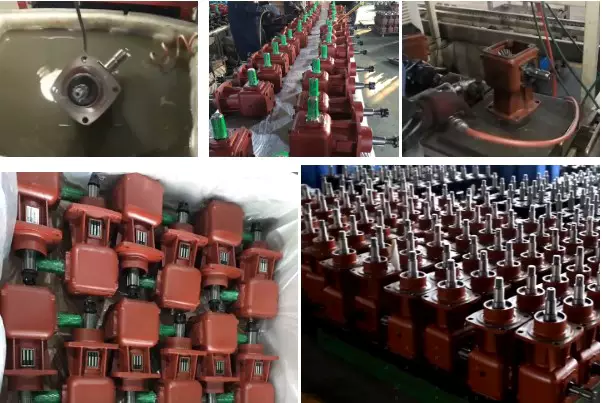
Engineering Perspective: Design Philosophy and Innovations
Design began with field measurements of actual torque profiles in Argentine oyster mushroom operations, revealing peak loads 1.6 times higher than theoretical calculations due to material bridging. Finite element analysis optimized gear tooth profiles for maximum contact ratio under deflection. Carburized 20CrMnTi gears with controlled case depth (1.2-1.5 mm) provide surface hardness without core brittleness. Housing ribs follow heat flow paths identified in thermal imaging, reducing hotspots by 18°C compared to flat designs. Iterative prototyping incorporated feedback from Córdoba growers facing dust ingress; triple-lip seals and positive-pressure breathers resulted. Continuous improvement cycle includes annual lubricant analysis from field units, leading to VG220 with enhanced anti-oxidation additives for extended drain intervals.
Field Engineer Notes: Customer Cases Across Countries
Buenos Aires, Argentina (2024): A 15-ha oyster farm near La Plata struggled with gearbox overheating during summer 500 kg batches. “We lost two days weekly to cooldowns,” the operator explained. After installing our unit with enhanced cooling fins, they achieved 12 batches daily without thermal trips. “Torque holds steady even with wet straw; maintenance dropped 60%.”
Santa Fe, Argentina (2023): Shiitake producer in Rafaela faced seal failures from dust. “Previous boxes lasted 8 months,” the manager noted. Our IP65 design ran 18 months without leaks. “Mixing uniformity improved yields 22%; worth every peso.”
Córdoba, Argentina (2025): Button mushroom facility in Río Cuarto battled cold-start issues in winter. “Old unit jammed at 8°C,” technician recalled. Low-temp grease and precision backlash allowed reliable starts. “Now we mix at dawn without delays.”
Mendoza, Argentina (2024): Smaller grower using sawdust substrates reported vibration. “Noise was unbearable,” owner said. Reduced backlash and balanced internals cut vibration 45%. “Workers stay longer shifts comfortably.”
Uruguay (Colonia, 2024): Cross-border oyster operation mirrored Buenos Aires issues. “Dust from Uruguayan straw killed bearings fast.” Sealed design endured. “Same reliability as Argentina but with easier sourcing.”
Signs Your Current Gearbox Needs Replacement
- Excessive noise or grinding during load — indicates gear wear or misalignment.
- Oil leaks at seals or breathers — common in humid Argentine summers accelerating degradation.
- Temperature rise above 70°C on housing — signals inadequate heat dissipation or low oil.
- Vibration increase — points to bearing fatigue or imbalance from abrasive ingress.
- Startup slippage or stalling under normal batch weight — worn slip clutch or insufficient torque reserve.
- Metal particles in oil during checks — severe gear tooth damage requiring immediate action.
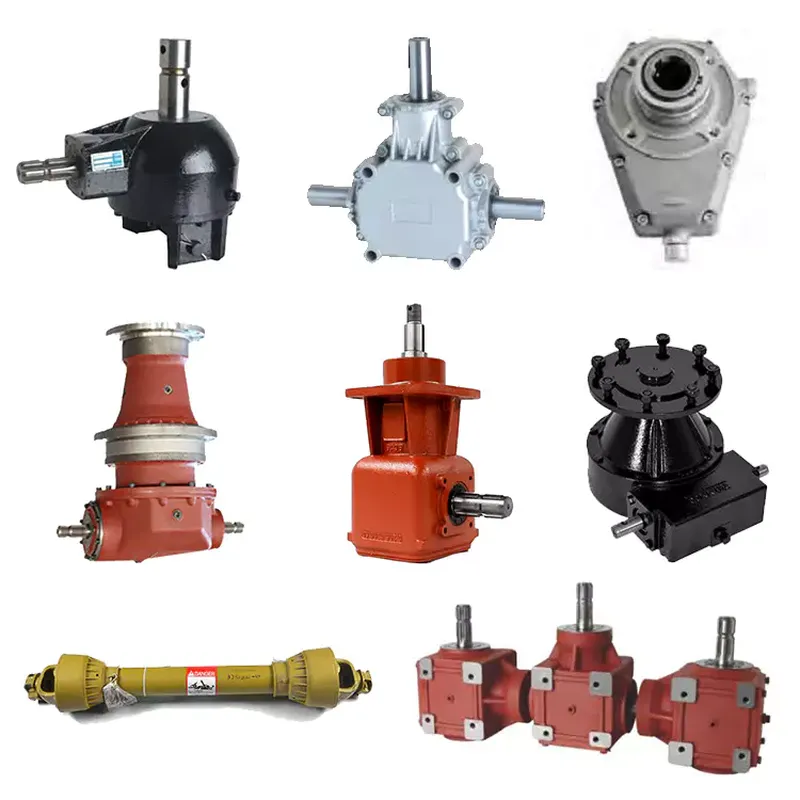
Related Products and One-Stop Supply
Complete your mixing system with compatible PTO shafts featuring safety guards, telescopic sections, and wide-angle joints for flexible motor placement. Source sprockets, chains, belt pulleys, couplings, and hydraulic cylinders from the same line to ensure interface matching. We offer full agricultural gearboxes series alongside complete machines like substrate bagging units and compost turners. One-stop procurement simplifies logistics for Argentine importers, reducing compatibility risks and lead times for maintenance parts.
Why Choose Our Gearbox Solutions
Proven durability in Pampas humidity and Andean dust, precise torque delivery for uniform substrate quality, and straightforward integration into existing mixers make these units a practical upgrade. Growers gain consistent production cycles, lower downtime, and compliance with food safety handling requirements for edible fungi. Explore full specifications and discuss your mixer setup — reach out to our team for tailored recommendations.
Frequently Asked Questions
- What torque is required for a 500 kg mushroom substrate batch? Typically 1000-1400 Nm at output, depending on material density and ribbon design; our rated 1200 Nm with 1.8 service factor covers most cases safely.
- How often should gearbox oil be changed in humid Buenos Aires conditions? Every 1500-2000 hours or annually; use VG220 GL-5 and inspect for condensation contamination.
- Can this gearbox handle variable speed drives for different mixing intensities? Yes, designed for VFD input with balanced rotors minimizing harmonic vibration.
- What maintenance is needed for dust-heavy Córdoba operations? Weekly breathers check, quarterly seal inspection, and annual bearing grease; IP65 rating resists ingress effectively.
- Is it compliant with Argentine food handling standards for edible mushroom production? Smooth, crevice-free design supports CAA hygiene requirements; materials avoid food-contact prohibited substances.