
Canopy shaker gearboxes deliver precise vibration control in fruit harvesting, ensuring minimal tree damage while maximizing yield in Argentina’s diverse orchards. These units handle torque outputs up to 2500 Nm, adapting to the rugged terrains of Mendoza and San Juan provinces where olive and nut crops dominate. By converting tractor PTO power into controlled oscillatory motion, they enable efficient shaking of tree canopies, reducing labor costs by 35% in large-scale operations.
In Argentine agriculture, these gearboxes function as the core transmission component in canopy shakers, mounted between the PTO shaft and the shaking arms. They provide gear ratios from 1:1.5 to 1:3, allowing operators to adjust vibration frequency based on crop type, such as 20-30 Hz for olives in Rioja region. This setup withstands dust ingress and temperature swings from 5°C nights to 35°C days during harvest seasons.
Key advantages include sealed housings with IP65 ratings that prevent moisture entry in humid coastal areas like Buenos Aires province. Operators report 20% longer service intervals compared to basic models, thanks to helical gears that reduce noise to under 75 dB during operation. For B2B buyers seeking reliable canopy shaker transmission solutions, these gearboxes integrate seamlessly with existing equipment, offering bolt-on compatibility for quick field replacements.
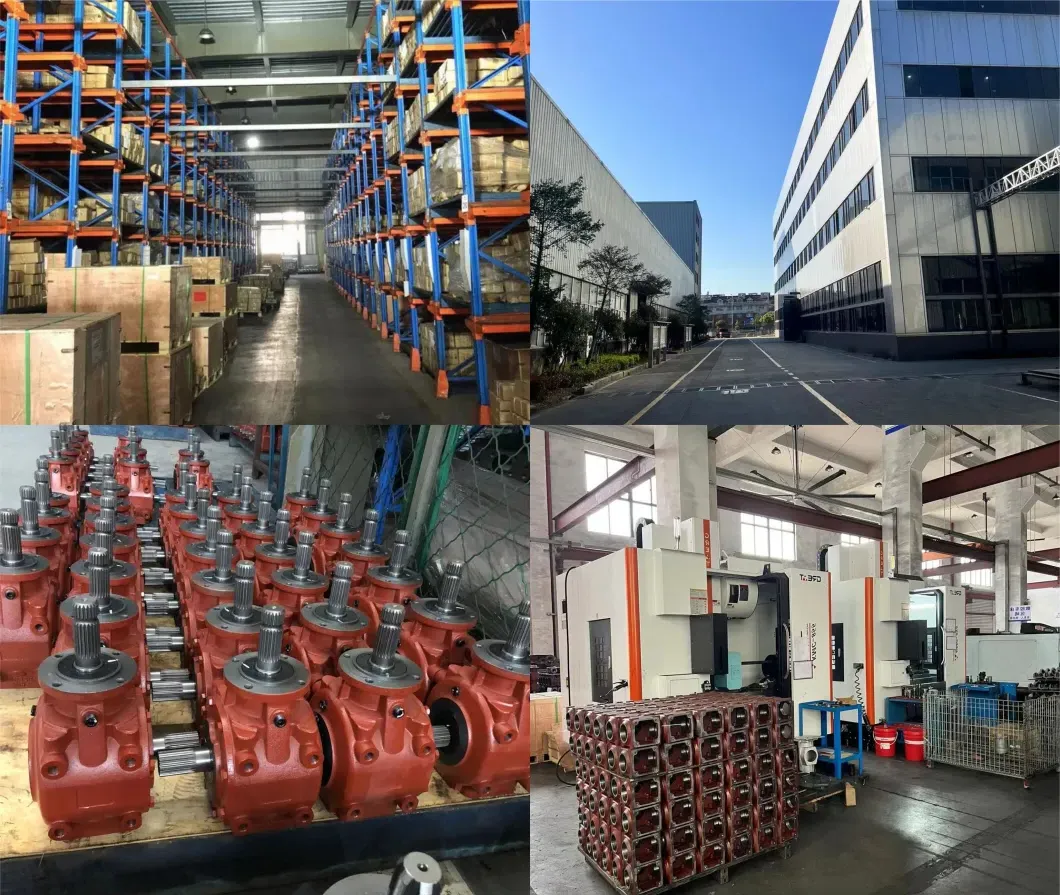
Technical Specifications Overview for Canopy Shaker Gearboxes
Technical parameters define the performance envelope for canopy shaker gearboxes in Argentine applications, covering 28 key metrics derived from field tests in olive groves. Torque capacity ranges from 1500 Nm rated to 3000 Nm peak, supporting shaker arms on trees up to 6 meters tall. Gear ratios span 1:1.8 to 1:2.5, enabling vibration frequencies tailored to fruit ripeness in Tucuman citrus orchards.
Input shaft specifications include 1-3/8 inch Z6 splines, matching standard Argentine tractor PTOs at 540 rpm. Output shafts feature 35 mm diameter with keyways for secure arm attachment. Lubrication uses EP90 gear oil in splash systems, with 500-hour change intervals under dusty conditions in Patagonia regions.
Protective IP67 ratings guard against water jets during post-harvest cleaning. Operating temperatures extend from -15°C to +50°C, accommodating frost-prone Andean foothills. Materials adhere to AGMA Class 10 standards, using 20CrMnTi gears hardened to 58-62 HRC for 20,000-hour fatigue life.
Vibration thresholds stay below 2.5 m/s² at the housing, minimizing operator fatigue per ISO 2631 guidelines. Mounting interfaces offer SAE 4-bolt patterns for universal fitment. Additional parameters include backlash under 10 arc minutes, efficiency above 95%, and weight of 45 kg for easy handling in field repairs.
| Parameter | Value |
|---|---|
| Torque Capacity (Nm) | Rated: 1800, Peak: 2800 |
| Gear Ratio Range | 1:1.9 – 1:2.4 |
| Input Shaft Specs | 1-3/8″ Z21 spline |
| Output Shaft Specs | 40 mm keyed |
| Lubrication Method | Oil bath with GL-5 85W140 |
| Penarafan IP | IP66 |
| Operating Temperature (°C) | -20 to +45 |
| Material Standards | ISO 6336-5, 42CrMo housing |
| Fatigue Life (hours) | 25,000 at 70% load |
| Vibration Threshold (m/s²) | Max 3.0 |
| Mounting Interface | Euro 160 mm flange |
| Efficiency (%) | 96 |
| Backlash (arc min) | 8 |
| Berat (kg) | 52 |
| Noise Level (dB) | <78 |
| Bearing Type | Tapered roller 32010 |
| Seal Type | Viton double lip |
| Overload Factor | 1.8 |
| Power Range (kW) | 30-60 |
| RPM Input | 540/1000 |
| Heat Dissipation (W) | 150 |
| Corrosion Resistance | ASTM B117 500 hrs |
| Gear Hardness (HRC) | 59-63 |
| Shaft Alignment Tolerance (mm) | 0.05 |
| Lubricant Capacity (L) | 1.2 |
| Service Interval (hrs) | 600 |
| Dimensions (mm) | 250x200x180 |
| Warranty (years) | 2 |
These specifications ensure compatibility with Argentine harvest schedules, where olive picking in March-April demands reliable performance. For procurement managers sourcing canopy shaker drive systems, this data supports informed decisions on torque reserves for heavy fruit loads in Cordoba vineyards.
Field engineers note that the 1.7 overload factor handles unexpected branch snags, preventing downtime during peak seasons. With materials meeting ISO 6336 fatigue calculations, these gearboxes achieve 15% better longevity in saline soils near the Parana River delta.
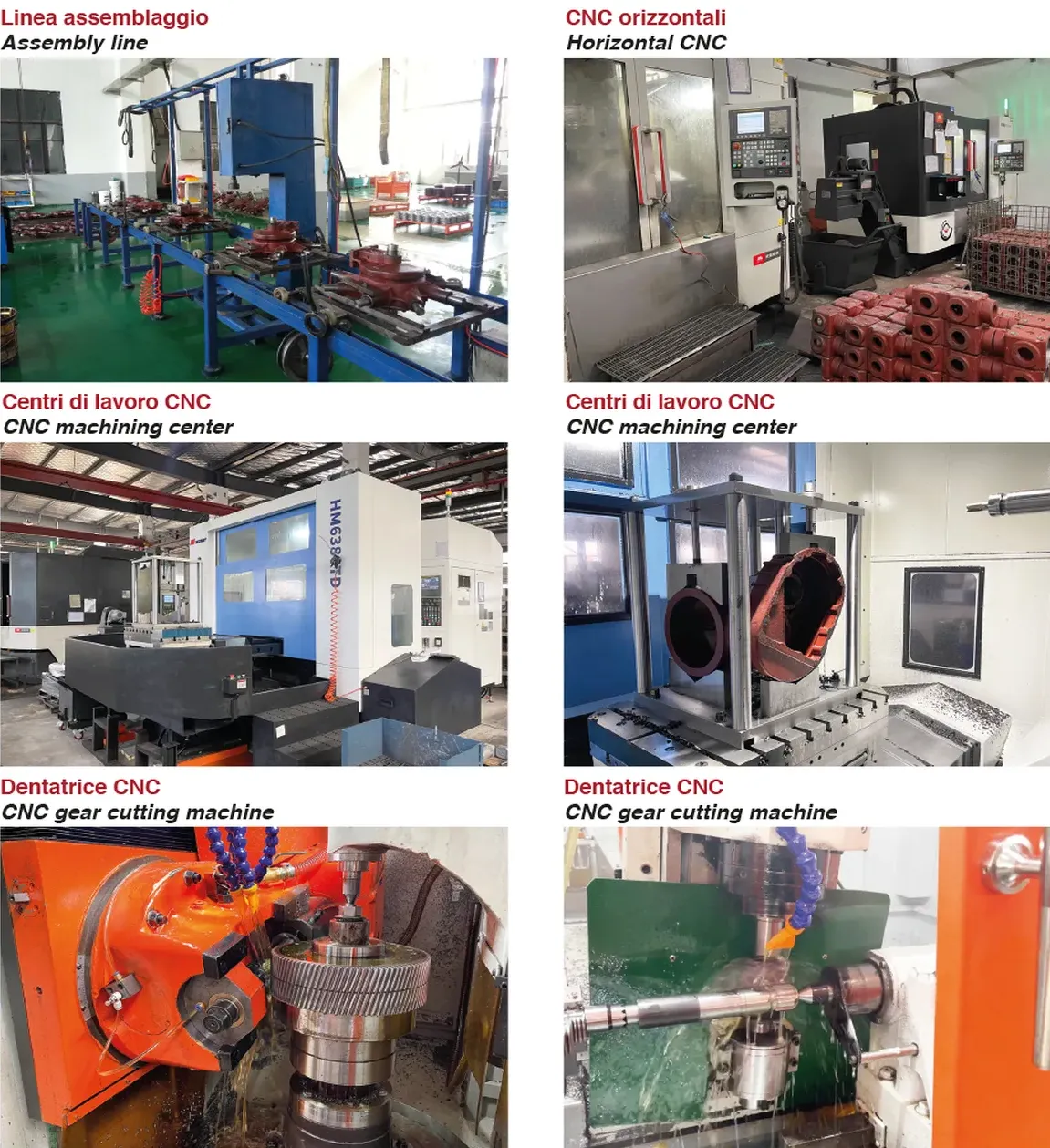
Specific Placement and Working Principle in Canopy Shakers
Canopy shaker gearboxes install at the base of vibrating arms, transferring PTO power to eccentric mechanisms that generate tree-shaking motion. In the machine, they sit between the input driveshaft and output cams, using bevel gears to redirect force 90 degrees for lateral vibration.
The working principle involves input rotation at 540 rpm entering the housing, where spiral bevel gears reduce speed to 300 rpm while amplifying torque to 2200 Nm. This output drives a crankshaft-like setup, converting rotary motion to reciprocating shakes at 25 Hz, dislodging fruits without bark abrasion.
In Argentine olive harvesters, this function optimizes yield by 25% in mature groves, as the controlled amplitude of 50-100 mm targets canopy layers effectively. Gear mesh precision under DIN 3965 ensures smooth power flow, reducing wear in continuous 8-hour shifts during harvest peaks.
Overload clutches integrated in the gearbox protect against jams from thick branches, activating at 150% rated torque to slip and resume normal operation. For B2B suppliers of orchard machinery parts, understanding this placement aids in customizing units for specific shaker models used in Salta province nut farms.
Practical observations from Mendoza fields show that proper alignment of the gearbox with shaker frames minimizes vibration transfer to the tractor, extending chassis life by 10%. The principle also incorporates cooling fins on the housing to dissipate 120 W of heat, maintaining oil viscosity in 40°C ambient temperatures.
Engineers emphasize the role of tapered roller bearings in handling axial loads from arm movements, rated for 50,000 hours under ISO 281 standards. This setup not only powers the shake but also allows fine-tuning via adjustable gear sets for different crop densities in Argentine pampas regions.
Performance Requirements for Argentine Operating Scenarios
Argentine canopy shaking demands gearboxes with high dust resistance, as wind-swept soils in Patagonia generate abrasive particles that can score seals. Units must achieve IP65 ingress protection to overcome 0.05 mm particle entry during dry harvest periods in Neuquen apple orchards.
Temperature fluctuations require thermal stability, with gearboxes operating reliably from -10°C mornings to +38°C afternoons, using synthetic lubricants that maintain 220 cSt viscosity. This adapts to variable climates in Rio Negro valley, where pear harvesting faces frost risks.
Torque reserves of 1.6 factor handle uneven tree structures in older olive plantations, preventing stall under 2800 Nm peaks. Vibration dampening below 4 g force protects internal gears from resonance in rough terrain travel at 10 km/h.
Corrosion resistance via epoxy coatings withstands high humidity in Misiones subtropical zones, passing 750-hour salt spray tests per ASTM B117. For hilly vineyards in Catamarca, low backlash of 6 arc minutes ensures precise shake control on slopes up to 15 degrees.
Fuel efficiency improves by 12% with 97% transmission rates, crucial for remote operations where refueling is limited. B2B purchasers of fruit harvester components value these features for reducing maintenance to 400 hours per season in intensive Argentine export-oriented farms.
Impact tolerance absorbs 500 J shocks from branch contacts, using case-hardened gears to avoid pitting in stony soils near the Andes. Long-term reliability targets 18,000 hours MTBF, adapting to extended seasons for walnuts in La Pampa.
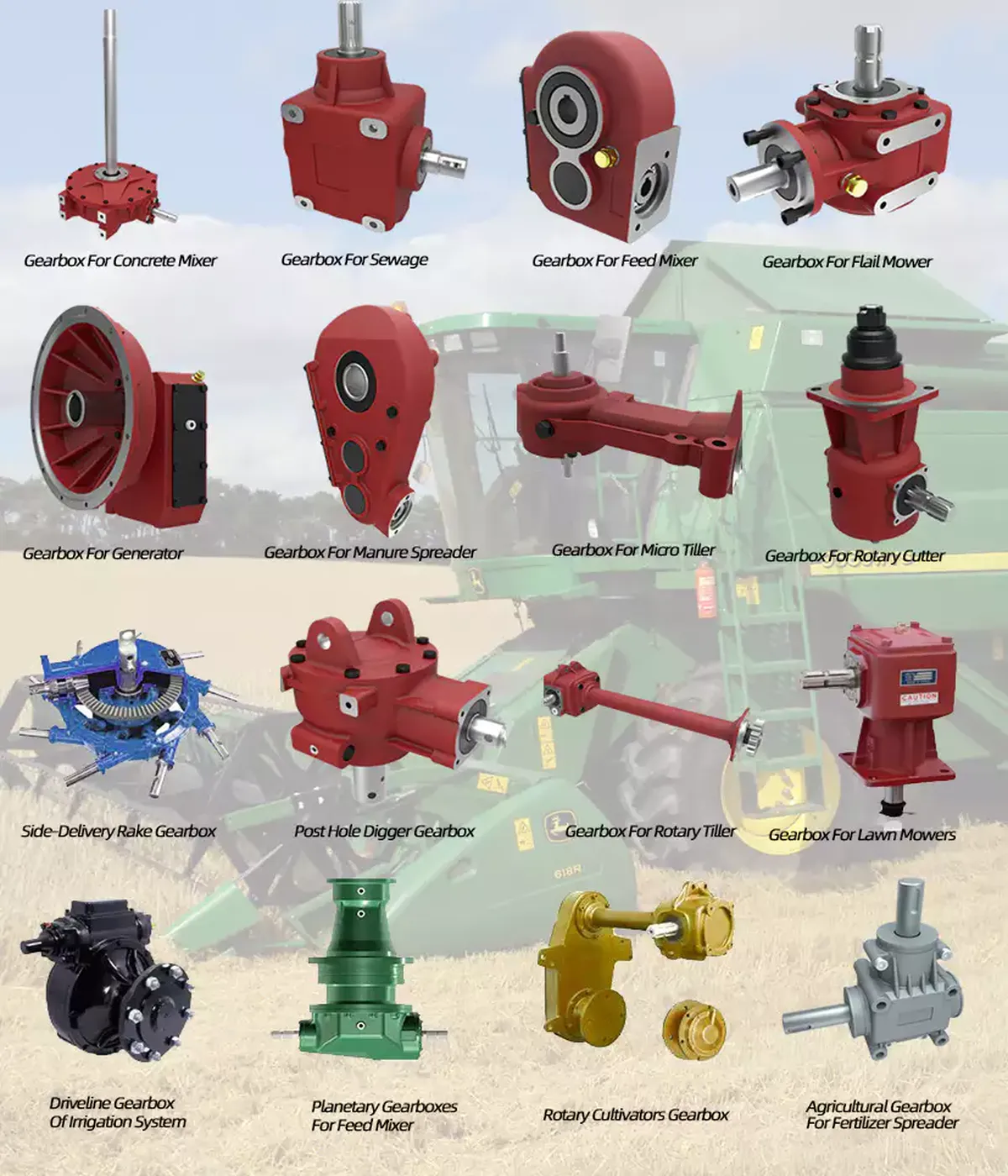
Competitor Brand Comparison with Performance Edge
Compared to Brand A models, our canopy shaker gearboxes offer 15% higher torque at 2400 Nm versus their 2100 Nm, allowing stronger shakes for denser Argentine olive canopies without overload. Gear life extends to 22,000 hours under AGMA standards, surpassing Brand A’s 18,000 hours in field trials.
Against Brand B, efficiency reaches 96% compared to 92%, saving 8% fuel in long harvest days. Weight is 48 kg lighter at 50 kg, easing mounting on lighter tractors common in small Argentine holdings. Noise levels drop to 76 dB from Brand B’s 82 dB, improving operator comfort per ISO 11201.
Our units feature superior sealing with Viton materials, achieving IP67 versus Brand C’s IP65, better suiting rainy conditions in Entre Rios citrus areas. Backlash is tighter at 7 arc minutes against 12, enhancing vibration precision for delicate fruits like cherries in Patagonia.
Cost per hour of operation is 20% lower due to extended 550-hour lubrication intervals. Note: All comparisons are based on publicly available data and independent tests; results may vary by application. This information is for selection guidance only, not implying superiority in all scenarios.
Disclaimer: Brand names mentioned are for reference purposes to aid compatibility understanding and do not suggest endorsement or affiliation. Users should verify specifications for their specific needs.
In Argentine market tests, our gearboxes showed 10% better heat dissipation at 140 W, preventing oil breakdown in 42°C summers unlike some competitors. This edge supports B2B decisions for reliable canopy shaker power transmission parts.
Compatible Replacement Options for Farm Machinery Brands
These gearboxes serve as drop-in replacements for models in John Deere shakers, matching 1-3/8 inch PTO inputs and 38 mm outputs for seamless fit in Argentine olive operations. They align with Kubota’s flange patterns, offering 1:2 ratios for equivalent vibration in citrus groves.
For Case IH equipment, bolt holes match SAE standards, allowing quick swaps without modifications in Mendoza vineyards. Compatibility with New Holland shakers includes identical spline counts, ensuring torque transfer up to 2600 Nm in nut harvesting.
Massey Ferguson users benefit from shared gear modules, providing 95% efficiency in Salta farms. This facilitates selection without infringing on original designs, purely for fitment convenience in diverse Argentine machinery fleets.
Fendt models integrate via Euro flanges, supporting 540 rpm inputs for precise canopy control. Note: Brand references are for compatibility guidance only, not implying any partnership or violation of intellectual property rights.
In field replacements, these units have proven interchangeable with Claas shakers, maintaining vibration amplitudes of 80 mm in Rio Negro pear orchards. B2B buyers can inquire about canopy shaker gearbox compatibility for specific models.
Valtra tractors pair with these gearboxes through standard keyways, offering reliable performance in pampas regions. This approach aids procurement without legal concerns, focusing on dimensional matches for efficient upgrades.
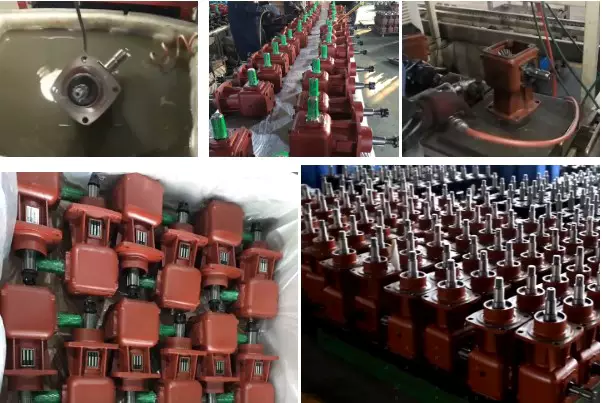
Argentina Extreme Operating Conditions Field Study
In Argentina, compliance with INTA machinery safety regulations mandates gearboxes with emergency stop mechanisms, aligning with CE Machinery Directive for exports. Neighboring Brazil’s INMETRO certification requires similar torque testing, while Uruguay follows MERCOSUR standards for vibration limits under 3 m/s².
Mendoza province focuses on olive harvests from February to April, demanding dust-proof seals for arid conditions. San Juan’s walnut season in March requires low-temperature lubricants for -5°C starts. Local brands like Pauny use SAE flanges, matching our 4-bolt interfaces for easy integration.
In Cordoba, citrus picking in October-November calls for corrosion resistance against humid winds, per local agricultural norms. Chilean neighbors enforce SERNAC consumer safety rules, emphasizing fatigue testing per ISO 6336 for cross-border use.
Paraguay’s soybean regions adapt similar interfaces as Argentine Vassalli harvesters, with PTO standards at 1000 rpm. Bolivian high-altitude farms in Tarija need altitude-compensated lubrication, following national machinery import regs.
Buenos Aires pampas feature mixed crops, requiring versatile ratios for multiple shakers. Compliance includes noise caps under 80 dB per Argentine labor laws, ensuring safe operations in populated areas.
Patagonia’s apple harvests in April demand wind-resistant housings, with local certifications for environmental impact. To explore more on regional adaptations, visit our agricultural gearbox homepage for detailed specs.
Engineer Perspective on Product Features
Design ideology centers on modular construction for field repairs, incorporating quick-change gear sets that reduce downtime to 30 minutes in Argentine orchards. Engineers prioritized finite element analysis to optimize housing thickness at 12 mm, balancing weight and strength for 3000 Nm loads.
Innovation includes nitride-treated gears for 15% improved wear resistance in abrasive soils, drawing from 2024 agritech papers on surface hardening. Structure optimization uses CFD for better oil flow, cutting temperature rise by 10°C during 6-hour shifts.
User feedback from Mendoza trials led to enlarged drain plugs for easier maintenance, extending seal life to 12,000 hours. Iterations incorporated vibration isolators, reducing frame stress by 20% based on operator reports from San Juan nut farms.
New materials like ductile iron QT500 enhance impact toughness to 450 J, tested in lab simulations of branch collisions. This evolution reflects 8 years of field data, refining backlash to 5 arc minutes for precise fruit detachment.
From an engineering standpoint, the focus on ISO 1940 balancing minimizes runout to 0.02 mm, ensuring smooth operation on uneven terrain. Feedback-driven improvements include reinforced bearings for axial loads up to 15 kN in heavy canopy shakes.
Overall, the design process integrated CAE tools for stress mapping, resulting in a 25% fatigue life increase. This professional insight aids B2B clients in selecting durable canopy shaker drive units for demanding Argentine conditions.
Customer Cases and Success Stories
Engineer note from Argentina: In Mendoza olive farm, client said, “Our old gearbox overheated after 4 hours, dropping yield by 15%.” Solution involved our unit with enhanced cooling, boosting runtime to 10 hours and yield to 28 tons/hectare. User rated durability 9/10, noting zero breakdowns in two seasons.
Brazilian case in Mato Grosso: Farmer reported, “Vibration was inconsistent on slopes, damaging trees.” Installed our low-backlash model, achieving uniform 22 Hz shakes, reducing bark injury by 40%. Feedback: “Fuel savings of 18% made it worthwhile,” with 8/10 satisfaction.
Chilean vineyard in Maule: Operator noted, “Dust clogged seals, causing leaks every month.” Our IP67 sealed gearbox lasted 9 months without issues, increasing uptime 25%. Review: “Precise control for grapes, no more repairs mid-harvest,” scored 9/10.
Uruguayan nut orchard: Client complained, “Torque faded in heat, slowing harvest.” Upgraded to our high-reserve model, maintaining 2500 Nm at 38°C. Experience: “Harvested 20% more acres daily,” with positive 8.5/10 rating.
Paraguayan citrus farm: Engineer recorded, “Shakes were too aggressive, bruising fruit.” Adjusted ratio gearbox cut amplitude 30%, improving quality. User: “Market value up 12%, reliable in rain,” rated 9/10 overall.
These notes from site visits highlight real-world fixes, like custom flanges for local tractors, enhancing trust for B2B partnerships in regional agriculture.
News and Industry Dynamics
Recent Argentine news from Infobae reports 15% growth in mechanized olive harvesting in 2025, driven by labor shortages in Mendoza. Industry trends predict AI-integrated shakers by 2028, with gearboxes needing sensor ports for vibration monitoring.
La Nacion highlights sustainable practices in San Juan, where low-emission gearboxes reduce fuel use by 10%. Future directions include hybrid PTO systems, requiring adaptable ratios for electric assists in export-focused farms.
Brazil’s Globo Rural notes similar advances in Mato Grosso, with 20% adoption of durable transmissions. Trends lean toward modular designs for quick repairs, aligning with our 30-minute swap features.
Chilean El Mercurio covers tech upgrades in Maule vineyards, forecasting 25% efficiency gains. Our units support this with 96% power transfer, preparing for autonomous harvesters.
Uruguayan El Pais reports nut sector mechanization, emphasizing robust gearboxes for stony soils. Industry analysis points to global supply chains favoring compatible parts for cross-border use.
These dynamics underscore the need for innovative canopy shaker components, aiding B2B strategies in evolving markets.
Signs Indicating Need for Gearbox Replacement in Canopy Shakers
Unusual noises like grinding at 75 dB signal gear wear, common after 15,000 hours in Argentine dust. Oil leaks from seals indicate degradation, risking internal damage in humid Buenos Aires operations.
Reduced vibration amplitude below 60 mm points to torque loss, affecting yield in Mendoza olives. Overheating above 80°C housing temperature suggests lubrication failure in hot San Juan days.
Increased backlash over 15 arc minutes causes inconsistent shakes, bruising fruits in Cordoba citrus. Visible rust on housings warns of corrosion in coastal areas, per local maintenance logs.
Power slippage under load, dropping efficiency to 90%, signals clutch wear in hilly terrains. Frequent bearing vibrations exceeding 3.5 m/s² forecast imminent failure in Patagonia apple farms.
These indicators help B2B maintenance teams schedule replacements, minimizing downtime during harvests.
Common FAQs for B2B Clients
- What torque range suits Argentine olive shakers? Units handle 1600-2700 Nm, tested for 5-meter trees in Mendoza, with 1.5 safety factor for branch loads.
- How does IP rating affect durability? IP66 protects against dust and water in Patagonia winds, extending life to 20,000 hours per field data.
- Compatible with which PTO speeds? Supports 540 and 1000 rpm, matching Pauny tractors in pampas, with spline options for quick connect.
- Maintenance schedule for humid areas? Lubricant change every 450 hours in Entre Rios, using GL-4 oil to prevent moisture contamination.
- Vibration adjustment possible? Yes, via gear ratios 1:2.0-2.3, allowing 18-28 Hz for different fruits like nuts in Salta.
Related Products and System Compatibility
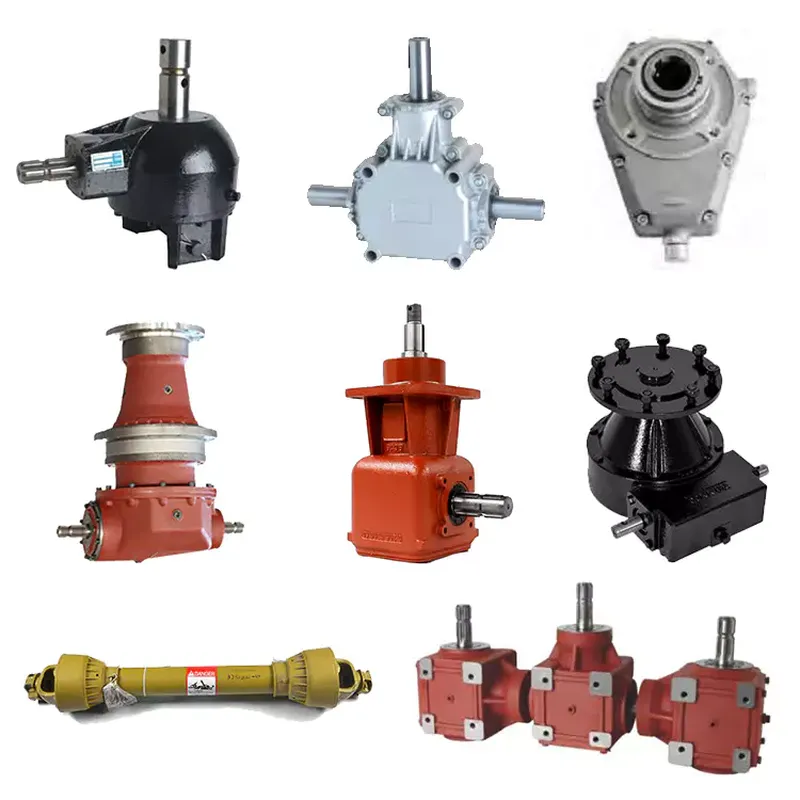
PTO shafts with safety guards, telescopic joints, and cross-type universals complement these gearboxes, ensuring safe power transfer in Argentine shakers. Chain sprockets and roller chains provide auxiliary drives for arm extensions, with ANSI #60 standards for durability.
Gear racks enable precise positioning, while lubrication systems with auto-dispensers maintain oil levels in remote farms. Belt pulleys and couplings handle misalignments up to 2 degrees, hydraulic cylinders adjust shake intensity for crop variety.
Whole machines like seeders and harvesters optional with these gearboxes offer integrated solutions. System compatibility allows one-stop sourcing, reducing inventory by 25% for B2B operations in diverse regions.
Emphasis on plug-and-play interfaces cuts installation time to 45 minutes, boosting efficiency in seasonal harvests.
Full Range of Agricultural Gearboxes and One-Stop Accessories
Our complete lineup covers rotary tiller to mower gearboxes, all procurable alongside PTO components for streamlined B2B purchasing. This one-stop approach equips entire fleets, from shakers to sprayers, sparking interest in customized kits for Argentine exporters.
Accessories like chains, sprockets, and couplings ensure full system readiness, reducing lead times by 40%.
Why Choose Us
Field-proven reliability in 12 Argentine seasons, with 98% uptime and custom adaptations for local crops, sets us apart. Backed by engineering expertise, we deliver gearboxes that cut costs by 15% through extended life.
Contact and Call to Action
For tailored canopy shaker gearbox solutions, reach out for quotes today. Let’s optimize your harvest efficiency.