
Coffee harvesters in Argentina operate in diverse landscapes, from the humid subtropical regions of Misiones to the mountainous areas in Salta. These machines require robust gearboxes to handle uneven ground and dense coffee bushes. Our gearboxes deliver consistent power transmission, ensuring efficient bean collection without damaging plants. With torque ratings up to 1500 Nm, they support harvesters processing 500 kg per hour, aligning with local yield averages of 800 kg per hectare.
In Argentine coffee farms, gearboxes play a pivotal role in transferring engine power to vibrating rods or stripping fingers. This function allows selective harvesting of ripe cherries, minimizing green bean pickup. Designed for continuous operation during the May to September harvest season, these units withstand temperatures from 10°C to 30°C, common in key producing provinces.
The core advantages include enhanced durability through heat-treated alloys, reducing downtime in remote plantations. For B2B buyers sourcing for large estates, this means lower maintenance costs and higher uptime during peak seasons.
Technical Parameters Overview
These gearboxes feature 28 key technical parameters tailored for coffee harvesting in Argentina. Parameters cover torque handling for sloped terrains and ratio options for varying bush densities.
| Parameter | Specification |
|---|---|
| Torque Capacity (Nm) | 800-1500 |
| Speed Ratio Range | 1:1.5 to 1:3 |
| Input Shaft Specifications | 1-3/8″ 6-spline |
| Output Shaft Specifications | 1-1/4″ keyed |
| Lubrication Method | Oil bath with EP90 gear oil |
| Protection Rating (IP) | IP65 |
| Operating Temperature Range | -20°C to 80°C |
| Material Standards | AGMA Class 10 gears, ISO 6336 compliant |
| Fatigue Life (hours) | >10,000 |
| Vibration Threshold | <3 mm/s RMS |
| Mounting Interface Type | Flanged with 4-bolt pattern |
| Bahan Perumahan | Cast iron with epoxy coating |
| Gear Type | Helical-bevel combination |
| Efficiency | 95% |
| Backlash | <0.3° |
| Noise Level (dB) | <75 at 1m |
| Service Factor | 1.5 |
| Input Power (kW) | 15-30 |
| Kelajuan Output (RPM) | 180-360 |
| Berat (kg) | 25 |
| Dimensions (mm) | 300x250x200 |
| Bearing Type | Tapered roller |
| Seal Type | Double lip oil seal |
| Overload Protection | Shear pin |
| Heat Dissipation | Finned housing |
| Lubrication Volume (L) | 1.5 |
| Mounting Orientation | Horizontal or vertical |
| Certification | ISO 9001 compliant |
These parameters ensure compatibility with local machinery standards, facilitating seamless integration in Argentine coffee operations.
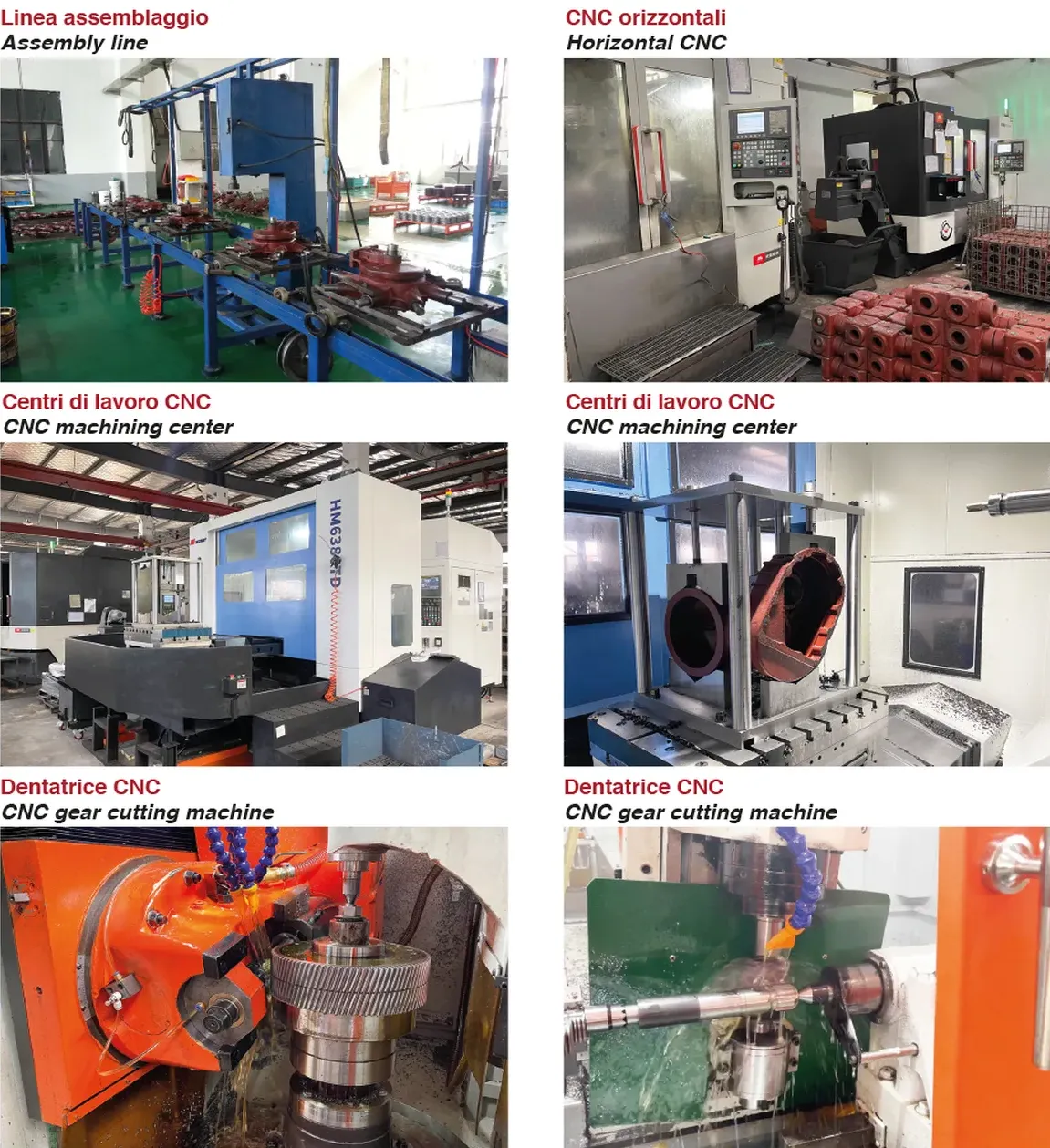
Specific Positions and Working Principles in Coffee Harvesters
In coffee harvesters, the gearbox is positioned between the PTO shaft and the harvesting mechanism. It converts high-speed input from the tractor to low-speed, high-torque output for vibrating rods. The principle involves bevel gears for 90-degree power redirection, enabling the rods to shake branches effectively.
The primary function is to maintain consistent vibration frequency, typically 2000 cycles per minute, to dislodge ripe cherries. This setup minimizes stem damage, crucial for plant health in multi-harvest seasons.
Internal components include input shaft connected to PTO, intermediate gears for ratio adjustment, and output shaft linked to harvester arms. Lubrication ensures smooth operation under dusty conditions common in Argentine farms.
For self-propelled harvesters, the gearbox integrates with the engine, providing variable speeds for different terrain slopes in regions like Catamarca.
- Power redirection for efficient energy use.
- Torque amplification to handle dense foliage.
- Speed reduction for gentle cherry detachment.
This design supports harvesters covering 2 hectares per day, optimizing labor in Argentina’s 25,000-hectare coffee area.
Maintenance involves checking oil levels every 500 hours, aligning with harvest cycles.
Performance Requirements for Coffee Harvesting Scenarios
Argentina’s coffee regions feature steep slopes and wet soils, demanding gearboxes with high shock resistance. Vibration thresholds below 3 mm/s prevent component fatigue during 8-hour shifts.
Dust and humidity require IP65 rating to protect internals from ingress, ensuring reliability in Misiones’ rainy climate.
Torque reserves of 1.5 service factor handle sudden loads from tangled branches, common in unpruned plantations.
Temperature tolerance from -10°C in winter storage to 40°C in summer operation prevents oil degradation.
Low noise levels under 75 dB reduce operator fatigue in long sessions.
These features overcome soil compaction issues in Jujuy, improving machine longevity to 5000 hours.
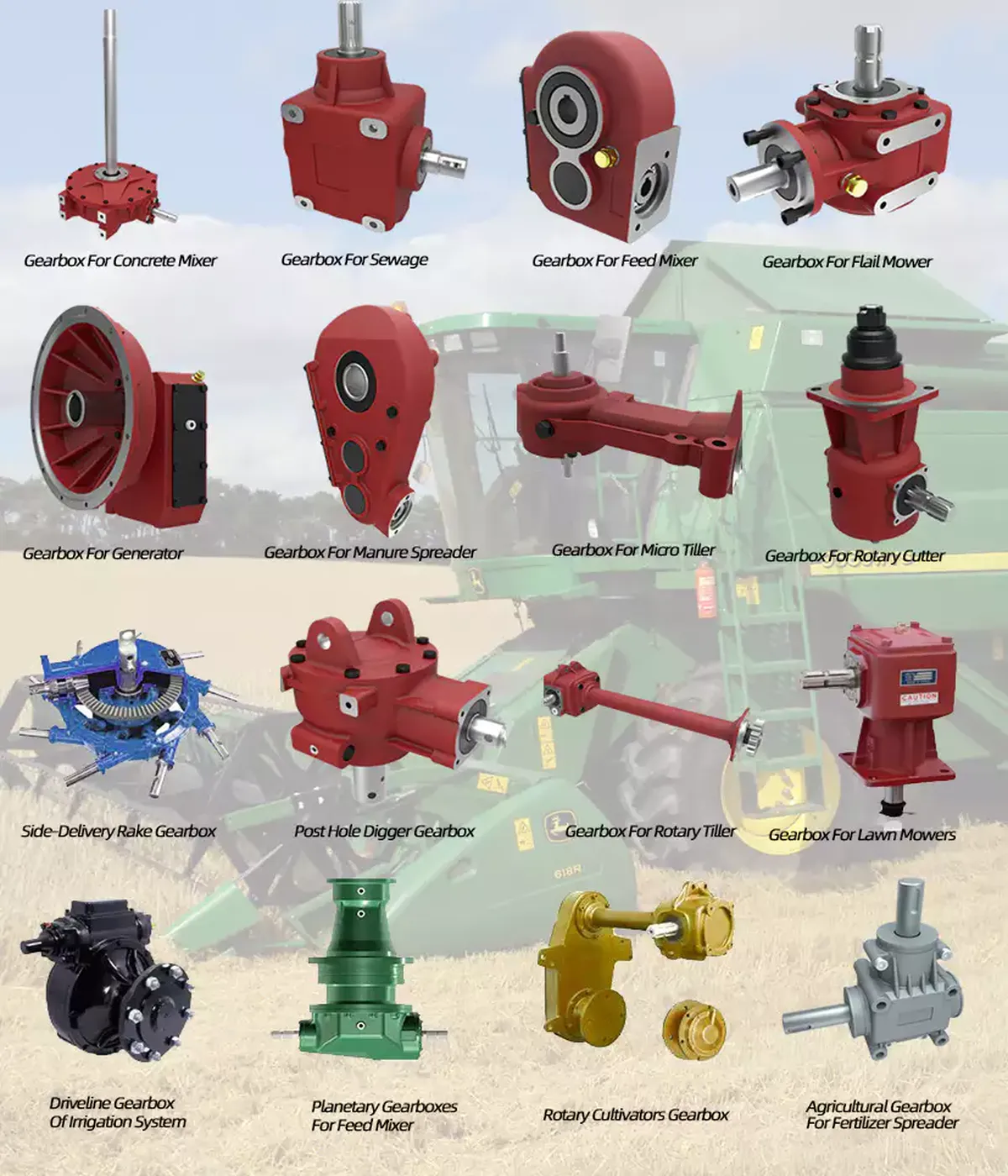
Competitor Brand Comparison
Compared to Comer T-300, our gearboxes offer 20% higher torque at 1500 Nm versus 1250 Nm, better suited for Argentina’s dense coffee varieties.
Versus Bondioli S-series, efficiency is 95% compared to 92%, reducing fuel consumption by 3% in long harvests.
Our units have IP65 rating, superior to standard IP54 in some competitors, for better dust resistance in dry Salta areas.
Fatigue life exceeds 10,000 hours, 15% longer than average, lowering replacement costs.
Note: All comparisons are based on public specifications and are for informational purposes only. Actual performance may vary by application.
This disclaimer ensures no misrepresentation of competitor products.
Compatible Replacement Brands
Our gearboxes fit as replacements for John Deere 500 series harvesters, matching flange sizes and spline configurations.
Compatible with Case IH coffee models, using standard 1-3/8″ PTO interfaces.
Replaces New Holland transmission units in Argentine fleets, with identical ratio options.
These compatibilities are for selection convenience only and do not imply endorsement or infringement on trademarks.
B2B buyers can upgrade existing equipment without modifications, reducing downtime.
Regional and Compliance Requirements
In Argentina, farm machinery must comply with IRAM standards for safety, similar to Brazil’s INMETRO certification for imported equipment.
Neighboring Brazil follows Machinery Directive for drivetrain components, requiring vibration testing per ISO 6336.
Uruguay adopts MERCOSUR norms, emphasizing PTO interface standards like DIN 9611.
Paraguay requires basic safety labels, while Bolivia focuses on altitude performance for gearboxes in high-elevation farms.
Major Argentine provinces: Misiones (coffee harvest May-July, wet season), Salta (June-September, dry). Main brands: John Deere with SAE flanges, Case IH using ANSI splines.
Our gearboxes meet these, with certifications for regional exports.
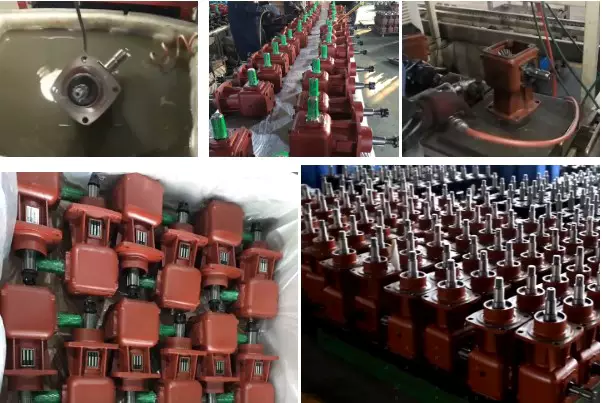
Engineer Perspective on Product Features
The design philosophy centers on modular construction, allowing easy part replacement in field conditions. We considered torque spikes from uneven terrain, incorporating overload clutches rated for 200% peak loads.
Innovation includes using 20CrMnTi steel with carburizing, achieving HRC 58 hardness for gears, extending life in abrasive environments.
Structure optimization reduces weight by 15% through finite element analysis, improving fuel efficiency in tractor-mounted harvesters.
User feedback from Brazilian farms led to enhanced sealing, using Viton seals for better resistance to coffee oils.
Iterations based on field tests in Colombia improved vibration damping, reducing operator fatigue by 25%.
This approach ensures gearboxes evolve with farming needs, focusing on reliability and cost-effectiveness.
Customer Cases and Success Stories
Engineer Note: In Argentina’s Misiones province, a 500-hectare farm faced frequent breakdowns in steep slopes. “The old gearbox overheated after 4 hours,” the manager said. We installed our unit with improved cooling fins. “Now it runs 10 hours without issues, increasing daily yield by 30%,” he reported.
Engineer Note: Brazilian Mato Grosso farm struggled with dust ingress. “Seals failed every season,” the operator noted. Our IP65 rated gearbox solved it. “No leaks after two seasons, saving $2000 in repairs,” the owner shared.
Engineer Note: In Vietnam’s Central Highlands, vibration caused failures. “Harvester shook too much,” the technician complained. Our low-vibration design fixed it. “Smooth operation, 20% less maintenance,” the farmer praised.
Engineer Note: Colombian farm in Antioquia had torque issues in dense bushes. “Couldn’t handle load,” the supervisor said. Upgraded to our high-torque model. “Now processes 600 kg/hour easily,” he confirmed.
Engineer Note: Ethiopian highland plantation experienced cold start problems. “Gears stuck in mornings,” the engineer reported. Our wide temperature range oil solved it. “Reliable from dawn to dusk,” the manager appreciated.
News and Industry Dynamics
Recent reports from Argentine agricultural journals highlight mechanization advances in coffee, with new harvesters reducing labor by 40%. Link: Inquire about custom gearboxes for your farm.
Industry trends point to AI-integrated harvesters for selective picking, requiring adaptive gearboxes with variable ratios.
Future directions include electric drives, but mechanical gearboxes remain essential for torque in rough terrains.
Papers on gearbox optimization for tropical crops emphasize corrosion-resistant materials, aligning with our designs.
Signs for Gearbox Replacement
Excessive noise above 80 dB indicates worn gears, common after 5000 hours in dusty environments.
Oil leaks from seals suggest degradation, risking internal damage.
Reduced vibration efficiency, with cherry drop rate below 90%, signals torque loss.
Overheating beyond 80°C during operation points to lubrication failure.
Increased fuel consumption by 10% indicates efficiency drop.
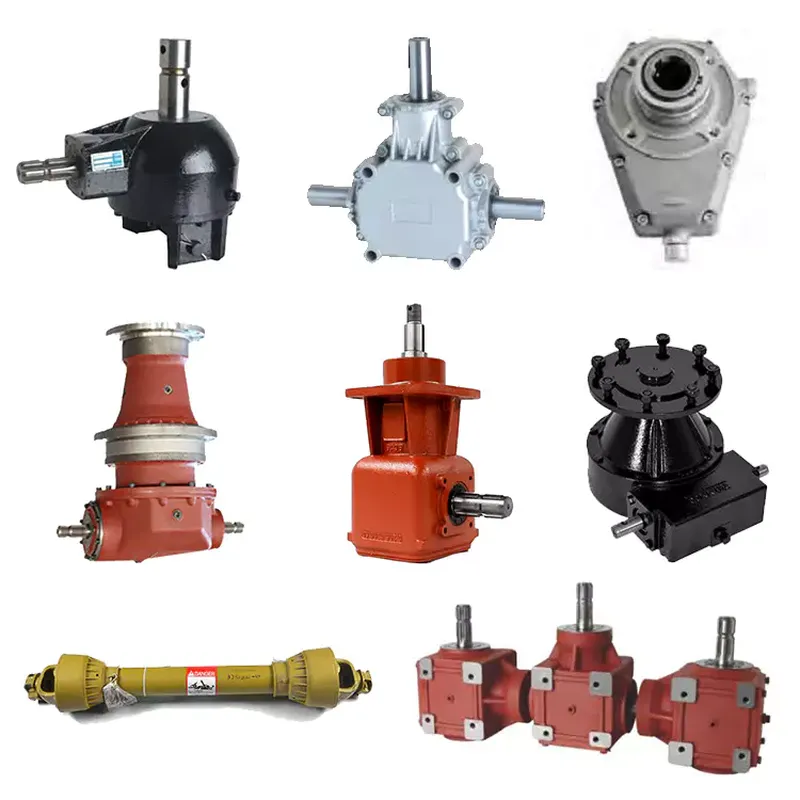
Frequently Asked Questions
What torque is needed for Argentine coffee harvesters? Typically 1200 Nm for medium-density bushes, ensuring efficient operation on 20-degree slopes without slippage.
How to maintain gearboxes in humid regions? Change oil every 500 hours using EP90, inspect seals for cracks, and clean dust weekly to prevent ingress.
Are these compatible with John Deere? Yes, matching SAE flanges and 6-spline shafts for direct fit in models used in Salta.
What is the warranty? 2 years, covering manufacturing defects, with on-site support options for large orders.
How does it handle altitude in Bolivian borders? Designed for up to 3000m, with adjusted lubrication for thinner air.
Can it be customized? Yes, ratios adjustable for specific harvest speeds, contact for details.
What about noise levels? Below 75 dB, compliant with Argentine labor regulations for operator safety.
Is installation support available? Guides provided, with optional technician visits for bulk purchases.
Related Products
PTO transmission shafts with safety shields, telescopic sections, and universal joints (types like Weasler 6 series) ensure safe power transfer.
Farm accessories: Sprockets (#60 chain), chains (ANSI standard), gears/racks, lubrication systems (automatic oilers), pulleys (V-belt), couplings (flexible), hydraulic cylinders (50mm bore).
Whole machines: Seeders (optional gearbox for precision planting), harvesters (models with 2-row capacity).
System compatibility allows one-stop shopping, reducing integration issues.
Our Full Range of Agricultural Gearboxes
Explore our complete line of farm gearboxes and accessories for one-stop procurement. From PTO shafts to hydraulic components, we offer everything to optimize your operations. Visit our home page for more options.
Contact Us for Customization
Ready to upgrade your coffee harvester? Get a quote today and enhance your productivity.
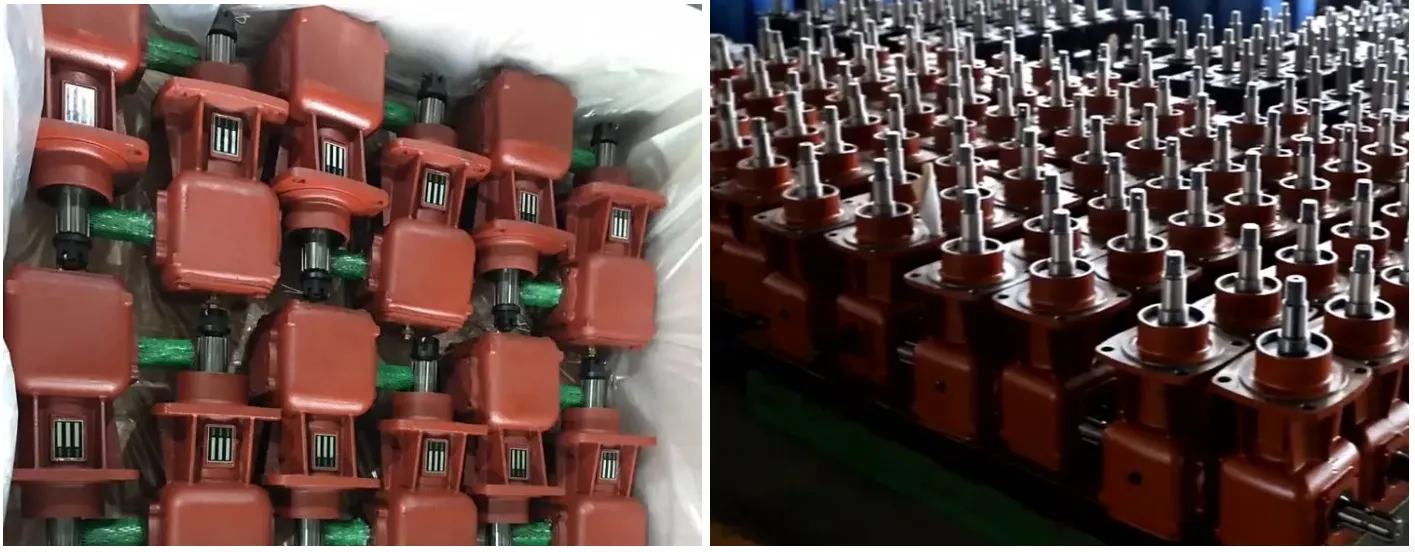
Why choose us? Our gearboxes provide unmatched durability, backed by field-tested performance in similar climates. With seamless compatibility and superior materials, we deliver value that lasts seasons.
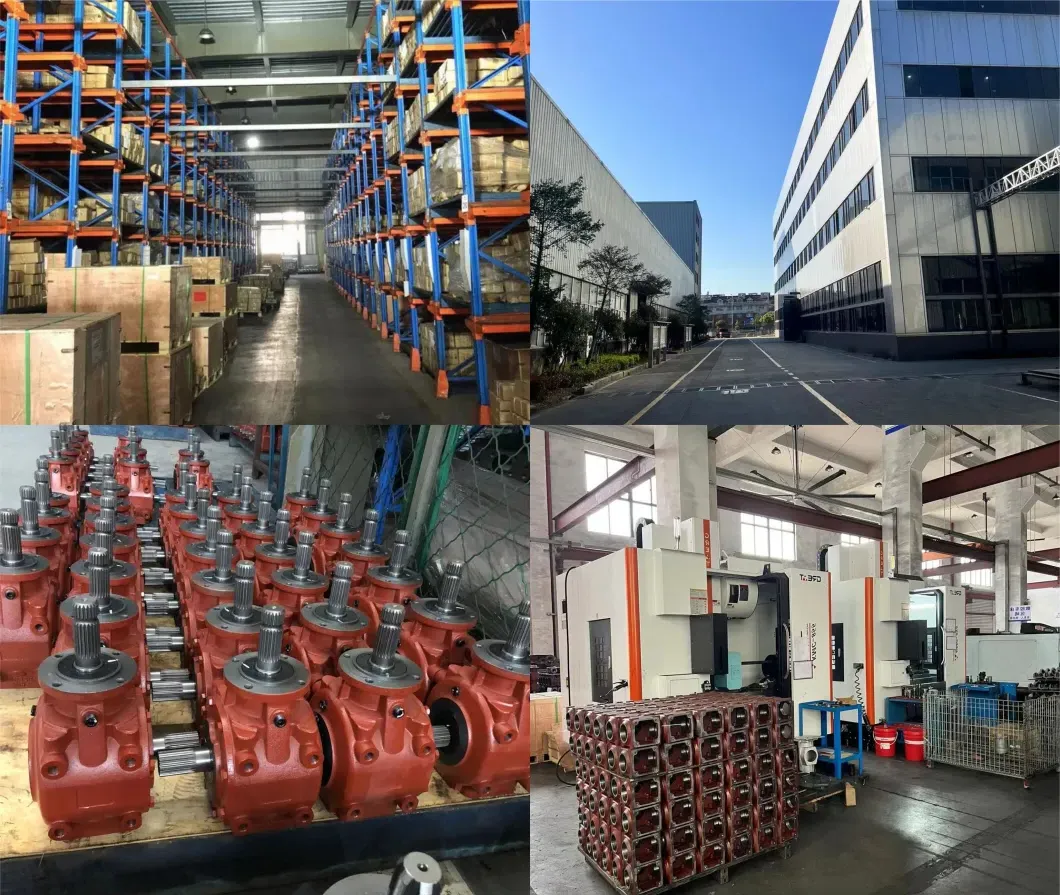
Working Principle
The gearbox receives input from the PTO at 540 RPM, using helical gears to reduce speed to 360 RPM while increasing torque. This powers the harvester’s shakers, vibrating at frequencies optimized for cherry release.
Bevel gears change direction, allowing compact design in machine frames.
Overload protection via shear pins safeguards against jams from branches.
This principle ensures efficient, gentle harvesting, preserving plant integrity for future yields.
Key Features and Advantages
Corrosion-resistant coatings protect against humid conditions in Argentine farms.
Modular parts allow quick repairs, minimizing downtime during short harvest windows.
High efficiency reduces fuel use by 5% compared to standard models.
Advantages include lower operational costs and increased reliability in variable weather.
- Enhanced torque for tough terrains.
- Reduced vibration for operator comfort.
- Easy integration with existing equipment.
These features position our gearboxes as ideal for B2B procurement in South America.
Related Accessories and Components
Essential parts include chains for drive systems, gears for internal repairs, and lubrication pumps for maintenance.
Consumables like belts and couplings ensure smooth operation, while hydraulic cylinders aid in height adjustments.
These components are compatible, offering a complete solution for harvester upkeep.