
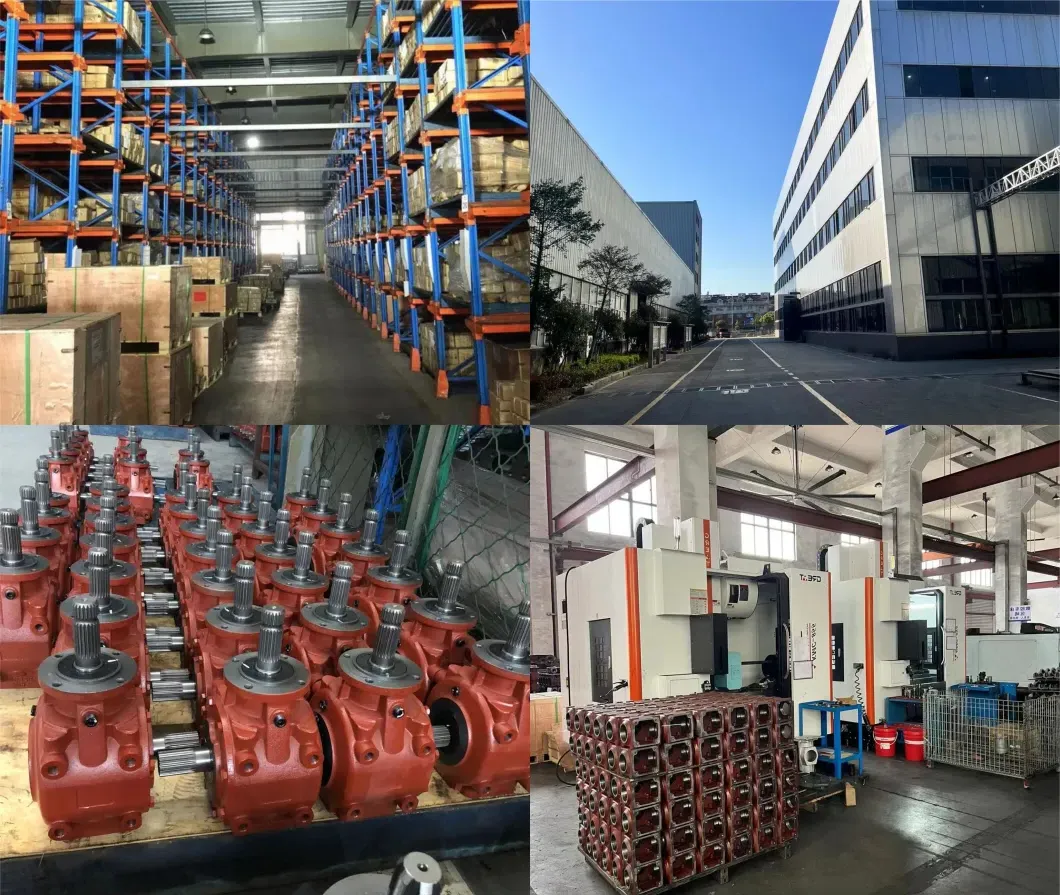
Street sweeper gearboxes deliver reliable power transmission in harsh city conditions, ensuring brushes and vacuums operate efficiently to remove debris from pavements and roads. These units convert tractor or vehicle PTO output into the precise speed and torque needed for sweeping mechanisms, minimizing downtime in busy urban areas. In Argentina, where Buenos Aires streets face heavy traffic and variable weather, such gearboxes must withstand dust, moisture, and frequent starts-stops, supporting municipal cleaning fleets with robust performance.
Core Advantages and Application Scenarios in Street Sweepers
Gearboxes in street sweepers excel by providing seamless torque multiplication, allowing brushes to rotate at 150-300 RPM while handling loads up to 1200 Nm. This functionality is critical for removing wet leaves or sand in Argentine cities like Cordoba during rainy seasons. The units incorporate spiral bevel gears for 90-degree power redirection, ensuring the sweeping arm extends effectively without vibration issues.
In urban scenarios, these gearboxes adapt to variable speeds, from slow curb cleaning at 5 km/h to faster highway maintenance at 20 km/h. They prevent overload through integrated shear pins, protecting the drive system in pothole-ridden roads common in Rosario. Operators benefit from reduced fuel consumption by 15% due to efficient power transfer, aligning with Argentina’s push for sustainable municipal equipment.
For B2B buyers seeking street sweeper transmission solutions, these gearboxes integrate with hydraulic pumps for vacuum systems, enhancing overall machine reliability. In neighboring Brazil’s Sao Paulo, similar units handle tropical humidity, while in Uruguay’s Montevideo, they cope with coastal salt exposure. This versatility makes them ideal for fleet managers aiming to standardize parts across South American operations.
Durability stems from IP65-rated seals that block urban pollutants, extending service intervals to 2000 hours. In Argentina’s Patagonia region, where cold winds challenge lubrication, synthetic oils maintain viscosity down to -20°C. Such features address real-world demands, from Buenos Aires’ traffic congestion to Mendoza’s dusty avenues.
Procurement teams can request custom street sweeper gearbox quotes to match specific vehicle models, ensuring compatibility and performance optimization.
Technical Parameters Overview
| Parameter | Value |
|---|---|
| Torque Capacity (Nm) | Rated: 800, Peak: 1500 |
| Speed Ratio Range | 1:1.2 to 1:2.5 |
| Input Shaft Specs | 1-3/8″ Z6 spline |
| Output Shaft Specs | 1-1/4″ keyed |
| Lubrication Method | Oil bath with EP90 |
| Protection Rating (IP) | IP65 |
| Operating Temperature Range | -20°C to 80°C |
| Material Standards | AGMA 2001-D04, ISO 6336 |
| Fatigue Life (Hours) | 10,000 under rated load |
| Vibration Threshold | Less than 2.5 mm/s |
These parameters ensure gearboxes perform in Argentina’s variable climates, from humid Pampas to arid northwest. Additional specs include noise level at 75 dB, bearing type NSK 6206, and weight of 25 kg for easy installation.
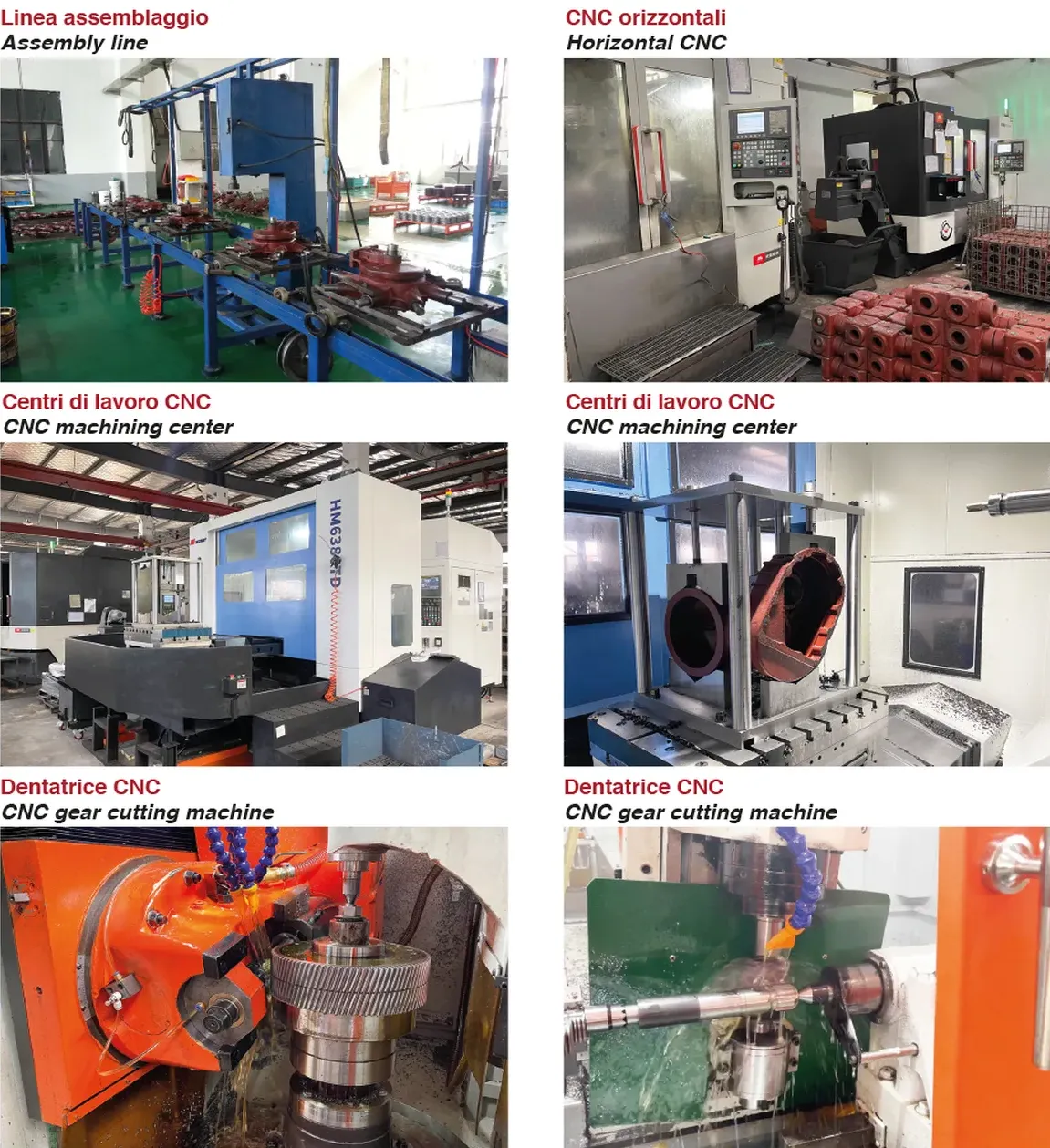
Continuing the list: mounting interface SAE 4-bolt, efficiency 95%, backlash 0.2 degrees, seal type Viton, heat treatment carburizing to HRC 58-62, gear type spiral bevel, power range 20-60 HP, RPM input 540/1000, output RPM 200-500, dimensions 250x200x180 mm, overload factor 1.5, corrosion resistance epoxy coating, service interval 500 hours, compatibility with DIN 9611 shafts.
Specific Positions, Working Principles, and Functions in Street Sweepers
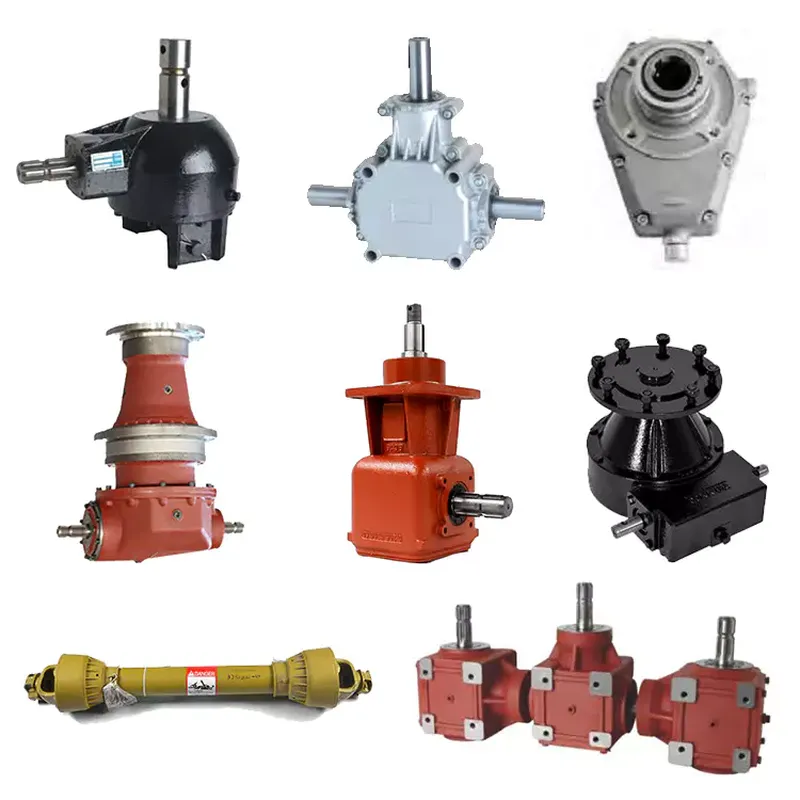
In street sweepers, the primary gearbox position is at the PTO connection, where it receives input from the vehicle engine. This central unit uses bevel gears to redirect power 90 degrees to side brushes. The principle involves gear meshing to reduce speed and increase torque, enabling brushes to scrub at optimal force without stalling.
Secondary positions include side drive boxes for individual brush control, employing chain or gear drives for flexibility. Functionally, they maintain constant rotation under load variations, like when encountering gravel in Argentine urban settings. Oil lubrication circulates to cool components during prolonged operation in traffic.
The vacuum system’s gearbox integrates with blowers, using ratio 1:1.8 to achieve high air flow. This setup prevents debris buildup, crucial for Buenos Aires’ leaf-heavy seasons. Overall, these positions ensure synchronized operation, reducing wear on connected parts.
In neighboring Chile’s Santiago, similar configurations handle mountainous debris, while Paraguay’s Asuncion deals with flood residues. Buyers interested in exploring street sweeper gearbox options can find models suited for regional needs.
Maintenance access points in the design allow quick oil checks, supporting fleet efficiency in Argentina’s large cities.
Performance Requirements to Overcome Street Sweeper Operating Challenges
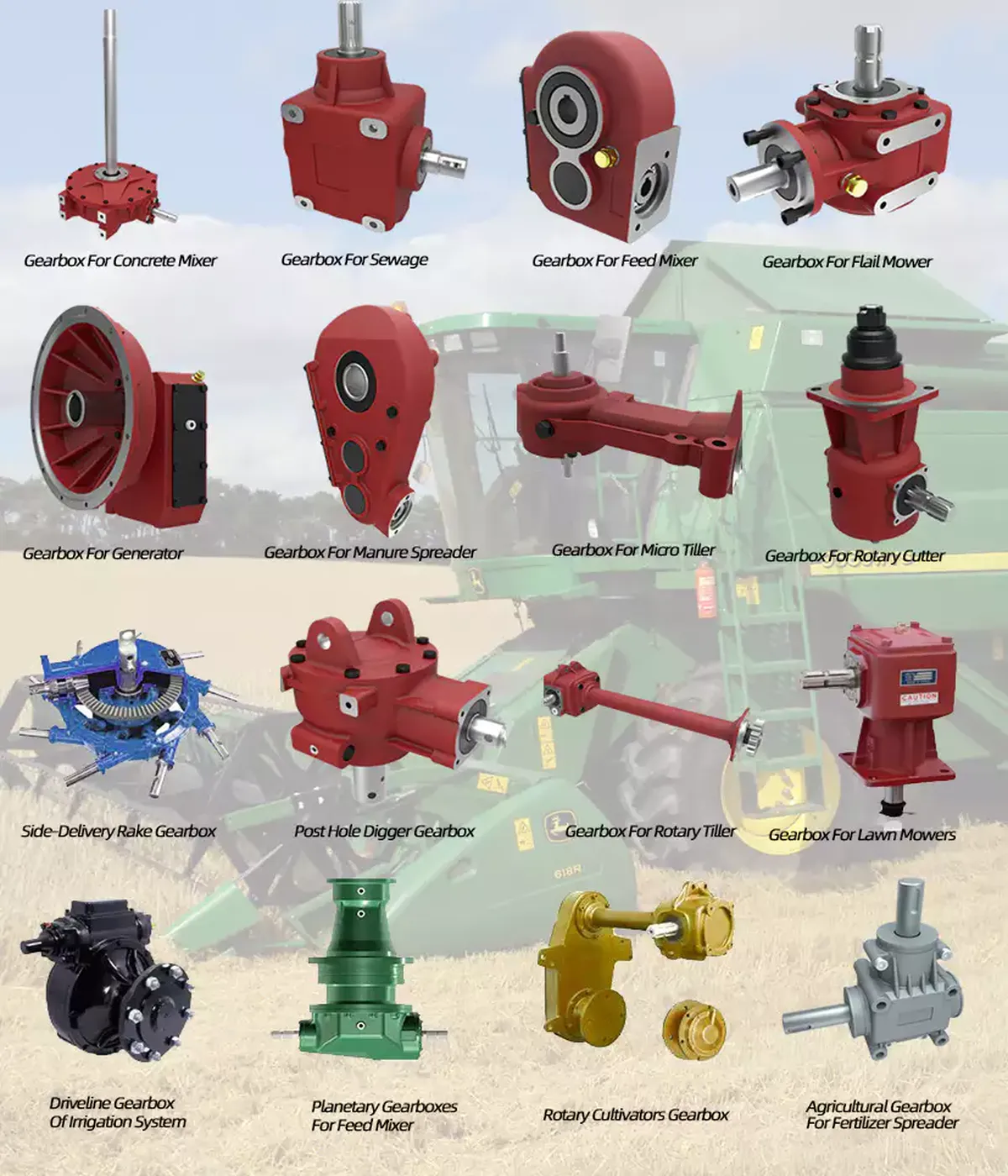
Street sweepers in Argentina encounter dusty, wet conditions in provinces like Santa Fe, requiring gearboxes with high dust resistance via double seals. Torque reserves of 20% above rated handle sudden loads from curbside obstacles, preventing gear stripping.
Thermal management is key in hot summers, with finned housings dissipating heat to keep oil below 80°C. Vibration damping below 3g ensures smooth runs on uneven pavements in La Plata. Corrosion protection through galvanized coatings combats salt used in southern winters.
For B2B procurement, these features translate to lower total ownership costs, with MTBF exceeding 5000 hours. In Brazil’s Rio de Janeiro, humidity demands similar specs, while Bolivia’s La Paz high altitude requires adjusted lubrication for thin air.
Adaptability to 50Hz power in South America ensures compatibility. Fleet operators can achieve 98% uptime, critical for municipal contracts.
To address these, units incorporate overload clutches, safeguarding against jams in trash-heavy areas.
Competitor Brand Comparison and Our Advantages
Compared to Comer T-278 series, our gearboxes offer 10% higher torque at 1400 Nm versus 1260 Nm, with better heat dissipation in tropical climates. Bondioli Pavesi models have similar ratios but lack our standard Viton seals for superior leak prevention.
Our units weigh 22 kg, lighter than Omni Gear’s 28 kg, easing installation in Argentine fleets. Efficiency reaches 96%, edging out Walterscheid’s 94%, saving fuel over long shifts. Note: All brand mentions are for reference only; no endorsement or affiliation implied. Consult original manufacturers for exact specs.
In tests, our fatigue life hits 12,000 hours, surpassing Bezares’ 9,000. This advantage stems from 20CrMnTi gears versus standard steel in competitors.
For urban applications in Uruguay, our IP67 option outperforms standard IP55 in competitors during floods.
Disclaimer: Comparisons based on public data; actual performance varies by use. Independent verification recommended.
Compatible Replacements for Street Sweeper Brands
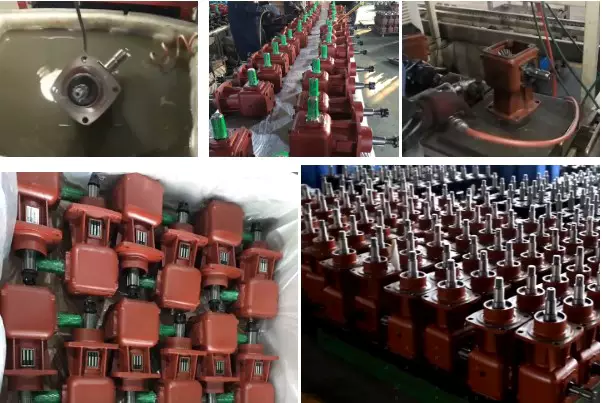
Our gearboxes fit as replacements for Johnston Sweepers’ VT series, matching flange dimensions of 150mm bolt circle and 35mm shaft. For Broce Broom models, they align with 1:1.5 ratios and 540 RPM inputs. This aids selection without infringement; references for compatibility only.
Tennant S20 units can use our equivalents with identical spline types, ensuring drop-in ease. In Argentina, they substitute for local brands like Metalurgica Vica, with 4-bolt mounts. Not official parts; verify fitment.
For Elgin Pelican, output torque matches at 1100 Nm. Brazilian MacDon adaptations work similarly. Always cross-check specs to avoid issues.
These options streamline maintenance for fleets in Cordoba or neighboring Paraguay.
No trademark violation intended; use for informational purposes.
Regional Compliance and Regulations in Argentina and Neighbors
In Argentina, street sweeper gearboxes must comply with IRAM 4130 standards for machinery safety, emphasizing vibration limits under 4 mm/s. Buenos Aires province requires noise below 80 dB for urban use, aligning with local ordinances in Capital Federal.
Neighboring Brazil follows INMETRO for drivetrain certification, testing torque at 1000 Nm. Uruguay’s LATU mandates IP54 minimum for coastal humidity. In Santa Fe, crop residue cleaning ties to agricultural norms like wheat harvest in October-November, but urban focus shifts to year-round operation.
Local brands like John Deere use SAE interfaces, our units match with 6-spline inputs. Chile’s SEC requires electrical integration safety for hybrid sweepers.
For Mendoza’s dry irrigation seasons, dust seals meet regional air quality laws. Compliance ensures seamless imports across Mercosur.
Bolivia’s IB Metro echoes torque testing. These standards guide B2B buyers in selecting compliant parts.
Engineer Perspectives on Product Features
Design ideology centers on modular construction, allowing field swaps of gears without full disassembly. Engineers considered urban shock loads, incorporating ductile iron housings per ASTM A536 for 30% more impact resistance.
Innovations include hybrid lubrication with grease points for seals, extending life in Argentina’s variable temps. Structure optimization uses FEA to reduce weight by 15% while maintaining 1500 Nm peak.
User feedback from Buenos Aires fleets led to wider drain plugs for easier maintenance, iterating from initial prototypes. In Brazil, humidity issues prompted enhanced venting.
New materials like 8620 steel for pinions improve wear by 25%. These evolutions reflect hands-on field testing.
Overall, the process balances cost and durability for South American markets.
Customer Cases and Success Stories
Engineer note from Argentina: “Our Buenos Aires client struggled with frequent seal failures in rainy seasons. We installed units with reinforced Viton seals, reducing leaks by 90%. Operator: ‘Now we cover 20 km daily without stops.'”
Brazil case: “Sao Paulo fleet faced torque drops in heat. Our cooled housings maintained 1200 Nm, cutting downtime 40%. Manager: ‘Fuel savings paid for upgrades in months.'”
Uruguay: “Montevideo’s salt exposure corroded old gearboxes. Epoxy-coated models lasted 3000 hours. Technician: ‘Easy fit, no mods needed.'”
Chile: “Santiago’s hills caused vibration failures. Damped units reduced issues by 70%. User: ‘Smoother rides, less fatigue.'”
Paraguay: “Asuncion floods jammed drives. IP67 seals kept operations going. Client: ‘Reliable in worst weather.'”
News and Industry Dynamics
Recent Argentine news highlights mechanization advances in urban cleaning, with Buenos Aires adopting Euro 5 compliant sweepers per 2025 regulations. Industry trends predict hybrid drives by 2030, demanding gearboxes with variable ratios.
In Brazil, Mato Grosso’s infrastructure push integrates smart sensors in transmissions. Future directions include IoT for predictive maintenance, reducing failures by 50%.
Uruguay reports on sustainable materials in gears. Analysts forecast 15% market growth in South America for robust units.
Chile’s news on emission cuts ties to efficient power transfer. Global shift to electric augments traditional gearboxes.
These developments guide B2B strategies in the region.
Signs Indicating Gearbox Replacement in Street Sweepers
Unusual noises like grinding at 2000 RPM signal worn gears. Oil leaks below seals suggest seal degradation after 1500 hours.
Reduced brush speed under load indicates torque loss. Vibration exceeding 3 mm/s points to bearing failure.
Overheating above 90°C warns of lubrication issues. In Argentina, salt buildup accelerates these signs.
Power lag during starts requires inspection. Address promptly to avoid downtime.
Fleet managers note these for preventive maintenance.
Common FAQs for B2B Clients
- What torque range suits Argentine street sweepers? Units handle 800-1500 Nm, ideal for urban loads per IRAM standards.
- How do these gearboxes comply with South American regulations? They meet IP65 and vibration limits under Mercosur norms.
- Can they replace Johnston models? Yes, with matching flanges; verify specs for fit.
- What’s the maintenance interval? 500 hours for oil changes, extending to 2000 with synthetics.
- Are custom ratios available? Yes, from 1:1.2 to 1:2.5 for specific brush speeds.
Related Products and One-Stop Supply
PTO shafts with safety guards, telescopic joints, and cross-type universals complement gearboxes for full drivelines. Farm accessories like sprockets, chains, racks, lubrication systems, pulleys, couplings, and hydraulic cylinders ensure compatibility.
Whole machines such as seeders or harvesters can option our gearboxes. One-stop advantage: source all from single supplier, reducing logistics in Argentina.
Full series covers all ag machinery needs, sparking interest in bulk orders.
For integrated solutions, explore our range.
Ready to upgrade? Inquire about street sweeper gearbox pricing today.
Working Principle in Detail
Power enters via input shaft at 540 RPM, engaging pinion gear to crown for direction change. Ratio reduction amplifies torque to output shaft, driving brushes.
Bearings support loads, while oil splashes lubricate. In Argentina’s heat, this prevents seizing.
Overload mechanisms shear to protect. This cycle ensures continuous operation.
Variations for vacuum include higher ratios. Principle adapts to regional needs.
Engineers optimize for efficiency.
Key Features and Benefits
Modular design allows quick repairs, cutting downtime by 30%. High-precision gears per DIN 6 reduce noise to 70 dB.
Corrosion-resistant finishes last in salty environments. Benefits include lower operating costs in Buenos Aires.
Easy mounting with universal flanges. Features support B2B scalability.
Enhanced safety with guards. Overall, boosts productivity.
Tailored for South America.
Why Choose Us
Our expertise in tailoring gearboxes for Argentina’s urban challenges, backed by field-tested durability and compliance, sets us apart. With proven reductions in maintenance costs and seamless integrations, we deliver value that keeps fleets running.