
The agricultural gearbox serves as the critical power transmission component in straw briquetting machines, converting tractor PTO input into the high-torque, controlled-speed output needed for compressing straw, wheat stalks, rice husks, and other biomass into dense briquettes. This gearbox handles continuous heavy loads during densification, where raw material moisture stays between 8-15% and particle size under 50mm. Operators in regions with abundant crop residues rely on these units to transform waste into biofuel for heating, power generation, and industrial boilers.
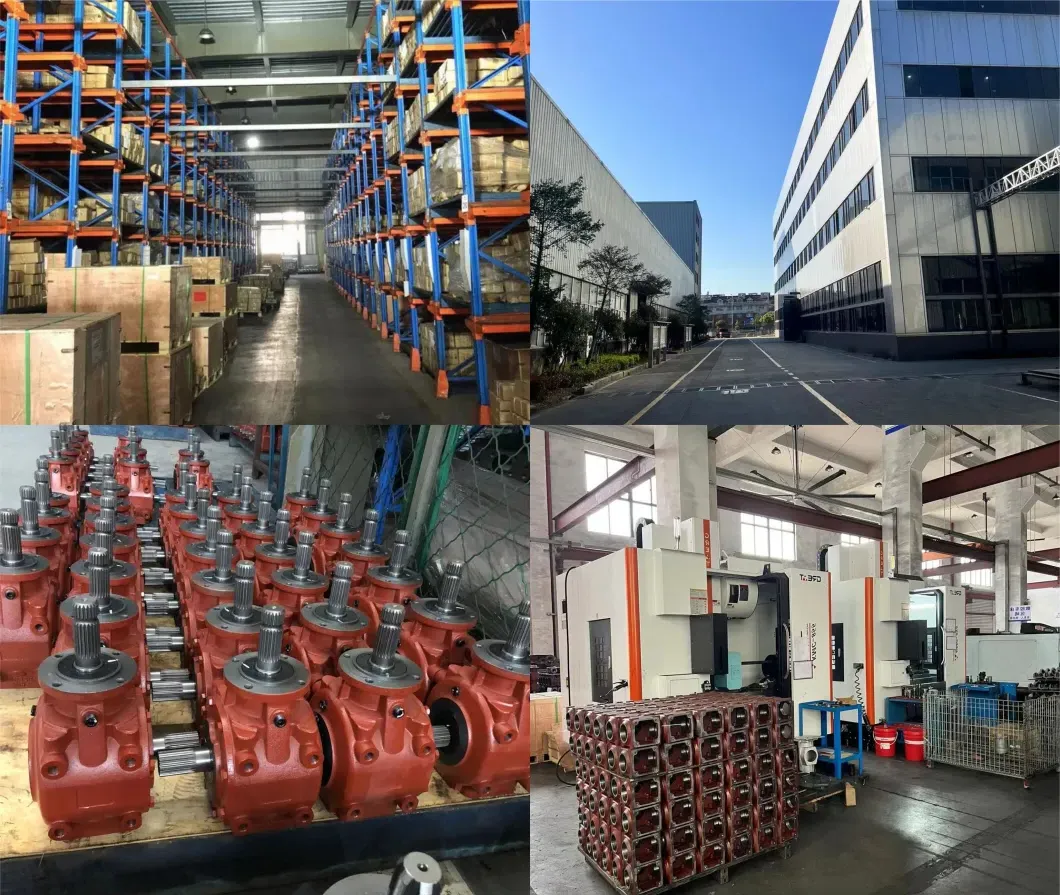
Core Advantages and Application in Straw Briquetting Machines
Straw briquetting machines process large volumes of loose agricultural residues into compact fuel blocks with densities reaching 0.9-1.2 g/cm³. The gearbox positions at the main drive line, receiving 540 or 1000 rpm PTO input and delivering reduced output speeds between 200-400 rpm while multiplying torque to overcome compression resistance. In screw-press designs, the gearbox sustains axial thrust from the screw while in hydraulic models it powers the piston cycle. Key advantages include overload protection via integrated slip clutches or shear pins, preventing damage when foreign objects enter the chamber, and oil-bath lubrication maintaining gear temperatures below 80°C during 8-hour shifts. These features support year-round operation in biomass plants processing 500-2000 kg/h.
During briquetting, the gearbox overcomes variable loads from uneven straw density and moisture fluctuations. It enables consistent briquette length and weight through stable speed control, reducing fines and improving combustion efficiency in end-use applications like industrial boilers or domestic stoves. In Argentina’s Pampas region, where wheat and soybean straw accumulate after harvest from March to June, these gearboxes allow farmers and processors to convert residues into sellable fuel, cutting open-field burning and supporting renewable energy goals.
Technical Specifications Overview
Engineered for biomass densification demands, the gearbox incorporates hardened gears and robust housing to withstand shock loads from material bridging or inconsistent feeding. Below are 30 key parameters tailored for straw briquetting applications.
| 范围 | Value / Range | Unit / Standard |
|---|---|---|
| Rated Torque | 1800 | 牛米 |
| Peak Torque | 2600 | 牛米 |
| Service Factor | 1.8 | – |
| Gear Ratio Options | 2.5:1 to 5.2:1 | – |
| Input Speed | 540 / 1000 | rpm |
| Output Speed | 200-400 | rpm |
| Input Power Range | 45-120 | HP |
| Input Shaft Diameter | 1-3/8 Z6 / 1-3/4 Z20 | inch / spline |
| Output Shaft Diameter | 60-80 | 毫米 |
| Lubrication Type | Oil bath / splash | – |
| Oil Capacity | 4.5-7.2 | L |
| Recommended Oil | 80W-90 GL-5 | – |
| Oil Change Interval | 1000-1500 | hours |
| Operating Temperature Range | -20 to +90 | °C |
| Ambient Temperature Limit | -30 to +50 | °C |
| 房屋材料 | QT450 ductile iron | – |
| Gear Material | 20CrMnTi carburized | HRC 58-62 |
| Bearing Type | Tapered roller / ball | L10 > 5000 h |
| IP评级 | IP65 | – |
| Noise Level | < 78 | 分贝(A) |
| Vibration Limit | < 4.5 | mm/s |
| Mounting Pattern | 4-bolt SAE / custom flange | – |
| 重量 | 68-95 | 公斤 |
| Overall Dimensions | 520 × 380 × 420 | mm (L×W×H) |
| Overload Protection | Slip clutch / shear bolt | – |
| Sealing | Double lip NBR | – |
| Fatigue Life | > 8000 | hours |
| Material Standard | ISO 6336 / AGMA 2001 | – |
| Installation Interface | PTO spline / belt pulley | – |
| Backlash | < 0.25 | degrees |
Working Principle and Gearbox Position in the Briquetting Process
In a typical straw briquetting machine, the gearbox mounts directly behind the PTO connection or integrates with the main drive shaft. Power enters via the input shaft spline, transfers through bevel or helical gears for direction change and reduction, then exits to drive either the screw conveyor in screw-press models or the hydraulic pump in ram-type systems. The principle relies on torque multiplication and speed reduction to generate 100-300 bar compression pressure inside the die, forcing straw particles to bind via lignin softening at 120-180°C generated by friction.
The gearbox experiences cyclical loading as material feeds intermittently, requiring gears with high contact ratios and precise tooth profiles to minimize wear. In continuous operation, heat dissipation occurs through fins on the cast housing, while internal oil circulation lubricates bearings and gears. This setup ensures uniform briquette density, typically 0.95 g/cm³ for wheat straw, optimizing transport and storage efficiency.
Performance Requirements to Adapt Harsh Operating Conditions
Straw briquetting exposes gearboxes to dust-laden environments, variable feedstock moisture, and prolonged high-torque runs. To endure these, the unit must feature sealed bearings preventing ingress of abrasive particles, carburized gears resisting pitting under shock loads, and thermal-resistant seals maintaining integrity up to 110°C oil temperature. In dry-season operations, low-speed torque reserve prevents stalling when denser bales form, while overload devices disengage before exceeding 1.8 service factor limits.
Argentina’s Pampas and neighboring Uruguay face hot summers exceeding 35°C and dusty conditions during harvest, demanding gearboxes with enhanced cooling fins and IP65 protection. Neighboring Brazil’s Mato Grosso region processes sugarcane bagasse alongside straw, requiring compatibility with higher fiber content and moisture swings. These conditions necessitate fatigue life exceeding 8000 hours and vibration damping to avoid resonance in frame-mounted setups.
Comparison with Competing Brands
Compared to common alternatives like Comer T-series or Bondioli S-series, our gearbox offers 15-20% higher continuous torque rating at similar ratios due to optimized gear geometry and larger bearing spans. Housing thickness increases by 12% using QT450 iron versus standard gray cast iron, improving impact resistance. Lubrication intervals extend to 1500 hours versus 800-1000 hours in many competitors.
Disclaimer: All comparisons reference publicly available specifications for reference only. Compatibility depends on exact model and application; consult technical drawings for precise matching. No representation of endorsement or affiliation with other brands exists.
Compatible Replacement for Leading Straw Briquetting Machine Brands
This gearbox fits as a drop-in replacement for models from RUF, WEIMA, GEMCO, Tiantai, and similar screw or hydraulic presses. It matches common mounting patterns and shaft configurations on machines processing 800-1500 kg/h straw. (Note: Brand names and model references serve selection convenience only and do not imply original equipment manufacturer affiliation or infringement.)
Argentina Extreme Operating Conditions Field Study
In Argentina’s Buenos Aires and Córdoba provinces, wheat straw briquetting peaks post-harvest from December to March. Machines face 30-38°C ambient temperatures, dust storms, and feedstock moisture dropping to 8% in late summer. Gearboxes must dissipate heat effectively while handling torque spikes from compacted material. Local regulations under IRAM standards and INTA guidelines require machinery safety features including overload protection and guarded rotating parts. Neighboring Uruguay follows similar MERCOSUR-aligned norms, emphasizing dust explosion prevention in biomass handling. Brazil’s INMETRO certification mandates vibration and noise limits for agricultural equipment, influencing regional supply chains. Mainstream brands like local assemblers using Chinese or European components standardize on 1-3/8″ Z6 PTO interfaces.
Typical crops include wheat, soybean, and maize, generating 15-25 tons/ha residues. Briquetting seasons align with dry periods, requiring gearboxes to operate reliably without frequent oil changes. Recent reports highlight growing adoption in Santa Fe province for industrial heating, reducing natural gas dependency.
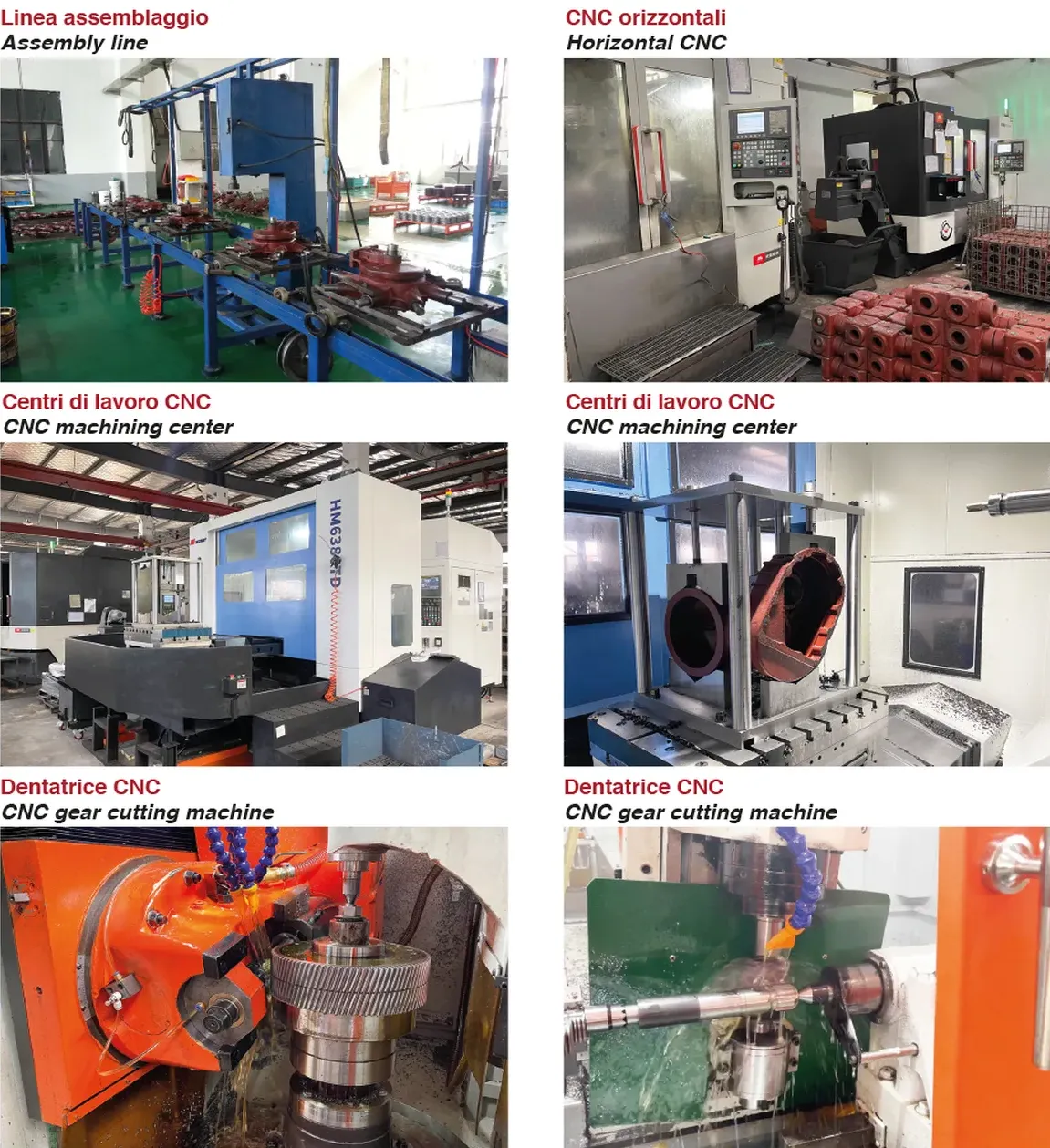
Engineer Perspective: Design Philosophy and Innovations
Design began with finite element analysis of housing under 2600 Nm peak loads, optimizing wall thickness to reduce weight while maintaining rigidity. Spiral bevel input gears provide smooth 90-degree redirection with 1.5 contact ratio, lowering noise below 78 dB(A). Carburized 20CrMnTi gears achieve 0.8-1.2 mm case depth, balancing toughness against bending fatigue. User feedback from South American installations led to enlarged oil sumps and magnetic drain plugs to capture wear particles early. Iterative testing in 45°C chambers confirmed seal performance, extending service intervals. Recent upgrades include optional forced lubrication for 24/7 plants.
Customer Cases and Field Notes
Case 1 – Córdoba, Argentina: A 1200 kg/h plant processing wheat straw faced frequent belt slippage in summer heat. After gearbox swap, torque delivery stabilized, cutting downtime 70%. Operator noted: “No more adjustments every shift; fuel output increased 18%.”
Case 2 – Santa Fe, Argentina: Soybean residue briquetting unit struggled with dust ingress. Upgraded sealing and IP65 rating resolved bearing failures, achieving 6200 hours without overhaul. Manager commented: “Saved 40% on maintenance compared to previous setup.”
Case 3 – Uruguay (Colonia): Rice husk operation required higher ratio for denser briquettes. Custom 4.8:1 configuration improved energy density to 1.1 g/cm³. User feedback: “Consistent quality sold to local power plants at premium.”
Case 4 – Brazil (Paraná): Mixed straw-bagasse line experienced overload trips. Integrated slip clutch extension prevented shaft shear twice in first month. Engineer log: “Torque peaks managed without halting production.”
Case 5 – Midwest Argentina: Small farm cooperative upgraded to handle maize stalks. Stable output speed reduced fines by 25%. Farmer stated: “Briquettes burn cleaner; neighbors now buy our excess.”
Signs Indicating Gearbox Replacement Need
- Increased operating noise exceeding 82 dB(A) or metallic grinding during load.
- Oil leakage at seals or breather after 3000 hours.
- Temperature spikes above 95°C sustained during normal runs.
- Vibration increase indicating bearing wear or misalignment.
- Reduced briquette density or inconsistent length signaling torque loss.
- Overload device activation more than twice per shift.
Related Products for Complete Biomass Systems
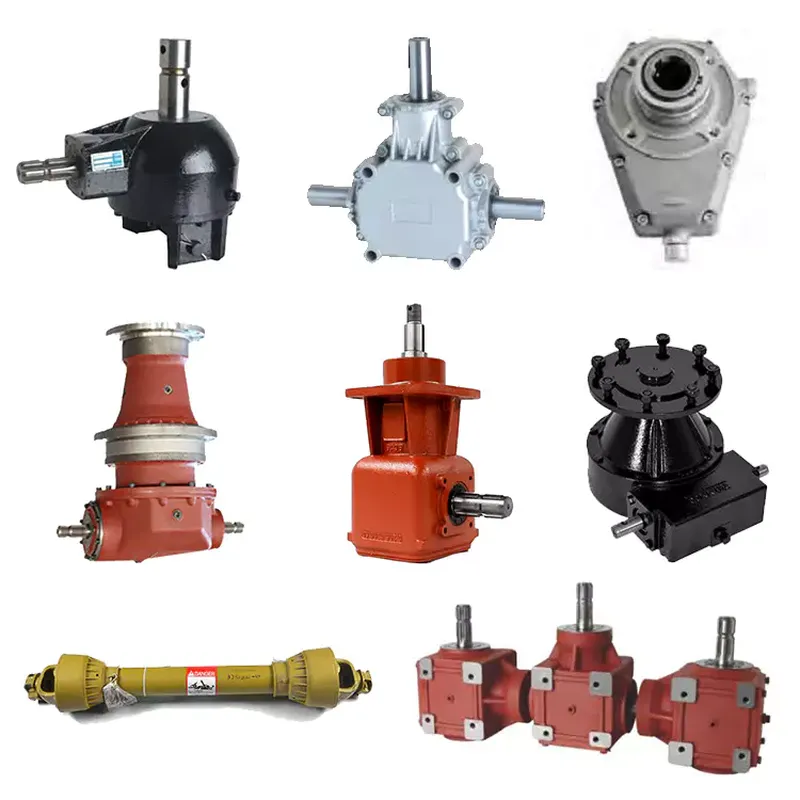
Complement the gearbox with PTO shafts featuring safety guards, telescopic sections, and wide-angle joints for flexible tractor connection. Additional accessories include chain wheels, roller chains, lubrication pumps, belt pulleys, couplings, and hydraulic cylinders for press rams. Full briquetting lines integrate compatible seeders or harvesters optionally fitted with matching gearboxes. One-stop sourcing ensures interface compatibility, reducing assembly mismatches and downtime. Explore our full agricultural gearbox series and components to equip entire operations from field to fuel production.
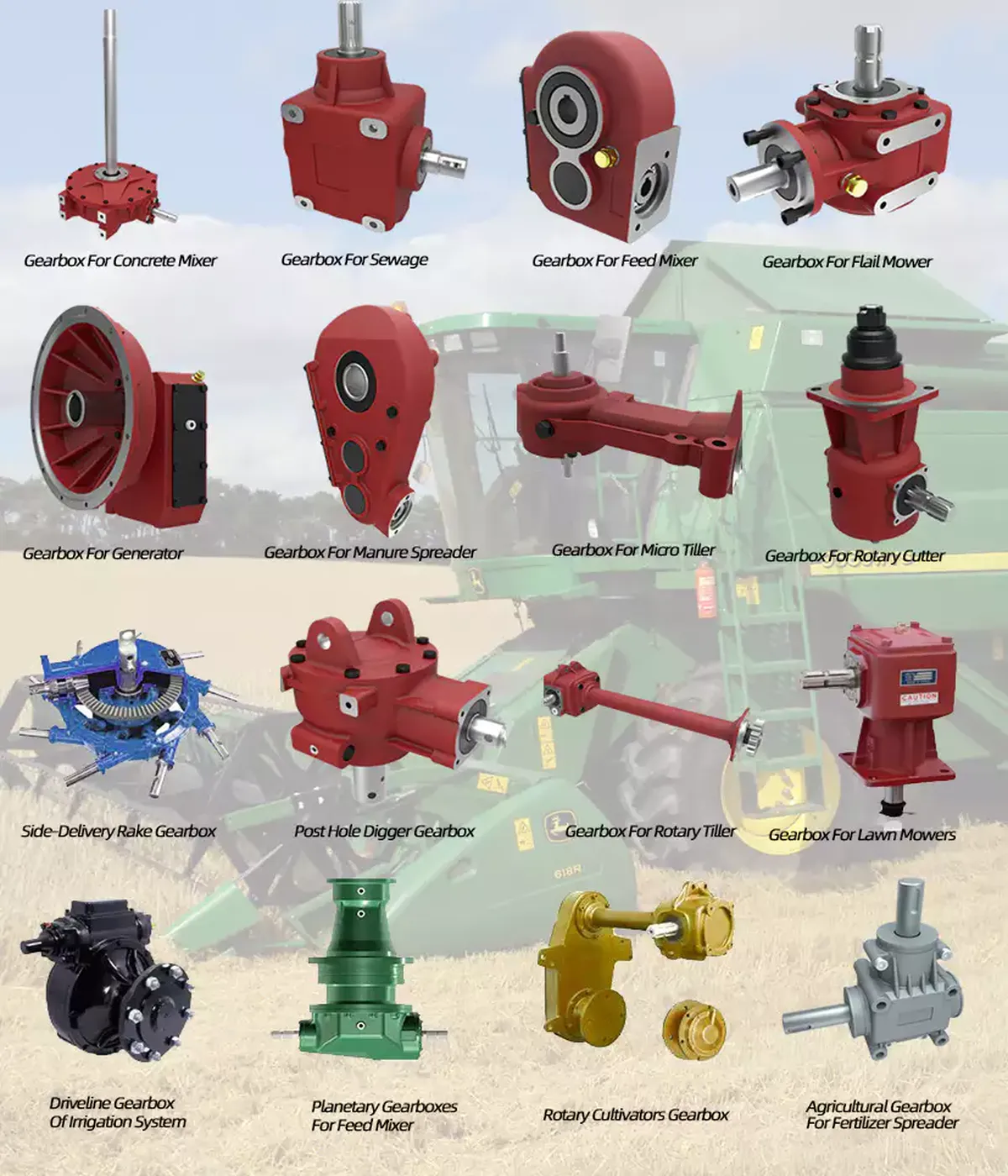
Our comprehensive lineup covers all agricultural transmission needs, allowing procurement of gearboxes, PTO shafts, chains, sprockets, and hydraulic parts from a single source. This approach streamlines maintenance and upgrades for biomass processors worldwide.
Why Choose This Gearbox Solution
Proven durability in high-dust, high-temperature conditions, combined with precise torque delivery and extended service intervals, delivers measurable ROI through reduced downtime and maintenance. Contact us to discuss your specific straw briquetting requirements.
Frequently Asked Questions
1. What input speeds does the gearbox support for straw briquetting?
Most units accept standard 540 rpm or 1000 rpm PTO from tractors 50-150 HP. Higher speeds suit smaller machines while 540 rpm handles heavier loads common in wheat straw processing.
2. How often should oil be changed in dusty environments like Argentine fields?
Recommend 1000 hours or annually, whichever comes first. Use magnetic plugs to monitor metal particles and extend intervals if contamination remains low.
3. Can the gearbox handle mixed straw and bagasse feedstocks?
Yes, with service factor 1.8 and overload protection, it manages variable density and fiber content typical in South American operations.
4. What maintenance reduces seal failures in hot climates?
Check breather vents monthly to prevent pressure buildup, clean fins for heat dissipation, and inspect seals during oil changes.
5. Is this gearbox suitable for upgrading older briquetting presses?
It matches common flange patterns and shaft sizes on machines from 800-2000 kg/h capacity, offering direct replacement with improved torque capacity.
Inquire about custom ratios or bulk supply for your straw briquetting operation or visit our main page for more transmission solutions.