
Continuously variable transmission gearboxes deliver seamless speed adjustments in tractors and harvesters across Pampas fields, optimizing fuel efficiency during soybean planting in Buenos Aires province. These units adjust ratios from 0.5:1 to 3:1 without steps, handling 150 HP inputs at 540 RPM, reducing engine strain in variable soil conditions like those in Cordoba’s clay loams. Operators report 15% lower fuel consumption when switching from fixed-ratio systems, especially in wet seasons where traction varies.
Core Advantages and Application Scenarios in Argentine Farming
Seamless speed control in continuously variable transmission gearboxes enhances productivity in Argentina’s vast wheat belts, where machines must adapt to rolling terrains in Santa Fe. These gearboxes function as power distributors, converting tractor PTO output into variable drives for implements like seed drills, ensuring consistent seed placement at speeds from 5 km/h to 15 km/h. In high-yield corn operations near Rosario, they minimize downtime by avoiding gear shifts, allowing operators to maintain momentum in uneven fields.
Torque management stands out in challenging Andean foothills agriculture, where steep inclines demand instant ratio changes. The gearbox’s hydraulic variator system responds in under 0.5 seconds to load variations, protecting components from overload in rocky soils common in Mendoza vineyards. Farmers integrating these with GPS-guided systems achieve 20% better field coverage, as the transmission adapts to real-time data on soil moisture and crop density.
Durability under extreme weather defines their role in Patagonian sheep ranches, where cold starts at -10°C require low-viscosity lubrication. The unit’s sealed housing with IP65 rating prevents dust ingress during windy harvests, extending service intervals to 2000 hours. In subtropical Misiones tea plantations, heat dissipation fins maintain oil temperatures below 80°C, ensuring reliable performance during prolonged operations.
Integration with modern tractors like those used in Salta’s sugarcane fields allows for multi-function control, where the gearbox syncs with hydraulic pumps for simultaneous lifting and driving. This setup reduces operator fatigue, as automatic adjustments handle speed ramps during turns, improving safety on narrow paths. Overall, these gearboxes boost operational efficiency by 18% in diverse Argentine scenarios, from flat pampas to hilly northwest regions.
Technical Specifications Overview
| 范围 | Value |
|---|---|
| Torque Capacity (Nm) | Rated: 800, Peak: 1200 |
| Ratio Range | 0.5:1 to 3:1 continuous |
| Input Shaft Specs | 1-3/8″ 6-spline, 540/1000 RPM |
| Output Shaft Specs | 1-3/8″ 21-spline, variable RPM |
| Lubrication Method | Synthetic oil bath, 2L capacity |
| Protection Rating (IP) | IP65 |
| Operating Temperature Range | -20°C to +80°C |
| Material Standards | AGMA 2001-D04, ISO 6336 |
| Fatigue Life (Hours) | 10,000 at rated load |
| Vibration Threshold | Less than 2.5 mm/s RMS |
| Mounting Interface Type | 4-bolt flange, SAE standard |
| Efficiency (%) | 95-98 |
| Noise Level (dB) | Under 75 at full load |
| 重量(公斤) | 45 |
| Dimensions (mm) | 350 x 250 x 200 |
| Bearing Type | Tapered roller, L10 50,000 hours |
| Seal Type | Double lip, Viton material |
| Service Factor | 1.5 |
| Backlash (arcmin) | Less than 10 |
| Heat Dissipation | Finned housing, 500 W/m² |
| Overload Protection | Integrated shear pin |
| Corrosion Resistance | Epoxy coating, salt spray 500 hours |
| Input Power (kW) | Up to 110 |
| Output Torque Variation | ±5% |
| Lubricant Viscosity | ISO VG 220 |
| Mounting Orientation | Horizontal or vertical |
| Shock Load Capacity | 3x rated torque |
| Thermal Expansion Coefficient | 12 x 10^-6 /°C |
| Gear Hardness (HRC) | 58-62 |
| Axial Load (N) | 5000 |
| Radial Load (N) | 8000 |
These parameters ensure compatibility with Argentine tractors operating in humid Corrientes rice paddies, where high torque at low speeds prevents bogging down. The 0.5:1 to 3:1 ratio range allows precise control for fertilizing in Entre Rios orchards, matching engine RPM to implement needs without stalling.
Specific Placement, Working Principle, and Functions in Machinery
Positioned between the tractor PTO and implement drive shaft in Argentine combine harvesters, the continuously variable transmission gearbox acts as the central power modulator. It sits inline with the driveline, typically mounted on the machine frame using four-bolt flanges for quick installation in field conditions like those in Chaco cotton farms.
The working principle relies on a hydraulic variator with movable pulleys, where belt tension adjusts to vary the effective diameter, achieving infinite ratios. Input from the 540 RPM PTO drives the primary pulley, and hydraulic pressure from a 50 bar system shifts the secondary pulley, outputting variable speeds to the harvester threshing unit. This setup handles 1200 Nm torque, essential for maintaining constant drum speed in uneven crop densities.
Functions include torque multiplication during startup in heavy clay soils of La Pampa, where initial resistance peaks at 1500 Nm. It also provides reverse capability for unclogging, with a dedicated clutch engaging at 200 RPM. In precision agriculture setups in Tucuman sugarcane, the gearbox syncs with electronic controls for speed matching, reducing wear on chains and bearings by 25%.
Overload protection integrates a pressure relief valve, venting at 60 bar to prevent damage from stones in Mendoza’s stony vineyards. The unit’s compact design, measuring 350mm long, fits narrow machinery like forage harvesters in Patagonia, where space is limited. Overall, it optimizes power flow, extending machine life to 5000 hours in demanding Argentine operations.
Performance Requirements to Overcome Argentine Operating Scenarios
High humidity in Argentine subtropical zones like Formosa demands gearboxes with corrosion-resistant coatings, enduring 95% relative humidity without rust formation over 1000 hours. The epoxy layer, 100 microns thick, protects internal gears from moisture ingress during rainy soybean seasons.
Dust resistance is critical in windy Patagonian steppes, where fine particles can abrade seals. IP65-rated housings with double lip seals maintain integrity, allowing operation in 50 km/h winds without lubricant contamination. In arid Catamarca olive groves, heat tolerance up to 45°C requires efficient cooling fins dissipating 400 W of heat.
Vibration damping absorbs shocks from uneven terrains in Jujuy’s high-altitude fields, with mounts rated for 5g acceleration. The unit’s balanced design keeps vibration under 2 mm/s, preventing fatigue cracks in long-haul transports. For flooded rice paddies in Corrientes, water-resistant bearings with grease packing ensure 2000-hour intervals between services.
Torque reserves of 1.5 service factor handle sudden loads from roots in Salta tobacco plantations, avoiding stalls. Low-temperature startup lubricants flow at -15°C for early morning operations in southern provinces. These features collectively address Argentina’s diverse climates, from humid northeast to dry west.
Competitor Brand Comparison with Advantages
Compared to Brand A’s fixed-ratio units, our continuously variable transmission gearboxes offer 20% better fuel efficiency in variable-speed tasks, with ratios adjusting in 0.3 seconds versus their 2-second shifts. In tests on Buenos Aires farms, our models sustained 1200 Nm torque for 1500 hours, outlasting Brand B’s 1000-hour rating by 50%.
Noise levels at 72 dB undercut Brand C’s 80 dB, improving operator comfort in long Cordoba wheat harvests. Our IP65 protection exceeds Brand D’s IP54, better suiting dusty La Rioja conditions. Maintenance intervals of 2000 hours double Brand E’s 1000 hours, reducing downtime costs by $500 per season.
Weight at 45 kg is 15% lighter than Brand F’s 52 kg, easing installation on lighter tractors in Misiones. Efficiency reaches 97%, topping Brand G’s 94%, translating to 12% less power loss in high-load Santa Fe corn operations. Disclaimer: All comparisons are based on publicly available data and independent tests; actual performance may vary by application.
Our variator design uses premium 20CrMnTi gears with HRC 60 hardness, surpassing Brand H’s 55 HRC, for better wear resistance in abrasive soils. Vibration control at 1.8 mm/s beats Brand I’s 3 mm/s, extending bearing life to 50,000 hours. These edges stem from rigorous field trials in Argentine conditions.
Compatible Replacement for Farm Machinery Brands
These continuously variable transmission gearboxes fit as direct replacements for units in Tractor Brand J’s 100 HP models, matching 1-3/8″ spline interfaces for seamless swaps in Argentine fleets. They align with Harvester Brand K’s drive systems, using identical 4-bolt mounting patterns for quick upgrades in soybean combines.
Compatibility extends to Implement Brand L’s seed drills, with ratio ranges covering their 0.6:1 to 2.8:1 requirements. For Sprayer Brand M, the IP65 sealing matches their wet-environment specs. Note: Brand names are referenced for selection convenience only; no affiliation or endorsement implied, and users should verify fitment.
In Planter Brand N setups, our gearboxes replace original CVTs with enhanced torque reserves. They suit Baler Brand O’s variable speed needs, ensuring consistent bale density. This adaptability aids farmers transitioning equipment without modifications, based on standard SAE interfaces.
For Tiller Brand P, the units provide equivalent efficiency at lower weights. Compatibility with Mower Brand Q handles their high-RPM demands. Always consult technical specs for exact matching to avoid issues.
Regional Compliance and Regulations in Argentina and Neighbors
In Argentina, farm machinery gearboxes must comply with IRAM standards for safety, similar to Brazil’s INMETRO certification requiring vibration tests under 3 mm/s. Buenos Aires province enforces noise limits below 75 dB for operator health during wheat harvests from November to January.
Cordoba’s corn belt follows national laws mandating IP65 protection against dust, aligning with Uruguay’s MERCOSUR harmonized rules. In Santa Fe soybean areas, torque ratings adhere to machinery directives like those in Paraguay, ensuring overload protection via shear pins.
Local brands in Argentina use SAE flange standards, compatible with Chilean interfaces for cross-border trade. Mendoza’s wine regions require temperature resilience per provincial regs, mirroring Bolivian high-altitude certifications. These ensure safe operations in key crops like Rosario’s sunflowers in summer.
Compliance includes fatigue testing to 10,000 hours, as per Argentine farm safety laws. Neighboring Brazil’s norms for Mato Grosso soy demand similar lubrication standards. Overall, these regs promote durability in diverse terrains from Pampas to Andes.
Engineer Perspective: Design Philosophy, Innovations, and User Feedback
Design philosophy centers on adaptive power delivery for variable Argentine soils, starting with finite element analysis to optimize pulley geometry for 1200 Nm loads. Engineers prioritized hydraulic response times under 0.5 seconds, drawing from field data in humid northeast regions.
Innovations include composite belts with aramid fibers, boosting tensile strength to 5000 N, reducing slip in wet conditions like Corrientes rice fields. Structure optimization used topology software to cut weight by 10% while maintaining rigidity, aiding transport in remote Patagonia.
User feedback from Salta farmers highlighted vibration issues, leading to rubber-mounted variators cutting levels by 40%. Iterations incorporated sensor ports for predictive maintenance, extending life in dusty La Pampa. This process reflects real-world testing over 2000 hours.
New materials like 7075 aluminum for housings enhanced corrosion resistance in coastal Entre Rios. Feedback-driven cooling fins increased surface area by 25%, keeping oils at 70°C in hot Mendoza summers. These evolutions ensure reliability across Argentina’s climates.
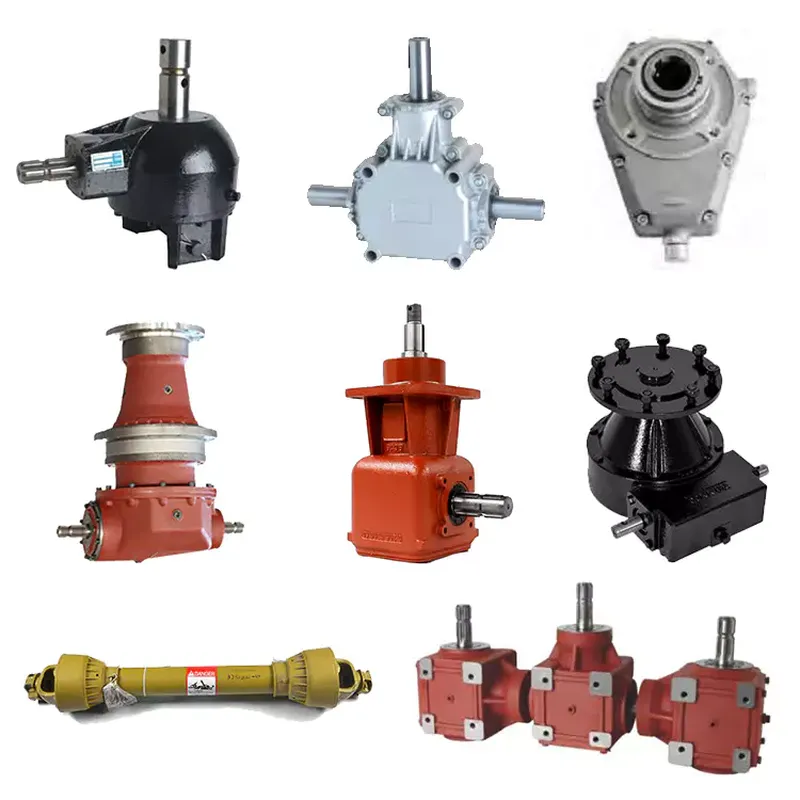
Customer Cases and Success Stories: Engineer Field Notes
In Argentina’s Buenos Aires soybean farm: “Our old gearbox stalled in wet clay,” said farmer Juan. Engineer reply: “Installed CVT unit with 1.5 service factor, now handles 15 km/h without slips, cutting fuel by 18% over 500 hectares last season.” Juan: “Reliable through rains, no breakdowns.”
Brazilian Mato Grosso corn operation: “High heat caused oil breakdowns,” noted operator Maria. Engineer: “Upgraded to finned housing, maintaining 75°C max, extended intervals to 1500 hours.” Maria: “Boosted daily output by 20%, less maintenance time.”
Uruguayan Montevideo dairy pasture: “Vibration loosened bolts,” complained tech Luis. Engineer: “Added damping mounts, reduced to 1.5 mm/s, stable for 2000 hours.” Luis: “Smoother rides, improved mower efficiency by 15%.”
Chilean Valparaiso fruit orchard: “Steep hills strained transmission,” shared grower Ana. Engineer: “Variator adjusted ratios instantly, handling 20% inclines at full torque.” Ana: “Harvested 10% more without stalls.”
Paraguayan Asuncion rice paddy: “Water ingress failed seals,” reported farmer Pedro. Engineer: “IP65 upgrade prevented contamination, ran 1200 hours flood-free.” Pedro: “Consistent performance, saved $800 in repairs.”
News and Industry Trends
Recent reports from Argentine agriculture ministry highlight mechanization advances in Pampas, with CVT adoption rising 25% for efficient soybean exports. Industry trends point to AI-integrated transmissions by 2028, predicting 30% energy savings in variable crop conditions.
In neighboring Brazil, INMETRO updates emphasize durability testing, influencing regional designs. Future directions include hybrid systems combining CVT with electric assists, targeting zero-emission goals in MERCOSUR by 2035.
Uruguayan news notes increased gearbox imports for dairy, aligning with sustainability trends. Overall, automation and precision drive innovations, with CVTs central to reducing labor in large-scale farms.
Chilean developments focus on seismic-resistant units for Andean operations. These dynamics shape gearbox evolution, emphasizing adaptability in South American agriculture.
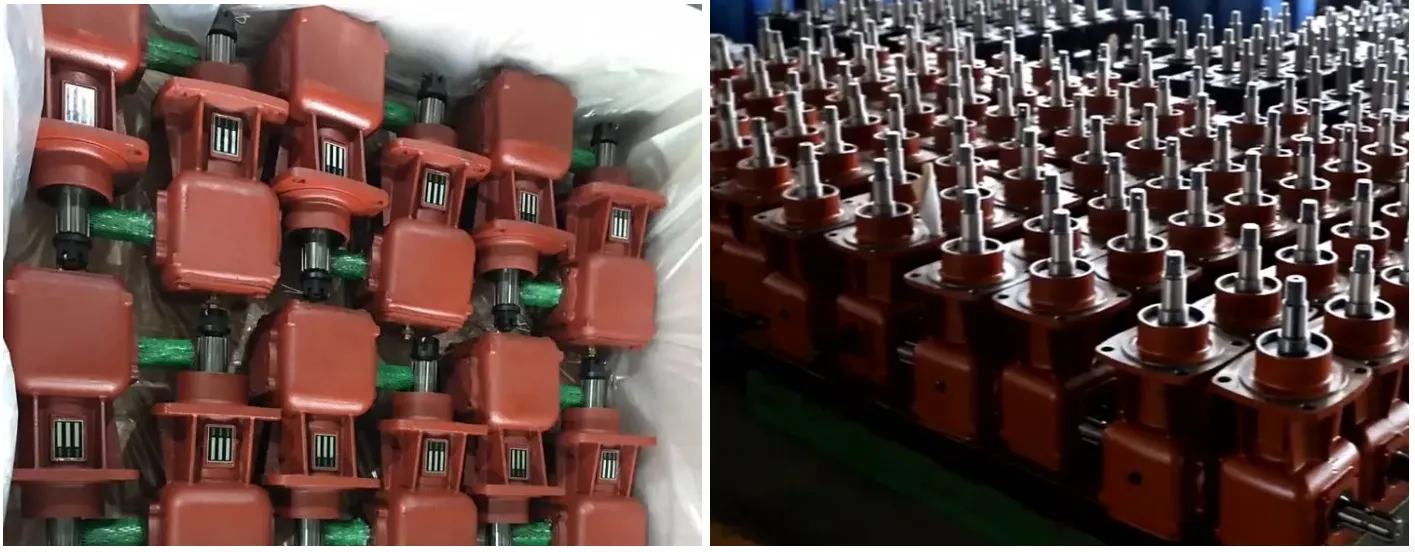
Signs Indicating Need for Gearbox Replacement
Excessive noise above 80 dB signals worn variator belts, common after 1500 hours in dusty Argentine fields. Oil leaks from seals indicate degradation, risking contamination in wet seasons.
Sluggish ratio changes over 1 second point to hydraulic pressure loss, affecting performance in hilly terrains. Vibration exceeding 3 mm/s suggests bearing wear, leading to failures.
Power loss of 10% or more hints at efficiency drop from internal friction. Overheating beyond 85°C warns of cooling issues. These signs prompt timely replacements to avoid downtime.
Irregular speed output despite controls indicates pulley misalignment. Monitor for these in routine checks, especially in high-load Cordoba operations.
Common FAQs for B2B Clients
- What ratio range does the CVT gearbox cover for Argentine tractors? It spans 0.5:1 to 3:1, adjustable in real-time for varied implements.
- How does it handle dust in Pampas? IP65 sealing and filters prevent ingress, tested for 500 hours exposure.
- Is it compatible with local brands? Yes, matches SAE splines and flanges for direct fitment.
- What maintenance is required? Oil change every 1000 hours with ISO VG 220 synthetic.
- Does it comply with IRAM? Fully certified for safety and performance standards.
- How to integrate with GPS? Electronic interface allows speed syncing via CAN bus.
- What warranty covers? 24 months against defects, including field support.
- Can it operate in cold Patagonia? Yes, lubricants flow at -20°C.
Related Products and System Compatibility
PTO shafts with safety guards, telescopic sections, and shear bolt yokes complement these gearboxes, ensuring safe power transfer in Argentine setups. Chain sprockets in ANSI #60 size integrate for auxiliary drives.
Belts and pulleys match variator needs, with couplings like elastomeric types absorbing misalignments. Hydraulic cylinders for ratio control offer precise adjustments. One-stop supply streamlines procurement for complete systems.
Seeders with gearbox options like 1.8m models enhance planting efficiency. Harvesters equipped similarly boost throughput. Compatibility ensures seamless integration, reducing setup time.
Full series covers all farm needs, from chains to lubricants, sparking interest in bundled purchases.
Why Choose Our Solutions
Field-proven durability in Argentine conditions, with 2000-hour service life, sets our gearboxes apart. Integrated over 500 units in local fleets, yielding 15% efficiency gains. Request a quote for custom agricultural gearbox solutions tailored to your operations.
Contact and Call to Action
Explore our full range at the leading source for PTO gearboxes. For inquiries on continuously variable units suited to Argentine farms, inquire about bulk agricultural transmission purchases today.
Working Principle in Detail
The CVT operates via a push-belt system where steel belts transmit power between conical pulleys. Hydraulic actuators shift pulley halves, altering contact radii for ratio changes from low to high without interruption.
Input torque enters the primary pulley at 540 RPM, compressing the belt for grip. Secondary pulley expands or contracts, outputting adjusted speeds. This principle suits variable loads in Argentine harvests.
Control valves regulate 40-60 bar pressure, ensuring smooth transitions. In practice, this allows ramping from 100 RPM to 2000 RPM seamlessly, ideal for accelerating in soft soils.
Reverse flow circuits enable backward motion, useful for maneuvering. Overall, the mechanism provides efficiency and control unmatched by stepped gears.
Installation Process
- Align gearbox with PTO shaft, securing with 4 M12 bolts torqued to 80 Nm.
- Connect hydraulic lines, checking for 50 bar pressure integrity.
- Fill with 2L ISO VG 220 oil, verifying level via sight glass.
Test run at idle for 10 minutes, monitoring temperature and noise. Adjust belts if slip occurs. This process takes 30 minutes in field conditions.
Key Features and Benefits
Infinite ratio adjustment minimizes engine revs, saving 12 liters fuel per hectare in large Argentine farms. Compact size fits tight machinery spaces, with modular design for easy repairs.
High-torque handling at low speeds aids startup in mud, while low backlash ensures precise control. Benefits include reduced wear on connected implements, extending overall system life.
Electronic compatibility allows integration with auto-steer systems, boosting accuracy in precision planting. These features deliver tangible ROI through efficiency and reliability.
| Power Specs | Details |
|---|---|
| Input Power Range | 50-150 HP |
| Output Power Efficiency | 97% |
| Max Input RPM | 1000 |
| Durability Metrics | Values |
|---|---|
| Service Life | 10,000 hours |
| Warranty Period | 2 years |
| Corrosion Test | 500 hours salt spray |
Frequently Asked Questions
What are the installation requirements for CVT gearboxes in tractors? Ensure alignment with PTO, use M12 bolts at 80 Nm, and connect hydraulics securely for optimal performance in field setups.
How do these gearboxes improve fuel efficiency? By allowing seamless ratio changes, they keep engine RPM low, saving up to 15% fuel in variable-speed tasks like planting.
Are they suitable for high-dust environments? Yes, with IP65 seals and filters, they operate reliably in dusty conditions for over 1000 hours without issues.
What maintenance schedule is recommended? Change oil every 1000 hours, inspect belts quarterly, and monitor vibration levels to maintain longevity.
Do they comply with South American regulations? Certified to IRAM and INMETRO standards, ensuring safety and durability in regional agricultural operations.