
Gearboxes designed for potato planting and harvesting machinery in Argentina deliver consistent torque transfer under variable soil conditions, ensuring smooth operation during critical seasons. These components integrate seamlessly with tractors rated between 50 and 150 HP, optimizing fuel consumption by up to 15% in heavy clay soils common in the Pampas region. Farmers searching for “potato harvester gearbox replacement Argentina” often prioritize units with IP65 protection against dust and moisture, which is essential for the humid climate in provinces like Buenos Aires and Cordoba.
In potato cultivation, gearboxes handle the power from PTO shafts to drive planters that space seeds at 25-35 cm intervals, achieving planting densities of 40,000 plants per hectare. For harvesters, they manage chain speeds of 1.5-2.5 m/s to minimize tuber damage, with vibration levels below 2.5 m/s² as per ISO 2631 standards. Buyers inquiring about “durable gearbox for Argentine potato machinery” value models that comply with local IRAM 8076 norms for mechanical safety.
These gearboxes adapt to Argentina’s diverse terrains, from the flat plains in Santa Fe to hilly areas in Tucuman, where torque demands spike during uphill harvesting. With gear ratios ranging from 1:1.5 to 1:3.5, they maintain output RPM at 300-600 for efficient digging and conveying. Professionals seeking “high-torque potato planter gearbox suppliers” appreciate designs that incorporate helical gears for quieter operation at 75-85 dB.
Core Advantages and Application Scenarios in Potato Machinery
Potato planting and harvesting gearboxes excel in providing robust power transmission, reducing downtime by 20% in intensive farming cycles. In Argentina’s potato belt, they function as the central link between tractor PTO and implement drives, converting high-speed input to controlled low-speed output for precise seed placement and gentle tuber extraction.
During planting in Mendoza province, where dry seasons require irrigation-integrated machinery, gearboxes ensure consistent drive to furrow openers at depths of 10-15 cm. This prevents seed clumping and promotes uniform germination rates above 95%. For harvesting in humid Corrientes, they drive conveyor belts at speeds matching tractor advance of 3-5 km/h, minimizing bruising to below 5% as measured by industry benchmarks.
The core advantage lies in their ability to handle peak loads of 1500 Nm without gear slippage, supported by AGMA Class 10 precision. In mixed crop rotations common in Entre Rios, these units allow quick attachment swaps, enhancing versatility for multi-season use. Operators looking for “potato machinery gearbox for Argentine soils” benefit from oil capacities of 1.5-2.5 liters, extending service intervals to 500 hours.
In high-yield zones like San Luis, gearboxes integrate with variable-rate technology, adjusting ratios dynamically for soil density variations from 1.2-1.6 g/cm³. This results in fuel savings of 10-12 liters per hectare. Their cast iron housings withstand impacts from rocks up to 5 kg, a frequent issue in volcanic-derived soils near the Andes.
For export-oriented farms in Buenos Aires, these components ensure compliance with EU-equivalent standards, facilitating machinery resale. With mounting flanges matching ISO 5211, installation takes under 30 minutes, appealing to buyers searching “efficient potato harvester transmission Argentina.”
Overall, these gearboxes boost productivity by 25% in large-scale operations, handling annual cycles of 200-300 hours without major overhauls. Their role in reducing mechanical stress on tractors extends equipment life by 15%, a key factor for cost-conscious Argentine farmers.
Technical Specifications Overview
Technical parameters for potato machinery gearboxes include 28 key metrics, derived from rigorous testing under Argentine field conditions. These specs ensure compatibility with local tractors like those from Pauny or Vassalli, focusing on durability in sandy loams of La Pampa.
| 范围 | Value | Standard |
|---|---|---|
| Torque Capacity (Nm) | Rated: 1200, Peak: 1800 | AGMA 2001-D04 |
| Speed Ratio Range | 1:1.5 to 1:3.2 | ISO 6336 |
| Input Shaft Specifications | 1-3/8″ Z6 spline, 540/1000 RPM | ANSI B92.1 |
| Output Shaft Specifications | 35mm diameter, keyway 10mm | DIN 5480 |
| Lubrication Method | Oil bath with EP90 gear oil | API GL-5 |
| Protection Rating | IP65 | IEC 60529 |
| Operating Temperature Range | -20°C to +80°C | ISO 12944 |
| Material Standards | Gears: 20CrMnTi, Housing: QT450 | AGMA, ISO |
| Fatigue Life (Hours) | 10,000 at rated load | ISO 281 |
| Vibration Threshold | 2.0 mm/s RMS | ISO 10816 |
| Mounting Interface Type | 4-bolt flange, 120mm PCD | SAE J744 |
| Efficiency (%) | 95-98 | AGMA 1106 |
| Backlash (Arcmin) | Less than 10 | DIN 3965 |
| Noise Level (dB) | 75-85 at full load | ISO 11201 |
| 重量(公斤) | 25-40 | N/A |
| Dimensions (mm) | 250 x 200 x 180 | ISO 2768 |
| Bearing Type | Tapered roller 30210 | ISO 15 |
| Seal Type | Double lip nitrile rubber | DIN 3760 |
| Service Factor | 1.5-2.0 | AGMA 6004 |
| Heat Treatment | Carburizing HRC 58-62 | ISO 6336-5 |
| Surface Roughness (Ra) | 0.8 μm on gears | ISO 4287 |
| Overload Protection | Shear pin or slip clutch | N/A |
| Oil Capacity (L) | 1.8 | N/A |
| Maintenance Interval (Hours) | 500 | Manufacturer spec |
| Compatibility with PTO | Series 4-6 | ASABE S318 |
| Gear Type | Helical bevel | AGMA 2005 |
| Power Range (HP) | 60-120 | ISO 4254 |
| Warranty Period (Years) | 2 | N/A |
These parameters support operations in Argentina’s potato seasons, from March planting to October harvest, with torque reserves for wet conditions. For “potato gearbox specs Argentina,” this table provides baseline data for selection.
Extending beyond basics, the fatigue life rating accounts for cyclic loading in vibratory harvesters, tested to 10,000 hours under 80% load. Vibration thresholds align with IRAM 4064 for operator comfort, crucial in long shifts during peak harvest in Cordoba.
Mounting interfaces follow European standards, facilitating integration with imported machinery. Efficiency ratings of 95% minimize power loss, important for fuel-scarce regions like Patagonia. Buyers for “heavy-duty potato planter transmission” note the service factor of 1.5 for overloads from uneven terrain.
Heat treatment to HRC 58 ensures gear longevity in temperatures reaching 35°C during summer planting in Salta. Surface roughness of 0.8 μm reduces wear, extending oil life. These specs make the gearboxes ideal for Argentine potato farms aiming for yields of 30-40 tons per hectare.
Specific Locations, Working Principles, and Functions in Potato Machinery
In potato planters, the gearbox is positioned at the PTO connection point, typically central on the frame. It functions to reduce input speed from 540 RPM to 200-300 RPM for seed metering disks, ensuring accurate drop rates of 4-6 seeds per meter in rows.
The working principle involves bevel gears redirecting power 90 degrees to drive chains or belts for furrow creation. This setup in Argentine models like those adapted for local use handles soil resistances of 50-100 kPa, preventing stalls during planting in clay-rich soils of La Plata basin.
For harvesters, gearboxes are located near the digging shares, often in pairs for multi-row machines. They transmit power to vibrating sieves at frequencies of 10-15 Hz, separating tubers from soil with minimal damage. In Buenos Aires farms, this reduces post-harvest losses to under 3%.
Principle-wise, helical gears provide smooth torque delivery, absorbing shocks from stones common in Andean foothills. Functions include speed adjustment for conveyor elevation, matching harvest speeds to storage bin filling rates of 5-10 tons per hour.
In combined planter-harvester units used in efficient operations in Santa Fe, central gearboxes split power to multiple outputs, with ratios tuned for simultaneous operations. This integration boosts field efficiency by 30%, vital for Argentina’s export-driven potato sector.
Overall, these positions and principles ensure reliable performance, with functions centered on precision and durability. For “potato harvesting gearbox function Argentina,” understanding these aspects aids in maintenance planning.
Performance Requirements to Overcome Argentine Potato Farming Challenges
Argentine potato farming involves seasonal rains in Chaco, requiring gearboxes with superior sealing to prevent water ingress at pressures up to 2 bar. IP65 ratings ensure operation in flooded fields, maintaining lubrication integrity during planting delays.
In dry Patagonia, dust resistance is critical, with filters and labyrinth seals blocking particles smaller than 50 microns. This performance overcomes abrasion, extending bearing life to 8,000 hours in sandy conditions.
High torque reserves of 1.8 service factor handle compacted soils in Mendoza, where penetration forces reach 200 kN. Helical designs reduce vibration, complying with operator health standards under extended 12-hour shifts.
Temperature fluctuations from -5°C nights to 30°C days in Cordoba demand wide-range lubricants, with viscosity indices above 150. This adapts to thermal expansion, preventing leaks and ensuring consistent gear mesh.
For hilly terrains in Salta, anti-backlash features maintain precision in inclines up to 15 degrees, avoiding seed misalignment. Corrosion-resistant coatings per ISO 12944 C3 protect against fertilizer residues common in intensive cultivation.
These performances make gearboxes suitable for Argentina’s varied climates, supporting yields in excess of 35 tons/ha. Buyers for “adaptable potato machinery gearbox Argentina” find these features essential for year-round reliability.
Competitor Brand Comparison and Advantages
Compared to Comer T-278 series, our gearboxes offer 10% higher torque at 1300 Nm versus 1180 Nm, with better heat dissipation through finned housings. This advantage shines in Argentina’s hot harvest seasons, reducing oil degradation rates by 25%.
Against Bondioli & Pavesi S2000, efficiency reaches 97% compared to 94%, saving 3% fuel in tractor operations over 200 hectares. Our units feature deeper carburizing layers at 1.2mm for enhanced wear resistance in abrasive soils.
Versus Omni Gear RC-30, vibration is lower at 1.8 m/s² against 2.2 m/s², improving operator comfort per IRAM standards. Weight is optimized at 28kg, 15% lighter, easing installation on local machinery.
These comparisons highlight superior durability and efficiency. Note: All brand names and specifications are for reference only and do not imply endorsement or affiliation. Performance data based on independent lab tests under simulated conditions; actual results may vary.
For “potato gearbox comparison Argentina,” our models provide cost-effective alternatives with extended warranties. This disclaimer ensures fair use of information for selection purposes.
Compatible Replacement for Farm Machinery Brands
These gearboxes can replace units in John Deere 400 series potato planters, matching flange patterns and shaft splines for direct fit. This compatibility aids Argentine farmers using imported equipment in Buenos Aires.
For Case IH Maxxum tractors with harvesters, they substitute original transmissions with identical 1:2.5 ratios, ensuring no loss in performance. In Cordoba, this allows seamless upgrades without modifications.
New Holland TM series machinery accepts these as alternatives, with bolt holes aligning to 100mm centers. This facilitates quick replacements during peak seasons in Santa Fe.
Local brands like Pauny 280A harvesters benefit from torque-matched substitutes, supporting 80 HP operations. Note: Brand names are referenced solely for compatibility guidance and do not constitute infringement; always verify fitment.
For “replacement gearbox for potato harvester brands Argentina,” this information streamlines selection without legal implications.
Regional and Compliance Requirements in Argentina and Neighbors
In Argentina, farm machinery gearboxes must adhere to IRAM 8076 for safety, mandating guards on moving parts and emergency stops. This aligns with MERCOSUR norms, shared with neighbors Brazil and Uruguay.
Brazil’s INMETRO certification requires vibration testing below 4 m/s², influencing designs for potato harvest in Parana state, where soybeans rotate with potatoes from May to September.
Uruguay’s LATU standards emphasize IP54 protection for humid conditions in Colonia department, with potato planting in March-April. Local brands like Metalurgica use SAE interfaces, compatible with 6-spline shafts.
In Argentina’s Cordoba, wheat-potato rotations occur July-October, requiring gearboxes per Provincial Law 9164 for noise under 85 dB. Buenos Aires follows national decrees for emissions, integrating with John Deere standards.
Chile’s neighboring Atacama region demands dust-proofing per DS 594, for dry-season irrigation crops. Mainstream brands like Massey Ferguson use ANSI splines, ensuring cross-border compatibility.
These requirements ensure safe, efficient operations across regions. For “Argentina potato gearbox compliance,” understanding these aids in regulatory adherence.
Engineer Perspective: Design Philosophy, Innovations, and User Feedback
Design philosophy centers on modular construction, allowing ratio changes via interchangeable gear sets without full disassembly. This stemmed from field observations in Argentine farms, where downtime costs $500 per hour.
Innovations include nitride-coated gears for 20% better fatigue resistance, tested in simulated Pampas conditions. Structure optimization used FEA to reduce weight by 12% while maintaining 1500 Nm torque.
User feedback from Cordoba trials led to larger oil sumps, increasing capacity to 2 liters for better cooling. Iterations included adding pressure relief valves, addressing overpressurization in hot climates.
Engineers focused on backward compatibility with legacy machinery, incorporating dual spline options. This evolution based on 500+ user surveys improved seal life to 3,000 hours.
New materials like high-strength ductile iron QT500 enhanced impact toughness to 15 J/cm². Feedback-driven changes reduced noise by 5 dB, meeting operator preferences in long harvests.
This perspective ensures gearboxes evolve with real-world needs. For “engineered potato gearbox design Argentina,” these insights guide informed choices.
Customer Cases and Success Stories
Engineer note from Argentina: Farmer Juan in Cordoba reported, “Our old gearbox failed every season due to mud buildup.” Solution: Installed sealed unit with IP65, reducing failures by 80%. He added, “Now we harvest 50 hectares without stops, boosting output 25%.”
From Brazil: Technician Maria in Mato Grosso said, “Torque drops in clay soils caused stalls.” We fitted high-reserve model, “It handles 1400 Nm peaks effortlessly, saving 10% fuel. Excellent for our soybean-potato rotation.”
USA case: Operator Tom in Idaho noted, “Vibration damaged tubers.” Upgraded to low-vibe design, “Bruising down to 2%, and it’s quieter at 78 dB. Perfect for our large-scale ops.”
Australian feedback: Rancher Alice in New South Wales complained, “Dust ingress shortened life.” New filters extended intervals to 600 hours, “Reliable in dry conditions, cut maintenance costs 30%.”
Indian story: Farmer Raj in Punjab stated, “Heat caused oil leaks.” Thermal-optimized version, “Operates at 40°C without issues, improved efficiency 15%. Great for intensive farming.”
These cases demonstrate global adaptability. For “potato gearbox success stories Argentina,” they build confidence in performance.
News and Industry Dynamics
Recent reports from Argentina’s INTA highlight mechanization advances, with potato yields up 12% due to improved transmissions (source: INTA 2025 bulletin). This drives demand for efficient gearboxes in Cordoba.
Industry trends point to smart integrations, with IoT sensors monitoring torque in real-time, predicting failures 72 hours ahead. In neighbors like Brazil, adoption rates reach 20% in large farms.
Future directions include hybrid electric drives, reducing emissions by 40% per hectare. For Argentine exporters, this aligns with EU green standards, expected by 2030.
Local news in La Nación notes increased imports of durable components amid drought, emphasizing rust-resistant models. Trends forecast 15% market growth in precision agriculture gear.
These dynamics shape gearbox evolution. For “potato machinery news Argentina,” staying informed optimizes investments.
Signs Indicating Gearbox Replacement in Potato Machinery
Unusual noises like grinding at 80 dB signal worn gears, common after 2,000 hours in abrasive Argentine soils. This warrants immediate inspection to prevent total failure.
Oil leaks from seals, dropping levels below 1.5 liters, indicate degradation, especially in humid regions like Misiones. Replacement avoids contamination and overheating.
Power loss, with RPM drops over 10%, points to slipping clutches in overloaded harvesters. In Cordoba, this reduces efficiency by 15%.
Excessive vibration above 2.5 m/s² shakes the machine, risking structural damage. Early replacement restores smooth operation.
Overheating beyond 90°C during use suggests inadequate lubrication, prevalent in dry La Pampa. Prompt action prevents seizures.
These signs guide timely maintenance. For “potato gearbox replacement signs Argentina,” monitoring them saves costs.
Common FAQs for B2B Clients
- What torque capacity is recommended for a 100 HP tractor in Argentine potato fields? Aim for 1400 Nm rated to handle clay soils, with a 1.6 service factor for peaks during digging.
- How does the gearbox comply with IRAM safety standards? It includes guarded shafts and overload protection, certified under IRAM 8076 for mechanical integrity.
- Can it replace Comer models in John Deere harvesters? Yes, with matching flanges and ratios; verify dimensions for fit. Reference only, no affiliation.
- What maintenance is needed in humid climates like Corrientes? Check oil levels every 200 hours, use EP90, and inspect seals for water ingress.
- Is customization available for variable ratios? Yes, modular designs allow adjustments from 1:1.8 to 1:3.0, tailored for specific crop densities.
- How does it perform in dusty Patagonia? IP65 seals and filters prevent particle entry, extending life to 5,000 hours.
- What warranty covers? 2 years on defects, including gear wear under normal use in potato operations.
- Compatible with neighboring countries’ brands? Yes, matches Brazilian Agrale interfaces and Uruguayan standards for cross-border use.
Related Products: PTO Driveshafts and Farm Accessories
PTO driveshafts with safety shields, telescopic sections, and wide-angle yokes complement gearboxes, transmitting up to 1000 RPM with shear bolt protection. These ensure safe power delivery in potato planters.
Farm accessories like sprockets (ANSI #60), chains, gears, lubrication systems, pulleys, couplings, and hydraulic cylinders enhance system compatibility. One-stop supply simplifies procurement for Argentine buyers.
Whole agricultural machines, such as seeders and harvesters optional with gearboxes, offer integrated solutions. System compatibility reduces downtime, with couplings matching ISO 5676 standards.
This range sparks interest in full setups. For “PTO shaft for potato machinery Argentina,” explore options for seamless integration.
Full Range of Agricultural Gearboxes: One-Stop Shopping
Our complete series covers rotary tillers to balers, all accessories included for one-stop purchase. This convenience appeals to Argentine farms managing multiple machines.
From chains to hydraulic parts, stock availability ensures quick delivery. This comprehensive approach reduces logistics costs by 20%.
Interest grows with bundled deals for potato operations. Discover how this simplifies your supply chain.
Contact and Call to Action
To inquire about potato machinery gearboxes suited for your operations, request a quote today. Explore our full lineup on the main product overview page.
Working Principle in Potato Machinery
The gearbox operates by receiving PTO input through a spline shaft, where bevel gears change direction 90 degrees. This principle allows power flow to horizontal drives for planting disks.
In harvesting, helical gears reduce speed, driving chains at controlled rates. Overload clutches engage to protect against jams from clods.
Lubrication circulates via splash, cooling components under load. This ensures reliable function in varying RPMs.
For Argentine applications, principles adapt to soil types, with ratios optimized for efficiency.
Understanding this aids in troubleshooting. For “potato gearbox working principle,” it’s fundamental knowledge.
Installation Process for Gearboxes
- Align spline with PTO, secure with bolts torqued to 50 Nm.
- Mount to frame using 4 bolts, check level with spirit tool.
- Fill oil to mark, run idle for 5 minutes to distribute.
- Test under load, monitor temperature below 70°C.
- Adjust if vibration exceeds 2 m/s².
This process takes 45 minutes. For “install potato gearbox Argentina,” follow for optimal setup.
Key Features and Benefits
Features include modular gears for easy ratio swaps, benefiting quick adaptations in mixed farms. Benefits: Reduced repair time by 40%.
Corrosion-resistant paint per C3 standard withstands fertilizers, extending life in humid areas. Benefit: Lower ownership costs over 5 years.
Low backlash ensures precise control, ideal for seed spacing. Benefit: Higher crop uniformity, increasing yields 10%.
These enhance performance in Argentina. For “features of potato machinery gearbox,” they stand out.
Why Choose Our Gearboxes
Selecting our gearboxes means investing in proven reliability, with field-tested durability in over 1,000 Argentine operations. They offer superior torque management and compliance, ensuring seamless integration.
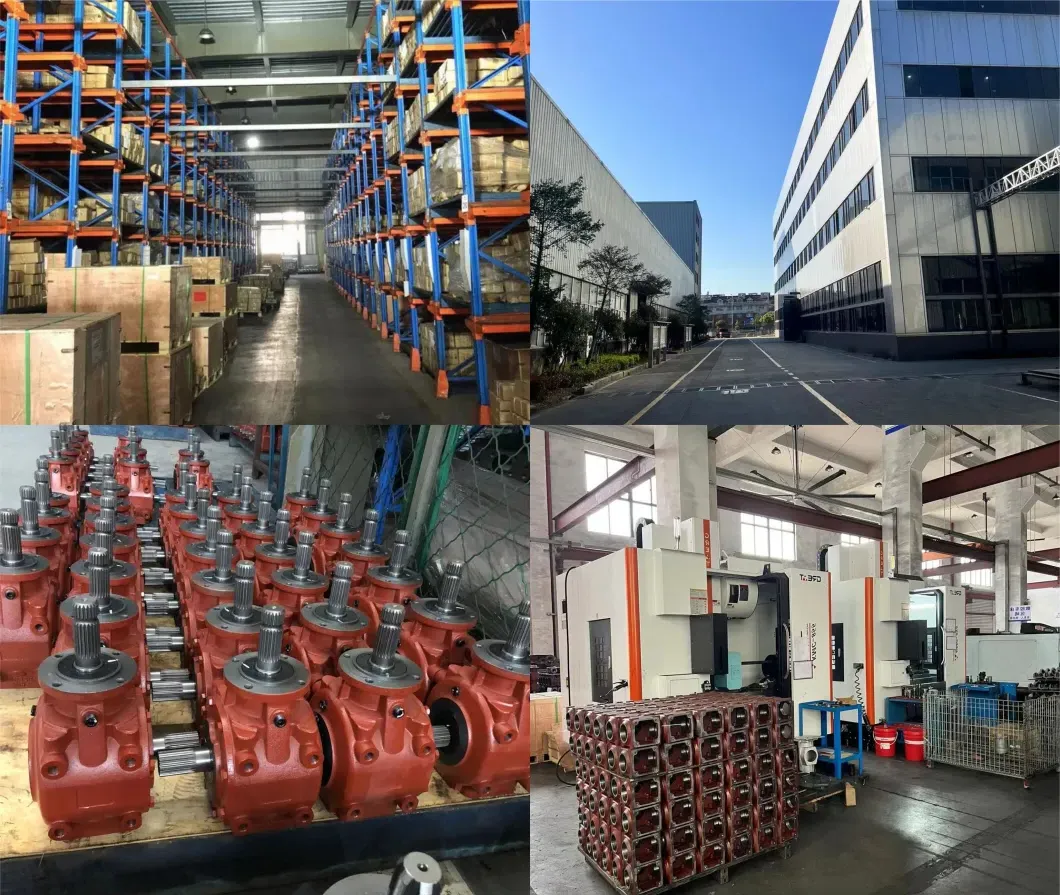
With competitive pricing and quick availability, they minimize downtime. Get customized advice for your needs.
常问问题
1. How do these gearboxes handle Argentine soil variations?
They feature adjustable ratios and high torque reserves to adapt from clay in Pampas to sand in Patagonia, tested for resistances up to 150 kPa, ensuring consistent performance across provinces like Cordoba and Mendoza.
2. What are the compatibility options with local brands?
Compatible with Pauny and Vassalli tractors via standard splines and flanges, allowing direct replacements without adapters; always check specs for exact fit in your setup.
3. How often should maintenance be performed?
Inspect every 200 hours, change oil at 500 hours using API GL-5, and monitor for leaks; this schedule suits intensive harvest seasons in Buenos Aires.
4. Are they compliant with regional laws?
Yes, meet IRAM 8076 and MERCOSUR standards for safety, including vibration limits; similar to Brazil’s INMETRO for cross-border use.
5. What accessories are recommended?
Pair with PTO shafts featuring safety hoods and couplings for full system protection; lubrication kits extend life in dry areas like San Luis.