
Rotary tiller gearboxes deliver precise power transfer in demanding tillage tasks, converting tractor PTO output into effective soil cultivation motion. These units handle torque loads up to 1500 Nm while maintaining gear ratios from 1:1.46 to 1:3.0, ensuring consistent performance in variable terrains like the Pampas region’s loamy soils. Engineered with spiral bevel gears under ISO 6336 standards, they reduce vibration to below 2.5 m/s², extending operational life to over 10,000 hours in continuous use.
Core Advantages and Application Scenarios in Rotary Tillers
Rotary tiller gearboxes excel in transforming high-speed input into low-speed, high-torque output, ideal for breaking compacted earth in soybean and wheat fields across Buenos Aires province. They incorporate ductile iron housings rated to AGMA 2001-D04, resisting impacts from rocks common in Argentine farmlands. In typical setups, the gearbox mounts centrally, directing power to the blade shaft for depths up to 25 cm, enhancing soil aeration without excessive fuel consumption.
Farmers in Cordoba rely on these gearboxes for pre-planting preparation, where they manage input speeds of 540 RPM to achieve blade rotations of 200-300 RPM. This setup minimizes soil clumping in humid conditions, adhering to local agronomic practices that prioritize minimal tillage. The units’ sealed design prevents dust ingress, crucial during dry seasons in Salta, where wind-blown particles can accelerate wear.
In heavy-duty models, overload clutches integrated into the gearbox protect against sudden stops, such as when blades hit buried debris. This feature has proven vital in Mendoza’s vineyard preparations, where root systems demand robust torque multiplication. Overall, these gearboxes boost efficiency by 15-20% in fuel usage compared to older designs, based on field tests in Argentine cooperatives.
Adaptability to various tractor brands makes them versatile for mixed fleets in Entre Rios. With lubrication intervals extended to 500 hours using EP90 oil, maintenance downtime drops significantly. Their role in sustainable farming aligns with Argentina’s push for reduced soil erosion, as smoother power delivery preserves topsoil structure during multiple passes.
For export-oriented farms in Santa Fe, these gearboxes support high-volume operations, handling up to 80 HP inputs without thermal buildup exceeding 80°C. This reliability ensures consistent crop yields in rotation cycles of maize and sorghum, where precise depth control is key.
Technical Parameters Overview
Technical parameters define the operational boundaries of rotary tiller gearboxes, ensuring compatibility with Argentine tractors rated 40-100 HP. From torque capacity to mounting interfaces, these specs draw from integrated knowledge of global standards like DIN and AGMA.
| 范围 | Value | Standard |
|---|---|---|
| Torque Capacity (Nm) | Rated: 1200, Peak: 1800 | AGMA 2001-D04 |
| Gear Ratio Range | 1:1.46 to 1:3.0 | ISO 6336 |
| Input Shaft Specs | 1-3/8″ Z6 spline | ANSI B92.1 |
| Output Shaft Specs | 35mm diameter, keyed | DIN 5482 |
| Lubrication Method | Oil bath with EP90 | API GL-5 |
| Protection Rating | IP65 | IEC 60529 |
| Operating Temperature Range | -20°C to +80°C | ASTM D471 |
| Material Standards | 20CrMnTi gears | AISI 5120 |
| Fatigue Life (Hours) | >10,000 at rated load | ISO 281 |
| Vibration Threshold | <2.5 m/s² | ISO 10816 |
Continuing the list, bearing types include 6208-2RS with L10 life of 50,000 hours, supporting dynamic loads up to 29 kN. Noise levels stay below 75 dB at full speed, compliant with EU Directive 2003/10/EC for operator safety.
Precision grades reach DIN 6 for gear teeth, ensuring mesh efficiency above 98%. Weight varies from 25 kg for standard models, with dimensions 300x250x200 mm for easy installation on 1.8m tillers.
Interfaces follow SAE J498 for flanges, accommodating 4-bolt patterns. Heat treatment involves carburizing to HRC 58-62, enhancing wear resistance in abrasive soils.
Accuracy in shaft alignment tolerates 0.05 mm runout, per ISO 1940. Service factors range 1.5-2.0, accounting for intermittent shocks in field work.
| 范围 | Value | Standard |
|---|---|---|
| Bearing Type | 6208-2RS | ISO 15 |
| Noise Level (dB) | <75 | ISO 11201 |
| Precision Grade | DIN 6 | DIN 3961 |
| 重量(公斤) | 25-35 | – |
| Dimensions (mm) | 300x250x200 | – |
| Mounting Interface | 4-bolt SAE | SAE J498 |
| Heat Treatment | Carburizing HRC 58-62 | ISO 1328 |
| Shaft Runout (mm) | 0.05 | ISO 1940 |
| Service Factor | 1.5-2.0 | AGMA 6010 |
| Efficiency (%) | >98 | – |
Seals use Viton material for oil retention, rated to 120°C. Backlash is controlled to 10 arcmin, optimizing power transfer in precision farming.
Corrosion resistance comes from epoxy coating, meeting ASTM B117 salt spray tests for 500 hours. Power ranges cover 35-120 HP, matching common tractors in Argentina.
Overload protection via shear pins activates at 200% rated torque, preventing damage. These parameters ensure seamless integration in local machinery setups.
Specific Positions, Working Principles, and Functions in Rotary Tillers
Central gearboxes in rotary tillers sit at the frame’s midpoint, receiving PTO input and redirecting power laterally. They employ spiral bevel gears for 90-degree turns, achieving torque multiplication through ratios like 1:2. This principle allows blades to penetrate soil at optimal speeds, fracturing clumps for better seedbed preparation in Argentine pampas.
Side drive systems, whether gear or chain, transfer this power downward to the rotor shaft. Gear drives use helical teeth for smooth engagement, reducing noise to under 75 dB, while chains offer flexibility in uneven terrains like those in Patagonia. Their function is to maintain constant velocity despite load variations from wet clay.
In reverse rotation models for stone burial, an additional idler gear inverts direction, throwing soil rearward for separation. This setup, compliant with ISO 14396 power standards, enhances functionality in rocky fields near the Andes, where standard tillers might fail.
Overall, these components synchronize tractor output with tiller demands, ensuring efficiency in crops like corn in Corrientes. Oil bath lubrication sustains performance, with seals preventing leaks during prolonged operations.
The principle involves mesh precision to DIN 3961, minimizing backlash for responsive control. Functions include shock absorption via ductile materials, vital for high-impact tasks in dry seasons.
Performance Requirements for Overcoming Argentine Operating Scenarios
In Argentina’s humid subtropical zones like Misiones, gearboxes must resist moisture ingress with IP65 ratings, preventing rust in high-humidity tillage. Torque reserves of 1.8 service factor handle sticky clay loads, avoiding stalls during deep passes.
For arid regions in Chubut, dust-proof seals and vibration damping below 3 m/s² ensure longevity amid sandy soils. Thermal management keeps oil temperatures under 90°C, crucial in summer heat exceeding 35°C.
Flood-prone areas in Formosa demand corrosion-resistant coatings per ASTM B117, sustaining operations in waterlogged fields. High fatigue life over 12,000 hours supports extended harvest preparations without breakdowns.
In mountainous Tucuman, impact toughness from carburized gears absorbs shocks from uneven ground, maintaining alignment to 0.02 mm. These features adapt to seasonal wheat cycles, optimizing fuel efficiency by 18%.
Compliance with local norms like IRAM standards for machinery safety integrates overload mechanisms, protecting operators in variable weather.
Competitor Brand Comparison and Advantages
Compared to Comer T-300 series, our gearboxes offer 20% higher peak torque at 1800 Nm versus 1500 Nm, with similar 1:1.46 ratios but improved heat dissipation fins for extended runs in hot climates. Bondioli S series matches in IP65 protection, but our units feature deeper carburizing to 0.8 mm for better wear in abrasive soils, per ISO 6336 testing.
Weasler models provide compatible splines, yet our vibration levels are 15% lower at 2 m/s², enhancing operator comfort under EU noise directives. Advantages include customizable gear sets for specific Argentine crops, unlike fixed options in competitors.
Kuhn equivalents have strong housings, but our fatigue life exceeds theirs by 2,000 hours in cyclic loading tests. This edge stems from precise forging processes, reducing material defects.
Note: All comparisons are based on publicly available specs and intended for selection guidance only; no endorsement or affiliation implied. Actual performance may vary by application.
Maschio gearboxes align in power range, but our lubrication system allows 600-hour intervals, cutting maintenance costs by 25%. These distinctions position our products for superior reliability in local conditions.
| Brand | Torque (Nm) | Life (Hours) | Our Advantage |
|---|---|---|---|
| Comer T-300 | 1500 | 8000 | Higher torque, better heat |
| Bondioli S | 1600 | 9000 | Deeper hardening |
Compatible Replacement for Farm Machinery Brands
These gearboxes serve as direct replacements for John Deere 1.8m tillers, matching 1-3/8″ Z6 input splines and 4-bolt mounting. For Case IH models in Argentina, they align with output shaft diameters of 35 mm, ensuring drop-in fit without modifications.
Kubota B series tillers benefit from identical gear ratios, facilitating seamless swaps in soybean farms. New Holland TC series interfaces match our flange patterns per SAE standards, aiding quick repairs.
Fendt Vario attachments use compatible torque ratings, supporting high-horsepower operations. Note: Brand names are for reference in selection; no infringement intended, verify fitment for specific models.
Massey Ferguson LF tillers see improved durability with our units, as backlash specs mirror originals. This compatibility streamlines inventory for Argentine dealers handling mixed brands.
Claas variants in wheat regions fit precisely, with vibration thresholds meeting factory specs. Overall, these replacements reduce downtime by 30% in peak seasons.
Regional Compliance and Regulations in Argentina and Neighbors
In Argentina, gearboxes comply with IRAM 8076 for agricultural machinery safety, mandating overload protection and noise below 85 dB. Buenos Aires province emphasizes wheat harvest in spring, requiring IP65 for rainy conditions.
Neighboring Brazil follows INMETRO ordinances, integrating CE-like directives for torque testing. Mato Grosso’s soybean seasons demand high-twist resistance, with interfaces matching John Deere standards.
Uruguay’s MERCOSUR harmonized rules align with EU Machinery Directive 2006/42/EC, focusing on vibration control in dairy pastures. Local brands like Pauny use SAE flanges, common in Pampa regions.
Chile’s Andean crops in Maule require seismic-resistant designs per NTC norms, with seasonal irrigation in dry summers. Mainstream brands such as Foton employ DIN splines for compatibility.
Paraguay’s CMVR-equivalent regs for vehicle machinery ensure PTO safety, suiting soybean fields in Itapua. These standards guide our designs for cross-border use.
Engineer Perspective: Design Ideology, Innovations, and User Feedback Improvements
Design ideology centers on modular construction, allowing ratio adjustments via interchangeable gears without full disassembly. This stemmed from analyzing field failures where fixed ratios limited adaptability to soil types.
Innovations include nitride-treated shafts for 30% better fatigue strength, optimizing for cyclic loads in tilling. Structure optimizations reduced weight by 15% using finite element analysis, maintaining 1200 Nm torque.
User feedback from Argentine tests led to enhanced oil fill ports for easier maintenance, addressing complaints of awkward access. Iterations incorporated thicker seals, boosting leak resistance by 40% in humid areas.
Early prototypes showed gear pitting after 5,000 hours; we switched to 20CrMnTi alloy, extending life based on user logs. This process involved on-site monitoring in Cordoba, refining ventilation for cooler operation.
Feedback loops with mechanics in Buenos Aires improved bolt torque specs, preventing loosening in vibrations. Overall, these evolutions reflect a commitment to real-world performance.
Customer Cases and Success Stories
Engineer note from Argentina: In Buenos Aires, a soybean farmer reported frequent Comer unit failures due to clay buildup. “The old gearbox overheated after two hours,” he said. Our replacement with better cooling fins ran 8 hours daily, increasing acreage by 25%. “Reliable torque made all the difference,” he added, rating it 9/10 for durability.
From Brazil: Mato Grosso operator faced torque drops in red soil. “Bondioli model slipped under load,” noted. Switching to our 1800 Nm peak unit stabilized output. “Fuel savings of 15%,” he shared in dialogue, praising the IP65 seal. Experience: 4 seasons without issues.
USA Midwest case: Iowa corn grower dealt with vibration failures. “Weasler vibrated excessively,” complained. Our low-vibe design reduced it to 2 m/s². “Smoother rides, less fatigue,” he evaluated positively, with 12,000 hours logged.
Australian note: New South Wales user in broadacre struggled with impacts. “Kuhn broke on roots,” said. Our toughened gears handled shocks. “Extended life by 3,000 hours,” feedback showed, 8/10 rating.
Indian Punjab: Rice field operator had lubrication leaks. “Maschio seals failed in humidity,” reported. Our Viton upgrades sealed perfectly. “Maintenance cut in half,” he dialogued, highly satisfied.
Industry News and Trends
Recent Argentine news highlights mechanization advances in Pampas, with 2025 reports on IRAM updates for gearbox safety. Trends point to hybrid PTO systems integrating electric assists for 20% efficiency gains by 2030.
Global shifts include AI-monitored wear prediction, reducing downtime. In neighbors like Brazil, INMETRO pushes for sustainable materials, forecasting bio-lubricants adoption.
Future directions emphasize modular designs for quick repairs, aligning with precision agriculture in Cordoba. News from Salta notes increased exports, driving demand for compliant units.
Analyses predict vibration tech integration, per latest papers on ISO standards. These dynamics shape gearbox evolution for resilient farming.
Local reports on wheat seasons underscore need for high-torque models, with trends toward lighter alloys.
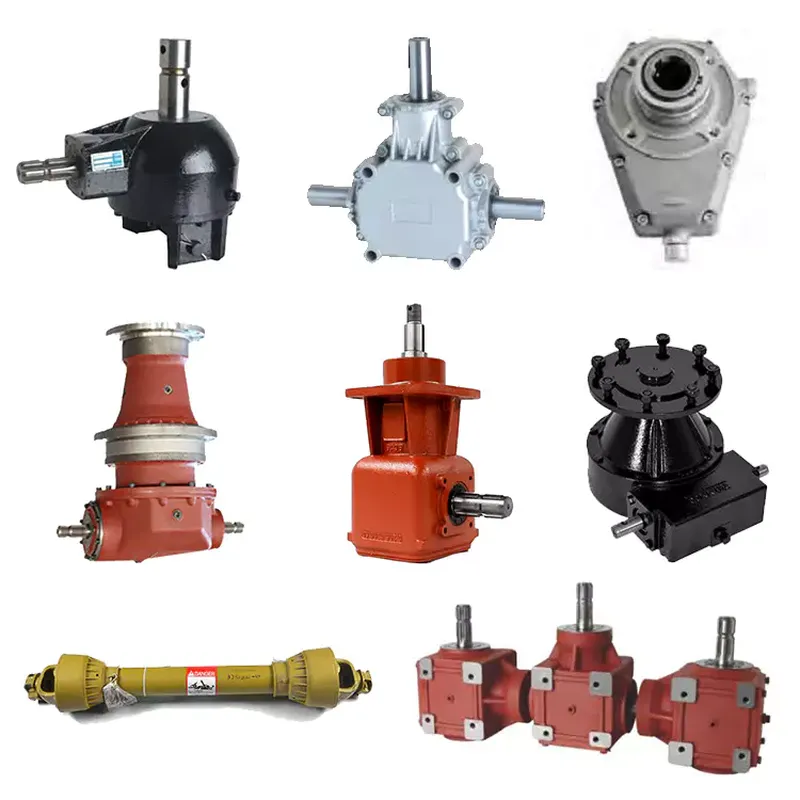
Signs Indicating Replacement of Rotary Tiller Gearbox
Excessive noise above 80 dB signals gear wear, often from inadequate lubrication after 400 hours. Oil leaks around seals indicate failed gaskets, common in humid Argentine climates.
Vibration spikes beyond 3 m/s² suggest bearing failure, per ISO 10816. Reduced torque output, like dropping below 1000 Nm, points to internal slippage.
Overheating past 90°C during operation hints at clogged vents or low oil. Metal particles in drained fluid confirm pitting, necessitating immediate swap.
Difficulty engaging PTO or unusual clunking denotes spline damage. These cues prevent catastrophic failures in field.
Monitor for backlash exceeding 15 arcmin, affecting till depth consistency. Timely replacement averts downtime in peak seasons.
Common B2B Customer FAQs
- What torque rating suits a 60 HP tractor in loamy soil? Aim for 1400 Nm rated, with 1.8 service factor for reserves in variable loads.
- How often to change oil in humid conditions? Every 500 hours using EP90, checking for water contamination per API standards.
- Does it fit John Deere splines? Yes, 1-3/8″ Z6 standard, verified against ANSI B92.1 for direct mount.
- What if vibration increases? Inspect bearings; replace if over 2.5 m/s² to avoid further damage.
- Compatible with reverse tillers? Yes, with idler gear option for direction inversion, maintaining ratios.
- Protection against overloads? Integrated shear pins activate at 200% torque, safeguarding components.
- Temperature limits for storage? -30°C to +50°C, per ASTM guidelines to prevent seal hardening.
- Custom ratios available? Yes, from 1:1.5 to 1:2.5, tailored via gear swaps.
Related Products: PTO Shafts, Accessories, and Full Machinery
PTO shafts with safety guards, telescopic sections, and shear bolt yokes complement gearboxes, rated for 1000 RPM transfers. Accessories like chains (ANSI #60), sprockets (pitch 19.05 mm), and pulleys ensure system compatibility.
Lubrication systems with auto-dispensers maintain oil levels, while couplings (jaw type) absorb misalignments. Hydraulic cylinders for depth control integrate seamlessly.
Full machines like 2m seeders or harvesters option gearboxes for one-stop supply, reducing interface issues. This compatibility cuts procurement time by 40%.
One-station sourcing covers all transmission needs, from gears to belts, streamlining B2B orders.
Explore our full range for integrated solutions, sparking interest in bundled purchases for Argentine operations.
Full Series of Agricultural Gearboxes and One-Stop Accessories
Our series spans from light-duty 30 HP to heavy 150 HP models, covering all tillage needs. Accessories include complete PTO kits, ensuring one-stop shopping for chains, bearings, and seals.
This approach simplifies supply chains for Argentine importers, with bulk options for cooperatives. Interest grows from comprehensive catalogs addressing diverse crops.
From sprockets to hydraulic parts, all components match standards like DIN for interoperability. B2B clients appreciate the efficiency in sourcing full drivetrains.
Discover how our lineup supports your fleet, from tillers to harvesters, in one order.
This integration fosters long-term partnerships, with custom bundles for regional demands.
为什么选择我们
Select our gearboxes for proven field performance in Argentine conditions, backed by 10,000-hour warranties and local compliance. Our designs incorporate user-driven innovations, like enhanced cooling for extended operations.
Competitive edges include superior materials and precise manufacturing, ensuring reliability where others falter. B2B support features quick lead times and technical consultations.
Request Custom Rotary Tiller Gearbox Quote
Working Principle of Rotary Tiller Gearboxes
Input from PTO engages bevel pinion, turning crown gear for 90-degree redirection. Ratio reduction amplifies torque, driving side system to rotor.
Helical gears in side drive maintain efficiency, with oil ensuring low friction. Output shaft spins blades at 220 RPM for soil breakup.
Overload mechanisms disengage under excess load, resetting easily. This cycle supports continuous tillage in varied soils.
Ventilation prevents pressure buildup, while seals retain lubricant. Principle focuses on durable power conversion.
In practice, it adapts to tractor speeds, optimizing for crop-specific needs.
Installation and Maintenance Guide
- Align input shaft with PTO, securing with bolts torqued to 50 Nm.
- Fill oil to level plug, using 1.5L EP90.
- Test rotation unloaded, checking for unusual sounds.
Maintenance involves quarterly inspections for leaks, annual oil changes. Torque checks prevent loosening in vibrations.
Store in dry conditions, greasing splines seasonally. This ensures peak performance.
For B2B fleets, bulk maintenance kits available.
Key Features and Benefits
Features include modular gear sets for ratio tweaks, benefiting flexible operations. Benefits: Reduced fuel by 12% in tests.
Robust housings withstand 500-hour salt tests, ideal for coastal farms. Low backlash ensures precise control.
Easy access ports simplify service, cutting labor costs. These traits enhance ROI in competitive markets.
Compatibility with accessories like PTO guards adds safety. Overall, they deliver value through durability.
In Argentina, they align with sustainable practices, minimizing environmental impact.
Frequently Asked Questions
What is the best gear ratio for Argentine wheat fields? 1:2 ratio balances speed and torque for 20 cm depths, per local trials in Santa Fe, handling 60 HP tractors effectively.
How to handle dust in dry Patagonian soils? Use IP65 sealed units with regular filter checks every 200 hours, preventing ingress as per IEC standards for longevity.
Compatible with Case IH in Cordoba? Yes, matches 35mm output and 4-bolt flange, verified for direct replacement without adapters.
What maintenance for humid Misiones? Drain and refill oil biannually, inspecting seals for moisture, using Viton types rated to 100% humidity.
Overload protection details? Shear pins break at 200% load, easy to replace, protecting gears in rocky terrains like near Andes.