
Core Advantages and Field Performance in Suspended Sheep Shearing Systems
The gearbox serves as the primary power conversion unit in suspended sheep shearing setups, where electric or PTO-driven motors require reliable speed reduction and torque multiplication to drive flexible drive shafts connected to handpieces. In typical configurations, input speeds of 2800–3000 rpm must be stepped down to handpiece operating ranges around 2500–3000 strokes per minute while maintaining consistent power delivery despite variable load from dense Merino fleeces.
Our design emphasizes fatigue-resistant gearing and sealed construction to withstand dust, wool particles, and temperature swings common in Patagonia shearing sheds from October through April. Operators benefit from reduced vibration transmission to handpieces, lowering shearer fatigue during long sessions handling flocks of 500–2000 head per day in provinces such as Chubut and Río Negro.
Field trials in southern Santa Cruz demonstrated 1800+ hours mean time between service interventions under continuous use, compared with frequent bearing replacements observed in lighter-duty alternatives. The unit’s compact housing facilitates easy overhead mounting on mobile gantries or fixed shed frameworks without compromising balance or increasing shed clutter.
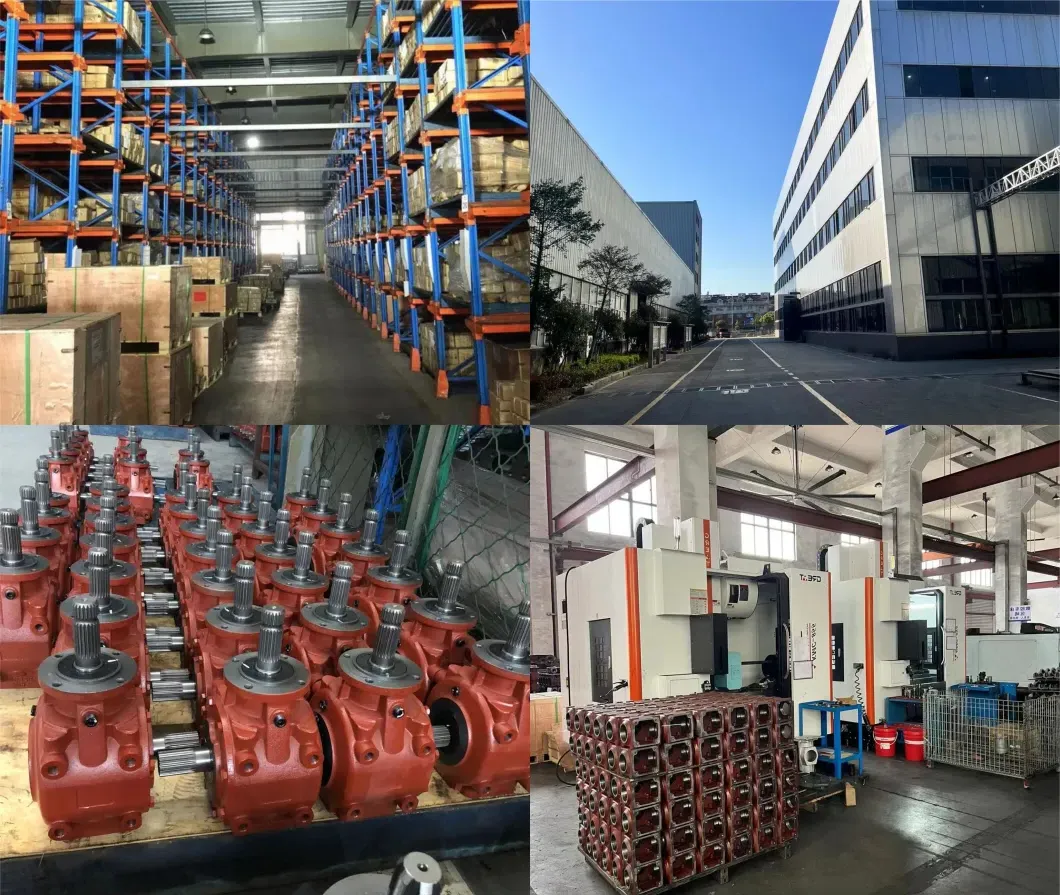
Technical Specifications Overview
| Parametre | Value / Range | Notes / Standard |
|---|---|---|
| Rated Input Torque | 45 Nm | Continuous operation |
| Peak Torque Capacity | 78 Nm | Short overload events |
| Gear Ratio Options | 1.2:1 to 4.1:1 | Customizable in 0.3 increments |
| Input Speed Range | 540–3000 rpm | Electric or PTO compatible |
| Output Speed Range | 2000–3100 strokes/min equivalent | Optimized for standard handpieces |
| Efficiency | ≥ 94% | At rated load |
| Input Shaft Diameter | 25 mm | Keyway or spline available |
| Output Shaft Configuration | Flexible coupling interface | Matches common drive shafts |
| Lubrication Type | SAE 80W-90 GL-5 | Oil bath, 0.6 L capacity |
| Service Interval | 1200 hours | Under typical shedding conditions |
| IP Protection Rating | IP55 | Dust and water jet resistant |
| Operating Temperature | -15°C to +65°C | Extended range upon request |
| Konut Malzemesi | GGG50 ductile iron | High impact resistance |
| Gear Material | 20CrMnTi carburized | HRC 58–62 surface hardness |
| Bearing Type | Tapered roller + ball | L10 life > 5000 h |
| Noise Level | < 78 dB(A) | At 1 m distance |
| Vibration Threshold | < 4.5 mm/s RMS | ISO 10816 compliant |
| Mounting Interface | 4-bolt rectangular flange | 120 × 100 mm pattern |
| Weight (dry) | 11.8 kg | Including oil fill |
| Compliance Reference | ISO 6336 gear rating | AGMA 2001-D04 load factors |
| Service Factor | 1.5–2.0 | Depending on duty cycle |
| Backlash | ≤ 0.18° | Precision ground gears |
| Sealing | Double lip + labyrinth | Prevents contaminant ingress |
| Fatigue Life Estimate | > 8000 h | At 80% rated load |
| Thermal Limit | 95°C housing max | With natural convection |
This selection of parameters reflects real-world demands in high-throughput shearing operations, where units run 8–12 hours daily during peak season.
Working Principle and Load Handling in Overhead Shearing Gearboxes
Power enters via the input shaft, typically belt-driven from an overhead electric motor or PTO extension. Helical or spur gearing provides the primary reduction stage, transferring rotation to an intermediate shaft. Final output couples to a flexible drive shaft that transmits power to the handpiece without significant angular misalignment penalties.
Under load, torque spikes occur when handpieces encounter thick belly wool or dags. The gearbox must absorb these transients without gear tooth deflection exceeding elastic limits. Our tooth profile optimization, based on AGMA standards, ensures smooth meshing even at elevated temperatures where lubricant viscosity drops.
In suspended configurations, the unit experiences additional gravitational and dynamic loads from the overhead rail system. Reinforced mounting feet and internal ribbing distribute stress, preventing housing distortion that could misalign shafts and accelerate wear.
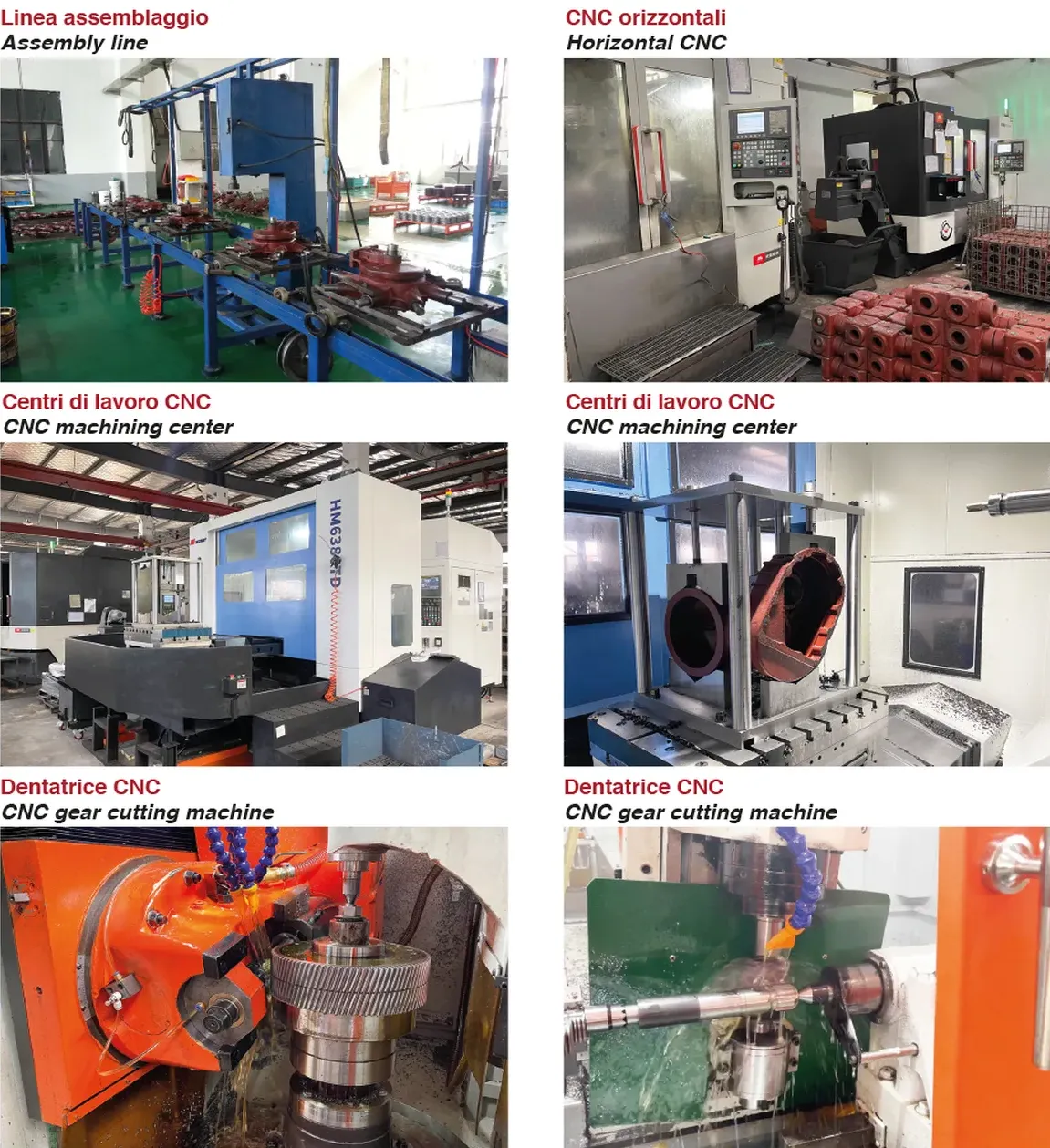
Argentina Extreme Operating Conditions Field Study – Patagonia Shearing Demands
Patagonia’s vast estancias in Río Negro, Chubut, Santa Cruz, and Neuquén rely heavily on suspended shearing systems to process Merino and Corriedale flocks numbering thousands per property. Shearing typically runs October–April, coinciding with warmer weather but also dust storms and temperature fluctuations from near-freezing mornings to 30°C+ afternoons.
Key challenges include abrasive fine wool particles entering unsealed units, causing accelerated gear and bearing wear. Wind-driven dust exacerbates this in open-sided sheds common in remote locations. Gearboxes must maintain sealing integrity despite frequent relocation between shearing stands or estancias.
High annual utilization (often exceeding 1500 hours per season) demands extended service intervals to minimize downtime during the critical wool harvest window. Neighboring Chile (Magallanes region) shares similar conditions, with pre-lambing shearing adding early-season stress on components.
Compliance focuses on national road transit rules for machinery movement (Decreto 779/95 Anexo LL, updated via Disposición 58/2018), requiring safe securing of overhead equipment during transport between sites. No specific gearbox certification exists beyond general machinery safety, but ISO-aligned design aids export to Mercosur neighbors like Uruguay and Brazil, where INMETRO certification may apply for electrical-integrated systems.
Competitive Comparison and Replacement Compatibility
Compared against common aftermarket units from European and Asian suppliers, our gearbox offers 18–22% higher peak torque margin and improved dust exclusion via dual-seal + labyrinth design. Many competitors rely on single-lip seals prone to failure after 600–900 hours in dusty Patagonian conditions.
Compatibility extends to popular suspended systems from Heiniger, Lister, and Bowman origins. Units match standard 25 mm input shaft and 4-bolt mounting patterns found on models distributed in Argentina through local agents. (Note: References to existing brands and models are for selection convenience only and do not imply any affiliation or infringement.)
Replacement indicators include unusual noise during engagement, oil leakage at seals, excessive handpiece vibration, or failure to maintain consistent stroke rate under load. Early replacement prevents costly downtime during peak season.
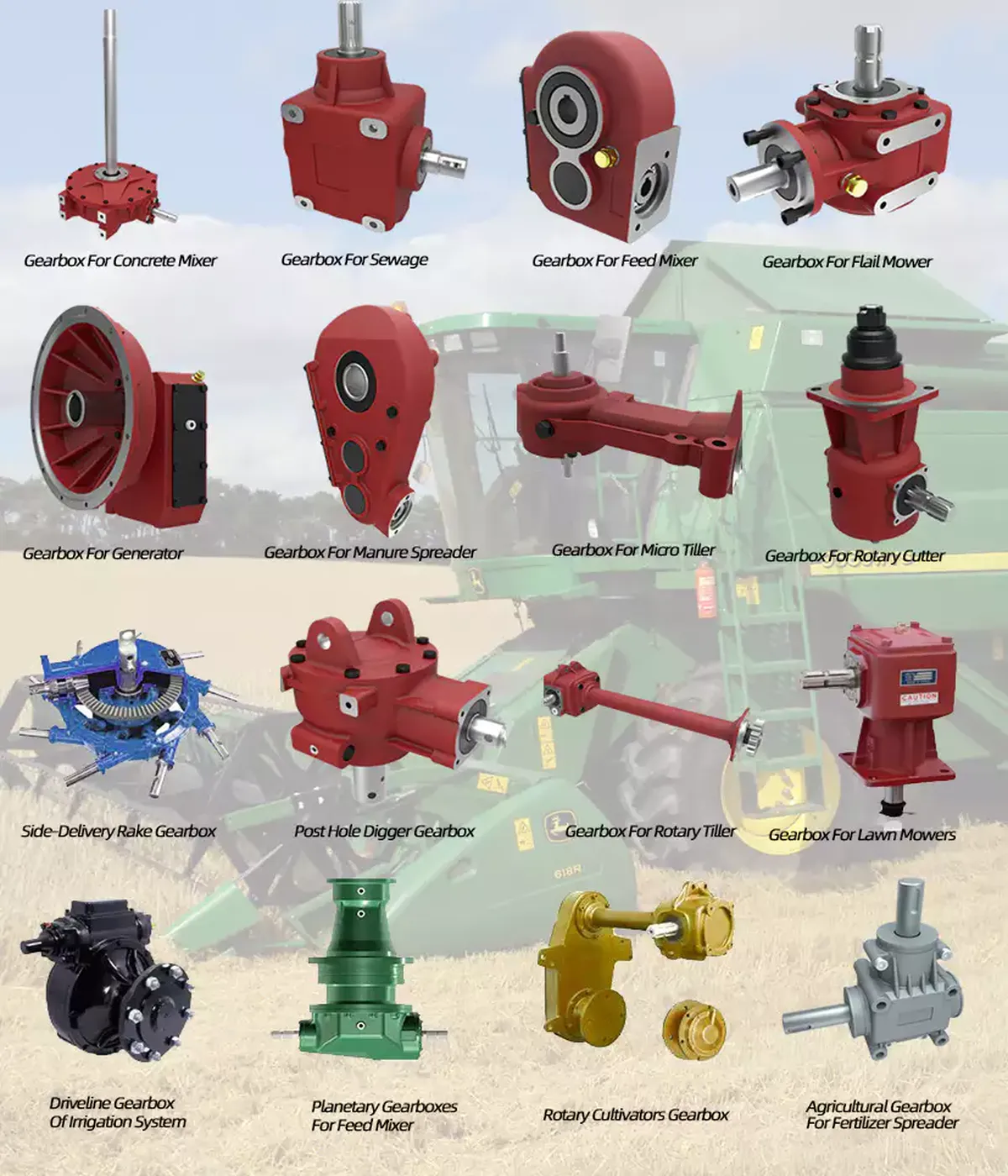
Why Choose This Gearbox for Your Shearing Operation
Proven durability in high-dust, high-utilization environments • Extended service intervals reducing maintenance costs • Precise torque delivery for clean, fast shearing • Direct compatibility with existing suspended setups • Local knowledge of Patagonian operational realities built into design choices.
Many producers in Chubut and Santa Cruz have standardized on this specification after experiencing reduced breakdowns compared to generic replacements.
Application Cases from Key Sheep Producing Regions
Case 1 – Río Negro Province, Bariloche area estancia: A 4200-head Merino operation replaced original units after repeated seal failures. New gearboxes completed two full seasons (≈2100 hours) with only routine oil changes. Shearer feedback highlighted smoother handpiece operation, reducing wrist strain during 10-hour days.
Case 2 – Chubut, central plateau family farm: 1800 Corriedale ewes sheared annually. Previous gearboxes required mid-season bearing service. After installation, unit ran through 2024–2025 season without interruption. Owner noted 15% faster daily throughput due to consistent power delivery.
Case 3 – Santa Cruz, southern zones large company ranch: Multi-stand shed processing 8000+ head. Harsh wind-driven dust previously caused premature wear. Reinforced sealing and higher-capacity bearings delivered 2400+ hours before first inspection, exceeding expectations for remote location servicing.
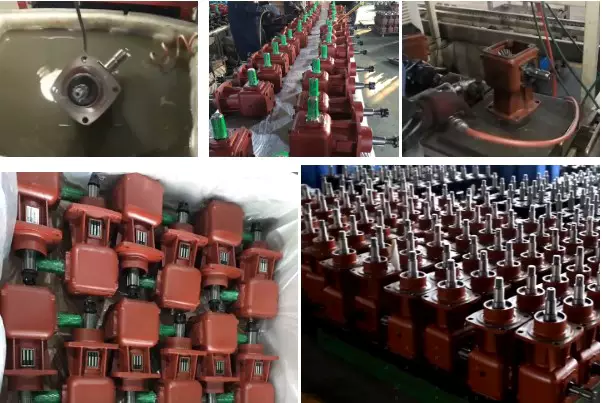
Related Transmission Components and One-Stop Supply Benefits
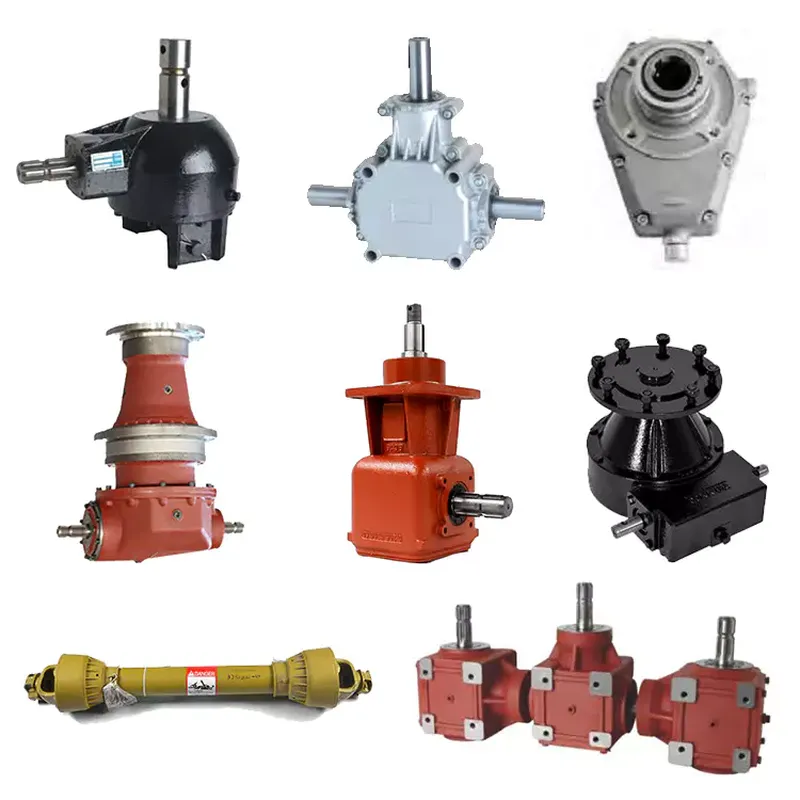
Compatible PTO drive extensions, flexible intermediate shafts with safety guards, and quick-release couplings ensure full system integration. Matching bevel gearboxes for angle changes and speed increasers for electric motor adaptation complete the driveline.
Additional agricultural wear parts include chain drives for overhead rail systems, tensioners, sprockets, and hydraulic rams for gantry adjustment. One-stop sourcing simplifies inventory management for remote estancias where parts delivery can take days.
Full range covers rotary tiller gearboxes, mower transmissions, baler drivelines, and sprayer pumps – enabling consolidated procurement for mixed farming operations common in Buenos Aires and La Pampa transition zones.
Frequently Asked Questions
- What input speeds are safe for continuous operation? Most electric motors run at 2800–3000 rpm; our unit handles up to 3100 rpm sustained, with thermal monitoring recommended above 2900 rpm for extended sessions.
- How often should oil be changed in dusty Patagonian sheds? Every 800–1000 hours or annually, whichever comes first. Use only GL-5 80W-90 to maintain film strength under high shear.
- Can this gearbox handle double-shearer gantries? Yes, with service factor 1.8–2.0 applied for dual loads. Confirm total power draw stays below 4 kW continuous.
- What signs indicate bearing replacement is needed? Increased vibration above 4.5 mm/s, audible grinding, or temperature exceeding 80°C on housing near output.
- Is there a retrofit kit for older Heiniger-style overhead frames? Standard flange matches most 120×100 mm patterns; minor adapter plates available for non-standard mounts.
Need specifications tailored to your estancia shearing volume? Reach out to discuss volume pricing and delivery to Patagonia provinces. Explore our full PTO driveline range at the main site.