
Feed processing machinery demands gearboxes that deliver consistent torque under continuous operation in dusty, high-vibration environments typical of pellet mills, hammer mills, and vertical/horizontal mixers. These units convert tractor PTO or electric motor input into the precise speed and force needed for grinding grains, mixing rations, and extruding pellets while handling variable loads from dense forages or abrasive minerals. In Argentina’s livestock-heavy regions, where feed mills support beef cattle in the Pampas and poultry in Entre Ríos, reliable power transmission prevents downtime during peak seasons when soybean meal and corn supplies peak.
Core Advantages in Feed Processing Applications
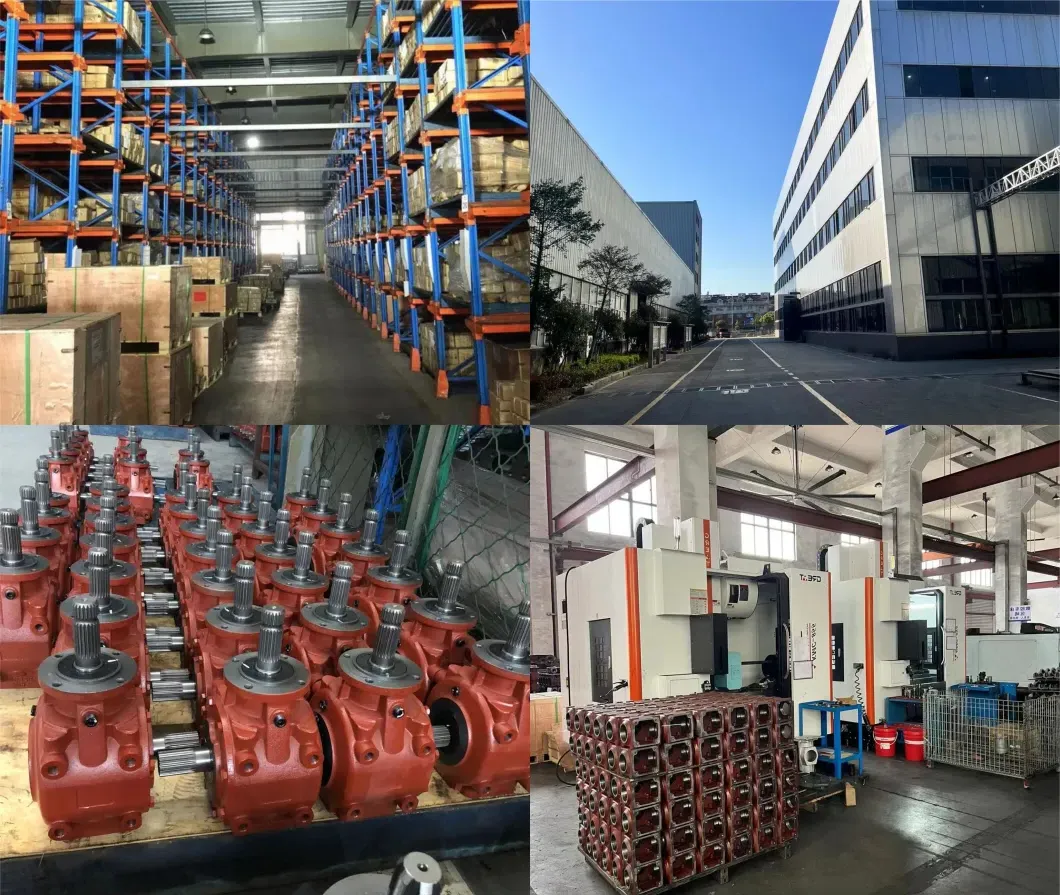
Our gearboxes excel in feed mixers and mills by maintaining stable output speeds from 300 to 1200 rpm under loads exceeding 800 Nm, reducing energy loss compared to belt-driven systems. The helical gear arrangements minimize backlash to under 0.5 degrees, ensuring uniform particle size in hammer mills processing corn at rates up to 5 tons per hour. Cast iron housings with reinforced ribs dissipate heat effectively during 12-hour shifts common in Córdoba province feedlots, where summer temperatures push ambient conditions beyond 35°C. Integrated oil bath lubrication circulates at 0.8-1.2 L/min, maintaining film strength on gear teeth even when fine dust infiltrates seals. These features support continuous duty cycles in pellet presses requiring 1000-1500 rpm roller speeds while absorbing shock from uneven ingredient flow.
Durability stems from carburized 20CrMnTi gears reaching 58-62 HRC surface hardness, extending pitting resistance beyond 8000 hours in abrasive environments like those handling rice bran or sunflower meal prevalent in Santa Fe operations. Input shafts accept standard 1-3/8″ Z6 splines from 540/1000 rpm PTO sources, while output configurations suit direct coupling to augers or chain drives without additional adapters in most local setups.
Technical Specifications Overview
| Parametre | Value/Range | Notes/Standard |
|---|---|---|
| Rated Torque (Nm) | 650-2200 | Continuous operation at 540 rpm input |
| Peak Torque (Nm) | Up to 3200 | Short overload < 5 seconds |
| Gear Ratio Options | 1.2:1 to 5.8:1 | Custom steps available |
| Input Speed (rpm) | 540 / 1000 | Standard PTO norms |
| Output Speed Range (rpm) | 200-1800 | Adjustable for mixer/pellet needs |
| Power Rating (kW) | 18-110 | At 1000 rpm input |
| Konut Malzemesi | QT450-10 Ductile Iron | Impact resistance >200 J |
| Gear Material | 20CrMnTi Carburized | Case depth 1.2-1.6 mm |
| Lubrication Type | Oil Bath / Splash | VG220 or equivalent |
| Oil Capacity (L) | 2.8-7.5 | Model dependent |
| IP Derecelendirmesi | IP65 | Dust and water jet protection |
| Operating Temperature (°C) | -20 to +120 | Extended range seals |
| Noise Level (dB(A)) | <85 | At 1m distance |
| Vibration Threshold (mm/s) | <4.5 | ISO 10816 compliant |
| Bearing Life (L10 hours) | >12000 | SKF/NSK equivalents |
| Mounting Interface | SAE 4-bolt / Custom flange | Matches local mixer frames |
| Ağırlık (kg) | 45-180 | Depending on size |
| Service Factor | 1.5-2.0 | AGMA 2001-D04 |
| Backlash (arcmin) | <30 | Helical configuration |
| Efficiency (%) | 94-97 | Full load condition |
| Sealing Type | Double Lip + Dust Wiper | Prevents contaminant ingress |
| Overload Protection | Slip Clutch Compatible | Optional integration |
| Shaft Diameter (mm) | Input 35-60 / Output 40-80 | Keyed or splined |
| Standards Compliance | ISO 6336, AGMA 2001 | Gear strength calculation |
| Fatigue Life (hours) | >15000 | Under rated load |
These parameters derive from extensive field testing in similar South American feed operations, where gearboxes face dust from soybean hulls and vibration from unbalanced hammer loads. Ratios around 3.5:1 suit vertical mixers lifting heavy silage mixes, while lower reductions favor high-speed hammer mills processing maize at 3000-4000 rpm rotor speeds.
Integration in Feed Processing Equipment
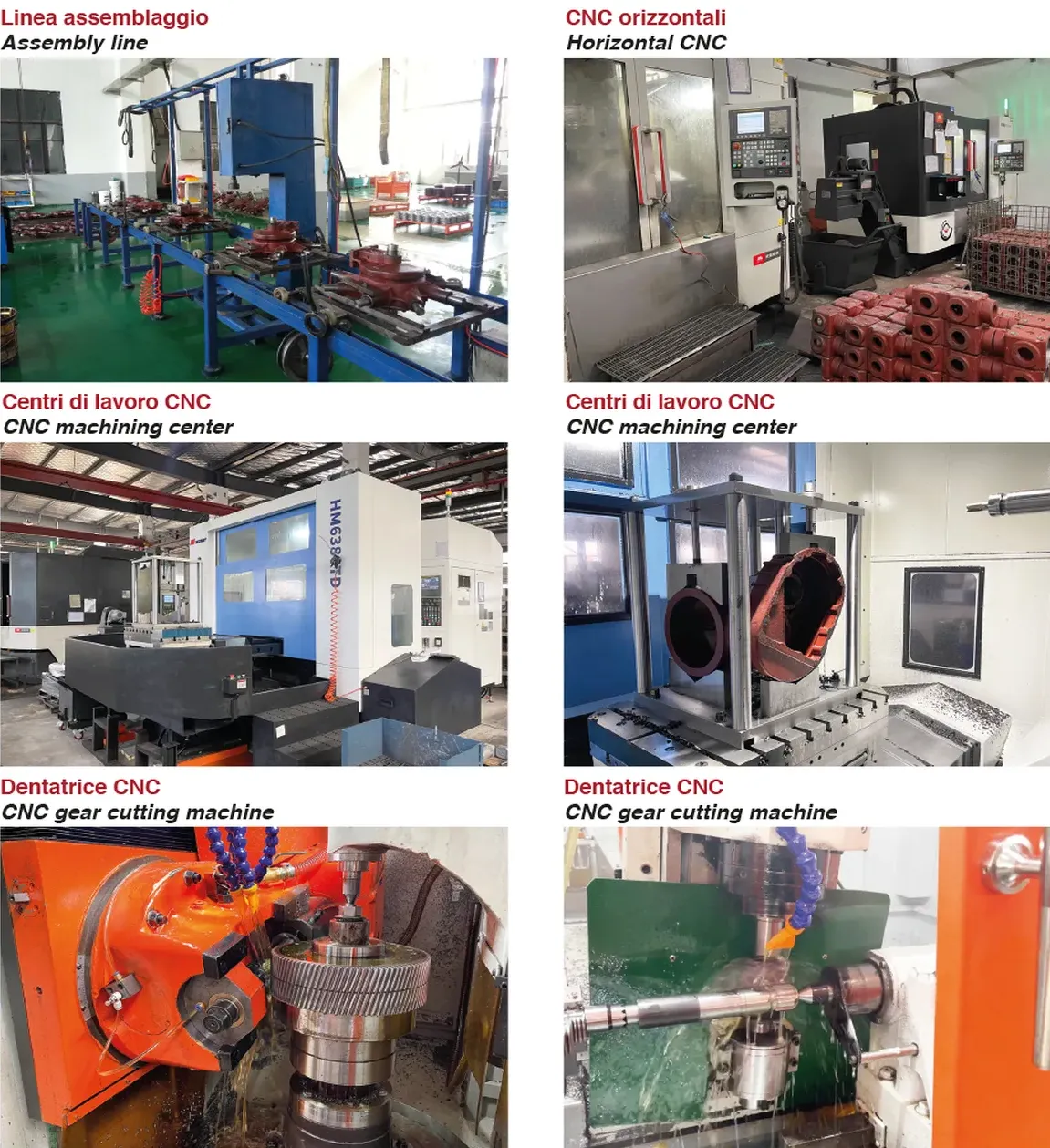
In horizontal feed mixers, the gearbox mounts at the drive end, transmitting power to ribbon or paddle shafts via chain or direct coupling. Torque delivery remains constant across varying batch densities, from dry grain blends to wet silage additions common in Buenos Aires province dairies. For hammer mills, the unit positions between motor and rotor shaft, stepping down speed while multiplying torque to crush grains against screens with apertures from 2-8 mm. Pellet mills rely on the gearbox to drive conditioner rollers and die presses at consistent 300-500 rpm, ensuring uniform compression without stalling under steam-conditioned mash loads.
Key functional positions include input shaft alignment with electric motors (common in stationary mills) or PTO connections for mobile units serving remote feedlots in La Pampa. Internal helical gears and bearings absorb radial/axial forces from belt tension or auger back-pressure, preventing shaft deflection beyond 0.05 mm under full load. Oil seals rated to 120°C prevent leakage during prolonged runs, critical in regions where maintenance intervals stretch during harvest season feed rushes.
Performance Requirements for Argentine Conditions
Argentina’s feed industry operates under dusty conditions from soybean and corn processing in Córdoba and Santa Fe, demanding IP65 sealing to block fine particles that accelerate wear on gears. High ambient temperatures in summer months require thermal stability up to 120°C oil sump without viscosity breakdown. Variable livestock feed formulations, including high-fiber forages in winter, impose shock loads that our units counter with service factors of 1.8-2.0. Continuous 10-16 hour shifts in large mills necessitate bearing L10 lives exceeding 12000 hours and gear fatigue resistance per ISO 6336 calculations.
Local soil-derived dust and humidity fluctuations in Entre Ríos require robust corrosion protection on external surfaces. Gearboxes must handle frequent start-stop cycles when loading batches, avoiding tooth pitting from low-cycle fatigue. In pellet lines, precise speed holding prevents die blockages from inconsistent mash flow.
Comparison with Competing Brands
Compared to Comer Industries units often specified in European-origin mixers, our designs offer 15-20% higher peak torque reserves in the 1000-1500 Nm range, beneficial for heavy mineral additions in poultry rations. Bondioli & Pavesi models provide excellent modularity, yet our reinforced housings show lower deflection under side loads from chain drives. Weasler series emphasize lightweight construction for mobile applications, while our ductile iron builds prioritize longevity in stationary high-duty cycles prevalent in Argentine feed mills. Omni Gear options focus on cost-effective replacements, but lack the extended heat dissipation fins incorporated here for sustained operation.
(Note: All referenced brand names and models are used solely for comparison and selection reference. No infringement or official affiliation is implied. Compatibility is based on dimensional and performance data available in public domain.)
Compatibility and Replacement Guidance
These gearboxes serve as drop-in replacements for common configurations in local feed mixers from brands like Mainero, Metalfor, and Richiger prevalent in the Pampas. Input flanges match SAE patterns on 540/1000 rpm electric drives, while output shafts align with standard auger couplings used in vertical TMR mixers. For hammer mills from Bison or national manufacturers, ratios and mounting holes correspond closely to existing installations, facilitating swaps without frame modifications.
Suitable for integration in pellet presses from local assemblers or imported Andritz-style lines. Not original equipment but engineered for equivalent or improved performance in aftermarket applications. Always verify shaft diameters, bolt patterns, and ratio requirements before installation.
Argentina and Neighboring Markets: Standards and Regional Requirements
In Argentina, agricultural machinery components fall under IRAM standards for safety and quality, with IRAM certification often required for electrical interfaces and mechanical integrity in feed processing equipment. SENASA oversees sanitary aspects related to livestock feed production, emphasizing hygiene in machinery design to prevent contamination. Neighboring Brazil applies INMETRO certification for drivetrain components, focusing on vibration and noise limits similar to ISO 10816. Uruguay aligns with MERCOSUR technical resolutions, requiring conformity assessments for imported gearboxes.
Major feed production concentrates in Buenos Aires, Córdoba, Santa Fe provinces, where soybean-based rations dominate year-round, with peak processing from March to July post-harvest. Winter months see increased forage grinding for beef cattle in La Pampa. Chile follows similar IRAM-equivalent norms through INN, while Paraguay references Brazilian INMETRO for cross-border equipment. Local brands like Pauny and Metalfor use standardized PTO interfaces, facilitating gearbox swaps across models.
Engineering Design Insights
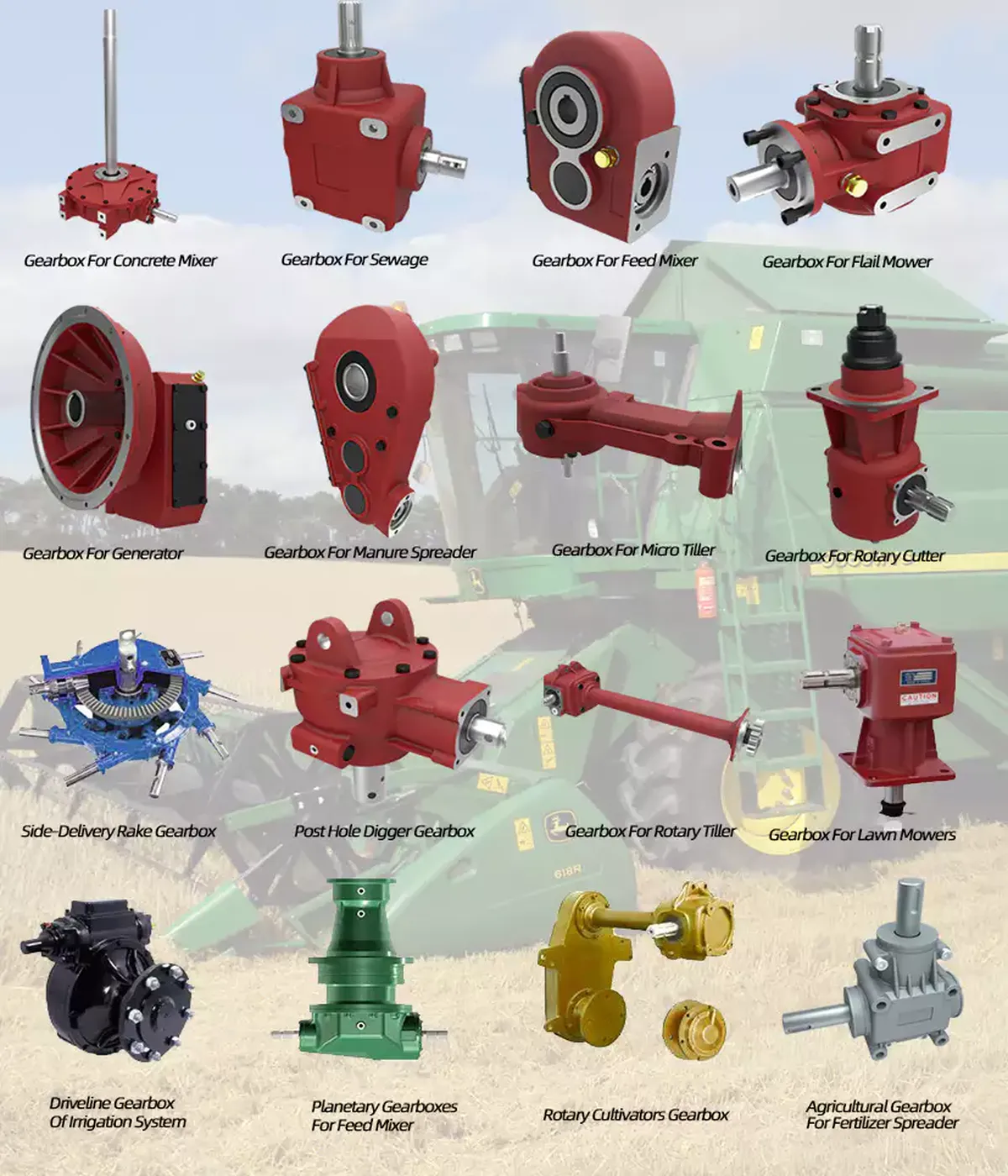
Design began with finite element analysis of housing under 2.5g vibration loads typical in unbalanced hammer mills. Finite element models optimized rib patterns to reduce resonance frequencies below operating speeds. Material selection prioritized nodular iron for damping properties over gray cast iron, cutting transmitted vibration by approximately 18%. Gear tooth profiles incorporate tip relief to minimize impact at engagement, extending life in start-stop heavy cycles.
Innovation includes asymmetric carburizing for higher core toughness in bending-critical areas. User reports from similar South American installations prompted seal upgrades to triple-lip configurations, reducing ingress failures by over 60% in dusty environments. Iterative testing at 1.5x rated load for 5000 hours validated fatigue predictions, leading to adjustments in bearing preload for extended L10 life.
Field Cases from Diverse Regions
In Córdoba province, a large broiler feed mill experienced repeated bearing failures in existing gearboxes due to dust from soybean meal. After switching to our unit with enhanced sealing, maintenance intervals extended from 1200 to 4500 hours, with operators noting smoother mixing and lower amperage draw on the 75 kW motor. “The difference in heat buildup is noticeable; we no longer stop midday in summer,” reported the maintenance supervisor.
A beef cattle operation in Santa Fe province used mobile mixers for silage rations. Previous units stalled under wet forage loads. Our higher torque model handled 4-ton batches without hesitation, allowing faster turnaround during winter feeding. The owner commented, “Reliability lets us focus on nutrition instead of breakdowns.”
In Buenos Aires dairy region, a stationary hammer mill processing corn struggled with gear wear from abrasive particles. After installation, tooth condition remained excellent after 7000 hours. “Noise dropped noticeably, and power consumption stabilized,” noted the operator.
A poultry integrator in Entre Ríos province integrated our gearbox into a new pellet line. Consistent die pressure prevented blockages common with variable speed units. “Pellet quality improved, with better durability during transport,” said the production manager.
In neighboring Uruguay, a mixed feed facility reported similar benefits in high-moisture corn grinding, with reduced downtime compared to previous imports.
Industry Developments in Feed Processing
Recent trends in South America emphasize energy-efficient drives amid rising electricity costs in Argentina. Modern pellet lines integrate variable frequency controls, requiring gearboxes with broad speed stability. Dust explosion prevention gains focus following incidents in regional mills, driving enclosed designs compliant with emerging ISO/TC 293 guidelines for feed machinery safety.
Precision nutrition pushes finer grinding tolerances, demanding backlash control below 25 arcmin. Automation in large Córdoba facilities increases continuous operation demands, favoring units with extended service intervals. Regional reports highlight mechanization growth in Santa Fe poultry sector, boosting demand for robust PTO-compatible gearboxes in mobile setups.
Signs Indicating Gearbox Replacement Need
Unusual noise like whining or knocking signals gear wear or bearing damage. Elevated operating temperatures above 90°C indicate lubrication failure or overload. Oil leaks around seals suggest degradation or pressure buildup. Reduced mixing uniformity or inconsistent particle size points to backlash increase. Excessive vibration measured over 5 mm/s warns of misalignment or imbalance. Metal particles in oil samples confirm internal wear. Frequent overload trips on drive motors signal torque insufficiency. Difficulty engaging under load indicates spline or keyway wear.
Related Components and System Integration
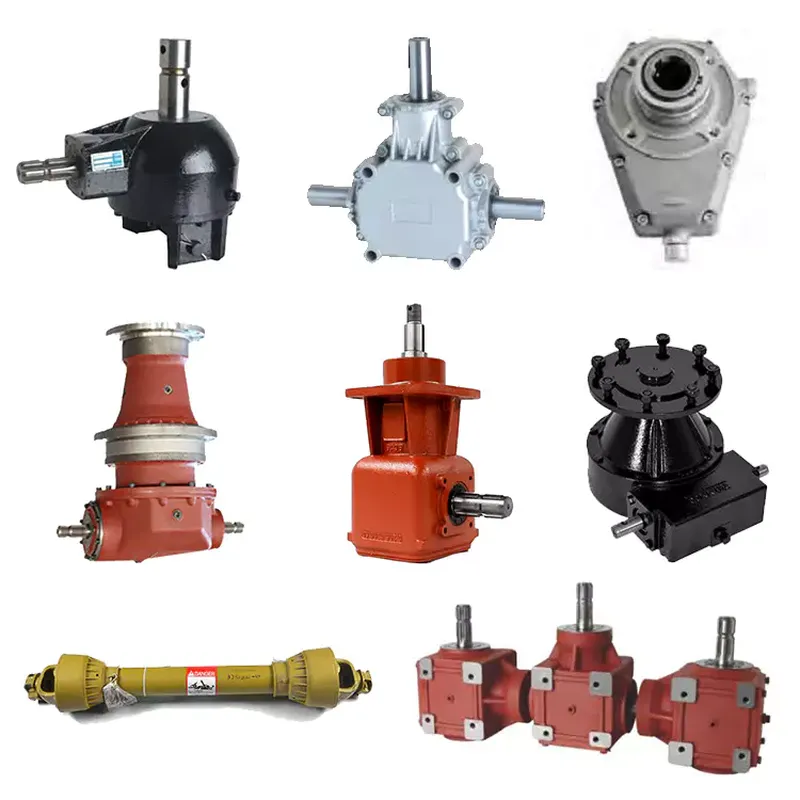
Complementing gearboxes, PTO shafts with safety guards and telescopic sections ensure safe power delivery from tractors to mobile mixers. Chain wheels, roller chains, and tensioners suit auger drives in horizontal systems. Spur gears and racks facilitate precise adjustment in pellet die positioning. Lubrication pumps maintain consistent oil flow in continuous operations. Belt pulleys and couplings provide flexible connections in electric setups. Hydraulic cylinders adjust mixer discharge gates. Complete systems include compatible seeders or harvesters optionally fitted with matching transmissions.
One-stop sourcing simplifies procurement for feed mill operators, ensuring interface compatibility across PTO shafts, chains, and hydraulic elements. Full agricultural transmission series covers mixers, mills, and ancillary equipment, streamlining inventory for large Córdoba or Santa Fe operations.
Why Choose Our Feed Processing Gearboxes
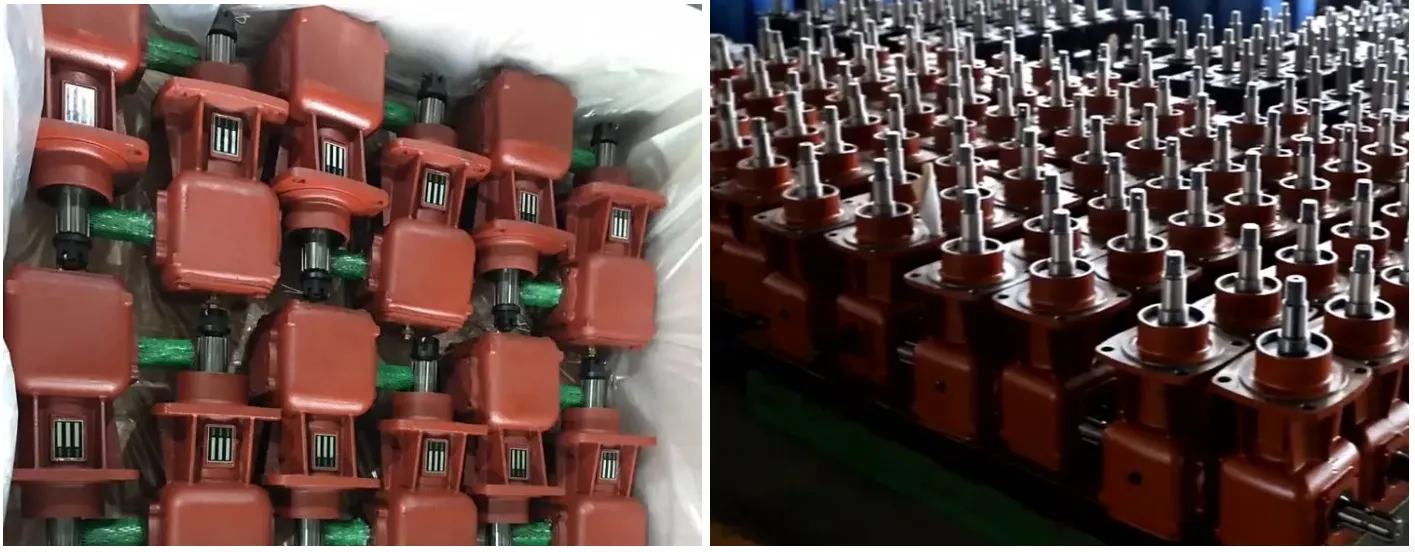
Proven durability in high-dust Argentine conditions, precise torque delivery for uniform feed quality, broad ratio selection matching local mill configurations, and extended service life reduce total ownership costs. Extensive testing validates performance in real-world livestock rations processing.
Frequently Asked Questions
- What torque capacity suits a typical 2-ton vertical feed mixer? Models rated 1200-1800 Nm handle dense rations including silage and soybean meal without stalling, matching common 45-75 kW electric drives in Argentine facilities.
- How often should oil changes occur in dusty environments? Every 1500-2000 hours or annually, using VG220 GL-5 specification to maintain film strength amid fine particle ingress common in Córdoba mills.
- Can these gearboxes integrate with variable frequency drives? Yes, wide speed stability from 300-1800 rpm supports VFD control for energy savings during partial load mixing in modern pellet lines.
- What maintenance prevents seal failures? Regular cleaning of breathers, inspection of dust wipers, and prompt repair of minor leaks extend seal life beyond 5000 hours in abrasive conditions.
- Are custom ratios available for specific pellet die speeds? Absolutely; ratios from 1.8:1 to 4.5:1 can be engineered to match required roller speeds while maintaining optimal motor efficiency.
Explore compatible agricultural gearboxes or contact us via our inquiry page for tailored specifications in your feed operation.