
Core Advantages and Application in Scraper Manure Removal Systems
Scraper manure removal gearboxes convert rotary motion from electric motors or hydraulic drives into linear pulling force for manure scrapers, ensuring efficient evacuation of alleys in freestall barns and tie-stall facilities. These units operate at low output speeds (typically 2-8 RPM at the drive wheel) while handling high torque demands from friction on concrete floors, accumulated bedding material, and occasional blockages from feed residues or frozen manure.
In Argentine dairy operations, where barns often exceed 100 meters in length and house 200+ cows per alley, the gearbox must sustain repeated start-stop cycles without overheating or premature gear wear. Our designs incorporate hardened helical gearing and reinforced output shafts to manage shock loads when scrapers encounter uneven manure piles or cross-gutter transitions.
Key functional benefits include reduced labor requirements for daily cleaning, lower ammonia emissions through frequent removal, and improved hoof health by minimizing standing time in slurry. Systems equipped with these gearboxes support compliance with effluent management practices increasingly enforced in intensive production zones.
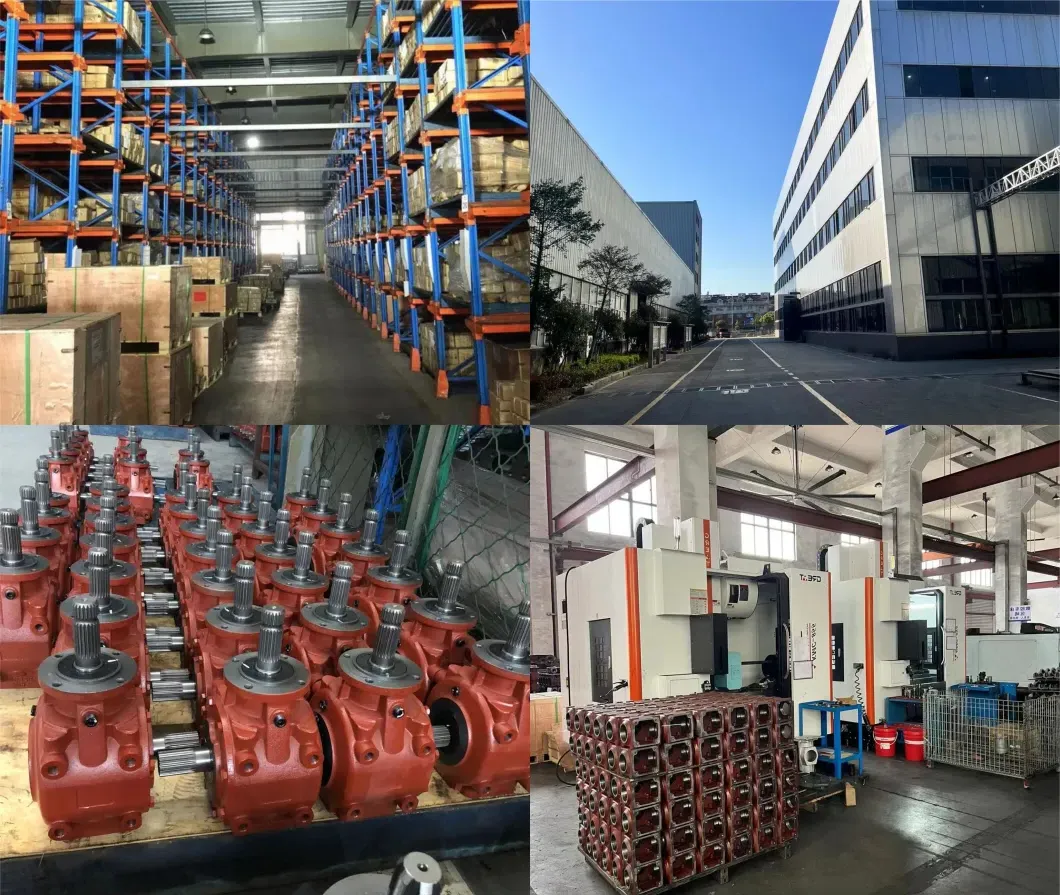
Technical Specifications Overview
Below is a detailed listing of 30 key technical parameters for scraper manure removal gearboxes suitable for medium to large-scale Argentine dairy and beef operations.
| Parametre | Value/Range | Notes/Standard |
|---|---|---|
| Rated Torque (Nm) | 800 – 2200 | Continuous operation at 5 RPM output |
| Peak Torque Capacity (Nm) | 3200 – 6500 | Short-duration overload for blockages |
| Service Factor | 1.8 – 2.5 | AGMA 2001-D04 |
| Gear Ratio Options | 40:1 to 120:1 | Custom ratios available for motor speed matching |
| Input Speed Range (RPM) | 900 – 1800 | Compatible with standard 4-pole electric motors |
| Output Speed Range (RPM) | 2 – 15 | Adjustable via pulley or frequency drive |
| Input Shaft Diameter (mm) | 35 – 55 | Keyed or splined per customer spec |
| Output Shaft Diameter (mm) | 60 – 90 | Reinforced for chain or cable drum attachment |
| Lubrication Type | Oil bath with synthetic EP 220 | GL-5 rated |
| Oil Capacity (Liters) | 4.5 – 12 | Depending on housing size |
| Oil Change Interval (hours) | 4000 – 6000 | Under normal dairy barn conditions |
| Operating Temperature Range (°C) | -10 to +60 | Extended range variants to -25 available |
| IP Protection Rating | IP65 – IP67 | Dust and water ingress protection for wash-down |
| Konut Malzemesi | GGG50 nodular cast iron | High tensile strength, vibration damping |
| Gear Material | 20CrMnTi carburized steel | Hardness HRC 58-62 |
| Bearing Type | Tapered roller + deep groove ball | L10 life > 12000 hours |
| Noise Level (dB(A)) | < 75 | At 1 meter under full load |
| Vibration Threshold (mm/s) | < 4.5 | ISO 10816-3 compliant |
| Mounting Interface | Foot or flange mount | Custom hole patterns on request |
| Ağırlık (kg) | 85 – 220 | Model dependent |
| Efficiency (%) | 92 – 96 | At rated load |
| Backlash (arcmin) | 8 – 15 | Precision ground gears |
| Sealing System | Double lip seals + labyrinth | Prevents contaminant ingress |
| Overload Protection | Integrated shear pin or torque limiter | Optional |
| Corrosion Protection | Epoxy primer + polyurethane topcoat | Suitable for high-humidity barns |
| Service Life (hours) | > 25000 | At 50% duty cycle |
| Compliance | ISO 6336 gear rating | AGMA 2101 compatibility |
| Input Configuration | IEC motor flange B5/B14 | Standard sizes 132-180 |
| Output Configuration | Keyed shaft or chain sprocket | Özelleştirilebilir |
| Thermal Rating (kW) | 3 – 11 | Continuous power transmission |
Working Principle and Functional Components
The gearbox receives input from a motor mounted horizontally or vertically, depending on barn layout. Power flows through a primary reduction stage (spur or helical gears) to an intermediate shaft, then to a final high-ratio stage that drives the output shaft connected to a drum or pulley system. This drum winds a cable or chain that pulls the scraper blade along the alley floor, reversing direction at limit switches or via timer control.
Critical internal components include carburized pinions for high contact stress resistance, large-diameter output bearings to handle radial loads from cable tension, and a sealed housing to exclude corrosive ammonia vapors and dust. In Argentine installations, where barns may experience temperature swings from 5°C overnight to 35°C daytime in summer, thermal expansion is managed through precise shaft alignment and flexible couplings.
The system performs three primary functions: torque multiplication for heavy pulling loads, speed reduction for controlled scraper movement, and reliable power transmission in damp, corrosive environments typical of manure handling zones.
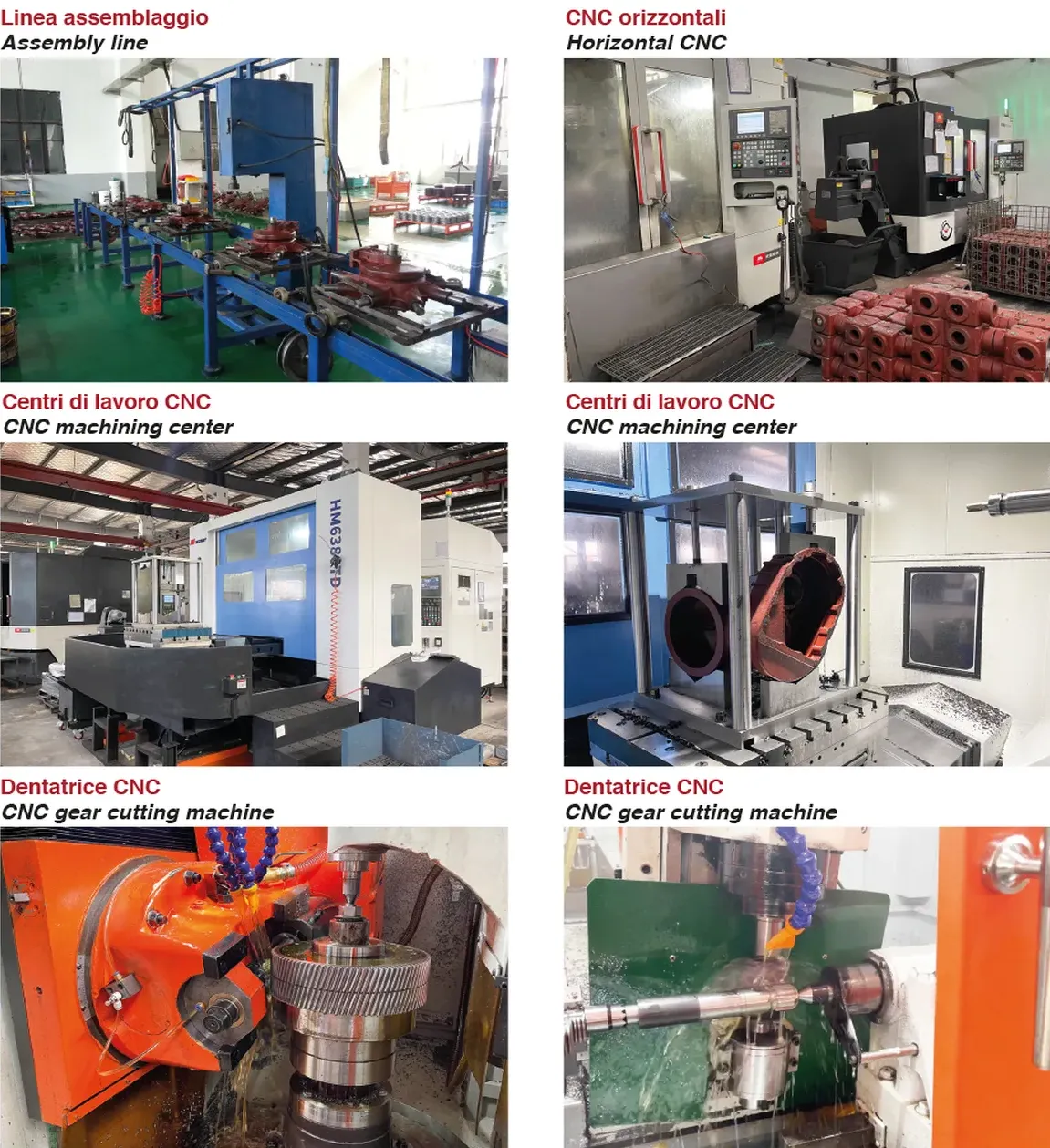
Argentina Dairy Barn Extreme Operating Conditions Field Study
Argentina’s dairy sector concentrates in Buenos Aires, Córdoba, and Santa Fe provinces, where intensive freestall systems predominate. These regions experience humid subtropical climates with annual rainfall 900-1400 mm and summer temperatures frequently exceeding 35°C, creating challenging conditions for manure management equipment.
In Córdoba province, intensive dairies must prepare agronomic effluent application plans under provincial regulations, emphasizing frequent alley cleaning to reduce lagoon storage needs. Santa Fe operations face similar requirements, with emphasis on minimizing nutrient runoff into the Paraná River basin. Buenos Aires province farms, particularly in the southeast dairy belt, contend with higher humidity and occasional flooding, increasing corrosion risk to exposed drive components.
Neighboring Uruguay and southern Brazil share similar Pampas biome characteristics, with Mercosur harmonization influencing equipment standards. Gearboxes must withstand prolonged exposure to methane, hydrogen sulfide, and urine-ammonia mixtures that accelerate oxidation of unprotected surfaces. Our units utilize epoxy-polyurethane coatings and stainless steel fasteners to achieve extended service intervals in these environments.
Local mainstream brands often follow ISO 14396 power rating and DIN 9611 PTO interface standards, but scraper systems prioritize electric drive compatibility with IEC motor flanges. Argentine regulations reference IRAM standards for electrical safety in agricultural machinery, with emphasis on IP-rated enclosures for damp locations.
Performance Requirements to Overcome Local Challenges
Argentine scraper systems encounter unique stresses: high moisture from frequent wash-downs, abrasive sand in manure from dirt-floor alleys, and variable loads from uneven scraper paths. Gearboxes require elevated service factors (minimum 2.0) to handle startup torque surges when blades are buried in compacted material after weekend shutdowns.
Thermal management becomes critical during summer peaks, where ambient temperatures plus motor heat can push sump oil beyond 80°C. Forced ventilation options and larger oil capacities help maintain viscosity. Corrosion resistance is non-negotiable; untreated cast iron housings pit rapidly in ammonia-rich atmospheres, leading to leaks and premature failure.
Low-speed high-torque output demands robust output shaft keys and bearings capable of handling side-pull forces up to 15 kN without deflection. In flood-prone areas of eastern Buenos Aires, gearboxes benefit from raised mounting pedestals to avoid submersion during heavy rains.
Competitor Comparison with Disclaimer
Compared to common market alternatives, our scraper gearboxes offer 18-25% higher continuous torque rating at equivalent frame sizes due to optimized gear tooth geometry and higher alloy content. Noise levels remain below 75 dB(A) versus 80+ dB(A) in some economy models, reducing operator fatigue during maintenance. Service life estimates exceed 25,000 hours versus 15,000-18,000 hours reported for entry-level units.
Disclaimer: All comparisons are based on published specifications and field observations. Brand names and model designations are used solely for reference and selection convenience. No representation is made of official endorsement or testing by named manufacturers. Compatibility is not guaranteed without verification of exact mounting and load conditions.
Compatible Replacement References for Selection
These gearboxes serve as functional replacements for drive units found on popular scraper systems installed in Argentine dairies. Matching dimensions include flange patterns, shaft diameters, and mounting centers. (Note: All referenced manufacturer names and series are for reference purposes only and do not imply any affiliation or infringement.)
- Compatible with common European chain-drive scraper drives (similar to JOZ multi-scraper series output configurations)
- Direct dimensional match for certain North American cable-pull systems (equivalent to Dairypower ratchet scraper drive specs)
- Interchangeable with select Chinese frame-type scraper motors in widespread use across South American dairies
- Suitable for retrofit on Big Dutchman and Fancom-style alley scrapers prevalent in Córdoba and Santa Fe installations
Engineer Perspective: Design Philosophy and Iterative Improvements
Design began with field measurements of actual scraper loads in Argentine dairies, revealing peak torques 2.3 times higher than steady-state values during startup in compacted manure. This led to adoption of carburized 20CrMnTi gears with controlled case depth of 1.2-1.8 mm, balancing hardness against fracture toughness.
Innovation focuses on modular output configurations allowing field conversion between chain and cable drive without gearbox replacement. User feedback from Santa Fe installations prompted enlarged inspection ports and magnetic drain plugs to simplify contamination checks in dusty environments.
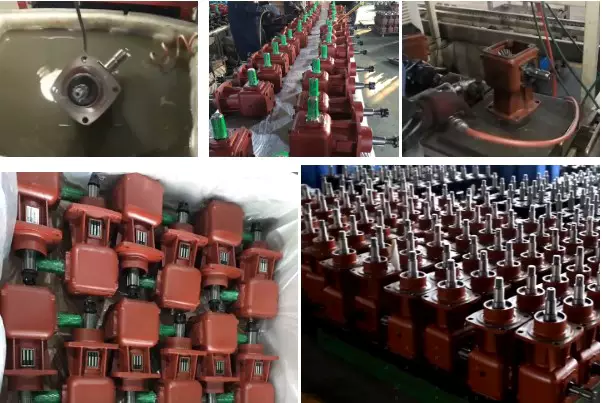
Iterative testing in humidity chambers simulating barn conditions showed 40% extension in seal life after switching to Viton compounds with stainless garter springs. Continuous improvement draws from warranty data, targeting less than 0.8% failure rate in first 5000 hours.
Field Engineer Case Notes: Real-World Implementations
Córdoba Province, Argentina (2023): A 1200-cow freestall dairy experienced repeated output shaft shear on original equipment during winter startup. After installing our reinforced model, torque peaks were absorbed without failure. Operator comment: “The scraper now pulls through frozen layers without stalling, saving 45 minutes daily.”
Santa Fe Province, Argentina (2024): Mid-size operation with 450 cows faced corrosion-induced leaks after 14 months. Epoxy-coated unit installed in replacement showed no pitting after 18 months. Farm manager noted: “Maintenance intervals doubled; ammonia smell noticeably reduced due to consistent cleaning.”
Buenos Aires Province, Argentina (2022): Flood-prone barn required raised mounting. Custom pedestal adapter and IP67 unit prevented water ingress during 300 mm rainfall event. Technician observation: “Gearbox continued operating normally while surrounding equipment needed drying.”
Uruguay (comparative case, 2024): Similar Pampas conditions, 800-cow dairy upgraded to higher ratio unit for longer alleys. Result: Reduced motor current draw by 22%, extending motor brush life.
Southern Brazil (comparative case, 2023): High-humidity dairy saw bearing failures every 9 months. Our sealed bearing configuration extended interval to 28 months. Operator: “Noise reduction alone made the investment worthwhile.”
Signs Indicating Gearbox Replacement Need
Watch for these warning signs in scraper drive systems:
- Increased operating noise or grinding during startup
- Visible oil leaks around output shaft seals
- Elevated housing temperature (>65°C after 30 minutes run)
- Scraper stalling or slow recovery under normal load
- Excessive vibration at mounting feet
- Metal particles on magnetic drain plug
- Reduced pulling force despite clean chains/cables
- Frequent thermal overload trips on motor
Related Products and System Integration Advantages
Complete your manure management system with compatible components:
- Heavy-duty manure scraper chains with galvanized or stainless links
- Drive sprockets and idler pulleys matched to output shaft
- Electrical control panels with timer/reversal functions
- Limit switches and cable tensioners for safe operation
- Corrosion-resistant scraper blades in various profiles
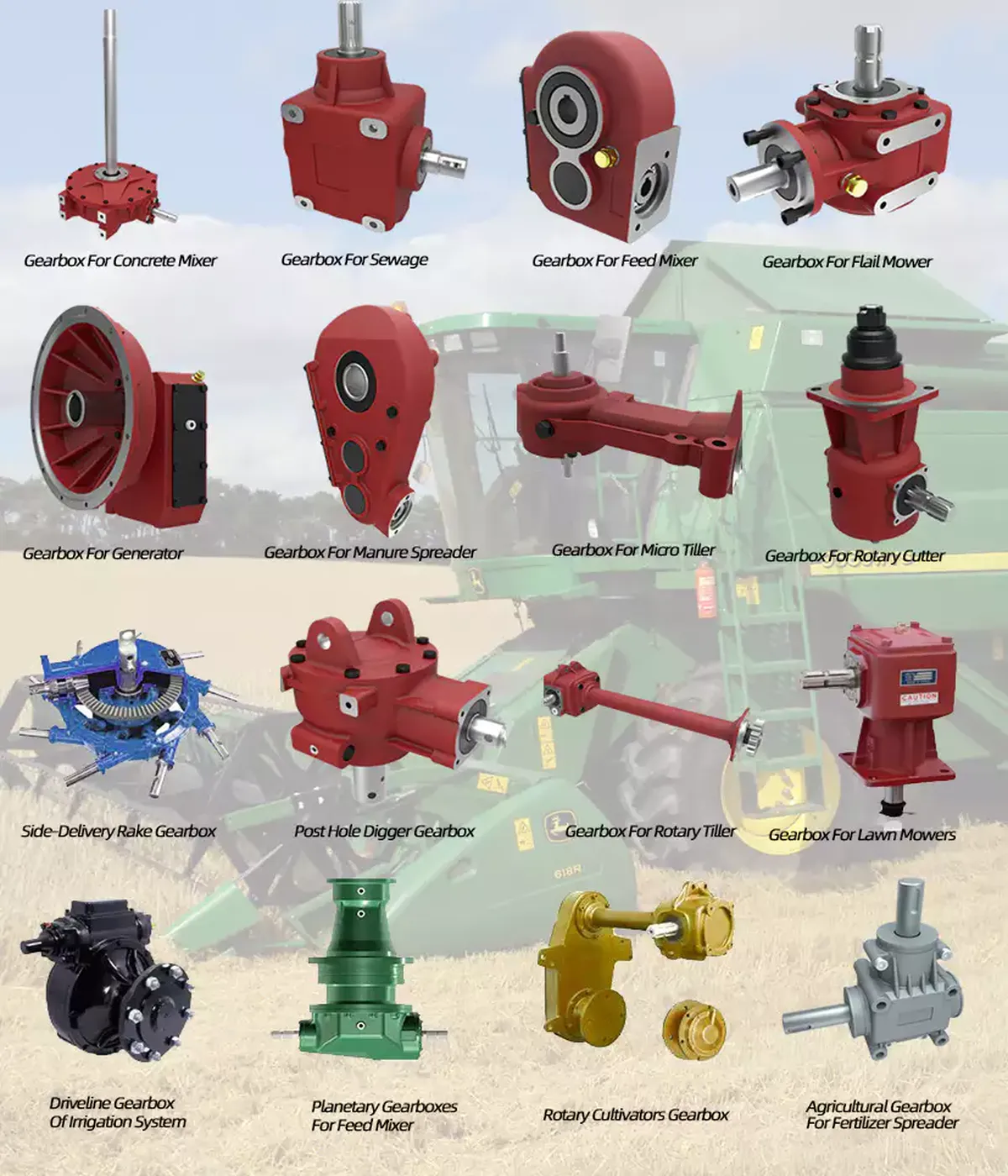
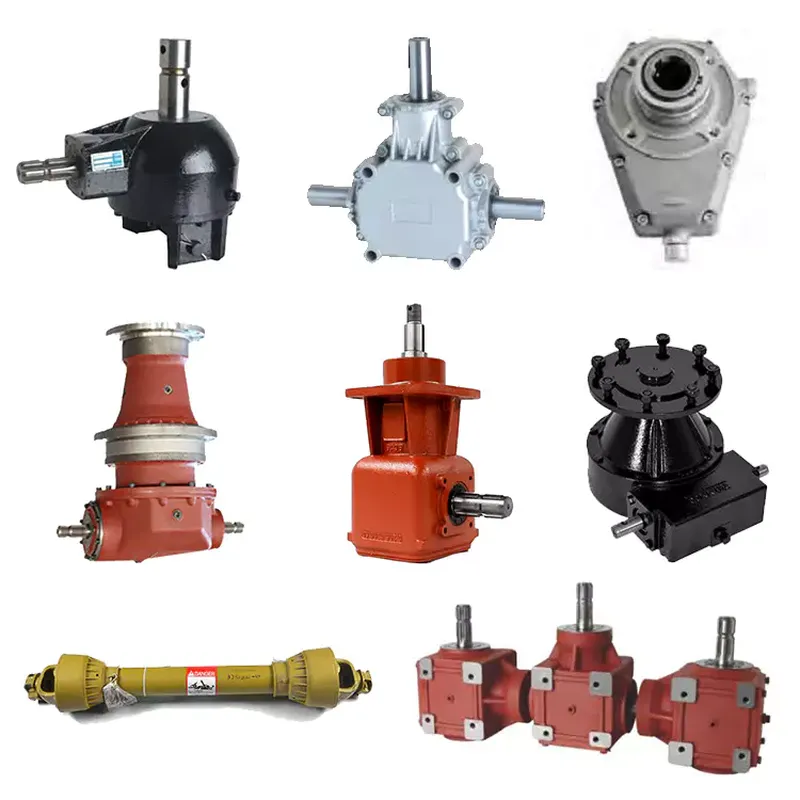
One-source procurement ensures interface compatibility, reducing installation time and mismatch risks. Full series coverage includes gearboxes for rotary tillers, mowers, and balers alongside scraper drives and PTO shafts with safety guards, telescoping sections, and wide-angle joints.
Why Choose Our Scraper Drive Solutions
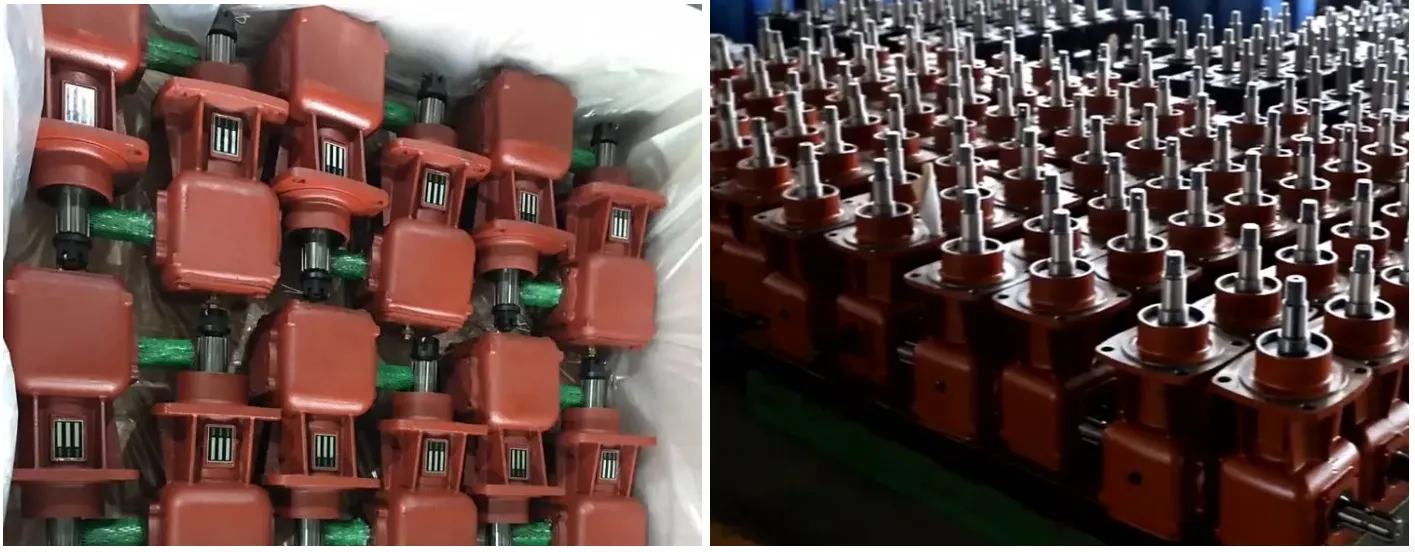
Proven durability in South American dairy conditions, precise torque matching to barn layout, comprehensive technical documentation, and responsive engineering support for custom adaptations. Explore full agricultural transmission range or discuss your specific barn requirements today.
Frequently Asked Questions
1. What motor power is typically required for a 120-meter alley scraper?
Most installations use 3-5.5 kW motors with our 60:1 to 80:1 ratio gearboxes, providing sufficient pulling force for 2-3 scrapers per drive unit in typical dairy conditions.
2. How often should oil be changed in high-humidity Argentine barns?
Recommend inspection every 2000 hours and replacement every 4000-5000 hours, or annually, whichever comes first. Synthetic EP oils extend intervals in warm climates.
3. Can the gearbox handle reversal cycles without damage?
Yes, bidirectional gearing and anti-backlash design support frequent direction changes required in automatic timer-controlled systems.
4. What mounting options suit retrofitting existing scraper frames?
Foot mount with 300-450 mm bolt centers is standard; flange mount adapters available for vertical motor installations common in newer barns.
5. Are these gearboxes suitable for organic dairy operations in Santa Fe?
Yes, no hydraulic fluid risk and robust construction support low-maintenance requirements of organic-certified facilities.